





Introduction: Wine and History — a journey into Calabria’s winemaking traditions
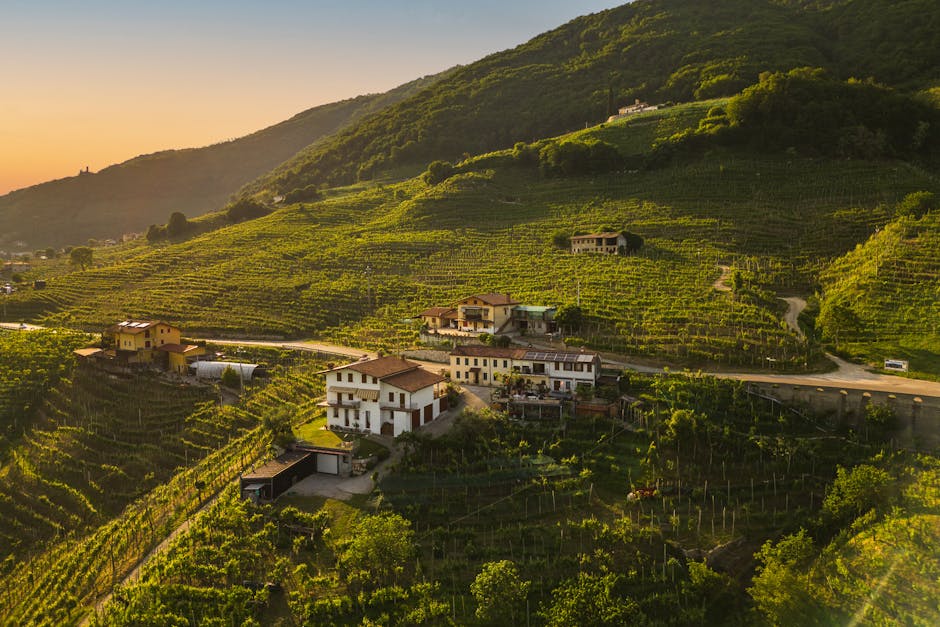
Calabria, the fiery tip of southern Italy, is known for its dramatic cliffs, turquoise beaches and boldly spiced cuisine — but it also hides a millennia-old winemaking tradition that has shaped its landscapes, villages and local customs. Long overshadowed by the big northern Italian wine regions, Calabria boasts indigenous grapes, age-old techniques and an agricultural history worth digging into. This guide will walk you through those traditions: terraces of ancient vines, family-run cooperatives, historic cellars and ambitious new estates reinventing Calabrian wine for the modern palate.
Calabrian viticulture is inseparable from its Mediterranean climate, marl-limestone soils in the inland hills and the Ionian and Tyrrhenian influences along the coasts. That geographic variety has given rise to unique varieties like Gaglioppo, Magliocco and Greco Nero, which now form the backbone of local labels. Traditional practices — short pruning, hand-harvesting, sometimes night-time picking to preserve aromas — sit alongside organic and biodynamic initiatives aimed at highlighting Calabria’s singular terroir.
This general but detailed guide includes portraits of representative estates, concrete addresses for cellar visits and restaurants, indicative opening times and prices to plan tastings, plus practical tips for talking with winemakers and making sense of what you taste. We’ll also point out local events, wine museums and driving routes that make regional discovery easier. Finally, the guide highlights the cultural role of wine in Calabria: how it features in religious feasts, weddings, everyday conviviality and the passing down of family know-how.
The trip is as sensory as it is intellectual: expect spicy red fruit, Mediterranean herbs, sometimes damp-earth and black olive notes, and saline, mineral whites from parcels near the sea. The descriptions below are meant to enrich your on-site visits, help you buy directly from producers, and explain why some labels carry specific historical or place-based mentions. Before you go, note that most estates require reservations for tastings and opening hours vary with the season; we’ve included timing hints and price ranges to help plan your route.
Historic grape varieties and the Calabrian terroir
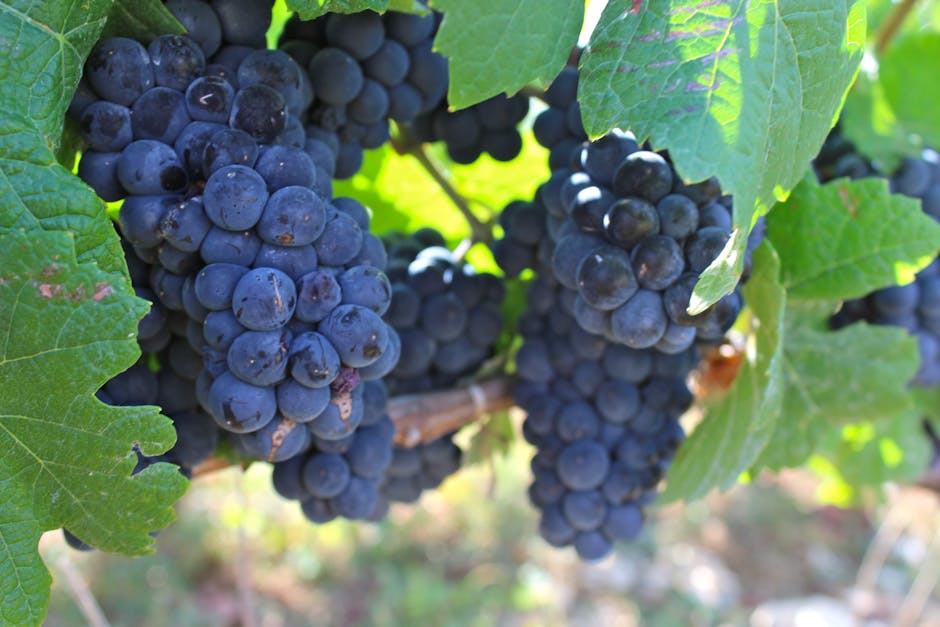
The distinctiveness of Calabrian wines starts with their traditional grapes. Gaglioppo, often described as the “soul” of Calabrian red, comes from the Cirò area (Municipio di Cirò Marina). It yields structured, tannic and spicy wines with notes of black cherry, leather and dried herbs; with oak ageing it can develop tobacco and undergrowth aromas. Greco Nero, more common on the Tyrrhenian side, tends to produce softer, fruitier profiles. Among whites, Greco Bianco and Pecorello handle summer heat well and give wines with bright acidity, floral and citrus notes.
The terroir is highly varied: on the Ionian coast you’ll find clay-limestone soils and a saline influence; on the Tyrrhenian side there are volcanic slopes with gritty deposits; inland the soils are poorer, rockier and wind-exposed, favoring slow ripening. These combined factors explain why, within a relatively compact area, you can taste a wide spectrum of aromas and structures.
Vine management often follows traditional methods: Guyot or cordon-trained vines, manual harvests and parcel sorting to preserve each hillside’s identity. Many small owners still maintain centuries-old practices like cork oak hedges to shelter rows or dry-stone walls to prevent erosion. A more recent shift is the gradual move toward sustainable practices: estates such as Azienda Agricola Librandi (Via Librandi, 1, 88811 Cirò Marina KR) have invested in organic certification and integrated pest management to protect local biodiversity.
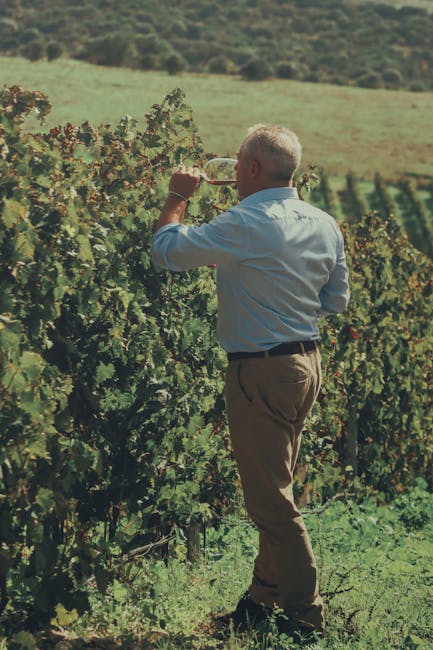
Local tip: when visiting a cellar, always ask for the grape variety and the source parcel. Many estates now offer mini-enology tastings where you can sample cuvées by parcel. That lets you compare, for example, a Gaglioppo from a limestone hill with one from clay-rich plains. As a price guide, a standard tasting (3 wines) at a small estate typically costs €8–15 per person; at larger historic properties expect €15–30.
Must-visit estates and cellars
Visiting Calabrian cellars is like reading the region’s history through winemaking methods. Here’s a selection of notable estates known for welcoming visitors and for producing representative wines, with addresses, opening times and tasting prices to help you plan.
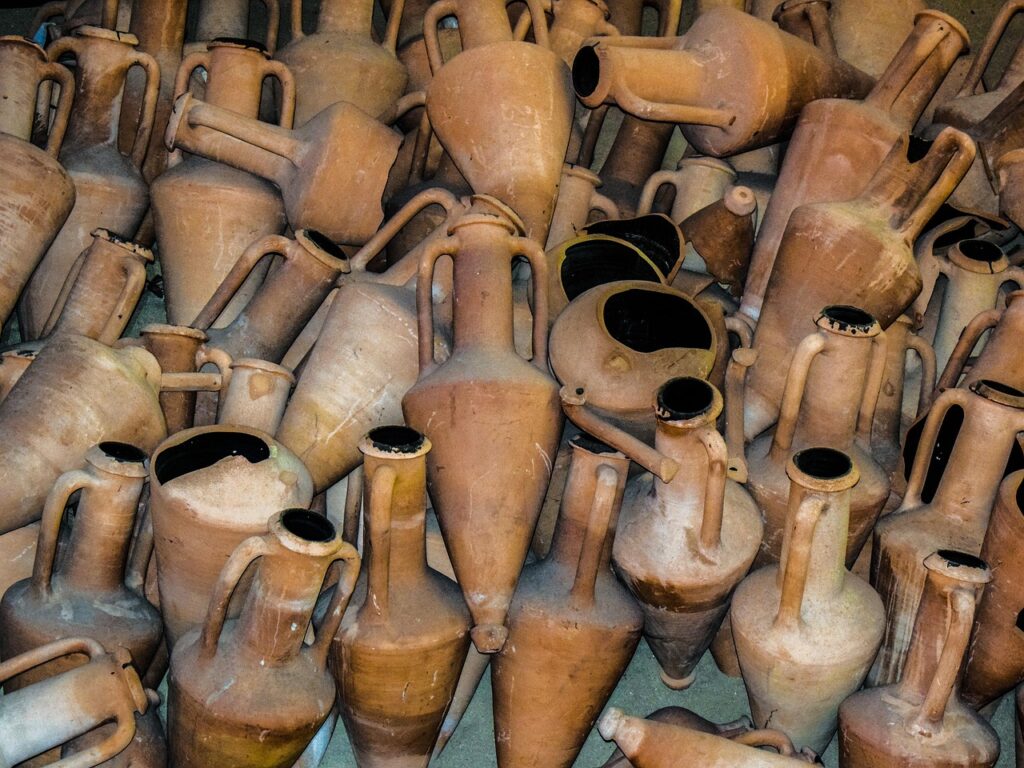
- Azienda Agricola Librandi — Via Librandi, 1, 88811 Cirò Marina (KR). Hours: Monday–Friday 09:00–13:00 and 15:00–18:00, Saturday 09:00–13:00, Sunday by appointment. Guided tasting: €20 per person for 4 wines, cellar tour and historical notes; premium tasting €35 (6 wines + local tasting plate). Reservation recommended by phone +39 0962 123456 (indicative number) or email [email protected]. Description: renovated historic cellars, exhibits of ancient amphorae and modern vinification areas; vineyards at the foot of coastal hills.
- Tenute Iuzzolini — Contrada Canna, 87036 Rende (CS). Hours: Tuesday–Saturday 10:00–18:00. Tasting: €15 (3 wines); full visit €30 (4 wines + platter). Farmstay available (double room from €80 per night). Highlights: social and wine-tourism focus, tastings by reservation with views over the Crati valley.
- Cantine Statti — Via P. Statti, 2, 89040 Reggio Calabria (RC). Hours: Monday–Saturday 09:00–13:00 and 15:00–19:00. Walk-in tastings €10–20 depending on the formula. Notable: modern cellar, emphasis on Magliocco and Gaglioppo, shop with multiple vintages and EU shipping.
- Azienda Vinicola Ippolito 1845 — Via Grande, 12, 88060 Lamezia Terme (CZ). Hours: 09:00–17:00 (closed Sunday). Tasting: €12 (3 wines); historical visit €25. The estate claims archives and old bottles — a good option for understanding stylistic evolution since the 19th century.
- Feudo dei Ciclopi – Casa del Vino (association tasting) — Corso Garibaldi, 45, 89861 Tropea (VV). Hours: 11:00–22:00 (daily during the tourist season). Tasting: glasses €4–10, local tasting boards €8–18. Very touristy but handy for comparing local wines after a day in town.
Practical tip: most estates accept card payments, but bring cash if you plan to buy older vintages or join the harvest. In summer (July–August) aim for late morning or late afternoon visits to beat the heat and enjoy the golden light on the vines.
Wine routes, museums and events: planning your itinerary
Calabria’s wine routes aren’t as famous as Tuscany or Piedmont, but they offer genuine, off-the-beaten-track experiences. Recommended routes include the Strada del Vino di Cirò, which links estates, restaurants and archaeological sites around Cirò Marina and Rocca Imperiale. Another interesting road is the Strada del Vino del Reggino, which crosses the province of Reggio Calabria, connecting the vineyards of Scilla, Bova and the Gioia Tauro plain.
Museums and interpretation centers: though there’s no single national wine museum, several local initiatives let you learn traditional techniques:
– Museo del Vino di Cirò (Via Roma, 10, 88811 Cirò Marina KR). Hours: Tuesday–Sunday 10:00–13:00 and 15:00–18:00. Admission: €5 (includes a short guided tour). Exhibits on local history, amphorae and traditional tools.
– Casa del Grape & Wine, Reggio Calabria (Piazza Garibaldi, 3, 89100 Reggio Calabria RC). Hours: 09:30–12:30 and 16:00–19:00, closed Monday. Admission: €6 (educational workshop €12).
Annual events you shouldn’t miss:
– Sagra del Vino di Cirò: usually in August, with local producer stalls, music and tastings; free entry, tastings paid (€3–6 per glass).
– Calabrian Wine Days (itinerant event, dates vary in May–June): trade fairs and tasting sessions; professional tickets around €50, public €20–30.
– Local patron saint festivals: many religious celebrations include wine in processions and banquets; these are great opportunities to sample homemade cuvées and hear family stories.
Itinerary tips: schedule cellar visits in the morning (cooler temps, winemakers available), lunch at a local trattoria (see suggested dishes and addresses below), then an afternoon stroll through a vineyard or museum visit. If you’re driving, plan rest times and book tastings responsibly — many estates now offer shuttle services or can recommend a local taxi (indicative fares €20–50 depending on distance).
Food and wine pairings: restaurants, specialties and tasting tips
Calabrian cuisine is bold, spicy and full-flavored; it pairs beautifully with local wines. Here are some not-to-miss spots with addresses, price ranges and opening times, plus classic pairing ideas:
- Ristorante La Lampara — Via Lungomare, 14, 89861 Tropea (VV). Hours: 12:00–15:00 and 19:00–23:00. Prices: mains €12–25. Pairing recommendation: a young Gaglioppo with ’nduja-infused ragù or a local lamb stew. Atmosphere: seaside terrace — the iodine-rich air enhances certain saline whites.
- Osteria del Borgo — Piazza San Vittorio, 6, 87036 Rende (CS). Hours: 18:30–23:00, closed Monday. Prices: starters €6–12, mains €10–18. Specialties: Calabrian cured meats, pecorino cheese, fileja pasta with walnut sauce — excellent with a fresh Greco Bianco.
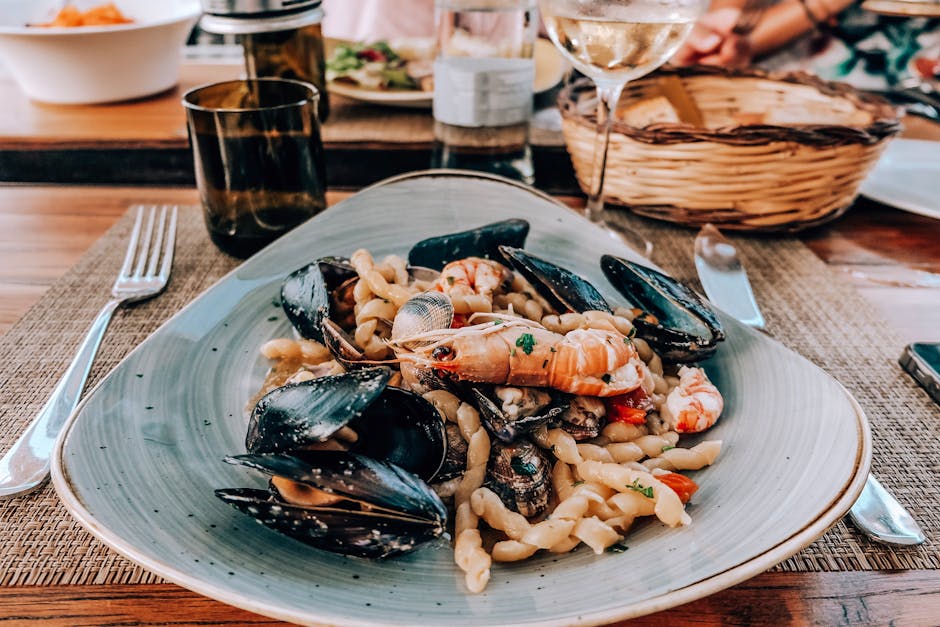
- Trattoria Il Pescatore — Via Marina, 22, 89100 Reggio Calabria (RC). Hours: 12:00–15:00 and 19:00–23:00. Prices: fish dishes €14–30. Suggestion: a mineral local white with shellfish or grilled fish; a light red with tomato-and-caper dishes.
Classic pairings: Gaglioppo works well with roasted meats, aged cheeses and tomato-based dishes, while native whites pair nicely with seafood, octopus salads and citrus-based preparations. More rustic wines aged in amphorae or old barrels pair beautifully with peasant dishes: vegetable soups, stuffed peppers, polenta and local goat cheeses.
Tasting tips: pay attention to serving temperatures. Light reds are best at 14–16 °C, structured reds at 16–18 °C, and whites at 8–12 °C. Labels may list altitude and parcel — two key clues to mineral character. Don’t hesitate to ask for an assaggio (a small taste) in restaurants to compare bottles before ordering.
Practical tips, buying and storing Calabrian wines
If you plan to bring bottles home, here are practical tips for purchase, transport and storage. Buying directly from producers is often the best option: prices are competitive and you’ll get personalized recommendations. As a ballpark, a good local bottle usually costs €8–25; special cuvées, older vintages or limited barrique releases can reach €30–70.
Where to buy:
– Directly at estates (see addresses above). Pros: tasting, advice, occasional discounts for quantity purchases.
– Specialty shops: Enoteca Calabrese, Via Nazionale, 27, 88100 Catanzaro (CZ). Hours: 10:00–13:00 and 16:30–20:30. Prices vary.
– Local markets and fairs: small producers who don’t sell online often appear here — a great chance to negotiate small batches.
Transport: for air travel from Italy, wrap each bottle in a protective bag or use the cellar’s packaging service (most estates offer export packaging €3–8 per bottle). If driving, secure bottles in compartmented crates and avoid extreme temperature swings.
Storage: Calabrian wines, unless labeled giovane (young), benefit from resting in a cool cellar (12–14 °C) with moderate humidity. Structured reds can keep 5–15 years depending on vintage and ageing — ask producers for the optimal drinking window. Wines intended to be enjoyed young (e.g. zippy whites) should be consumed within 2–4 years of bottling.
Final local tips: learning a few Italian phrases helps (ask “Posso visitare la cantina?” or “Vorrei assaggiare questa bottiglia”). Respect agricultural schedules (harvests start early) and book tastings in advance, especially in high season. Keep an open mind: many Calabrian wines show a raw authenticity, less ‘polished’ than some grande cuvées, and that rough charm is exactly what gives them character at your table.
Conclusion: preserving and celebrating a living winemaking culture
Calabrian wine is a world of its own: rooted in century-old practices while constantly reinventing itself. Between family growers, historic cooperatives and ambitious young estates, the region offers a palette of flavors that reflect its varied geography, Mediterranean climate and deep agricultural history. This guide aimed not only to provide practical addresses and opening times, but also sensory keys so every visit makes sense: understanding the grape, the parcel, the vinification method and wine’s role in the local community.
The suggested estates (Azienda Agricola Librandi in Cirò Marina, Tenute Iuzzolini in Rende, Cantine Statti in Reggio Calabria, Ippolito 1845 in Lamezia Terme, and tasting spots like Feudo dei Ciclopi in Tropea) are starting points to build a balanced itinerary of discovery, tasting and cultural immersion. Small museums and local festivals help tell the human story of wine — how the vine shaped landscapes and identities and how it continues to provide income and cultural pride to rural communities.
Finally, following the wine trail across Calabria also means committing to respectful consumption: support local producers, observe harvest rhythms and opening hours, and remember that behind every bottle are families and territories. The prices listed for tastings, visits and meals give a sense of the budget: expect €8–35 for a tasting, €12–30 for a main course in a quality trattoria, and €5–12 for admission to small museums. Book ahead in high season, and let yourself be surprised by the warm hospitality that almost always accompanies a shared glass here.
Whether you’re an amateur oenologist, curious traveler or foodie, Calabria invites you to rediscover wine not just as a drink but as a palimpsest of stories, scents and landscapes. Buon viaggio e buona degustazione: may you return from this journey a little richer in memories and bottles.