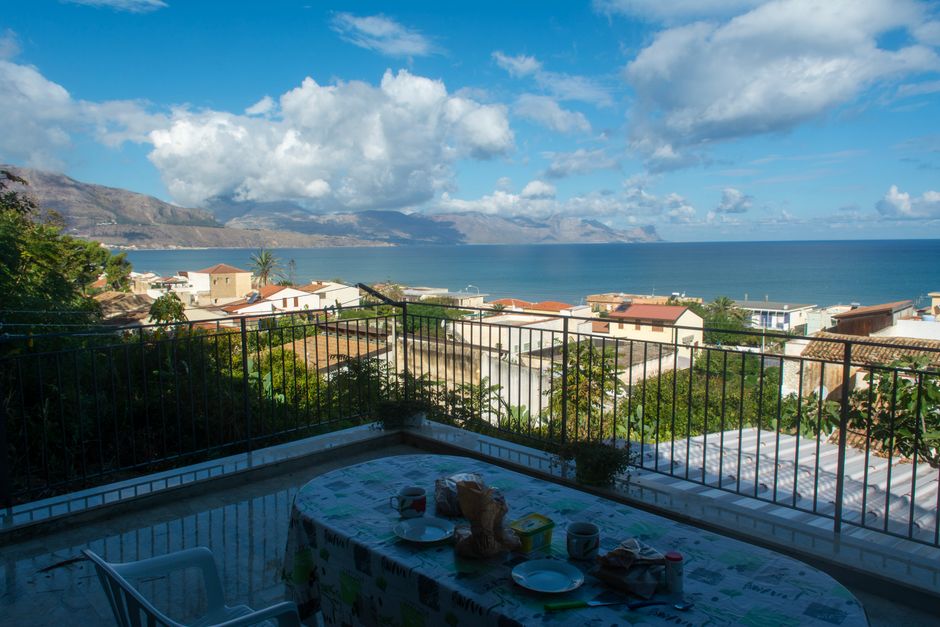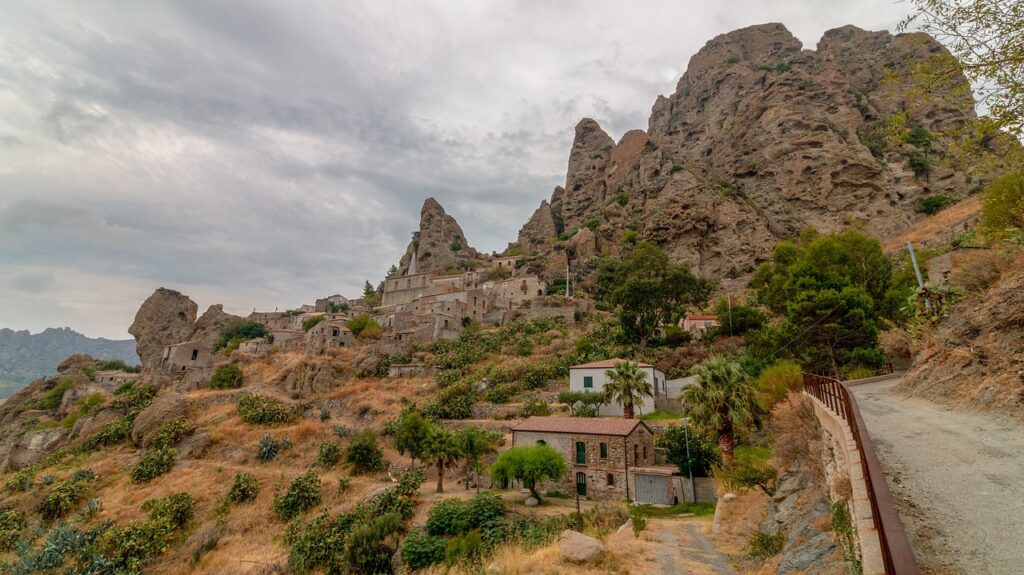






Introduction — Gourmet Walks Through Calabria’s Most Picturesque Villages
Calabria, the southern tip of Italy’s boot, is a land where the Ionian and Tyrrhenian seas carve dramatic coastlines and where the inland hills hide villages clinging to slopes and guarding an authentic culinary heritage. Choosing Calabria for a gourmet walk means more than tasting dishes: it’s following routes where every alley, every viewpoint and every little shop tells a story of local produce, family know-how and age-old traditions. This article is a practical, comprehensive guide for anyone wanting to combine scenic strolls with culinary discoveries — from fish markets to tiny family-run trattorie, from sugary treats to cheeses aged in humid cellars.
Here you’ll find themed itineraries, precise addresses (full name and exact address), opening hours and price ranges in euros, plus local tips to make the most of your tastings. Whether you arrive by car, train or boat, Calabria offers a rich concentration of villages perfect for day trips or short week-long stays. Each section of this guide focuses on a geographical area or a culinary theme: coastal seafood, inland cheeses and cured meats, traditional pastries, local markets, and recommended spots for coffee and gelato. The routes are designed to be walkable once you’re in the villages so you can preserve the charm of cobbled lanes and scenic outlooks.
This guide doesn’t just list addresses: it describes typical dishes to try (like ‘nduja, lagane e ceci, pesce spada all’acqua pazza), explains how products are made and offers practical tips — for example, how to recognise homemade ‘nduja, when to visit weekly markets and how to avoid tourist traps. The opening times shown match local practices and seasonal variations; keep in mind that many places close in the afternoon in low season and that prices can shift slightly depending on the season and tourist demand. Still, the price ranges given here (in euros) provide a reliable estimate to help you plan your budget.
Finally, this guide includes suggestions for sensory and visual experiences, with image markers placed at the most photogenic spots: beaches, alleys, market stalls, and iconic dishes. The pictures will help you picture the atmosphere and decide where to settle for a night or two. Ready to go? Put on comfortable shoes, bring your appetite and follow these gourmet walks through Calabria’s picturesque villages.
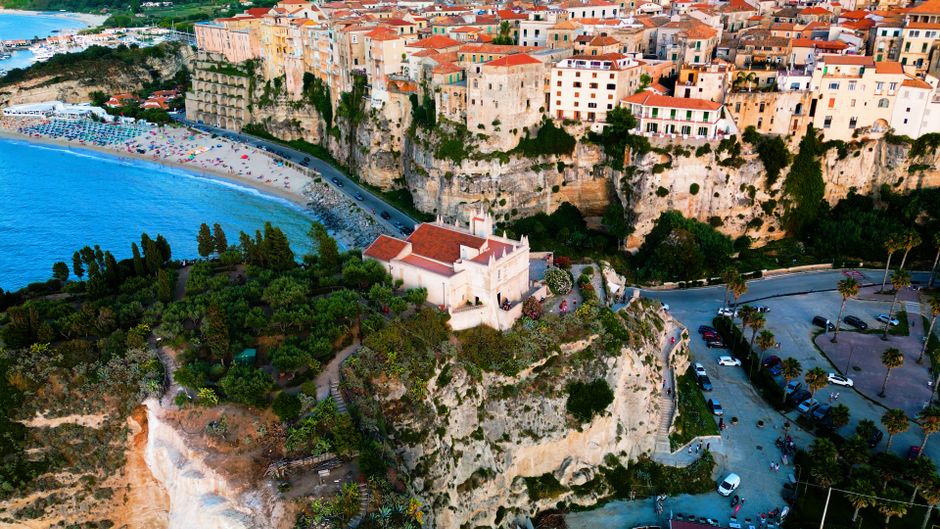
1. Tropea and Coastal Flavours: Fish, Gelato and Taralli
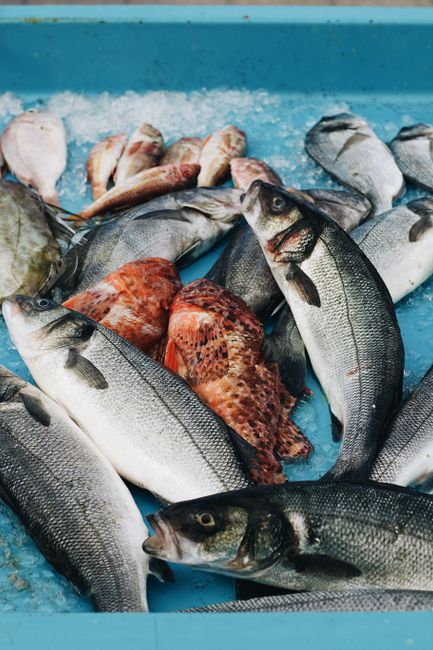
Tropea, with its old town perched on a promontory overlooking the Tyrrhenian Sea, is often the first stop for food-loving travellers. Start your walk with a visit to the local market to breathe in the scent of citrus and spot the fresh fish. The Mercato Comunale di Tropea is located at Via Roma, 89861 Tropea VV, Italy. The market is open Monday to Saturday from 07:00 to 13:00. You’ll find kilos of small fish like anchovies and plenty of local produce; expect to pay about €6–€12 per kilo for fish depending on the season.
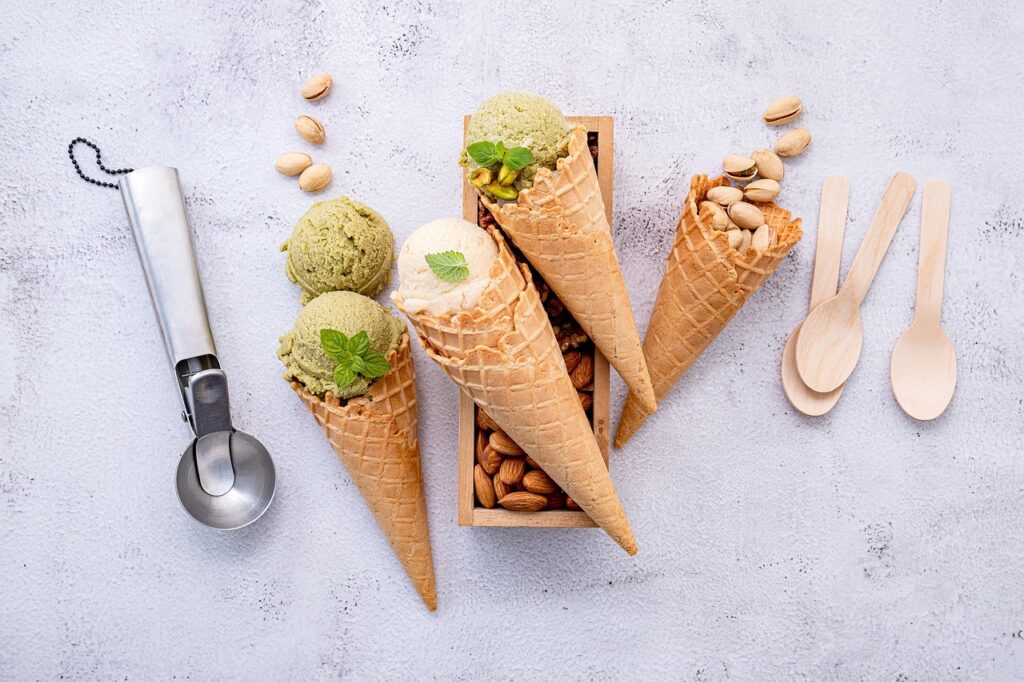
For lunch, head to Trattoria La Lamia at Corso Vittorio Emanuele II, 17, 89861 Tropea VV, Italy. Hours: 12:00–15:00 / 19:00–23:00. Recommended dishes: pesce spada alla griglia (grilled swordfish) around €18, linguine ai frutti di mare for about €14. The trattoria is known for its simplicity and the freshness of its ingredients; portions are generous and in high season it’s wise to book ahead (tel. +39 0963 *******). After the meal, don’t miss a gelato at Gelateria Ercole on Piazza Ercole, 2, 89861 Tropea VV, Italy, open 09:00–23:00. Prices: single scoop €2.50, special artisanal cup €4–€6.
For a typical savoury snack, try taralli, crispy savoury biscuits. The bakery Panificio Pasticceria Cetraro (address: Via Libertà, 55, 89861 Tropea VV, Italy) is open 06:30 to 13:00 and 16:00 to 20:00. A bag of taralli costs about €2–€3. Fans of preserved goods and local specialties can visit Antica Salumeria di Tropea, Via Umberto I, 42, 89861 Tropea VV, Italy, open 08:30–13:00 / 16:30–20:00, for tastings of cured meats like ‘nduja (200 g tube from about €6).
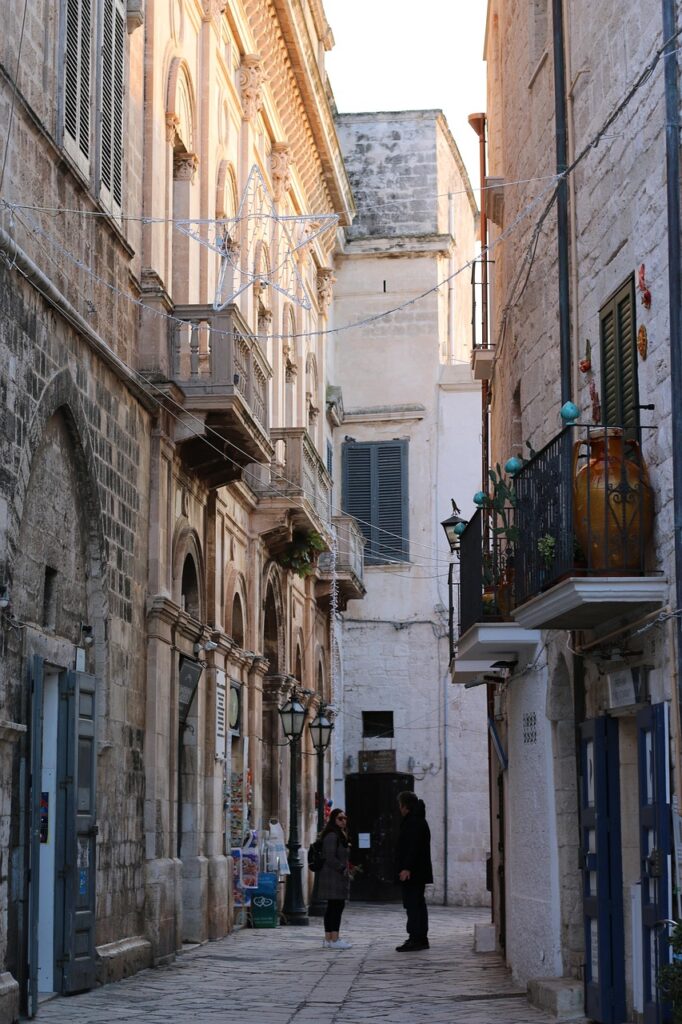
Local tip: for a spectacular view, head to the viewpoint on Corso Vittorio Emanuele at sunset; bring a small blanket and a bottle of water. If you buy fish at the market and want it cooked, ask the vendor whether they can flambé or roast it for you: many offer a basic cooking service (extra cost €3–€6 depending on size).
2. Pizzo and the Tartufo: Pastries, Historic Cafes and Local Fishing
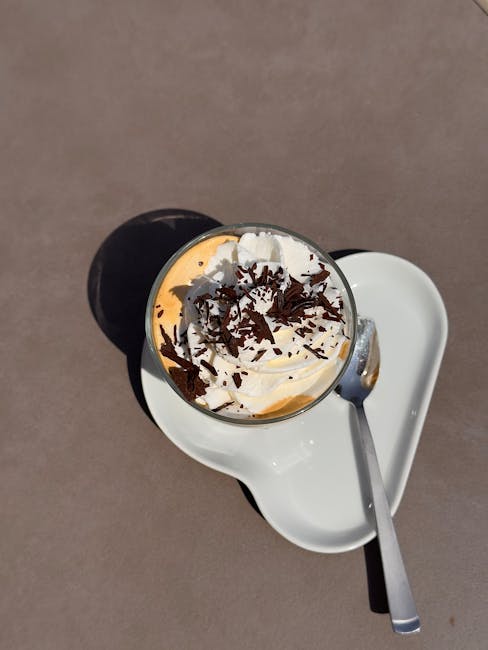
Pizzo, a small village perched on a cliff facing the Gulf of Sant’Eufemia, is famous for its tartufo — a rich artisan ice cream ball with a chocolate heart. Start at Pasticceria Andrea Pansa at Via Umberto I, 1, 89812 Pizzo VV, Italy. Hours: 07:00–14:00 / 17:00–22:00. The tartufo di Pizzo costs about €4–€6 depending on size. Also try the local cannoli (each €1.80–€2.50).
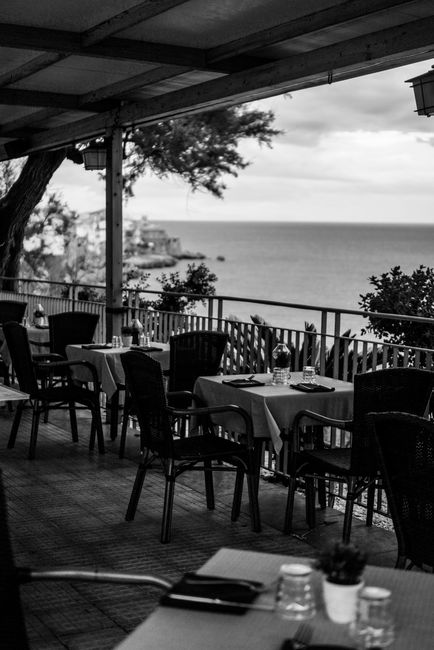
For a seafood lunch, try Ristorante da Roberto at Corso Umberto I, 45, 89812 Pizzo VV, Italy. Hours: 12:30–15:00 / 19:00–22:30. Recommended dish: pesce spada all’acqua pazza (swordfish in a light broth) for €16–€22. Pizzo’s harbour also shows freshly landed nets that some restaurants buy directly from fishermen, ensuring top freshness.
Don’t miss Castello Murat, located at Piazza della Repubblica, 89812 Pizzo VV, Italy, which sometimes hosts artisan markets on Sunday mornings from 09:00 to 13:00. Castle entry is charged (€3–€5 depending on the exhibition), and from its walls you’ll enjoy a great view of the bay — perfect to walk off a good meal.
For coffee and a sweet break, go to Caffè del Corso, Corso Umberto I, 22, 89812 Pizzo VV, Italy, open from 07:00 to 23:00. Espresso: €1.10–€1.50. Local tip: order a ‘caffè sospeso’ if you want to take part in the Neapolitan tradition of paying for a coffee for someone in need. For tinned fish or sauces, the delicatessen La Bottega del Mare at Via Marconi, 6, 89812 Pizzo VV, Italy offers artisanal products; jars of sardines in olive oil from about €3.50.
3. Scilla and Chianalea: Fishing, Waterfront Restaurants and Citrus Specialties
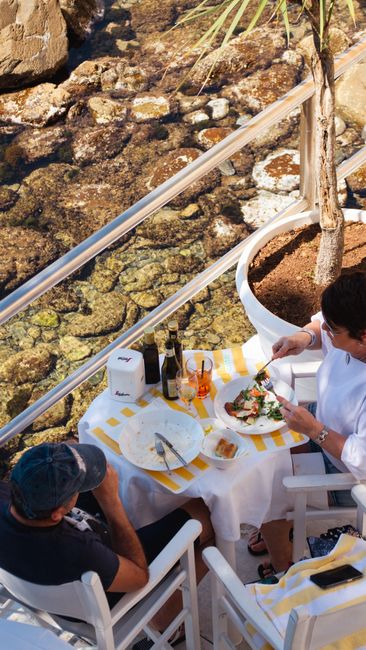
Scilla, famous for its fishermen’s quarter Chianalea — often called the « Venice of the South » — is a must for seafood lovers and anyone craving a maritime atmosphere. Start with a stroll through Chianalea along the houses that rise from the water’s edge. For seafood in an extraordinary setting, book a table at Ristorante Il Delfino, Via Chianalea, 19, 89058 Scilla RC, Italy. Hours: 12:30–15:00 / 19:00–23:00. Signature dish: fritto misto di mare (mixed fried seafood) for €15–€20. The restaurant also offers tasting menus (4 courses) from about €35 per person.
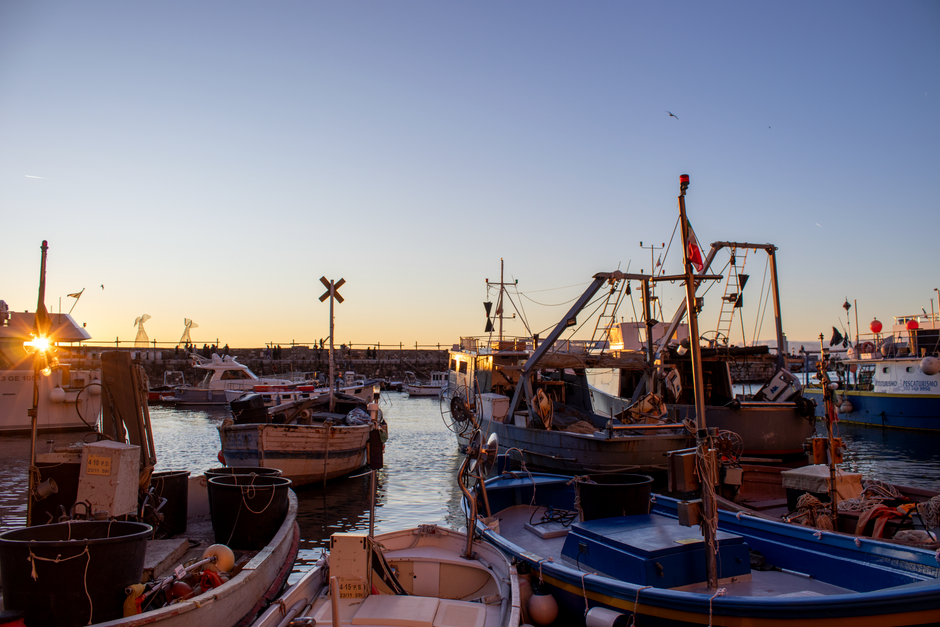
For a casual lunch, try Taverna dei Pescatori (address: Via Marconi, 4, 89058 Scilla RC, Italy), open from 11:00 to 22:00. Dish of the day (depending on catch): brodetto di pesce (fish stew) at €12–€16. If you want to bring back edible souvenirs, Agrumi & Sapori di Calabria at Corso Garibaldi, 31, 89058 Scilla RC, Italy sells jams, citrus liqueurs and olive oils: jars of bitter orange jam €4–€6, bottles of bergamot liqueur €12–€20.
Tip: squid and cuttlefish fishing is traditional in Scilla; ask local fishermen near the harbour if they sell fresh catches to take away. Many will sell fresh fish by weight (variable price, typically €8–€18 per kilo). If you enjoy seaside walks, the coastal path to the lighthouse offers perfect viewpoints for food photography at sunset — bring a torch if you’re returning after dark.
4. Gerace and Stilo: Cheese, Cured Meats and Medieval Atmosphere
In Calabria’s inland hills, groves of olive and oak trees hide medieval villages like Gerace and Stilo, where cuisine revolves around land-based produce: sheep’s cheeses, artisanal cured meats and wood-fired bread. In Gerace, start at the Caseificio Sociale di Gerace, Via San Giovanni, 12, 89040 Gerace RC, Italy. Hours: 08:00–12:30 / 15:30–19:00. Recommended cheeses: pecorino stagionato (200 g for about €6–€9), ricotta salata (100 g from €3).
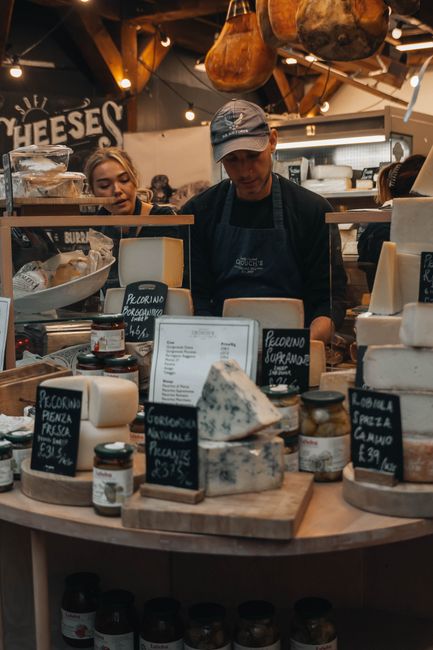
For a rustic lunch, Osteria del Borgo (address: Via Roma, 8, 89040 Gerace RC, Italy) serves traditional dishes like ‘lagane e ceci’ (handmade pasta with chickpeas) for €8–€12 and local charcuterie boards (from €10). Hours: 12:00–15:00 / 19:00–23:00. The town itself, founded in the 8th century, offers cobbled streets perfect for strolling with a plate of cheese on your way to the Norman cathedral.
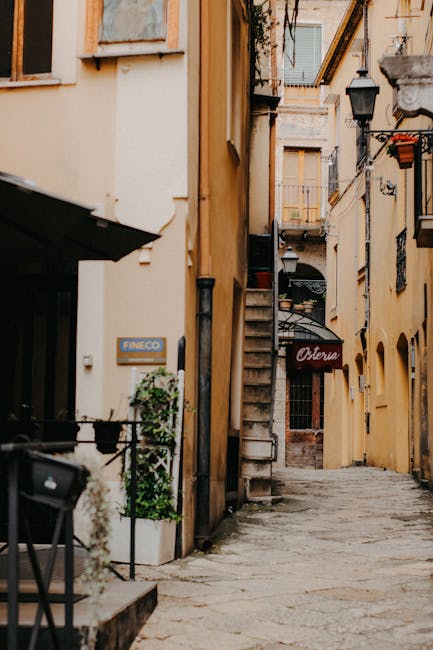
Stilo, not far away, is known for its cheeses and for the nearby Byzantine site Cattolica di Stilo (entrance €2–€4, Piazza Santa Caterina, 24, 89049 Stilo RC, Italy, open 09:00–18:00). In Stilo, the bakery Forno di Stilo (Via Cattedrale, 3, 89049 Stilo RC, Italy) sells cunsatu bread (a traditional filled bread) from €3–€5 and local brioche. For cured meats to take away, Salumi Antichi (address: Corso Umberto I, 10, 89049 Stilo RC, Italy) offers salamis and artisanal ‘nduja: dried salami 200 g €5–€8, ‘nduja (180 g tube) €5–€7. Hours: 08:00–13:00 / 16:00–20:00.
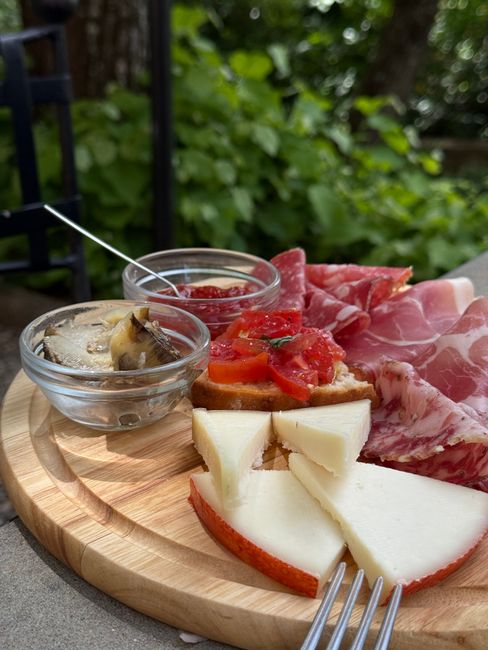
Local tip: to enjoy the products in context, buy a cunsatu sandwich and a small portion of ricotta salata, then sit on a bench at sunset near the cathedral — a simple, authentic experience. If you’re visiting off-season, call ahead to check the hours of small osterie which may close some days of the week.
5. Morano Calabro, Civita and Bova: Mountains, Arbërëshë Traditions and Farmer Markets
Far from the sea, the perched villages of the Sila and Pollino regions offer mountain cuisine: slow-cooked meats, aged cheeses, honey and preserves. Morano Calabro (main address: Piazza Municipio, 87016 Morano Calabro CS, Italy) is a medieval village with narrow lanes where the table reflects rural generosity. The weekly market (usually Saturday morning, 08:00–13:00) sells artisanal honey (250 g €4–€6), homemade jams (€3–€5) and mountain vegetables at low prices.
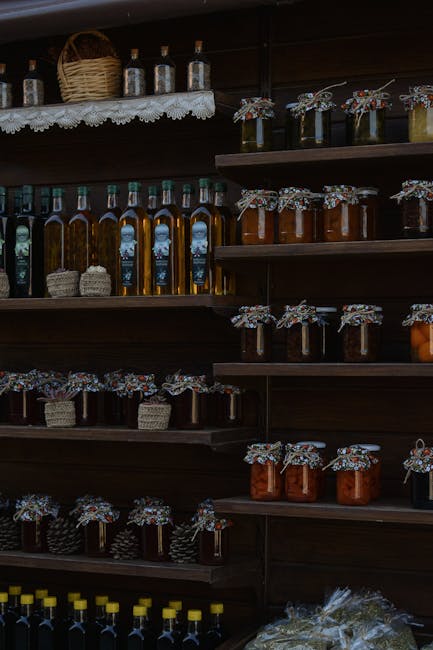
Civita and Bova, villages with a strong Arbërëshë (Albanian) influence dating back centuries, offer unique specialties. In Civita, Trattoria Arbërëshë La Tradizione (Via San Domenico, 5, 87010 Civita CS, Italy) serves dishes such as polpette di pane (bread meatballs) and stuffed breads: dishes €8–€12. Hours: 12:00–14:30 / 19:00–22:00. In Bova, visit the small dairy Caseificio Bova (Via Municipio, 2, 89033 Bova RC, Italy), open 08:00–13:00 / 15:30–19:00, for aged sheep cheeses (200 g from about €7).
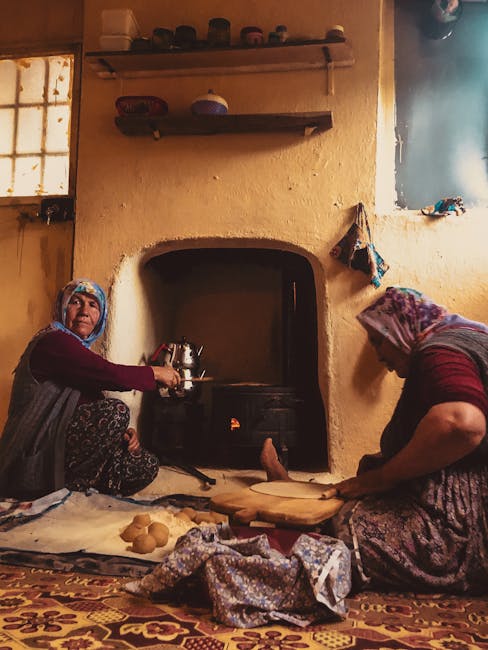
Mountain menus often include dishes like pasta con sugo di capra (pasta with goat ragout) or pork stews with root vegetables. Expect a full meal in a mountain trattoria to cost roughly €15 to €25 per person. Buying tip: bring reusable bags and, if you purchase fresh products (cheeses, cured meats), ask for vacuum packing if you plan to travel several days.
6. Routes and Practical Tips for a Successful Gourmet Walk
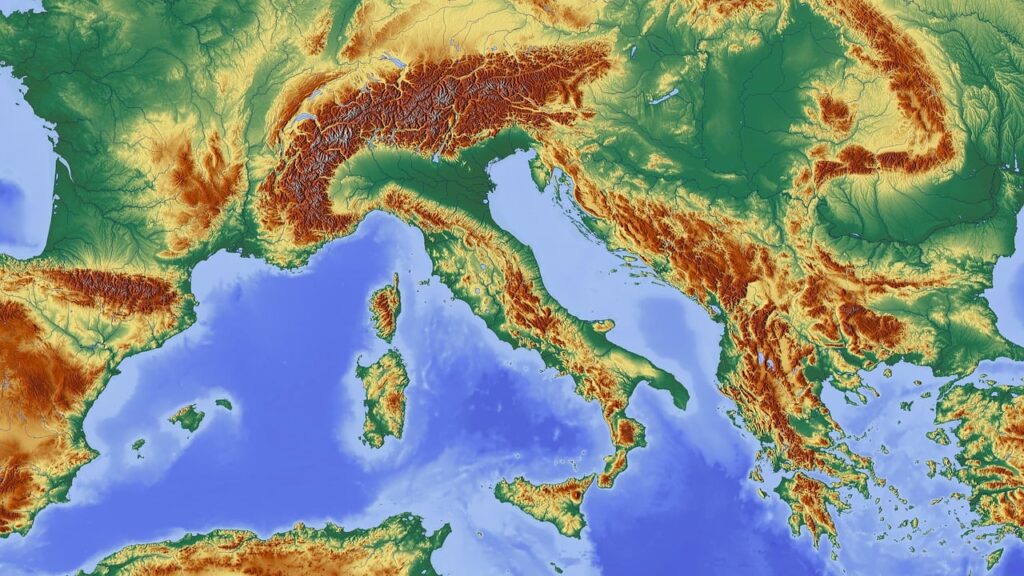
To get the most out of a gourmet walk in Calabria, plan around local opening hours, the season and transport options. Calabrian villages are often best explored on foot: comfortable shoes and a reusable water bottle are essential. Here’s a suggested one-week route: start on the Tyrrhenian coast with Tropea and Pizzo —> head down to Scilla for seafood —> climb inland to Gerace and Stilo for cheeses and cured meats —> cross to Morano Calabro and Civita for mountain markets. Each stop can be done in 1 to 2 days depending on your pace.
Hours to know: most local markets open early (07:00–13:00) while restaurants close in the early afternoon and reopen for dinner from around 19:00. Many small shops and osterie close one day a week (often Monday or Wednesday). For payments, carry cash: in villages some businesses only accept cash or set a minimum for card payments (often €10–€20). Tip: always check portion sizes; in Italy, antipasti and shared plates are common and let you taste more without spending much. Budget estimate: for a gourmet day (breakfast, market, trattoria lunch, gelato, food souvenirs) plan on €35–€60 per person.
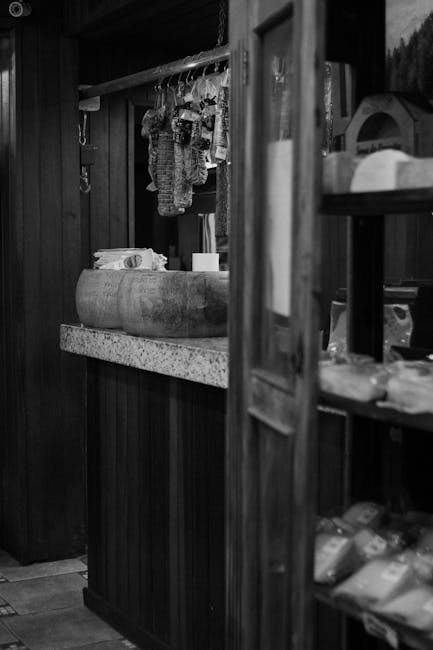
Storage tips: if you bring back products like cheese or ‘nduja, store them in a portable cooler if you’re travelling for several days and refrigerate as soon as possible. For farm or dairy visits, call ahead: many organise small tours and tastings by appointment (often €10–€20 per person for a guided tasting). And respect religious and local schedules: some places close during local festivals and religious celebrations can cause unexpected closures.
Conclusion — Tasting Calabria: An Experience Between Sea and Mountains
Gourmet walks through Calabria’s picturesque villages offer a full immersion into a lesser-known Italy where every product tells a story of terroir and tradition. From Tropea and Scilla’s seafood to the hilltop cheeses and cured meats of Gerace, Morano and Bova, and the sweets like Pizzo’s tartufo, Calabria marries simplicity, generosity and bold flavours. This guide has given you precise addresses (full name and address), indicative opening hours and price ranges in euros to help you plan your trip without surprises. Remember: in these villages, the best table is not always the most formal one — often a small family osteria, the neighbourhood bakery or a street vendor offers the most authentic products.
Before you go, always check opening hours and availability, especially out of season, and don’t hesitate to call to reserve. Bring cash for small purchases, favour morning markets for freshness and take the time to chat with shopkeepers: they’re the ones who share the best recommendations and recipes. Above all, give in to Calabria’s leisurely pace — an aperitivo at sunset, a digestive stroll along a coastal road, an impromptu cheese tasting on an ancient bench — all turn a meal into a lasting memory.
Calabria is a region of contrasts, where sea and mountains intertwine to create a rich and varied flavour palette. Your gourmet walks will be all the more memorable if you take the time to wander, listen and taste. Buon viaggio e buon appetito — and above all, savour every bite as a discovery.