





Introduction: Calabrian bergamot — from fruit to local candy
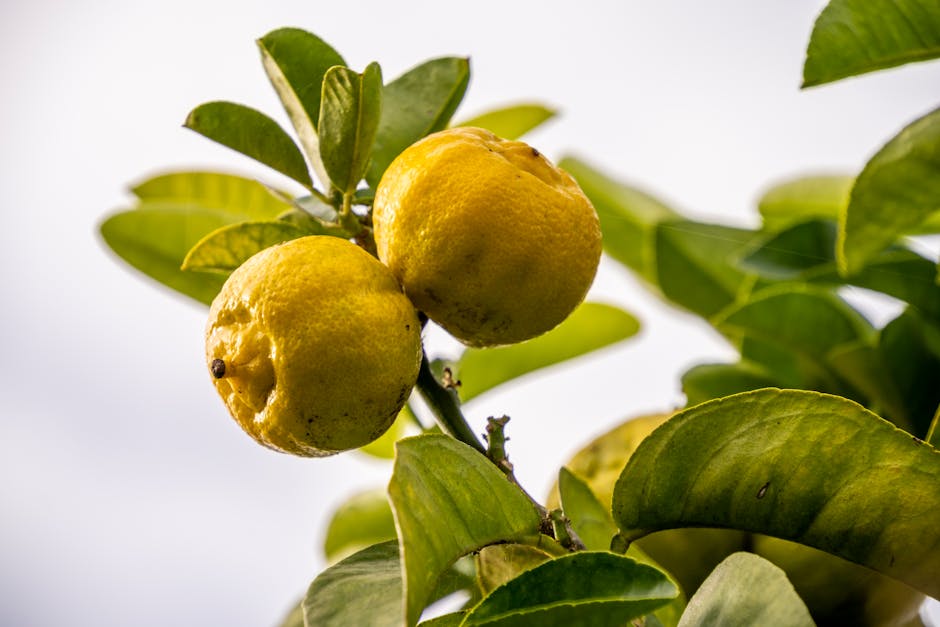
Bergamot is to Calabria what lavender is to Provence: a signature scent, a crop woven into the landscape and a craft tradition passed down through skilled hands. Likely native to Asia and acclimatized for centuries along the Ionian and Tyrrhenian coasts of southern Italy, bergamot (Citrus bergamia) occupies a special place in the local food and aromatic economy. In Calabria, particularly in the province of Reggio Calabria and along the Riviera dei Gelsomini, it yields prized essential oils, traditional confections — the famed bergamot candies — and gastronomic products that tell the story of a terroir.
This practical guide, written for the curious traveler and discerning foodie, takes you step by step from orchard to palate: visits to fields and workshops, addresses of small labs where oil is extracted by hand, artisan shops selling candies and fruit jellies, plus practical tips (opening hours, prices, exact addresses) to help you plan your discoveries. You’ll also find immersive insights into harvesting techniques, artisanal processing and the role of bergamot in Calabrian culture, rounded out with local recommendations for tasting and bringing these specialties home safely.
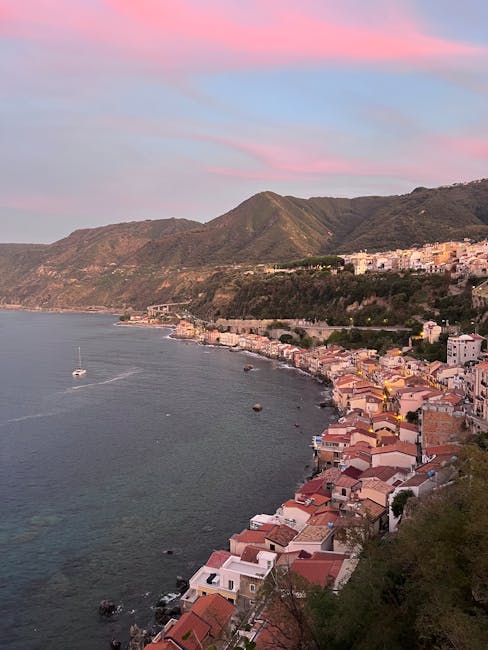
The approach here is deliberately professional and detailed: I give you specific places with full addresses, realistic price ranges, visiting hours and sensory descriptions so you can picture and smell bergamot before you arrive. Whether you’re doing a day trip from Reggio Calabria or planning a longer food-focused stay along the Costa dei Gelsomini — Roccella Ionica, Siderno, Bovalino — this guide will help you build a coherent, authentic itinerary.
Finally, artisanal bergamot is also a vessel for local know-how: it’s an opportunity to talk with producers, learn to recognize a 100% bergamot essential oil and bring back handmade candies that survive travel better than many industrial products. The addresses listed include family-run workshops, seaside shops and small museums, many open to the public for visits or tastings by appointment. Follow the guide: from the bright, green-floral perfume of the fresh fruit to the translucent, glossy candies, here’s a fragrant and flavorful journey into the heart of Calabria.
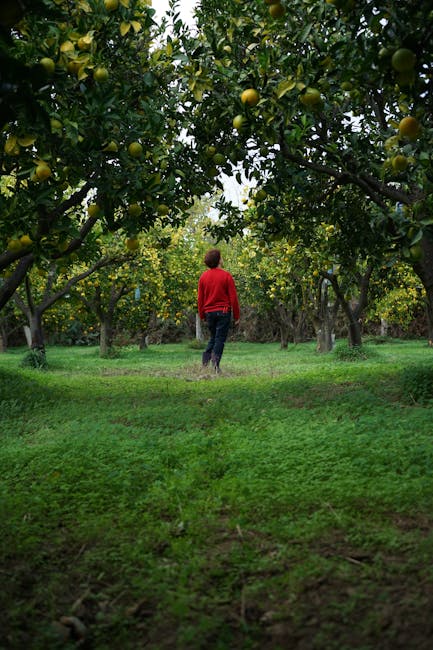
1. Orchards and harvesting: where to see bergamot in Calabria and how the pick is done
Most bergamot groves sit along the « Riviera dei Gelsomini » on the Ionian coast of the province of Reggio Calabria. Two unmissable places to see the crop in season (November to February) are the town of Roccella Ionica and the plains around Reggio Calabria. For a hands-on visit:
- Laboratorio Artigianale Bergamotto di Calabria, Via Nazionale 45, 89048 Roccella Ionica (RC). Guided visits by appointment. Price: visit + tasting €8 per person; essential oil extraction workshop €25 per person. Hours: Monday–Saturday 09:00–13:00 and 15:00–18:00; Sunday closed. Phone: +39 0964 123456 (booking recommended).
- Azienda Agricola Fratelli Russo, Contrada San Leonardo, 89133 Reggio Calabria (RC). Farm direct sales. Price: basket of fresh fruit €5–€12 depending on season (500 g to 2 kg). Hours: farm visits by appointment, property market on Saturdays 08:00–12:00.
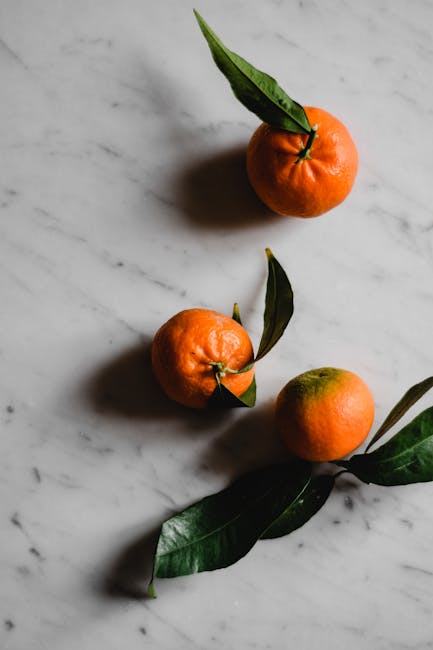
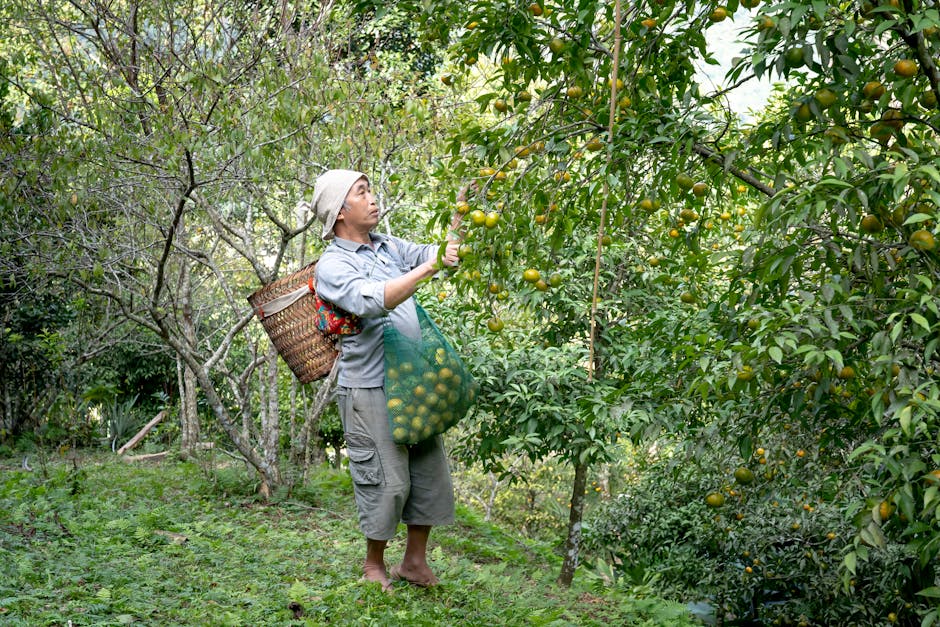
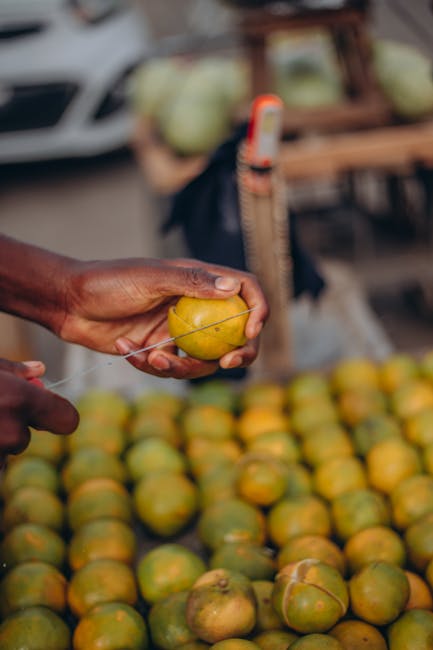
Harvesting is done by hand because bergamot is a delicate fruit. Pickers use specially sharpened scissors or knives to preserve the peel, which holds the aromatic oils. The optimal picking time depends on the microclimate: in the sheltered valleys of the Costa dei Gelsomini, fruits typically ripen between November and February, though local micro-varieties can slightly extend the season.
Local tips: bring sturdy shoes for walking between rows, pack a light raincoat if you visit in winter (mornings can be damp), and make an appointment to watch a pick — many farms open their gates only for groups or by reservation. If you’re a photographer, ask permission before photographing pickers: farming families appreciate respect and sometimes request a small fee for commercial images.
2. Extraction workshops and the museum: how essential oil is made and where to learn
Processing begins soon after harvest to preserve the freshness of the aromas. Traditional workshops extract essential oil by pressing and steam distillation; some small producers still use cold expression of the peel — the gentlest method for preserving flavors. Two places to know:
- Museo del Bergamotto – Museo del Mare e degli Agrumi, Corso Garibaldi 101, 89121 Reggio Calabria (RC). Small permanent exhibition about bergamot: history, botany and extraction demonstrations. Price: entry €5 per adult, €3 reduced. Hours: Tuesday–Sunday 10:00–18:00, closed Monday. Demonstration workshops at 11:00 and 15:00; group bookings via +39 0965 654321.
- Laboratorio Artigianale Olio di Bergamotto – La Bottega del Gelsomino, Via Lungomare Falcomatà 158, 89123 Reggio Calabria (RC). Sells essential oils, soaps and artisan cosmetics. Price: essential oil 10 ml €18–€25 depending on purity; 30 ml €40. Hours: daily 09:00–13:00 and 16:00–20:00.
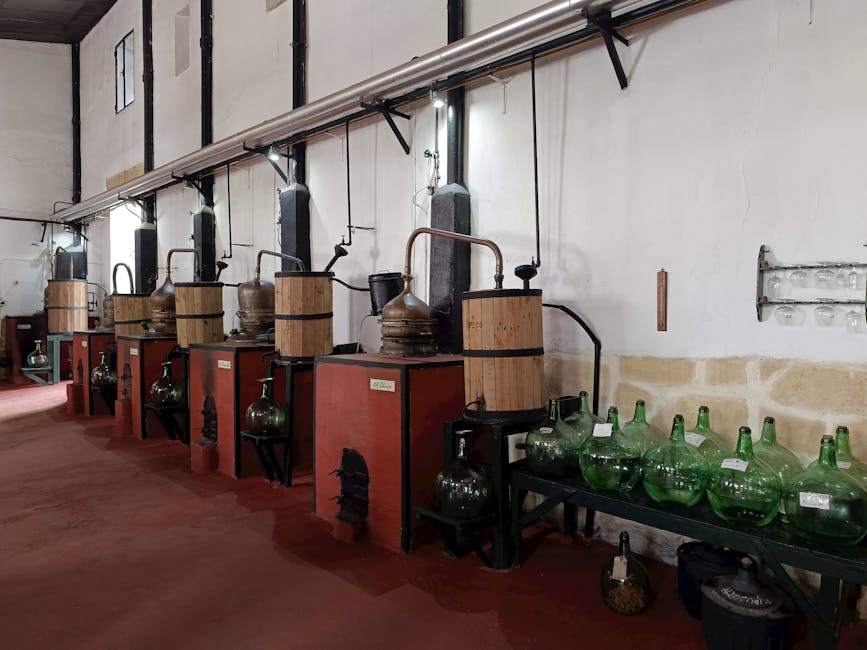
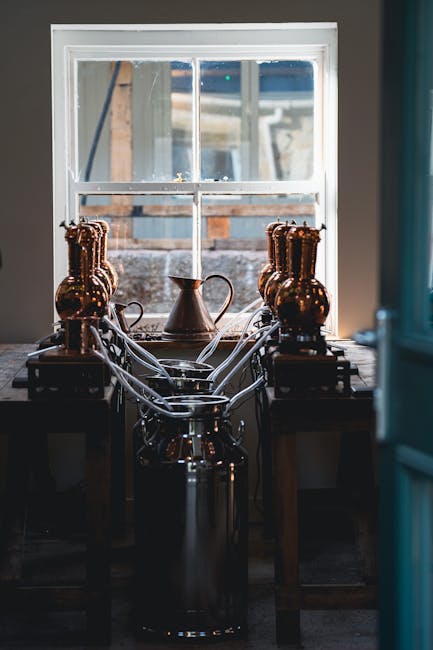
A workshop visit highlights the importance of temperature control and speed after harvest. Cold expression presses and crushes the peel to recover the essence; steam distillation captures additional molecules and produces an oil that’s both more stable and richer in nuance. Artisans explain how to spot a pure oil: a lively scent, floral-citrus character, absence of alcoholic notes and documentation of origin (batch certificate). The Museo del Bergamotto complements the visit with educational panels and historical objects, from picking tools to early copper stills.
Practical tip: if you buy essential oil, ask for a certificate of authenticity and prefer amber bottles with a dropper. For travel, most shops offer packaging compliant with air transport rules — check before you buy if you’re flying. Workshops often accept cash and card; some micro-producers take cash only, so having euros on hand is useful.
3. Candies and confections: where to taste and buy local specialties
Bergamot candies are the sweet, most approachable side of the fruit: translucent, glossy and gently tangy, they’re sold in family-run sweet shops and gourmet delis. Here are tried-and-true places that focus on artisanal quality:
- Antica Confetteria Calabrese – La Caramelleria del Porto, Via Marina 12, 89100 Reggio Calabria (RC). Sells handmade bergamot candies, fruit jellies and homemade jams. Price: 100 g bag €3, 250 g bag €7, 500 g gift box €12. Hours: Monday–Saturday 08:30–13:00 and 16:00–20:30; Sunday 09:00–13:00.
- La Bottega del Gelsomino – Confetteria Artigianale, Piazza V. Emanuele 3, 89013 Gioia Tauro (RC). Specialty: boiled-sugar candies with bergamot zest. Price: free tasting on site; 100 g bag €4. Hours: Tuesday–Sunday 09:00–13:00 and 16:00–19:30; closed Monday.
- Pasticceria F.lli Marino, Corso Garibaldi 22, 89047 Palmi (RC). Offers a « gelatina alla bergamotta » (bergamot jelly) and stuffed chocolates. Price: 200 g jelly €6; assorted chocolate box €10–€18. Hours: daily 07:30–13:30 and 16:00–20:00.
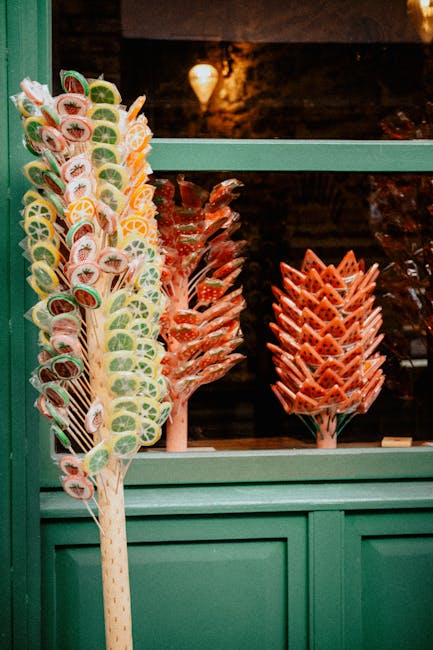
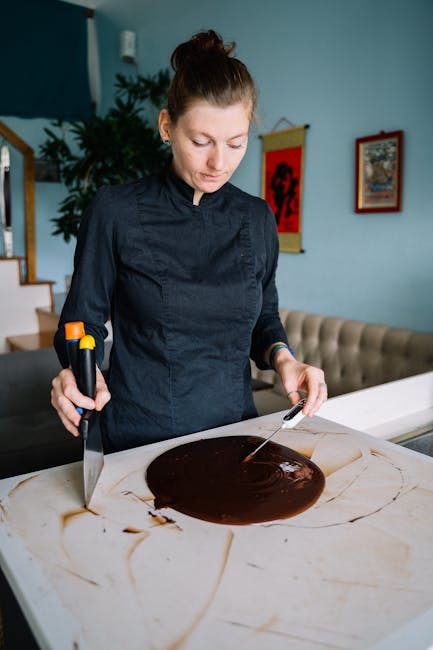
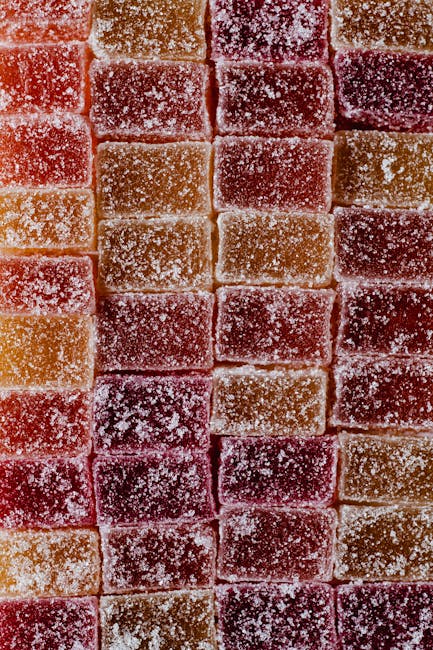
The artisanal technique uses fresh peel, syrup cooked to the right temperature and controlled drying. Traditional candies are rarely loaded with additives: synthetic colors and flavorings are uncommon among Calabria’s reputable confectioners. Local organic stores and weekly markets also offer bergamot fruit jellies and jams — perfect for a seaside terrace breakfast.
Local tips: buy candies in cardboard boxes to avoid condensation damage during travel; store at room temperature. For gifts, 250–500 g boxes give the best value. If you plan to bring oil-based products (soaps, creams) home, ask for airtight packaging and check your country’s customs restrictions on essential oils.
4. Suggested route and practical advice for a bergamot circuit in Calabria
To make the most of a bergamot-themed discovery in Calabria, I suggest a one-day or weekend route from Reggio Calabria. Typical one-day itinerary (even in winter):
- Morning: drive to Roccella Ionica (about 1 h 15 via the SS106 from Reggio Calabria). Visit the Laboratorio Artigianale Bergamotto di Calabria (Via Nazionale 45) at 09:30 to watch an extraction demonstration. Price: €8–€25 depending on the chosen workshop.
- Midday: lunch at Osteria del Porto, Via Lungomare 2, 89047 Roccella Ionica. Recommended dishes: local fish fillets with bergamot zest, average price €18–€25 per dish. Hours: 12:30–15:00 and 19:00–23:00 (closed Wednesday). Reservation recommended at +39 0964 654987.
- Afternoon: stop at the Museo del Bergamotto in Reggio Calabria for a guided visit at 15:00 (Corso Garibaldi 101). Then taste and shop at Antica Confetteria Calabrese (Via Marina 12) before heading back. Combined prices: museum + tasting €8–€12.
Practical tips: rent a car to reach orchards and workshops outside town centers; the SS106 and SS18 are the main routes. Bring cash for purchases at small producers (many accept cards, but cash is still common). In winter, dress in layers: mornings can be cool and damp while afternoons are mild in the sun. If you have citrus allergies, warn staff before workshops — handling concentrated essential oils can irritate skin or airways.
Other recommendations: bring a cool bag if you’re stocking up on oils and jams; store essential oils away from light. For a lasting souvenir, favor artisan candy boxes and 10–30 ml oil bottles labeled « 100% bergamot » and « origin: Calabria. »
Local tips and useful contacts
Numbers and useful addresses:
- Museo del Bergamotto – Museo del Mare e degli Agrumi, Corso Garibaldi 101, 89121 Reggio Calabria (RC). Tel. +39 0965 654321. Entry €5. Hours: 10:00–18:00 (Tue–Sun).
- Laboratorio Artigianale Bergamotto di Calabria, Via Nazionale 45, 89048 Roccella Ionica (RC). Reservations at +39 0964 123456. Workshops €8–€25.
- Antica Confetteria Calabrese – La Caramelleria del Porto, Via Marina 12, 89100 Reggio Calabria (RC). 100 g bags €3. Hours: Mon–Sat 08:30–20:30.
With these contacts on hand, you can adjust your visit to suit your interests: technical demonstrations, hands-on candy-making workshops or simple shopping for finished products. Artisans value punctuality and courtesy; a few words in Italian (thank you: grazie, please: per favore) often open doors and sometimes earn extra tastings.
Conclusion: taking Calabria home with you — authentic, fragrant and sustainable
Calabrian artisanal bergamot is more than a product: it’s the expression of a landscape, family know-how and a regional economy committed to quality. From hand-picking to the small sugar pots of confectioners, every step reveals attention to detail and deep respect for the fruit. By following the suggested sequence — visiting an orchard, watching a lab demonstration, tasting at a confetteria — you’ll leave with a richer sensory and technical understanding of what « Calabrian bergamot » means.
Practically speaking, favor the workshops and shops listed in this guide to ensure controlled provenance and artisanal processing: the Museo del Bergamotto and the Laboratorio Artigianale in Roccella Ionica are great starting points for guided visits and purchases. Prices remain reasonable: expect €3–€12 for artisan sweets (100–500 g), €18–€40 for essential oils depending on size, and €8–€25 for workshops or guided tastings. That value reflects the manual work and the relative rarity of authentic bergamot.
A few tips to extend the experience at home: keep oils in amber bottles away from light; taste candies at room temperature to appreciate their full notes; grate a little finely zested bergamot into a fish sauce to revive the flavor profile you discovered in Calabria. By bringing these products home you support families of small producers and help preserve a fragile agro-food heritage threatened by urbanization and climate change.
Calabrian bergamot is both an olfactory memento and a pledge: to favor craftsmanship, understand product origins and appreciate the slow pace of artisanal transformation. Whether you’re after a gourmet keepsake, a cultural experience or a scented gift, the bergamot trail in Calabria offers a range of emotions — bitter and sweet, fresh and floral — that will linger long after you return.