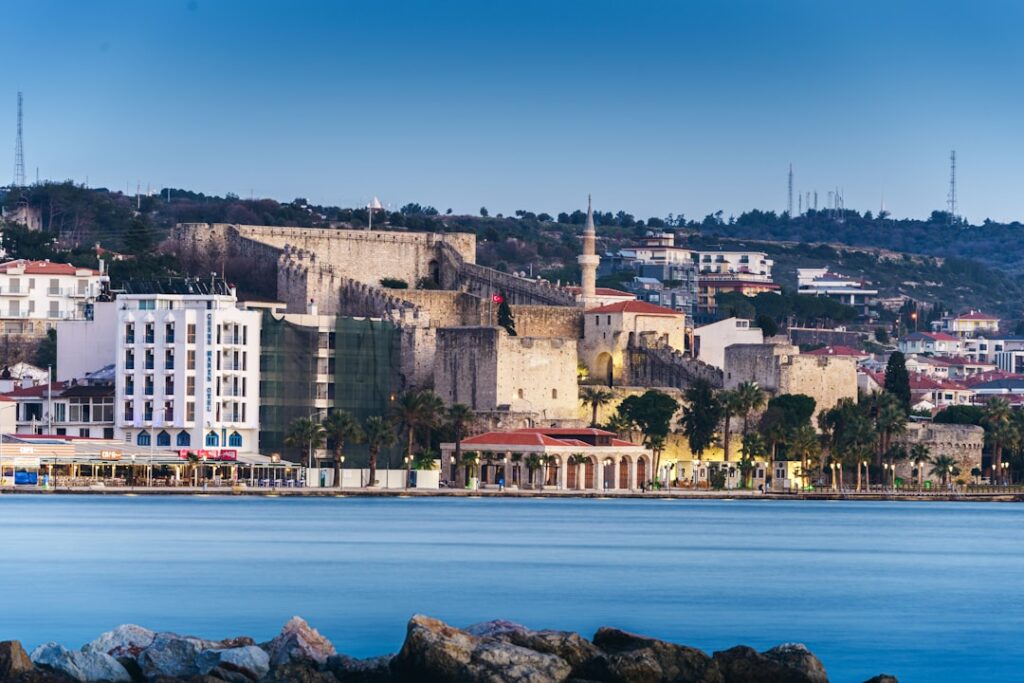






Introduction — Third Shore: Idyllic Coastal Villages of Calabria to Discover
Calabria, the southern cap of Italy’s boot, is a land where the Ionian and Tyrrhenian seas carve wild coastlines, sheer cliffs and crystal-blue beaches. Off the main tourist routes, Calabria’s “third shore” reveals a string of postcard-perfect fishing villages: brightly painted houses gathered around tiny cobbled squares, narrow lanes scented with basil and fried fish that mingle with the salty air, and sea views that beg you to pause and stare. This article is an invitation to explore those coastal gems — from Tropea to Scilla, with stops in Pizzo, Capo Vaticano and a few lesser-known pearls — featuring exact addresses, opening hours, prices, practical tips and immersive descriptions to help you plan the best trip.
We’ll go beyond clichés: each village is presented with its emblematic sights — churches, castles, coves — and precise location details so you can find them easily. You’ll also get practical info (opening hours, ticket prices in euros, access by car or public transport), plus local recommendations (best beaches, authentic restaurants, markets to buy Calabrian olive oil or ground chili). The goal is to turn your visit into a sensory experience: feeling sun-warmed stone underfoot, hearing market songs, savoring a tartufo gelato in the shade of a terrace, or cruising a turquoise bay at sunset.
Whether you’re planning a slow road trip along the A2, a beach-focused stay hopping between a few towns, or a more cultural exploration with coastal hikes, this guide will equip you. By the end you’ll have a mental map of must-see places and pragmatic tips to make the most of your days: when to visit to avoid crowds, where to park, which footpaths to favor, and which local dishes you can’t miss. Pack walking shoes, your swimsuit and a healthy appetite: Calabria’s third shore awaits with its colors, flavors and centuries-old stories.
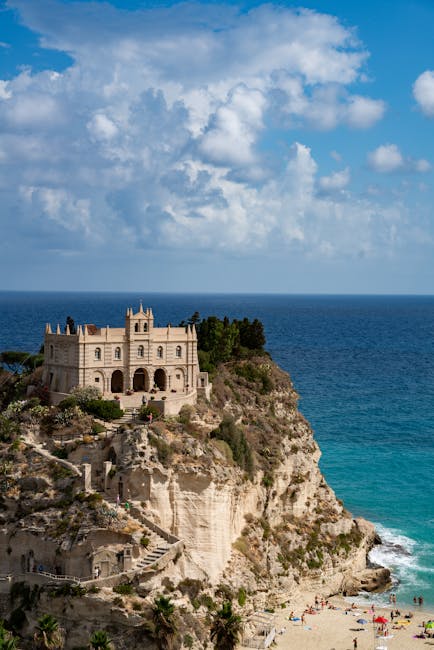
Tropea and the Santuario di Santa Maria dell’Isola — the coast’s iconic image
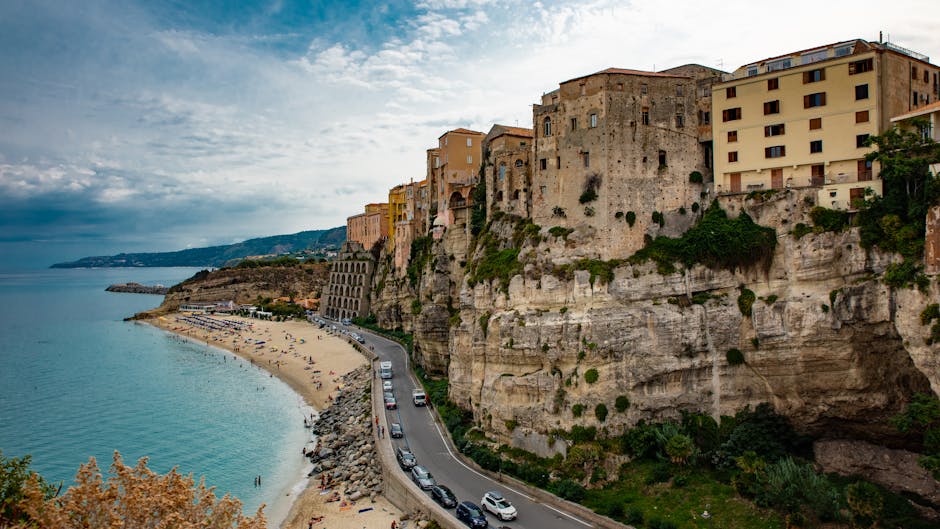
Tropea is often the first stop for anyone exploring Calabria’s Tyrrhenian coast. Perched on a tuff cliff, the town offers sweeping views over the Gulf of Sant’Eufemia and a compact, picture-perfect historic center. The monument that best symbolizes Tropea is undoubtedly the Santuario di Santa Maria dell’Isola, a medieval chapel set on a lone rock just a few dozen meters above the beach.
Santuario di Santa Maria dell’Isola
Address: Piazzetta Santa Maria, 89861 Tropea VV, Italy. Opening hours: open daily 09:00–19:30 (summer hours; check locally in low season). Price: free to visit the church; guided visits of the islet sometimes offered with a voluntary contribution (around €3–5 depending on season). Description: the church provides spectacular panoramas over the Tyrrhenian Sea and Tropea’s cliffs. You reach the promontory via a steep path and several built viewpoints. Inside, decoration is simple but the atmosphere feels serene — sunrise and sunset are special moments when golden light warms the tuff walls.
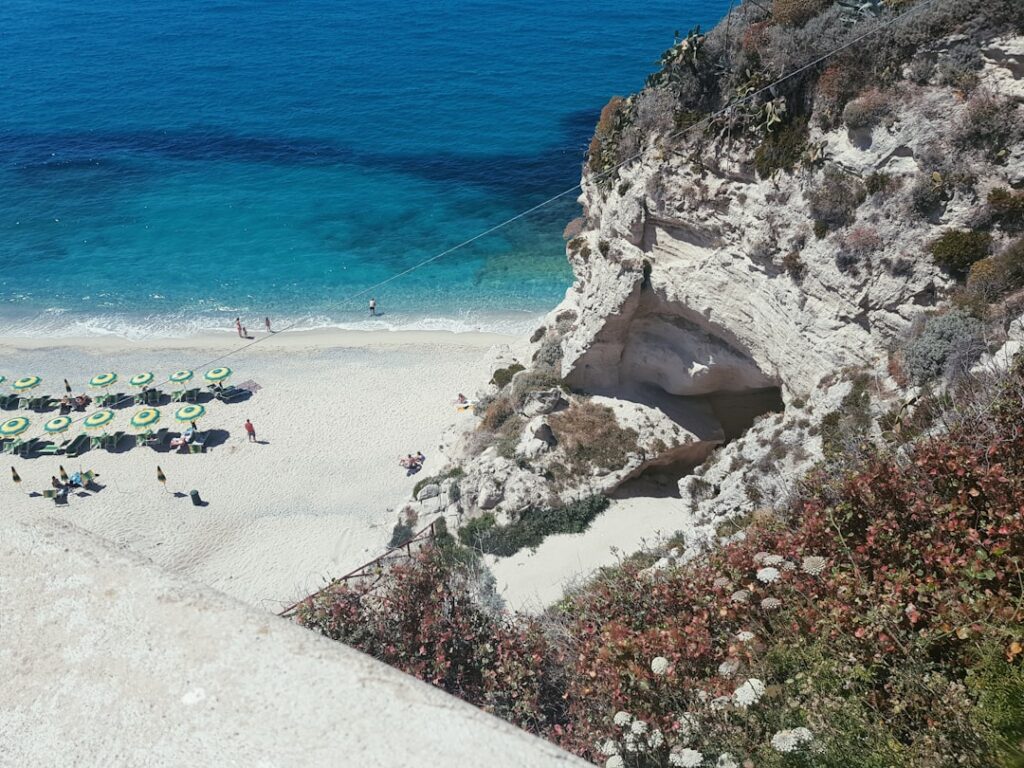
Practical tips: arrive early (before 10:00) in high season to beat the crowds, and wear comfortable shoes for the stairs up to the viewpoints. The nearest public car park is Parcheggio Porto, Via Lungomare, 89861 Tropea (paid parking about €1.50–2.50/hour). After your visit, head down to Spiaggia della Rotonda or Spiaggia del Convento for a swim; the most central beaches are usually free, though private beach clubs (lidos) charge €10–25 per day for sunbeds and umbrellas depending on service level.
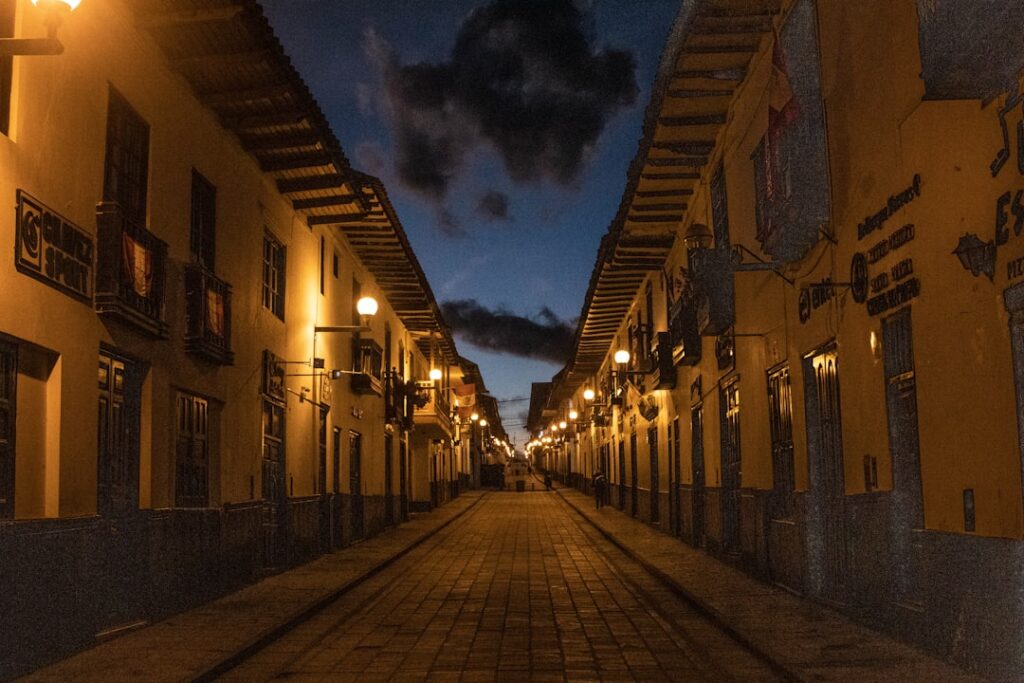
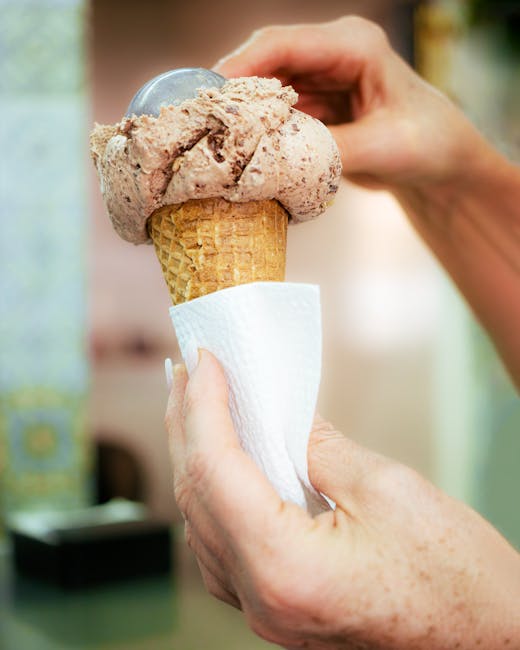
Also explore the historic center (Via Umberto I, Piazza Ercole) for shaded lanes and small cafés. For a traditional meal, Trattoria La Lamia (Via Conforti, 2, 89861 Tropea VV) serves classic dishes — expect €15–25 per person for a full meal excluding drinks. For dessert, don’t miss artisanal gelato and the famous “tartufo di Pizzo,” which, although originating in Pizzo, tastes superb on a Tropea terrace.
Pizzo Calabro: tartufo, Chiesetta di Piedigrotta and Castello Murat
Pizzo Calabro is both picturesque and indulgent, famous for its tartufo — a bomb-shaped artisan gelato — and for surprising monuments carved into or perched on rock outcrops. Two highlights draw visitors: the Chiesetta di Piedigrotta, a chapel sculpted directly into the rock, and Castello Murat, a fortress offering views and exhibitions.
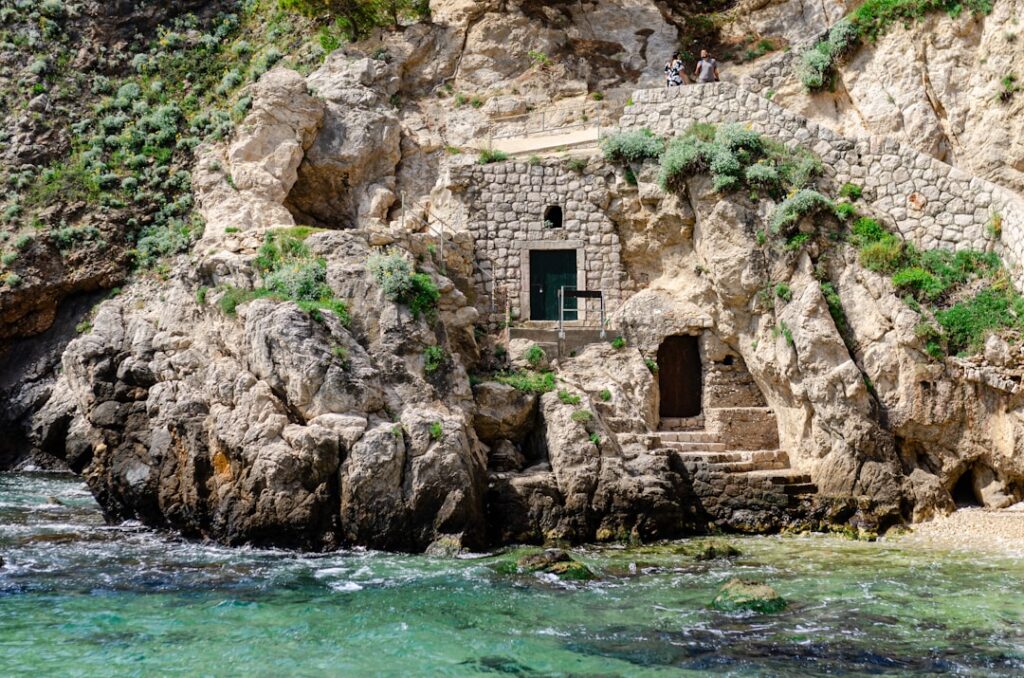
Chiesetta di Piedigrotta
Address: Via Tonnara, 89812 Pizzo VV, Italy. Opening hours: generally open 09:00–18:00 in summer, times vary off-season; call ahead or check with the local tourist office. Price: free entry, though donations for maintenance are sometimes requested (€1–3). Description: the chapel was carved at the end of the 19th century by fishermen and local artists; it’s decorated with statues, bas-reliefs and marine scenes sculpted in tuff. The coastal setting makes the visit highly photogenic, especially on calm sea days.
Castello Murat
Address: Piazza della Repubblica, 89812 Pizzo VV, Italy (Castello Murat / Museo). Opening hours: usually 10:00–13:00 and 16:00–19:00; closed Mondays (hours may vary). Price: museum ticket €4–6 (reduced €2–3 for students/seniors). Description: the castle, built in the 15th century and modified across eras, now houses a small museum that tells local history and the short captivity of Joachim Murat, who was held in Pizzo before his execution. From the ramparts, the view over the bay and the Tropea coastline is beautiful, especially at sunset.
Practical tips: to taste Pizzo’s famous tartufo, go to Gelateria Bar Dante (Piazza della Repubblica, 89812 Pizzo VV), open 09:00–23:00; tartufo costs about €4–6. Parking: Parcheggio Piazza della Repubblica (free or donation depending on season), but in summer the center can be hard to reach — prefer peripheral lots and walk 10–15 minutes.
Scilla and Chianalea — myths, Castello Ruffo and fisherfolk houses
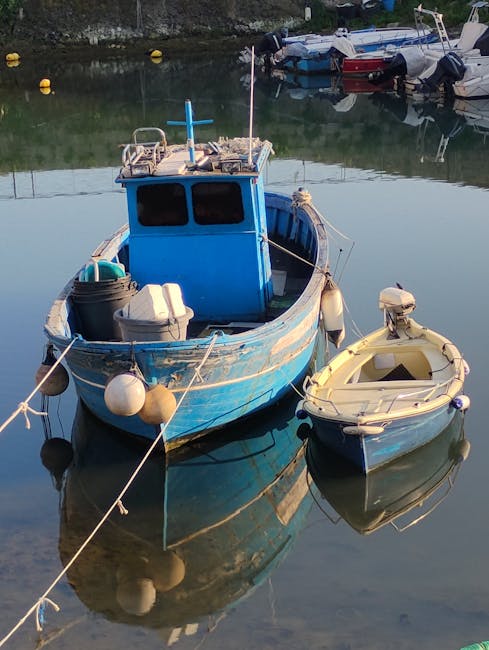
Scilla, located on the northern side of the Strait of Messina, is a legendary town that evokes both the myth of Scylla from the Odyssey and postcard-perfect scenery. The Chianalea quarter, Calabria’s “little Venice,” features houses built right at the water’s edge with boats moored in front of doorways. It’s a place with a strong maritime identity and high photogenic appeal.
Castello Ruffo di Scilla
Address: Via Tommaso Campanella, 1, 89058 Scilla RC, Italy. Opening hours: generally open 09:00–19:00 (times vary by season and cultural events). Price: entrance about €3–5 to access the ramparts; guided tours available by reservation (price varies, roughly €5–10). Description: the castle overlooks the town and offers spectacular views over the Strait of Messina. Medieval architecture, towers and walls invite relaxed walks and photography, with Sicily visible on the horizon on clear days.
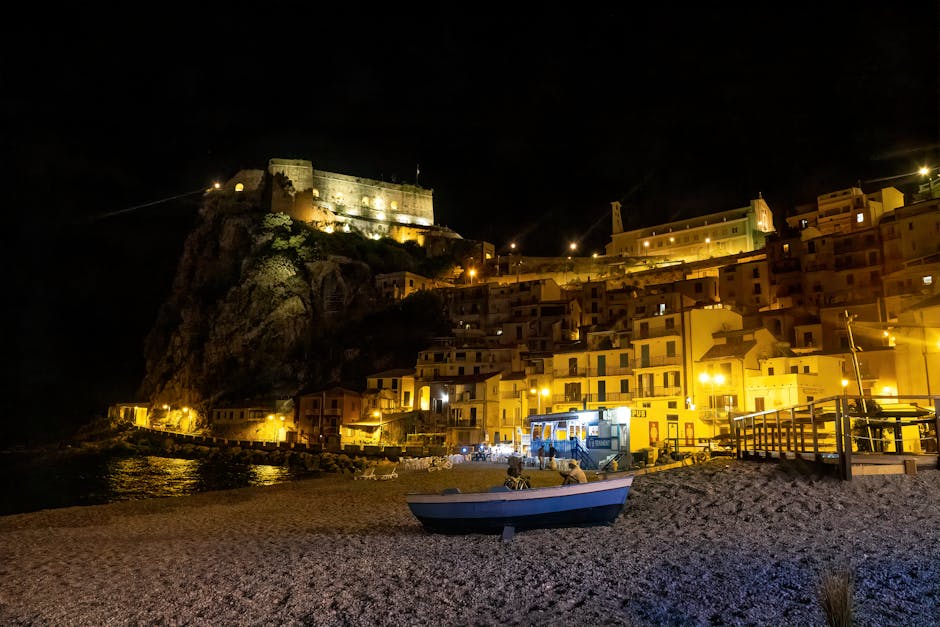
Chianalea: stroll along Via Nazario Sauro and Via Roma, where colorful houses seem to kiss the water. The seafront promenade leads directly to seafood restaurants serving fritto misto and local specialties like stocco alla ghiotta. For an authentic meal, try Ristorante da Giannis (Via Nazario Sauro, 17, 89058 Scilla RC) — fish dishes €12–25 per person, open 12:00–15:00 and 19:00–23:00. Tip: book a sunset table on the terrace for a memorable experience.
Access and parking: Scilla is reachable by train from Reggio Calabria (Scilla station), then a 10–15 minute walk to Chianalea. Public parking is at Parcheggio Santa Maria (Via Santa Maria, 89058 Scilla RC); fees roughly €1–2/hour. Local tip: head up to Belvedere di Scilla early in the morning to avoid tour buses and enjoy soft light on the houses and sea.
Capo Vaticano and Praia a Mare — coves, cliffs and diving
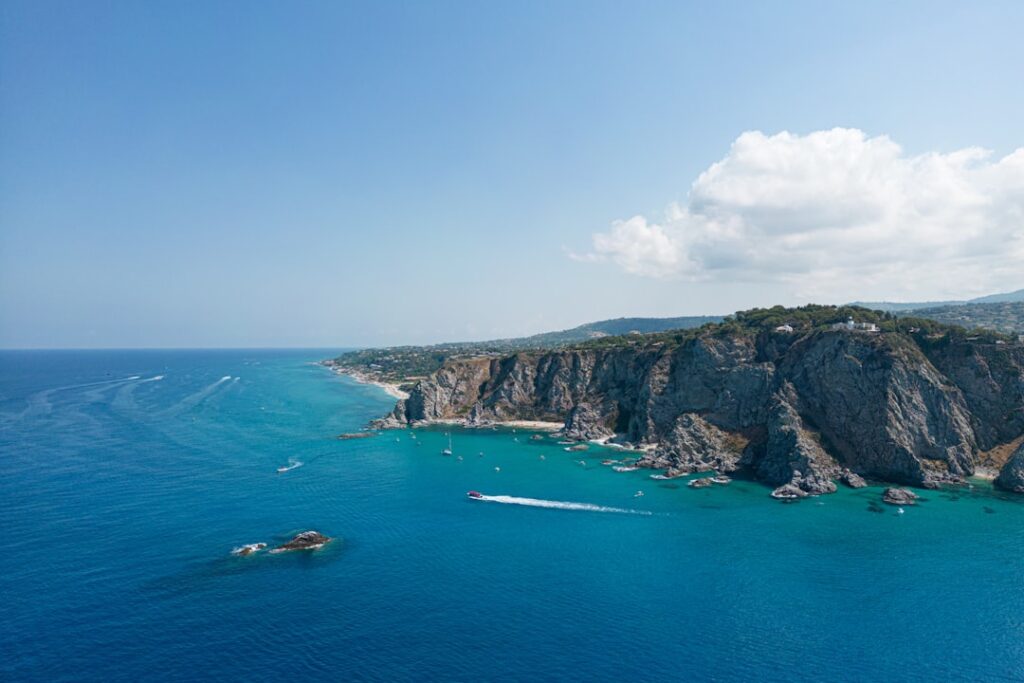
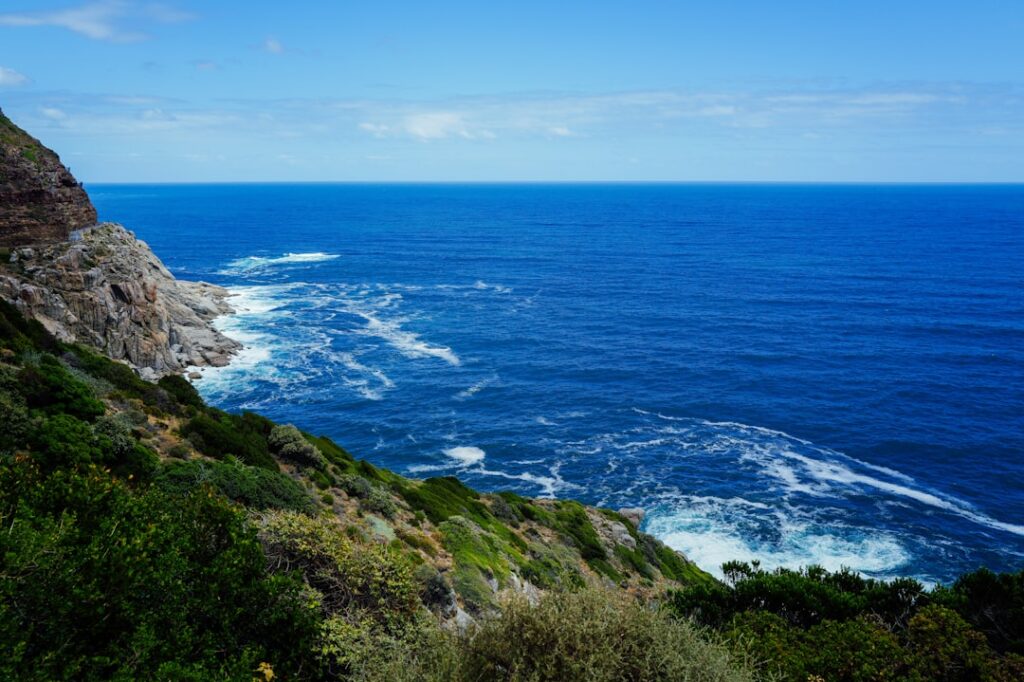
Capo Vaticano, in the municipality of Ricadi, is famed for its rocky headlands and plunging vistas over crystalline coves. Cliffs drop quickly to pebble beaches and small secluded bays ideal for snorkeling. Nearby Praia a Mare and the famed Blue Grotto (Grotta Azzurra / Grotta dei Saraceni depending on the sector) offer complementary marine experiences.
Belvedere and Beaches of Capo Vaticano
Address: Località Capo Vaticano, 89866 Ricadi VV, Italy. Opening hours: access is free 24/7; beach services and lidos typically open 08:00–19:00 in high season. Price: public beaches free; lidos with umbrella + sunbed €10–30/day. Description: viewpoints at Capo Vaticano (Belvedere di Grotticelle) overlook three main coves — Grotticelle, Praia dell’Urco, and Spiaggia di Santa Maria — each showing striking shades of blue. Rocky areas are excellent for snorkeling, with often excellent visibility in summer.
Diving and boat trips: several local operators offer boat tours and guided dives from Marina di Ricadi (Via Marina, 89866 Ricadi VV). Indicative prices: half-day boat trip €20–40 per person, introductory dives €50–80 depending on equipment and duration. Practical tip: bring water shoes to access rocky coves and pack a snorkel mask — renting gear in high season can be expensive or unavailable.
Praia a Mare and the Blue Grotto
Praia a Mare (Piazza dei Fiori, 87028 Praia a Mare CS) is a beach resort with wide-ranging services. The Blue Grotto (Grotta del Romito / Grotta Azzurra depending on location), often reachable by boat tours, lights up dramatically when sunlight strikes the water through cave openings. Price: tours €10–30; access to some caves is regulated and sometimes requires a local guide. Hours: boat trips run morning and afternoon; check operators’ schedules — availability is limited in low season.
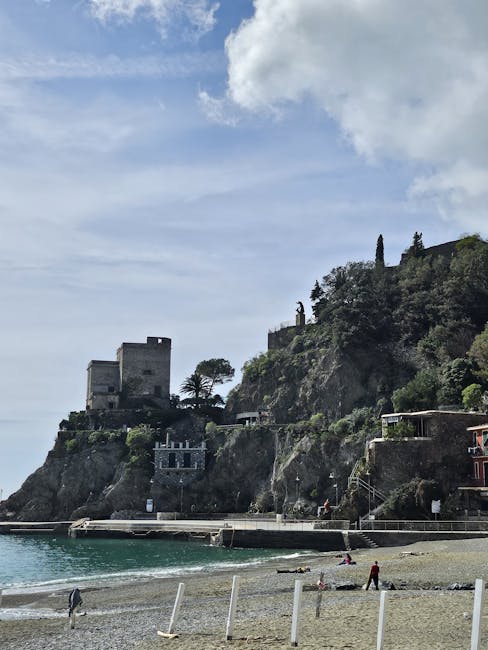
Getting to Capo Vaticano: by car take the SP63 from Ricadi and follow signs for Belvedere Grotticelle. By bus, seasonal lines connect Tropea and Vibo Valentia to Ricadi; check schedules with local companies (Ferrovie della Calabria / regional bus operators). For comfortable stays, several B&Bs and small hotels offer rooms with views, typically €50–120/night depending on season.
Off-the-beaten-path villages and alternative routes — Bova, Gerace and Soverato
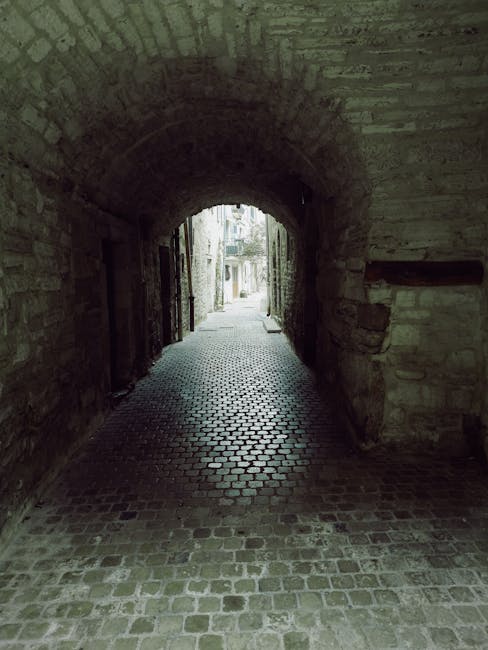
Beyond the well-known spots, Calabria’s coast hides intimate villages where time seems to slow. Bova, Gerace and Soverato combine history, views and traditions. These are ideal stops if you want to dive deeper into authentic Calabria, mixing medieval heritage with less-crowded beaches.
Bova
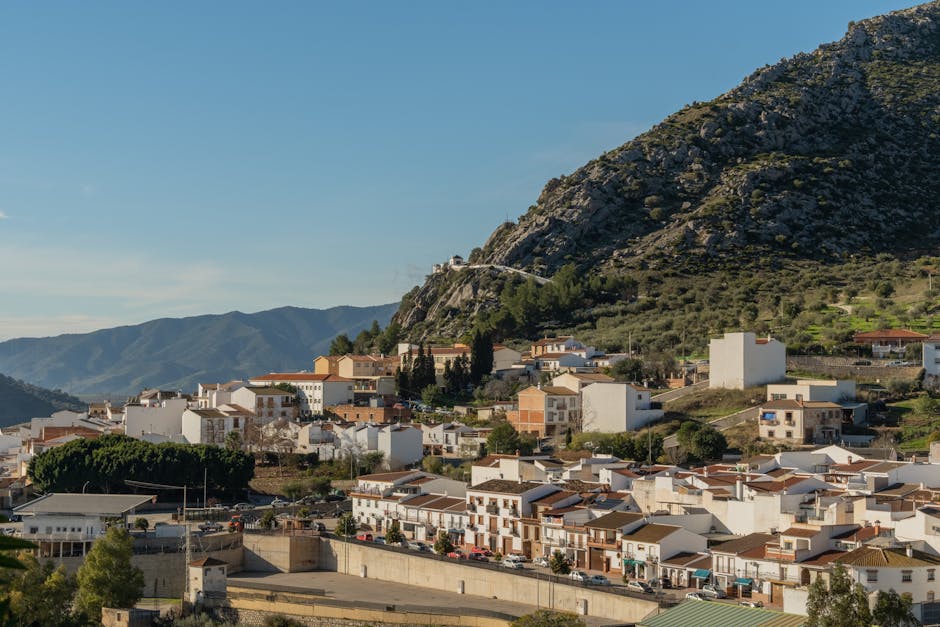
Address: Centro Storico, 89033 Bova RC, Italy. Opening hours: the village is accessible year-round; museums/churches have varying hours (e.g. Museo Diffuso Calabria open 10:00–13:00 / 15:00–18:00). Price: free to wander; museums €3–5. Description: perched on a hill, Bova is one of the historic centers of the Grecìa Calabra, with a language and traditions of Greek origin still alive. Narrow alleys, small squares and the church of Santa Maria Maggiore deliver an authentic taste of rural Calabrian life. Tip: join a guided walk around centuries-old olive groves often organized by the municipal tourist office.
Gerace
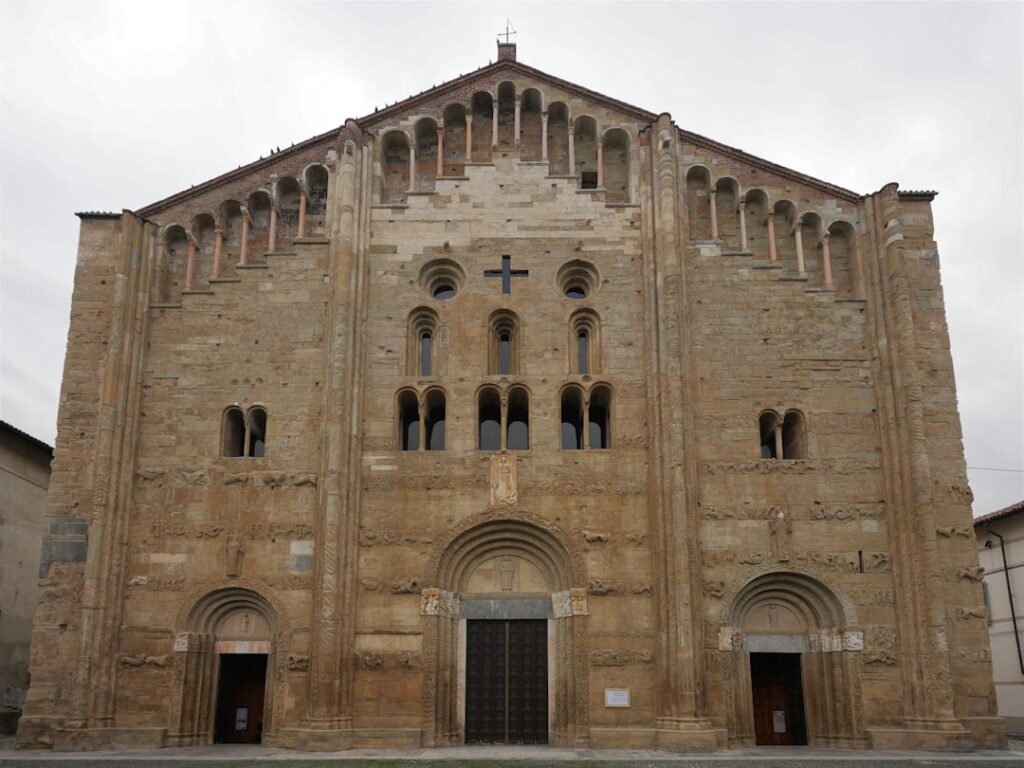
Address: Piazza Duomo, 89831 Gerace RC, Italy (Duomo di Gerace). Duomo hours: generally 09:00–12:00 and 16:00–19:00; check during religious holidays. Price: free entry; donations appreciated for preservation. Description: Gerace is a medieval jewel overlooking the Ionian plain, with a Romanesque-Gothic cathedral (Duomo di Gerace) and many palaces and churches. The walls and viewpoints offer sweeping views over the Ionian Sea, making it a perfect place to combine culture and coastal panoramas.
Soverato
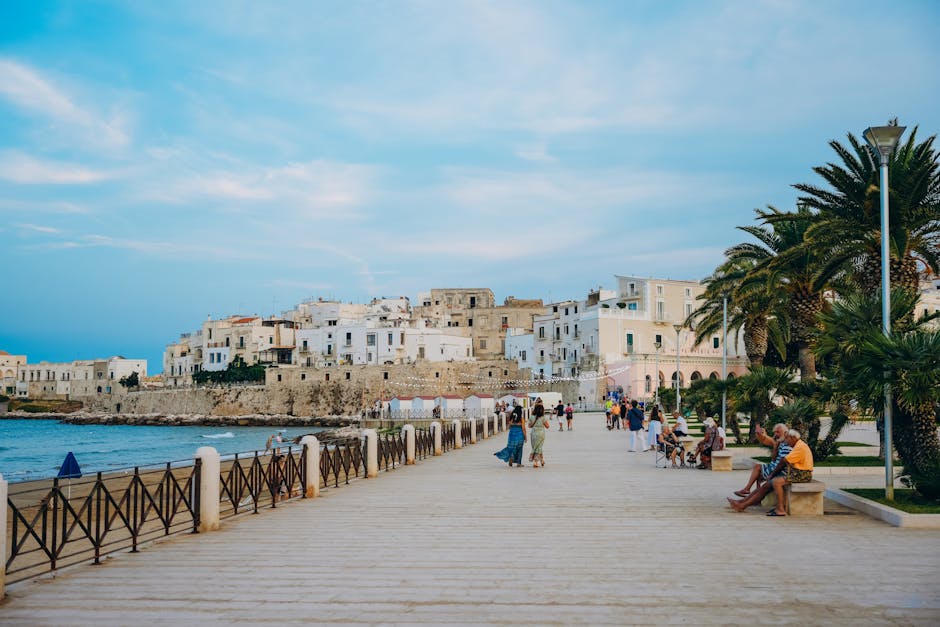
Address: Lungomare Cristoforo Colombo, 88068 Soverato CZ, Italy. Opening hours: the resort buzzes throughout the summer season; beach services 08:00–19:00. Price: public beaches free, lidos €10–25/day. Description: Soverato is loved for its long seaside promenade, cafés and lively summer atmosphere. It’s a great base to explore the Ionian coast and sample local products at the lungomare’s restaurants.
Practical tips for these stops: favor a car to connect these villages (winding but scenic roads); accommodations: agriturismi and B&Bs €40–90/night. Buy local olive oil (often sold at the local Azienda Agricola) and Calabrian peperoncino at municipal markets to bring an authentic taste of Calabria home.
Conclusion — planning your trip along Calabria’s third shore
Calabria’s third shore bundles everything Mediterranean travel promises: rugged coastlines, colorful villages, intense culinary traditions and a modest but rich historical heritage. From Tropea and its Santuario di Santa Maria dell’Isola to Pizzo and its tartufo, from Scilla and Chianalea to Capo Vaticano and its coves, each stop offers a different experience — sometimes contemplative, sometimes culinary, often maritime. Lesser-known spots like Bova, Gerace and Soverato add cultural and rural layers, perfect for travelers who want to extend their discovery beyond the shoreline.
To prepare well, keep these recommendations in mind: favor shoulder months (May–June or September) to avoid summer crowds while still enjoying pleasant weather; rent a car for maximum freedom — coastal roads tempt frequent stops — and book entry tickets or tables at popular restaurants in high season. Bring sturdy shoes for cobbled lanes and paths leading down to coves, and a snorkel mask to fully enjoy the many crystal-clear waters that define so many Calabrian beaches.
On a practical note, note down the addresses mentioned and double-check opening times before you go: many sites follow seasonal hours or close for local festivals. The price ranges given (entrances €1–6, lidos €10–30) provide a daily budget idea but vary by season and level of service. Finally, take time to taste: extra-virgin olive oil, local cheeses, freshly caught fish and the famous Calabrian peperoncino will become lasting culinary souvenirs.
Ultimately, Calabria’s third shore is an invitation to slow down, savor and be surprised. Whether you seek a quiet secluded cove, the friendly bustle of a small port, or the thrill of a sunset over a bell tower, the Calabrian coast delivers memorable moments. Bring a map, an open curiosity and a willingness to chat with locals — they’ll often share secret tips and the best anecdotes to turn your stay into a true immersion in Calabria’s soul.