





Introduction
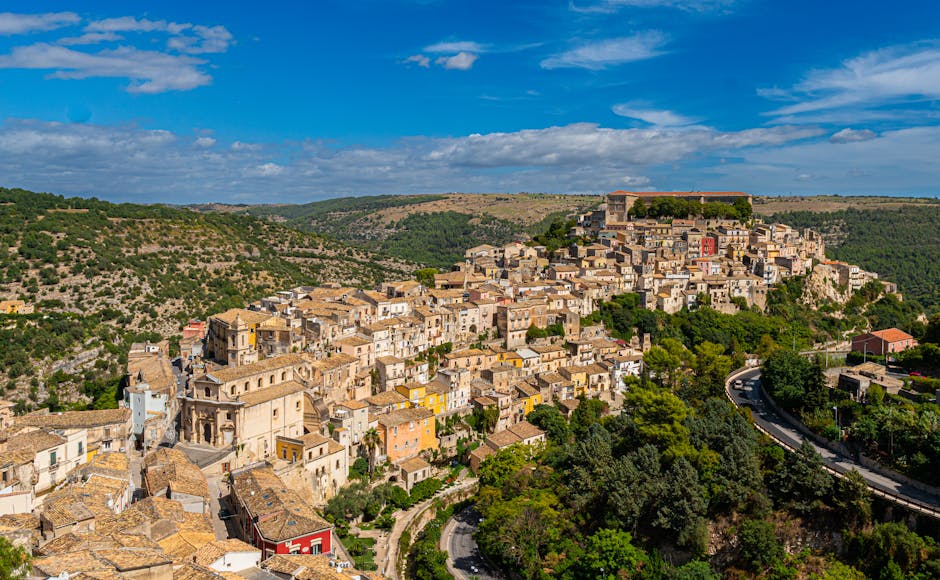
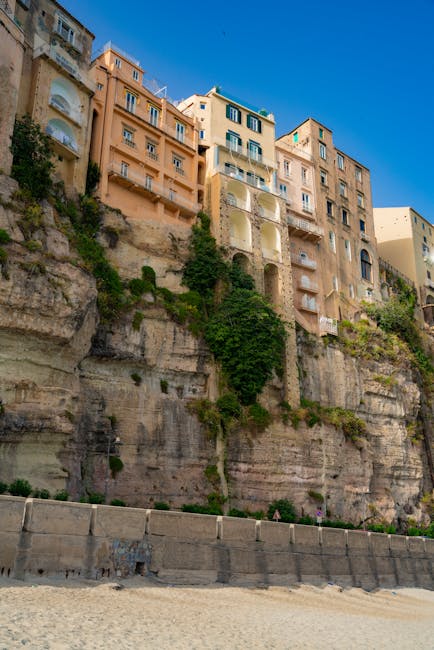
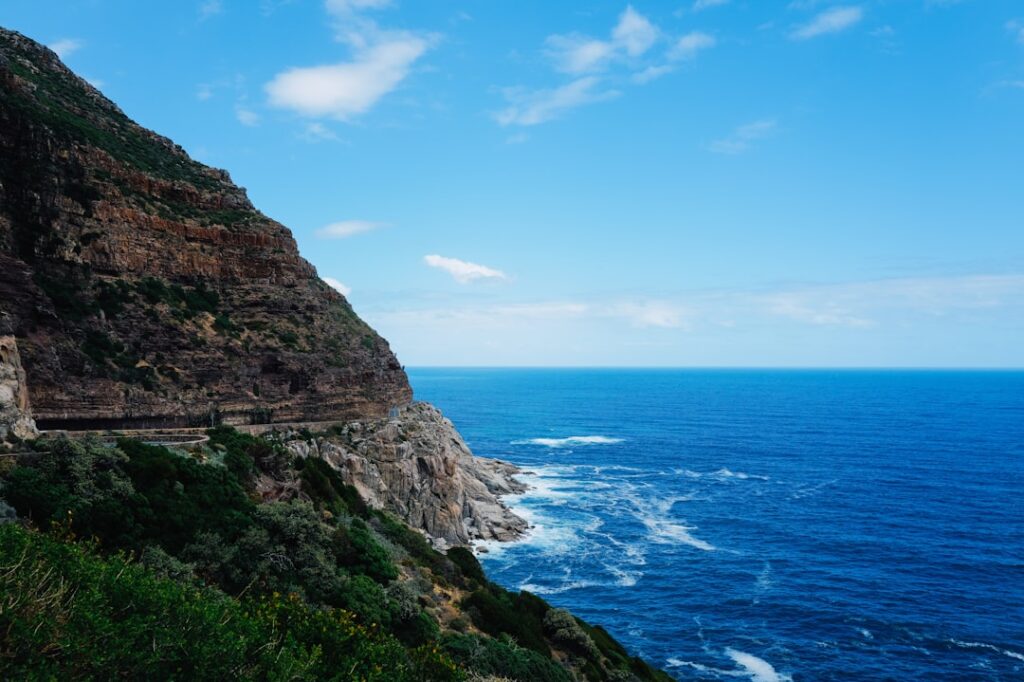
Calabria is that slender stretch of Italy jutting out into the heart of the Mediterranean, swept by winds and nourished by a sea that smells of olive oil and lemons. Tucked into its landscape are cliffside villages—true sea-facing balconies where time seems to have slowed to preserve the stonework, family recipes and age-old customs. These perched towns of Calabria — Tropea, Scilla, Pizzo, Gerace, Stilo and more — offer a bewitching mix: rocky ledges, narrow cobblestone lanes, small squares where elders still talk about fishing and vineyards, bell towers dominating the countryside, and views that make modern life’s rush fade away.
This guide will walk you through these places step by step, with practical and precise details: full monument names, exact addresses, typical opening hours, entry fees, sensory descriptions and local tips to make the most of every visit. You’ll also find photography suggestions, advice on when to avoid crowds, and culinary ideas so you can taste Calabria — from spicy nduja to traditional fileja pasta and fragrant citrus.
Whether you’re a photographer chasing golden hour, a hiker who loves coastal trails, a medieval history buff or a curious foodie, these villages will feed your journey. We’ll cover iconic spots like the Santuario di Santa Maria dell’Isola in Tropea, Chianalea and the Castello Ruffo di Scilla, the Castello Murat in Pizzo, the Cattedrale di Santa Maria Assunta in Gerace and the small Byzantine chapel Cattolica di Stilo. For each, you’ll get the exact address, typical hours, admission prices and visiting tips to help with on-the-ground logistics.
This piece doesn’t stop at monuments: it weaves in everyday Calabrian life — local markets, artisans, religious customs, village festivals — because understanding a place means hearing its voices, smelling its scents and tasting its food. Charge your camera, pack good walking shoes and bring curiosity: perched Calabria awaits with its sea spray, centuries-old stones and living traditions.
Tropea and the Santuario di Santa Maria dell’Isola: the rock-island at sunset
Tropea is often the image that springs to mind for Calabria’s cliffside villages: pastel-fronted houses clinging to a cliff above deep blue waters. Tropea’s historic center revolves around Piazza Vittorio Veneto and the seafront, but the most photographed landmark is undoubtedly the Santuario di Santa Maria dell’Isola, perched on a solitary rock and reached by a short stairway from the beach. Address: Piazza Ercole, 89861 Tropea VV, Italy. Access to the promontory is free; the sanctuary is typically open from 08:00 to 20:00 daily. There’s no exterior admission fee, but voluntary contributions are appreciated for upkeep.
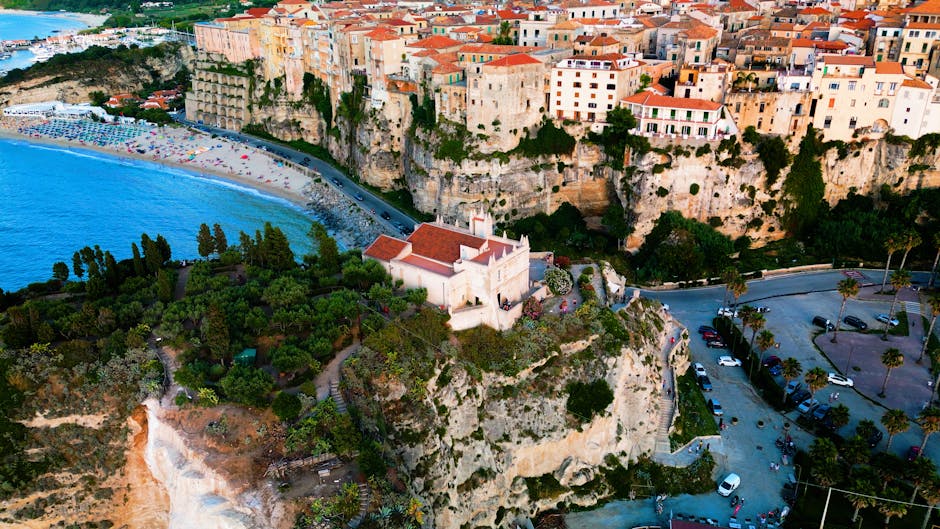
Immersive description: from Riaci beach you can watch the sanctuary’s rock silhouette detach from the sky at sunset as golden rays wrap the little chapel while gulls trace arabesques above the fishing boats. Inside the old quarter, the Cattedrale di Maria Santissima di Romania (Via del Duomo, 89861 Tropea VV, Italy) is another worthwhile stop — usually open 09:00–12:30 and 16:00–19:00, free entry with suggested donations.
Practical tips: arrive early (before 9am) to beat the crowds on the sanctuary terrace and get the best morning light for photos. For a snack, try Gelateria La Romana (Corso Vittorio Emanuele, 40, 89861 Tropea VV) for a granita made with Calabrian citrus; expect about €3–5 per serving. Parking is limited in high season; if you’re driving, use the Parcheggio Lungomare (Via Lungomare, 89861 Tropea VV), roughly €1–2/hour. In summer shuttle buses and local services link the area to Tropea train station.
Recommended activities: swim at Spiaggia della Rotonda, stroll along Via Umberto I, and pick up local products — extra virgin olive oil (0.75 l bottle: €6–12) and artisanal limoncello (0.5 l bottle: €12–20). If you want a guided tour, local agencies offer roughly 2-hour walking tours of the historic center for about €15–25 per person.
Scilla, Chianalea and Castello Ruffo: maritime myths and fishermen’s lanes
Scilla is a mythical village on the opposite side of the Strait of Messina, known for maritime legends and its unique fishing quarter, Chianalea, where houses are built right at the water’s edge. The promontory above the sea is dominated by the Castello Ruffo di Scilla (Piazza Castello, 89058 Scilla RC, Italy). The castle often charges a small fee to access the towers and exhibits; typical price: €3–5 per adult. Hours are usually 10:00–18:00 in the low season, extended to around 20:00 in summer (check locally).
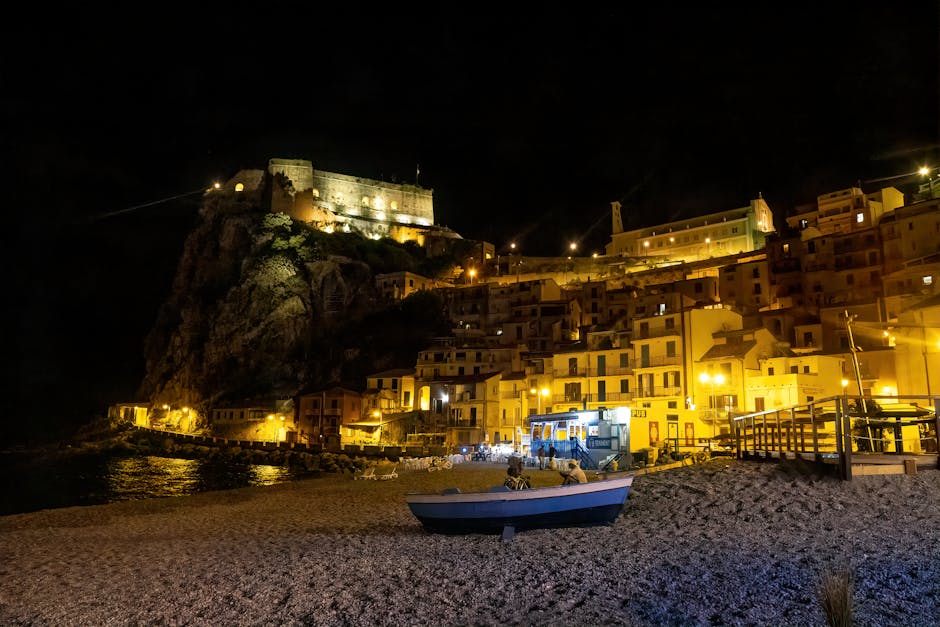
Immersive description: wander Chianalea at first light, when fishermen mend nets and the smell of fish sauce mingles with sea salt. The houses are almost inverted boats, their steps dipping nearly into the water. From Piazzetta Chianalea you get direct sea views and colorful boats bobbing in the harbor. The walk up to the castle offers panoramas of the strait and, on a clear day, the silhouette of Messina across the water.
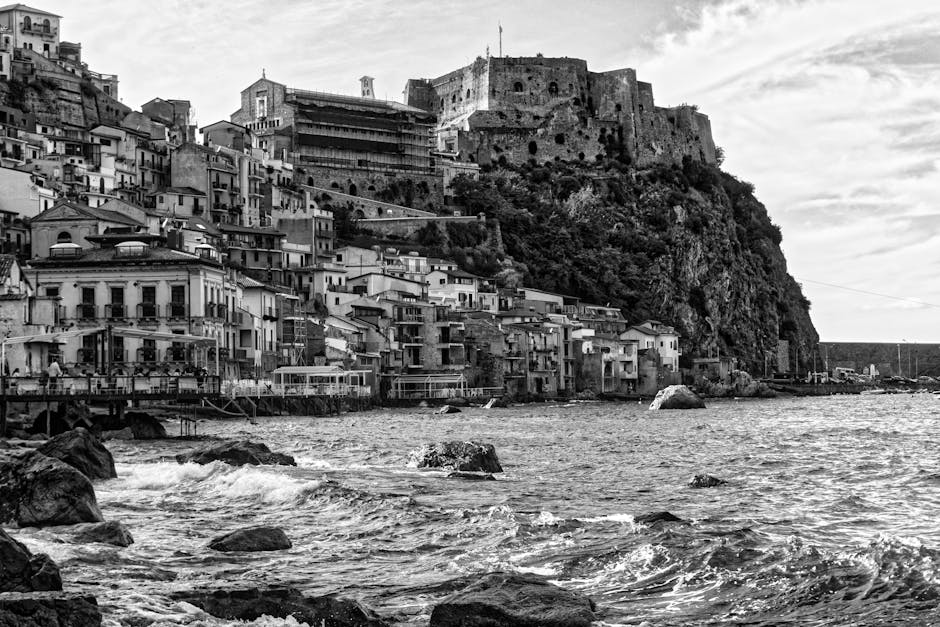
Practical tips: for photographers, golden hour on Scilla’s beach brings warm tones to facades and boats; to avoid crowds, visit on a weekday rather than a weekend in high season. For local cuisine try Ristorante Da Filippo (Via Nazionale, 6, 89058 Scilla RC) for fresh seafood — plan €25–40 per person for a full meal. Chianalea is steep and stepped: sturdy shoes are a must and watch for slippery stairs after rain.
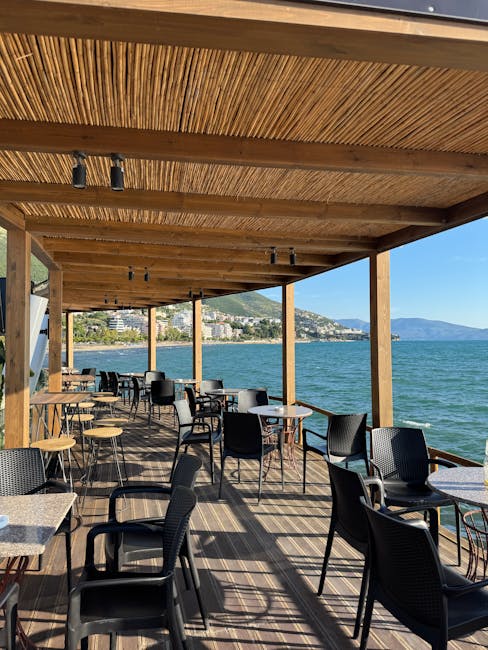
Logistics: Scilla is reachable by train (Scilla station, Piazza Giovanni Amendola) and by car via the SS18. Parking at the top of town is paid (about €1–2/hour). Pick up a typical souvenir like canned local fish (200–400 g: €5–12) or handcrafted coral items. Swimming is pleasant in July–August, but coves can be rocky so consider water shoes.
Pizzo Calabro and Castello Murat: tartufo, Napoleonic history and Baroque lanes
Pizzo Calabro sits on a low cliff overlooking a bay, famed for its Castello Murat (Vico Sedil Capano, 1, 88070 Pizzo Calabro VV, Italy), the fortress where Joachim Murat, King of Naples, was imprisoned. The castle houses rooms and exhibits; typical fee: €3–6 per adult. Hours: 09:30–19:30 in the tourist season, with possible reductions in winter. Address and hours may change for special events.
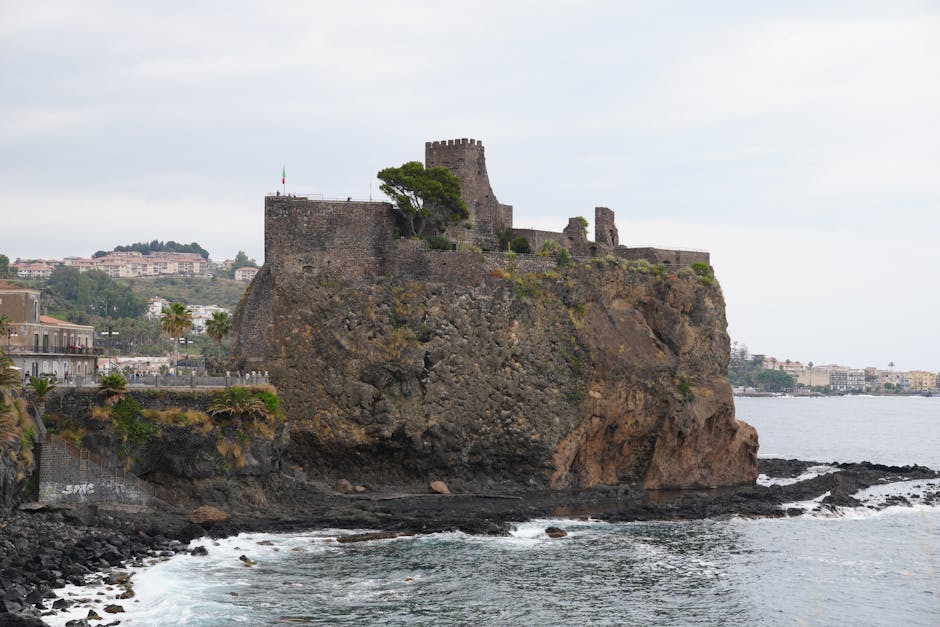
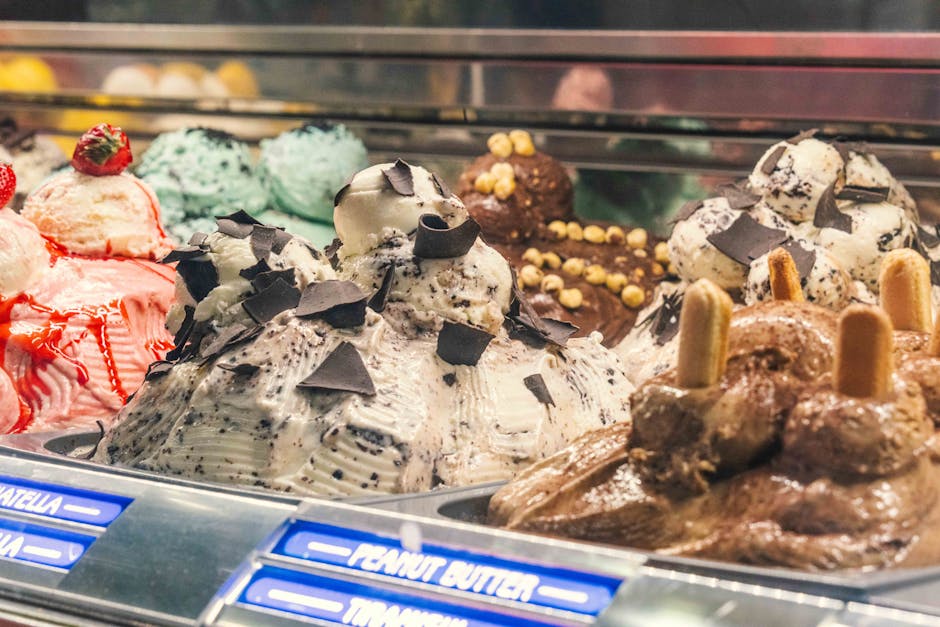
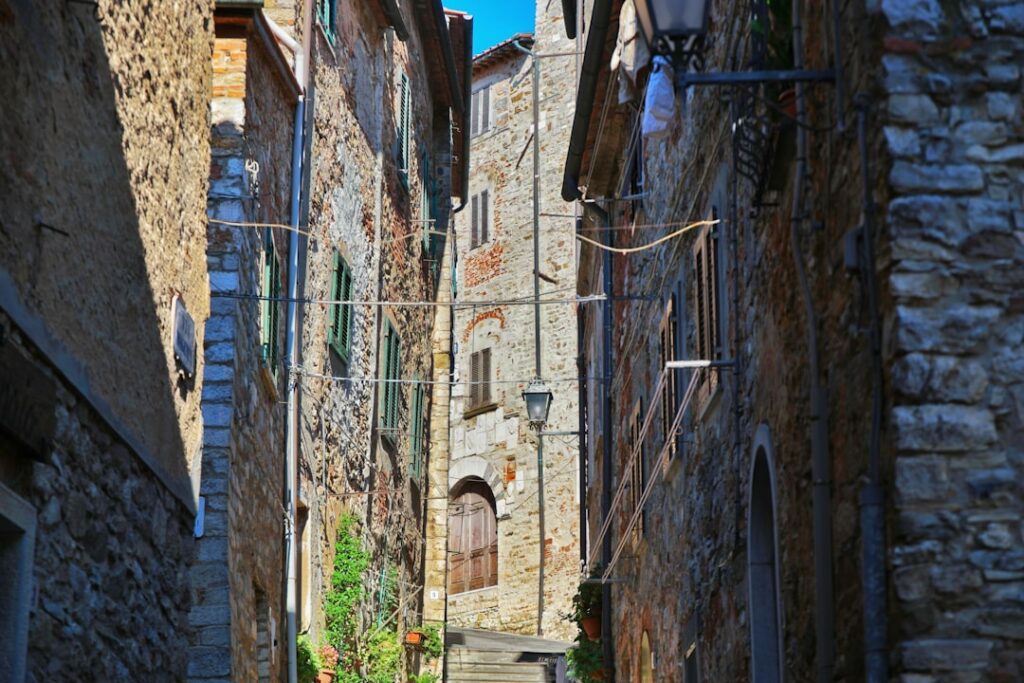
Immersive description: the small bay below the castle is lined with cafés and gelaterias serving the famous « tartufo di Pizzo, » a round chocolate-studded ice cream often filled with liqueur — a local indulgence. Try Tartufo di Pizzo Gelateria Bar Dante (Via Umberto I, 13, 88070 Pizzo Calabro VV): a serving costs around €3–5. Strolling the Baroque lanes near Chiesa di Piedigrotta (Via Nazionale, 88070 Pizzo Calabro) is a sensory treat, with carved facades and tiny artisan shops.
Practical tips: parking near the castle can be tight in summer; use Parcheggio Piazza Giacomo Matteotti (around €1–2/hour) and walk down to enjoy the views. Guided tours of the castle are available by booking through the local tourist office (Via Nazionale, 35, 88070 Pizzo Calabro; opening hours typically 09:00–13:00). History enthusiasts should pair the castle visit with Chiesa di San Giorgio (Via San Giorgio), often open in the morning.
Complementary activities: half-day boat trips from the port to swim in secluded coves (about €25–40 per person), tasting Calabrian wines in nearby estates, and browsing local markets that sell oil, cheese and cured meats (prices vary). Pizzo is a great base to explore the Costa degli Dei and neighboring villages.
Gerace and Stilo: medieval stone and the Byzantine Cattolica
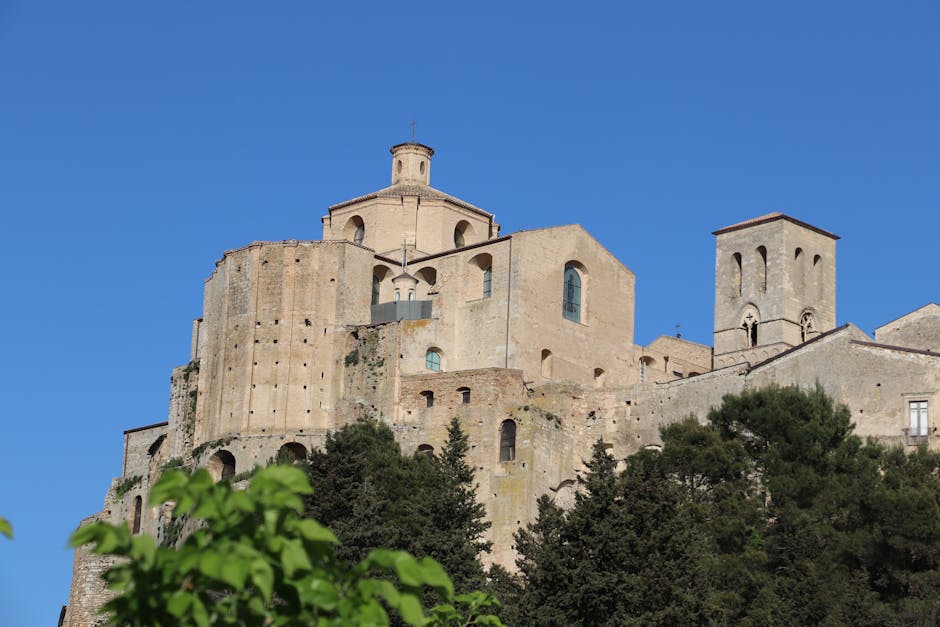
Inland, the perched villages of Gerace and Stilo show another side of Calabria: medieval architecture, mountain views and Byzantine remnants. Gerace is renowned for its Cattedrale di Santa Maria Assunta (Via Cattedrale, 1, 89042 Gerace RC, Italy). Typical hours: 09:00–12:30 and 15:30–19:00; access is often free with recommended donations for maintenance. The cathedral, built in the 12th century, impresses with a mix of Norman and Baroque elements.
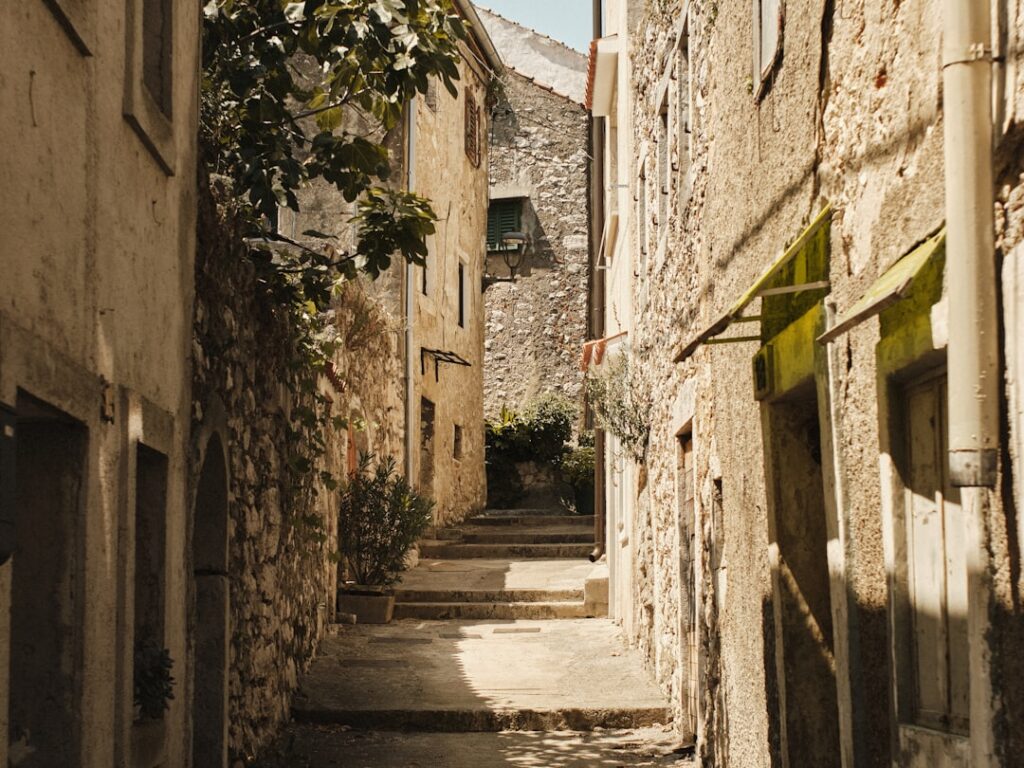
Immersive description: walking Gerace you feel the weight of centuries underfoot: uneven cobbles, carved wooden doors, small squares where light filters through. From the piazza in front of the cathedral the horizon opens onto hills and, on clear days, the sea in the distance. For a deeper visit look for the Museo Diocesano di Gerace (Via del Duomo), which displays liturgical objects and local artworks — typical fee €2–4, with opening times often aligned with the cathedral.
Stilo, on the other hand, is best known for the Cattolica di Stilo (Località Cattolica, 89040 Stilo RC, Italy), a small 11th-century Byzantine chapel with modest proportions but a layout and decoration typical of Greek-Byzantine architecture in Calabria. Access is generally free or with a small suggested donation; hours are often 09:00–18:00 depending on the season. The site exudes a contemplative atmosphere and is perfect for shooting in low, slanting light.
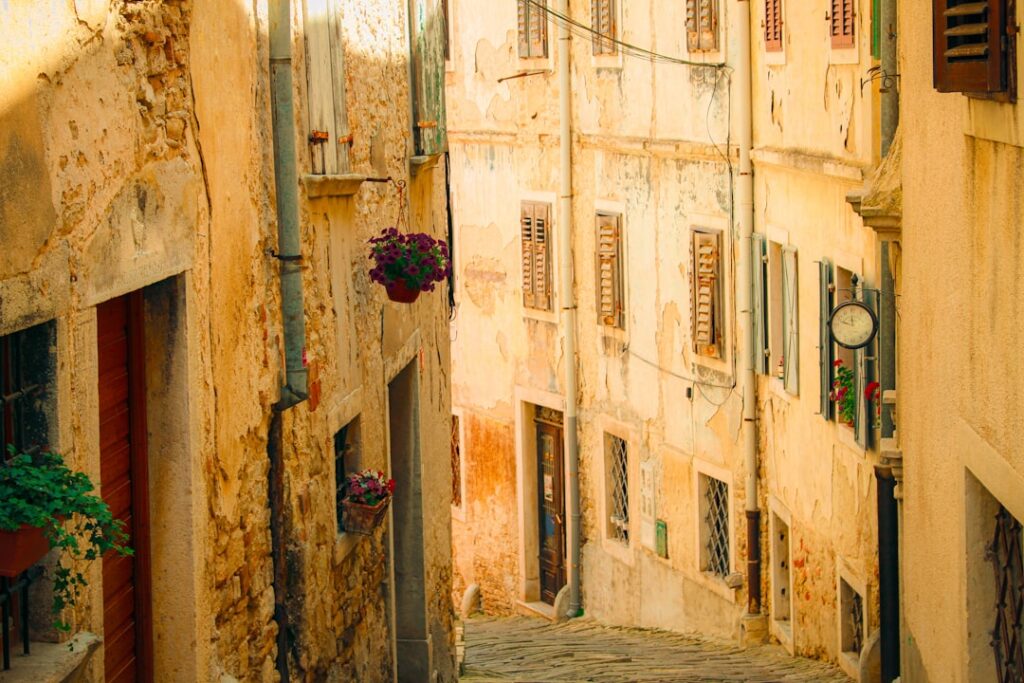
Practical tips: Gerace and Stilo are best visited by car from the coast: allow 45 minutes to 1 hour from the Ionian or Tyrrhenian coasts depending on where you start. Because of narrow streets and ZTL (limited-traffic) zones, park in public lots at the village entrance and continue on foot. For lunch look for family-run trattorie (for example Trattoria La Tavernetta, Gerace Centro) where a homemade pasta dish costs around €8–12. Bring water in summer and avoid slippery shoes on wet cobbles.
General practical tips for visiting Calabria’s cliffside villages
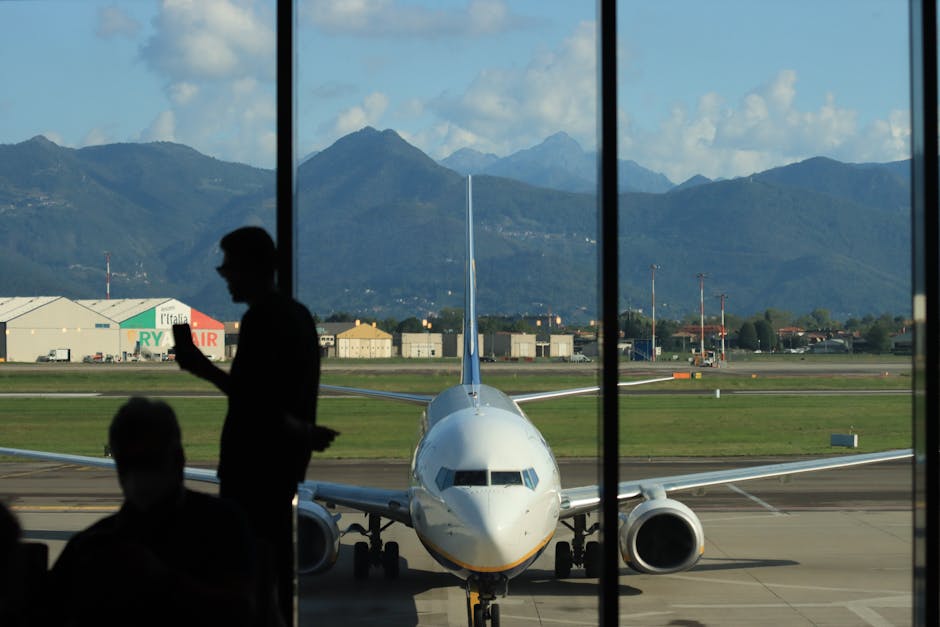
Getting around: Calabria is served by several train stations (Tropea, Pizzo, Scilla) and by Lamezia Terme Airport (Aeroporto Internazionale di Lamezia Terme, Viale Stazione, 88046 Lamezia Terme CZ, Italy). Renting a car gives the greatest freedom to explore the perched villages; secondary roads can be narrow and winding, so drive carefully. Taxis and local transport exist but can be limited off-season.
Season and weather: high season runs June through September, with hot temperatures and crowded beaches; May–June and September–October offer pleasant weather, fewer people and better prices. In autumn and winter some museums and restaurants reduce hours; always check by phone or on official sites before you go.
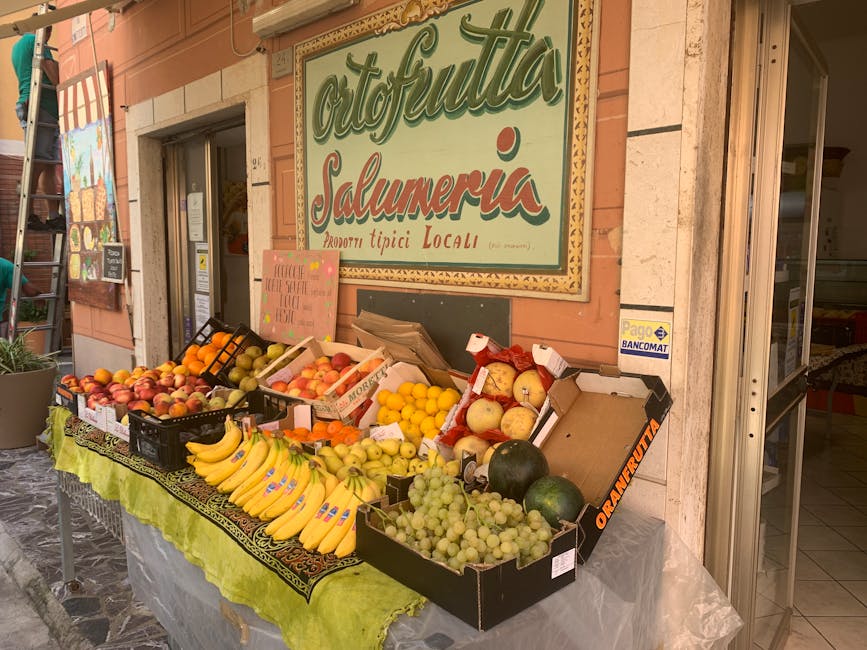
Budget and money: Calabria is generally affordable compared with other Italian regions. Expect €20–40 per day for simple meals and coffee, €50–80 in more touristy restaurants. Small museum and castle entries range from €2–6. Carry some cash for small purchases — some tiny shops won’t accept cards.
Language and social interaction: Italian is the main language; you’ll find some English in tourist areas, but learning a few basic Italian phrases (hello, thank you, please) will make interactions smoother. Respect siesta hours (roughly 13:00–16:00) when some shops close.
Safety and health: Calabria is generally safe, but be careful on narrow streets and uneven steps at night. Consider travel insurance for minor incidents. For coastal hikes bring water and sun protection.
Conclusion
Calabria’s cliffside villages are a lesson in geography, history and flavor. They tell centuries of occupation, maritime exchange and local identities shaped by sea and mountains. Tropea, with its Santuario di Santa Maria dell’Isola and beaches, offers the iconic panorama; Scilla and Chianalea show fishermen’s life and the intimate relationship between houses and sea; Pizzo blends Napoleonic history with the indulgence of tartufo; Gerace and Stilo reveal a quieter inland Calabria where medieval and Byzantine architecture commands respect.
Visiting these places requires curiosity and practical preparation: check seasonal hours, carry cash for small purchases, choose sturdy shoes and accept that your pace will be set by narrow streets, stairways and walks on foot. The rewards are ample: sweeping views, warm and simple meals, artisans preserving old crafts, and human encounters that give real meaning to travel.
When you leave Calabria you’ll likely take home more than photographs: a taste of lemon and olive, the memory of a stone under your palm, the image of a sunset on a perched sanctuary, and maybe a promise to return. For travelers who crave authenticity, perched Calabria is a place to savor slowly, village by village, sea spray after sea spray, stone by stone.