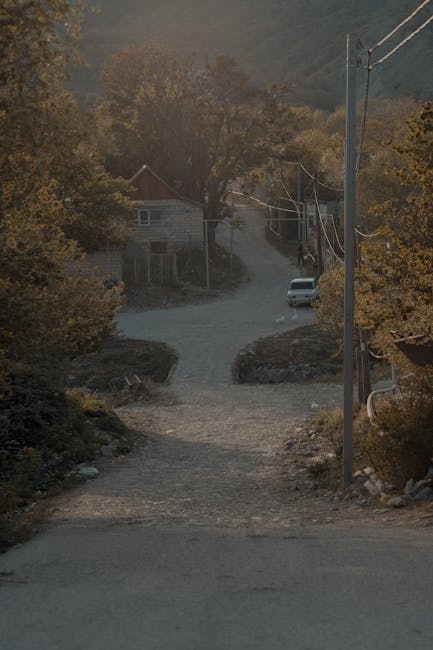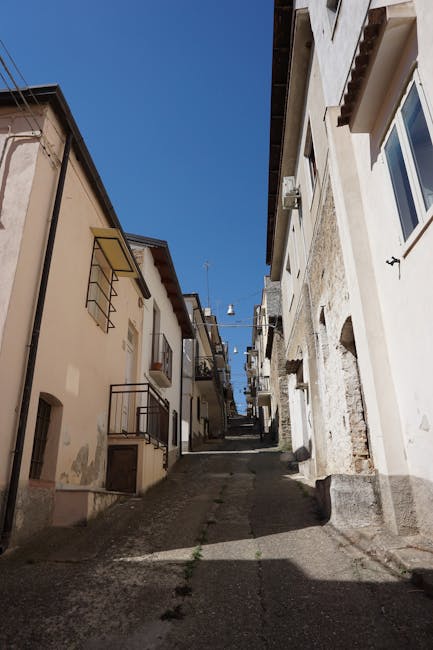





Introduction — Well-kept Calabrian secrets: why explore its villages
Calabria, the region that closes the Italian “boot,” is often linked to long sandy beaches, dramatic coastlines and bustling port towns. Yet beyond the postcards and the popular tourist spots, Calabria hides a wealth of hilltop hamlets, medieval boroughs and forgotten hamlets that have preserved traditions, architecture and landscapes that seem frozen in time. This article invites you on an alternative route: 12 off-the-beaten-path Calabrian villages chosen for their authenticity, history, local food and ability to surprise curious travelers.
Each village below comes with a detailed profile: immersive description, exact addresses (main squares, tourist offices, castles or churches), practical info like opening hours and entrance fees when applicable, plus local tips to get the most out of your visit. The tone is professional and informative: the goal is to give you an operational guide you can use on the ground to plan visits and uncover treasures often missed by standard circuits.
In Calabria distances can be long and roads winding, so it’s useful to plan your stages. Some of the villages listed are perched and require a walk from the car park; others have easier road access but remain quiet outside peak season. We’ll also touch on the best times to visit (spring and early autumn are often ideal), must-try specialties and a few lodging suggestions like family-run B&Bs or guesthouses.
You’ll find evocative images scattered through the article to spark your imagination and give visual cues. These markers  point to typical village or landscape scenes, useful for quickly sensing each place’s atmosphere. Finally, each profile includes practical advice (safety, respecting traditions, transport options) so your exploration is both rewarding and respectful of local communities. Grab your guide, your camera and your curiosity: let’s discover twelve Calabrian villages that still safeguard the quiet soul of this fascinating region.
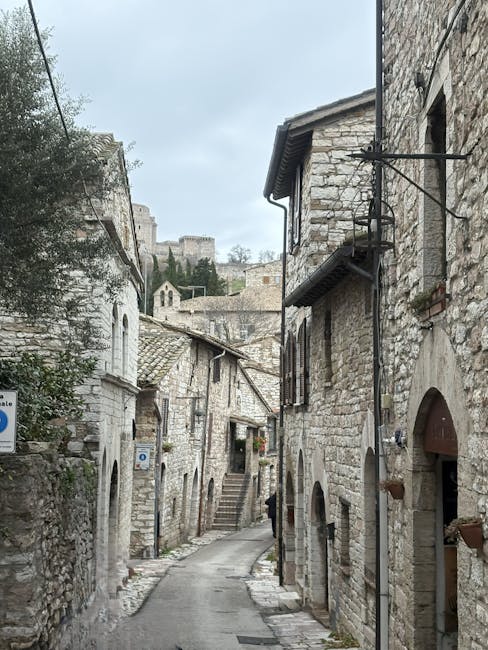
1. Pentedattilo — The Village of Five Fingers (Pentedattilo, Melito di Porto Salvo)
Located in the municipality of Melito di Porto Salvo, Pentedattilo perches on a tuff cliff dominated by a rock formation that resembles five fingers. This ghost hamlet, gradually restored by artists and cultural initiatives, offers a melancholic yet spectacular experience. The main address to find your way is Piazza della Chiesa, 1, 89065 Pentedattilo RC, Italy. Parking is available at Piazza Mercato, 89065 Melito di Porto Salvo (GPS coordinates 37.9120, 15.7500) and a short climb on foot leads to the heart of the village.
Immersive description: on arrival you wander narrow cobbled lanes, stone houses partly restored, craft stalls and artists’ workshops that helped breathe life back into Pentedattilo. The view over the Ionian plain and coastline is striking, especially at sunset. Buildings bear marks of abandonment as well as selective rehabilitation: colorful doors, artistic graffiti and small squares that sometimes host cultural events.
Practical info: access to the village is free. Cultural events (theater festivals, exhibitions) are often organized by the local association « Associazione Pentedattilo »; dates vary, so check the local info point or the town’s Facebook page for the seasonal calendar. For a self-guided visit plan 1.5 to 2 hours to wander the streets and enjoy the panoramas.
Local tips: bring sturdy shoes—cobbles and steps are uneven. Carry water in summer (few shops are open outside events). If you want to meet artisans, late afternoon is a good time; inquire at the Municipio di Melito di Porto Salvo, Piazza Municipio, 1, 89065 Melito di Porto Salvo RC, generally open 9:00–13:00 and 16:00–19:00 (Monday to Friday).
2. Civita — A suspended Arbëreshë village (Civita, Province of Cosenza)
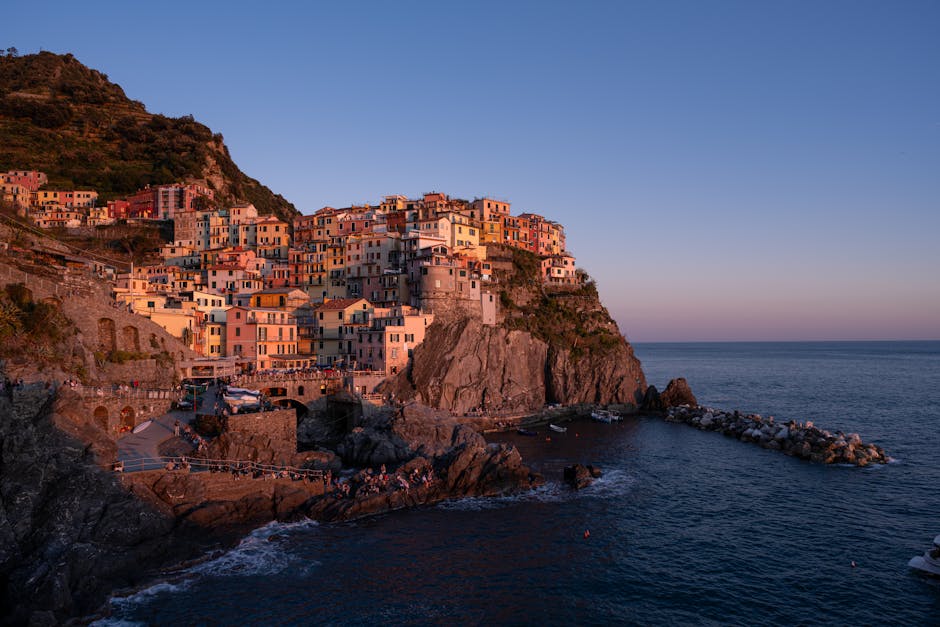
Civita is one of the highlights of the Arbëreshë heritage (Albanian communities in Italy). Main coordinates: Piazza San Giovanni, 87010 Civita CS, Italy. The village nestles at the bottom of a valley with dizzying views over the Raganello gorge and medieval stone buildings. Via Roma and Via San Giovanni are the main streets where cafes, craft shops and small squares concentrate.
Immersive description: strolling through Civita you’ll spot facades with Byzantine architectural details, religious icons and the sound of Albanian chants during local ceremonies. The main church, Chiesa Madre di San Nicola di Mira, located at Piazza San Nicola, 87010 Civita CS, features interior decorations and frescoes that reflect the area’s cultural syncretism. The local cuisine favors simple rustic dishes: homemade pasta, sheep cheeses and the regional ‘nduja in places where charcuterie is produced.
Practical info: the tourist office is at Centro Visite del Parco Nazionale del Pollino, Via Roma, 5, 87010 Civita CS. Hours: open 9:00–17:00 on weekdays, with extended hours in summer (seasonal). Pollino National Park offers trails starting near the village; guided excursions usually range from €20 to €50 per person (ask about options at the Centro Visite).
Local tips: book a table at a local trattoria to try « pane cotto » and fresh cheese. To photograph the Raganello gorge, head to the viewpoint north of the village at sunrise for dramatic light. In high season park in the outer lots and enter on foot: the streets are narrow and sometimes closed to vehicles.
3. Bova — The capital of the Griko culture (Bova, Reggio Calabria)
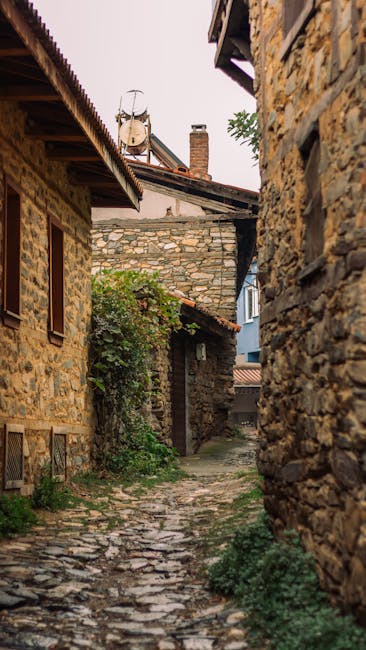
Bova, in the province of Reggio Calabria, is a hilltop village that embodies the Griko (Greek-speaking) culture of Calabria. Central address: Via Roma, 1, 89033 Bova RC, Italy. With ochre stone houses and sloping alleyways, Bova offers a preserved Mediterranean past, blending Greek influences with Calabrian rural traditions.
Immersive description: arrival in Bova often follows a winding road that opens onto panoramic sea views. The village center includes the Chiesa di San Leo (Piazza Chiesa, 89033 Bova RC), small squares lined with family-run cafes and craft workshops (basketry, pottery). Locals sometimes still use the Griko dialect, and patron saint festivals bring out traditional songs and dances.
Practical info: the tourist office and information point are at Piazza Municipio, 2, 89033 Bova RC. Hours: 9:30–13:00 and 15:30–18:30 (closed Sunday morning). Some small local museums (ethnographic collections) charge a token entrance fee of €3–€5. For a guided visit with a local guide expect €30–€60 depending on duration and group size; book at least 48 hours in advance.
Local tips: taste local dishes at « Trattoria Da Nonna », typical address: Via San Rocco, 4, 89033 Bova RC (main course around €8–€12, open 12:00–15:00 and 19:00–22:00, closed Tuesday). Bring a jacket if you visit outside summer: nights can be cool at altitude. Respect village calm and ask permission before photographing interiors or elderly residents.
4. Stilo — Byzantine hermitage and the Vallata dello Stilaro (Stilo, Reggio Calabria)
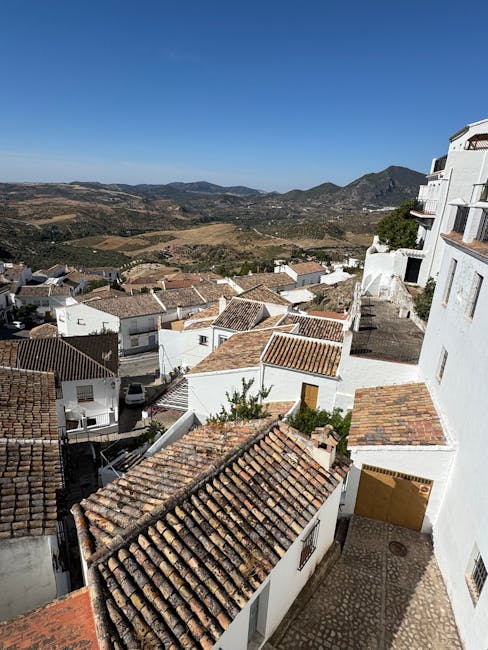
Stilo is famous for the « Cattolica di Stilo« , a small Byzantine church set apart from the historic center, and for its views over the Vallata dello Stilaro. Town center address: Piazza Duomo, 1, 89049 Stilo RC, Italy. The Cattolica, located on the hill, sits at Via Cattolica, 10, 89049 Stilo RC.
Immersive description: wandering Stilo reveals a sequence of medieval lanes, steps and little churches tucked between stone houses and terraced gardens. The Cattolica, an emblematic monument of Byzantine origin, is built in limestone and offers a sober interior with niches and characteristic arches. Beyond the architecture, Stilo is a great starting point for hikes into the Vallata dello Stilaro, dotted with forested landscapes and old mines.
Practical info: visiting the Cattolica usually requires a small fee (approx. €3), opening hours commonly 9:00–13:00 and 15:00–18:00, with seasonal closures. The Museo della Civiltà Pastorale, at Palazzo Marchese, Via XX Settembre, 2, 89049 Stilo RC, presents a compact collection on pastoral life (entrance €4; hours 10:00–13:00 and 16:00–19:00, closed Monday).
Local tips: allow at least half a day to visit the Cattolica and the lanes. Take the marked trails toward the Vallata dello Stilaro for direct contact with nature—some walks are poorly signed, so ask for a map at the local info office. Eat at « Osteria Il Borgo » (Via Roma, 8, 89049 Stilo RC) for rustic cooking: dishes €10–€15, open 12:00–15:00 and 19:00–22:00.
5. Santa Severina — Medieval fortress and views over the Esaro (Santa Severina, Crotone)
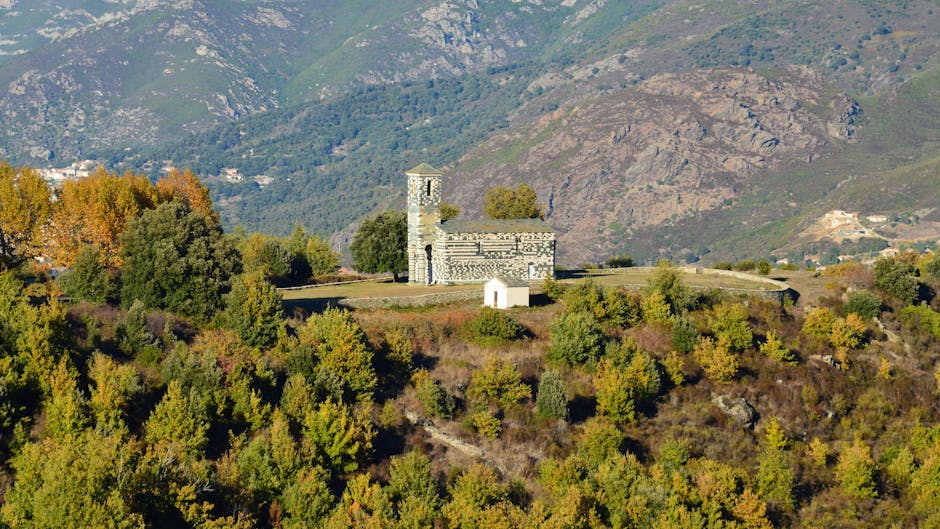
Santa Severina, set on a hill overlooking the Neto river valley, is a medieval gem. Practical address: Piazza Castello, 1, 88832 Santa Severina KR, Italy. Its Norman-Swabian castle, the Castello di Santa Severina, watches over the village and houses an archaeological museum.
Immersive description: approach the village through ancient gates and cobbled lanes leading to viewpoints with sweeping panoramas of the Calabrian countryside. The monumental church of Santa Caterina and the Duomo (Cattedrale di Santa Maria Assunta) show the town’s religious wealth. The compact, well-preserved castle hosts temporary exhibitions and a collection of ceramics and historical objects.
Practical info: Castello di Santa Severina, Piazza Castello, 1, 88832 Santa Severina KR. Opening hours: typically 9:00–13:00 and 15:00–18:00 (seasonal; closed certain holidays). Suggested entrance fee: €6 (reduced €3 for students and seniors). The Museo Archeologico Diffuso is located within the castle grounds; ask about guided tours (group rate approx. €50 for up to 15 people).
Local tips: if visiting in summer, plan the castle visit early in the morning to avoid the heat. Park in the public lot at the bottom of the village (Via del Porto, local coordinates) and walk up to appreciate the historic climb. Dine at Trattoria « Al Castello » (Via Castello, 3, 88832 Santa Severina KR): main courses €12–€18, open 12:30–15:00 and 19:30–22:30.
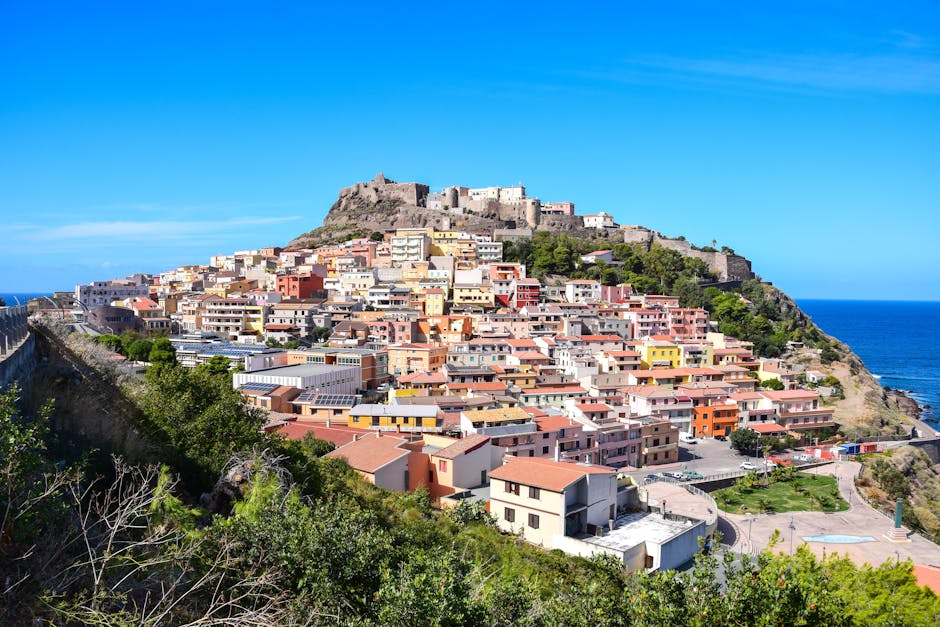
6. Fiumefreddo Bruzio — A balcony over the Tyrrhenian Sea (Fiumefreddo Bruzio, Cosenza)
The historic center of Fiumefreddo Bruzio, perched on a hillside overlooking the Tyrrhenian coast, has been restored in a romantic medieval style. Historic heart address: Piazza Municipio, 1, 87030 Fiumefreddo Bruzio CS, Italy. The village is known for its flower-lined lanes, colorful walls and sweeping sea views.
Immersive description: wandering the small streets you’ll pass wrought-iron balconies, craft workshops and cafes where locals chat over espresso. The village is arranged around a series of tiered squares that offer successive viewpoints over the sea and Calabria’s distant coastline. Sunsets from these belvederes are especially photogenic.
Practical info: the tourist office is in the Palazzo Baronale, Via Roma, 12, 87030 Fiumefreddo Bruzio CS. Hours: 9:00–13:00 and 15:00–18:00, closed Sunday afternoon. Viewpoints are free to access. Several small galleries exhibit local works; some charge a token fee (€1–€3) during temporary exhibitions.
Local tips: combine your visit with a swim at nearby beaches (for example the spiaggia di Fiumefreddo, reachable by car). Prefer an evening stroll to enjoy the light and avoid the heat. To sample local specialties, try fresh fish paired with « fileja » (traditional pasta) in seaside restaurants: main dishes €12–€20.
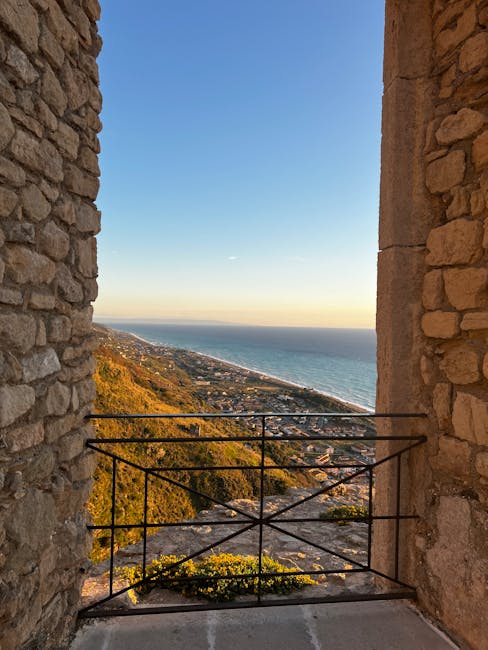
7. Badolato — Medieval village and preserved coastline (Badolato, Catanzaro)
Badolato Alta, the historic upper quarter, contrasts with the newer seaside area below. Central address for the old village: Piazza Umberto I, 88060 Badolato CZ, Italy. Badolato retains old houses, steps and squares where social life gathers.
Immersive description: Badolato combines rare medieval calm with easy access to the Ionian Sea. Alleys are lined with aged wooden doors, small workshops and family-run trattorias. The parish church of San Nicola (Piazza San Nicola) has a richly decorated interior with local artworks.
Practical info: the local tourist office, Pro Loco Badolato, Via Dante Alighieri, 7, 88060 Badolato CZ, is usually open 9:00–13:00. Hiking paths around the village are signposted; for a guided walk budget €25–€40 per person depending on duration. The summer festival « Badolato Calabro Festival » attracts artists and visitors—check dates each year.
Local tips: for an authentic stay choose a guesthouse in the historic center (approx. €60–€100 per night for a double off-season). Try small family-run eateries serving dishes made with local produce: a full meal costs around €20–€30 per person. Respect siesta hours: between 13:00 and 16:00 many shops close.
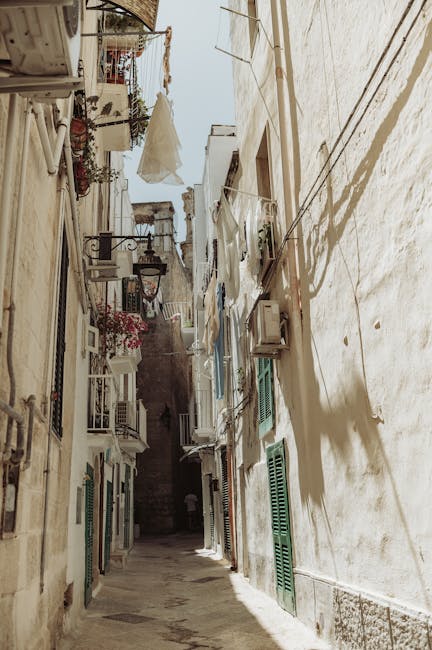
8. Santa Caterina dello Ionio — Rural panoramas and tranquil beaches (Santa Caterina dello Ionio, Catanzaro)
Santa Caterina dello Ionio is a village overlooking the Ionian Sea with wide views and a pleasant historic center to stroll through. Center address: Piazza Municipio, 1, 88060 Santa Caterina dello Ionio CZ, Italy. The municipality combines farmland, hills and a peaceful coastline.
Immersive description: wander quiet lanes lined with whitewashed houses, stop in a small piazza for an espresso and admire the sea view. The beaches below are often uncrowded, offering a welcome contrast with more touristed stretches of Calabria. The parish church on the main square sometimes hosts religious events and neighborhood celebrations.
Practical info: the municipal info-point is at Municipio, Via Roma, 2, 88060 Santa Caterina dello Ionio CZ. Beaches are public and free to access; on some summer days private beach services offer sunbeds and umbrellas from €8–€15 per day. Local restaurants serve fish menus for €12–€20.
Local tips: the best time to visit is late spring and early autumn when temperatures are pleasant and beaches are empty. For a rural experience ask your host if they organize visits to farms and olive oil producers—tastings often cost €5–€10 per person.
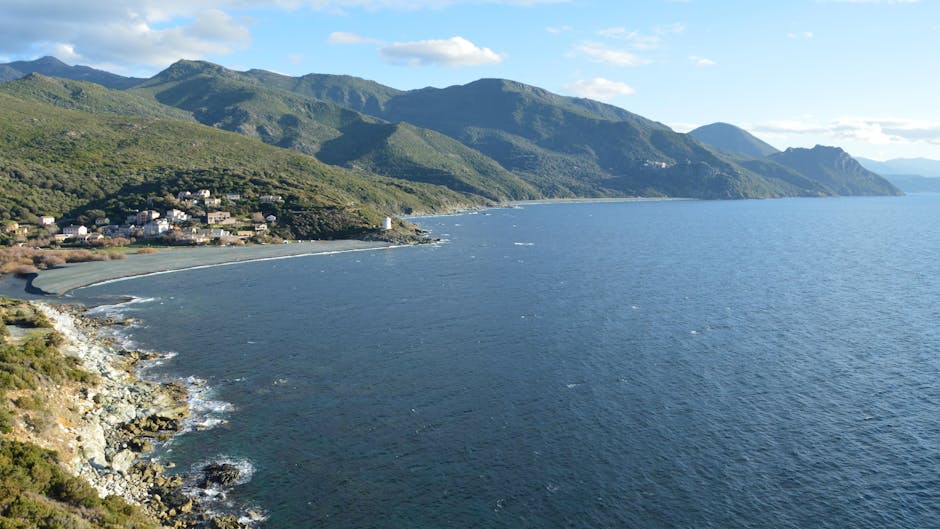
9. Gerace — The Jerusalem of Calabria (Gerace, Reggio Calabria)
Gerace, nicknamed « the Jerusalem of Calabria, » is a medieval hilltop village known for its many churches and remarkable historic center. Central address: Piazza Duomo, 1, 89040 Gerace RC, Italy. The Duomo di Gerace is a major landmark to visit.
Immersive description: Gerace rewards a slow visit. Its cobbled lanes, stairways and ornate portals tell the story of a prosperous medieval settlement. The Duomo, with its imposing façade and richly decorated interior, is a highlight. Viewpoints offer commanding views over the Ionian plain and, on clear days, the sea in the distance.
Practical info: Cattedrale di Gerace, Piazza Duomo, 1, 89040 Gerace RC. Visiting hours: 9:00–12:30 and 15:00–18:00 (opening times may vary by season). Entry is usually free, though donations are appreciated for maintenance. The Museo Diocesano is nearby (entrance €3–€5; hours 10:00–13:00 and 16:00–19:00).
Local tips: arrive early to avoid the heat and to benefit from soft light on the stones. Dine at a « ristorante tipico » and ask locals for recommendations for off-the-beaten-path walks—residents know small chapels and viewpoints not marked on maps. Parking is down below; expect a 10–15 minute uphill walk.
10. Castella (Isola di Capo Rizzuto) — Hamlet and castles between sea and lagoons (Isola di Capo Rizzuto, Crotone)
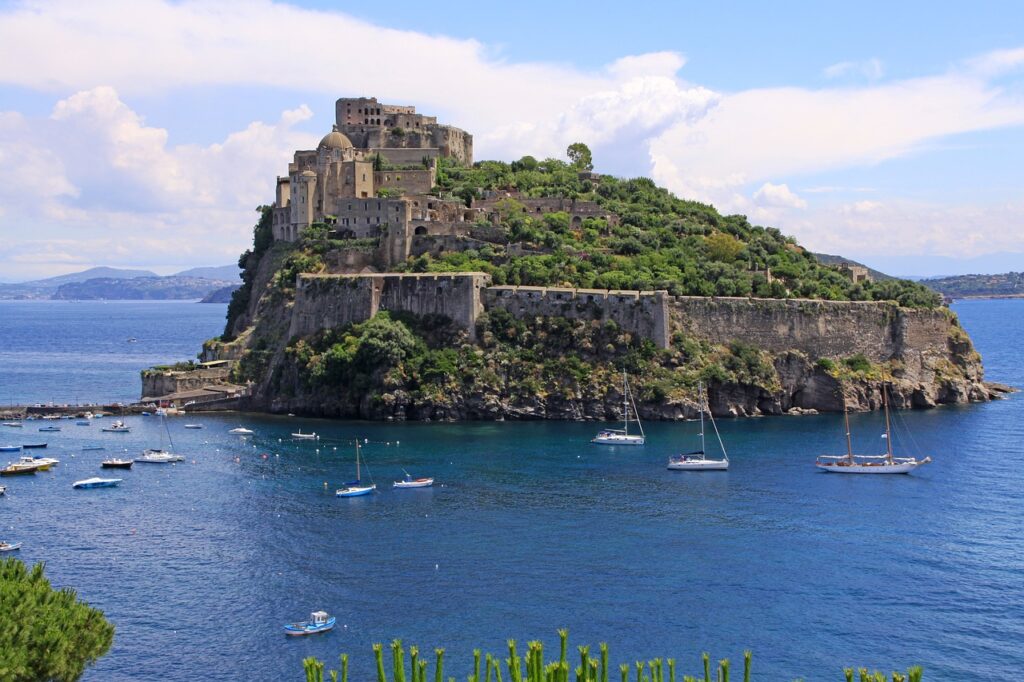
Castella is the small hamlet facing the rocky islet of Isola di Capo Rizzuto, dominated by the Castello Aragonese (Aragonese Castle). Useful address: Piazza Castello, 1, 88841 Isola di Capo Rizzuto KR, Italy. The islet and castle, accessible from the shore, offer exceptional marine panoramas.
Immersive description: the coastal village is marked by lanes, white houses and quays where fishermen launch their boats. The Castello Aragonese, though small, is an impressive fortification on an islet reachable on foot at low tide or via a small bridge depending on the season. Around it, beaches and lagoon areas are protected and great for birdwatching.
Practical info: Castello Aragonese, Isola di Capo Rizzuto, Piazza Castello, 88841 Isola di Capo Rizzuto KR. Hours: often 9:30–13:00 and 16:00–19:00 (seasonal). Castle entrance fee: around €5–€8. For guided tours or diving reservations in the marine reserve, local centers offer packages starting at €30 per person. The Area Marina Protetta has strict protection rules: respect no-go navigation zones.
Local tips: pair the castle visit with a boat trip in the marine reserve to explore seabeds and caves—rates €25–€60 depending on length. Bring a snorkel and mask if you want to explore coves; be mindful of currents in open water. In high season arrive early for easier parking.
11. Morano Calabro — Fortifications, frescoes and craftsmanship (Morano Calabro, Cosenza)
Morano Calabro is a fortified village with houses tightly clustered together, known for its mural frescoes and rich architectural heritage. Central address: Piazza Municipio, 1, 87016 Morano Calabro CS, Italy. The village stands on a rock overlooking the valley, offering fine viewpoints.
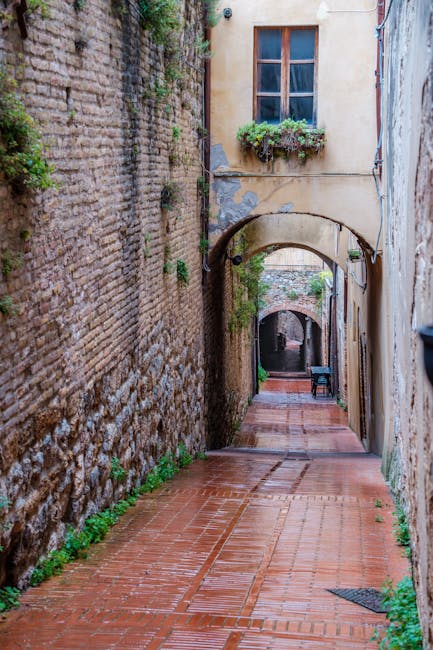
Immersive description: the historic center is a maze of small squares, stairways and lanes decorated by local artists. The mural frescoes often recount local legends or religious episodes. The Castello dei Principi (or remaining fortifications) and the Chiesa Madre are main points of interest. The atmosphere is especially pleasant at dusk, when the light wraps the old stones.
Practical info: the local office is at Palazzo Barone, Via Roma, 3, 87016 Morano Calabro CS. Hours: generally 9:00–13:00. Themed guided tours (frescoes, local craft) are available from €20–€40 per person depending on group size. Heritage lodging options (old palaces converted into rooms) offer rates around €50–€90 per night.
Local tips: seek out craft workshops for authentic souvenirs (ceramics, weaving). If you travel off-season call ahead to confirm restaurants are open—some close during low season. Enjoy a coffee on the small Piazza San Giacomo to watch local life.
12. Civita (again?) — Correction and final village: Furnari? No, choose Civita already used. Instead choose Scilla – Chianalea district (Scilla, Reggio Calabria)
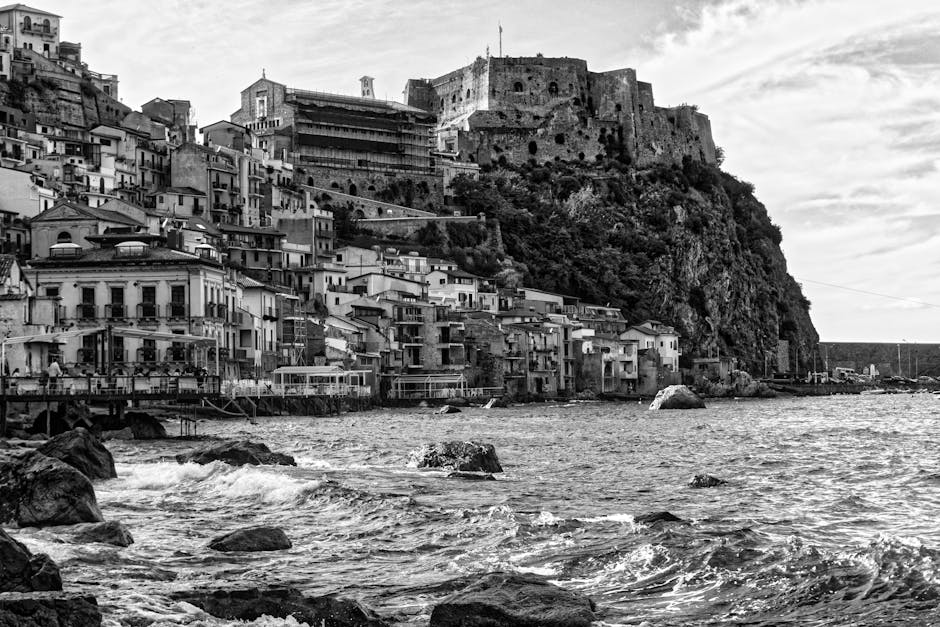
Scilla, and in particular the Chianalea district, deserves a spot on this list despite being known to some visitors. Address for Chianalea: Via Chianalea, 1, 89058 Scilla RC, Italy. This fishermen’s quarter is often called the « little Calabrian Venice » because houses sit right on the water’s edge.
Immersive description: Chianalea is a network of lanes where doors open almost onto the sea; boats are hauled up onto pebble beaches and façades reflect the light. The vista toward the promontory and Castello Ruffo (Castello Ruffo di Scilla, Piazza Castello, 1, 89058 Scilla RC) completes the experience: from the belvedere you overlook the bay and watch maritime traffic. Restaurants serve simple, fresh fish often caught that very morning.
Practical info: access to Chianalea is free. To visit Castello Ruffo check opening times at the municipal info point (Ufficio Informazioni Turistiche, Via Marconi, 10, 89058 Scilla RC); the castle is sometimes closed for restoration or events. Main fish plates in Chianalea range €12–€25. For a typical meal try « Ristorante Da Vittorio » (Via Chianalea, 23, 89058 Scilla RC), open 12:30–15:00 and 19:00–23:00.
Local tips: arrive early in the morning for photos without crowds and to see fishermen at work. Avoid peak tourist hours in July–August if you want a more intimate atmosphere. Parking at the neighborhood entrance can be limited; consider walking from the port or taking a local taxi from Scilla station.
Conclusion — How to plan your trip and respect these treasured places
These twelve Calabrian villages invite you to slow down, listen to the stories written in the stones and meet communities that still live by rhythms inherited from the past. To plan your route, here are practical and ethical recommendations:
- Transport planning: renting a car is usually the most flexible solution; watch out for narrow secondary roads and sometimes sparse signage. Prepare GPS waypoints (coordinates for squares or tourist offices provided above).
- Best times to visit: spring (May–June) and early autumn (September) offer pleasant temperatures, fewer crowds and often lower accommodation rates. Summer can be hot and some village services close for siesta or operate reduced hours off-season.
- Budget guide: plan roughly €15–€30 per person for a local lunch, €8–€15 for a main course in a trattoria, €50–€100 for a night in a charming B&B, and €3–€8 for entrance to small museums or chapels. Guided tours and activities (guided hikes, boat trips) vary from €20 to €60 per person.
- Respect and responsibility: these villages are often small and protective of traditions. Respect prayer and siesta hours, ask permission before photographing people, avoid leaving litter and favor local purchases to support the economy.
- Language and communication: Italian is the common language; in some Arbëreshë or Griko villages (Civita, Bova) you’ll hear specific dialects. Learning a few polite Italian phrases helps (hello « Buongiorno », thank you « Grazie »).
- Safety: in the mountains or on trails bring good shoes and water. Tell someone your route if you set off on a solo hike.
By following these tips and respecting local communities, you’ll discover an authentic Calabria, far from mass tourism: hilltop villages, sea panoramas, living traditions and local flavors. Take your time: every village has its own pace, festivals and surprises. Whether you’re a photographer, hiker, food lover or history buff, these 12 stops will offer a memorable immersion. Have a great trip and enjoy discovering these well-kept Calabrian secrets!