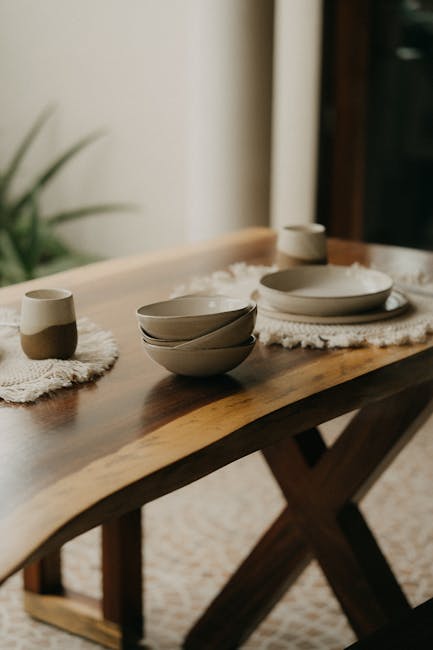






Introduction: Colorful Ceramics — an immersive stroll through Calabria’s workshops
Calabria, a southern region best known for wild coastlines, rugged mountains and generous food, hides a lesser-known but equally vibrant treasure: its age-old ceramic tradition. Here, earth meets sea — rich clays, local oxides and bright pigments — producing pieces where color tells the story of a place. Workshops, scattered between small villages and coastal towns, still use family techniques: slip recipes and hand-painted decorations passed down through generations.
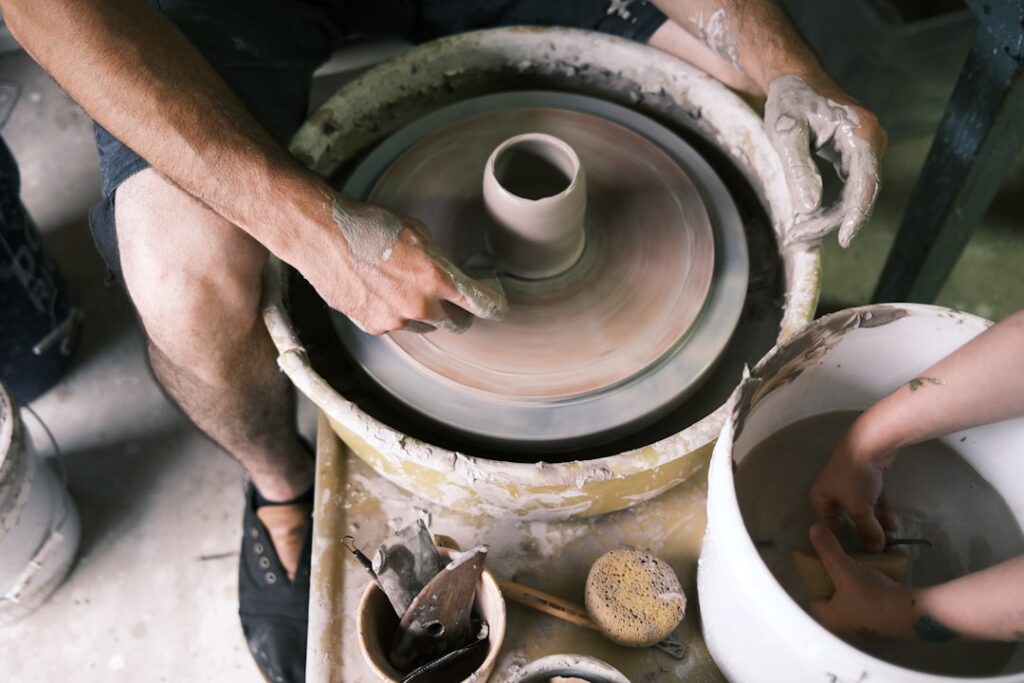
On this walk we’ll step into still-smoking kilns, breathe the smell of wet clay, watch skilled hands throw jars, and see painted motifs that depict saints, local myths and Mediterranean-inspired geometry. Each workshop has its signature: glossy faience dominated by deep blues and saffron yellows, patinated terracotta, enamelled dishes ready for caponata or goat cheese. This immersion is not only visual: it’s an opportunity to meet artisans, learn techniques (wheel, coil, pressing, glazing) and discuss contemporary challenges — transmission, responsible tourism and short supply chains.
Through the paragraphs ahead I’ll give you a practical itinerary: where to go, how to get there, which workshops to visit, the cost of demonstrations or introductory classes, and which markets or shops are best for bringing home an authentic piece. You’ll find exact addresses, opening hours, indicative prices in euros and practical tips to get the most out of each visit — from choosing a piece and negotiating politely to transport and respecting craft rituals. Whether you’re a collector, design lover or curious traveler, this Calabrian stroll promises vivid discoveries, human encounters and tangible souvenirs.
Calabria is also a dream for photographers and color lovers: ochre facades, enamel-stained workshops, stacks of cups and tiles in the sun. I’ve included visual markers so you can anticipate what you’ll see and prepare your camera gear. Finally, you’ll find practical advice for buying and transporting ceramics, understanding firing and glazing labels, and respecting local makers. Get ready to touch the material, hear the stories and leave with a colorful piece of Calabria.
The workshops of Squillace: historical cradle of Calabrian faience
Squillace, a small hilltop town above the Ionian coast, is probably the name most associated with Calabrian ceramics. Since the Middle Ages, its colorful faience has adorned homes and churches. Start your visit along Via Roma, where several historic workshops and shops cluster. One of the best-known studios is Atelier Ceramiche di Squillace, located at Via Roma 12, 88049 Squillace (CZ). Opening hours: Tuesday to Sunday from 09:30 to 13:00 and 15:30 to 19:30. Guided visit + demonstration by reservation: €15 per person (45 minutes).
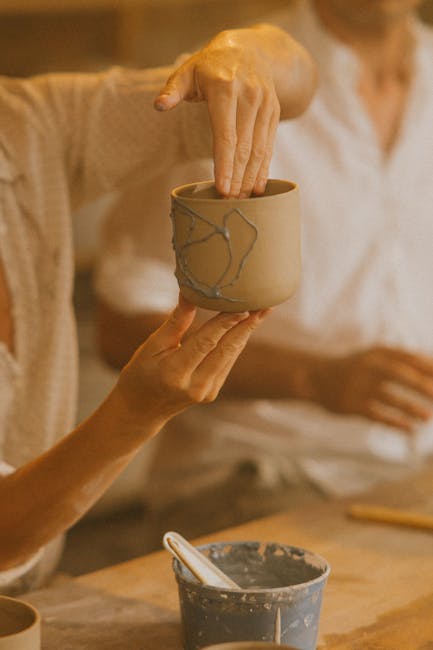
At Atelier Ceramiche di Squillace you’ll be shown the production chain: clay preparation, throwing, first firing, glazing and decoration. Artisans explain the use of cobalt oxides for blues and manganese for browns, and they run beginner workshops where you can paint a plate or tile (1h workshop: €25 including firing and pick-up within 7–14 days). Keep in mind that the final firing (biscuit + glaze) takes time — you won’t be able to take the piece home immediately.
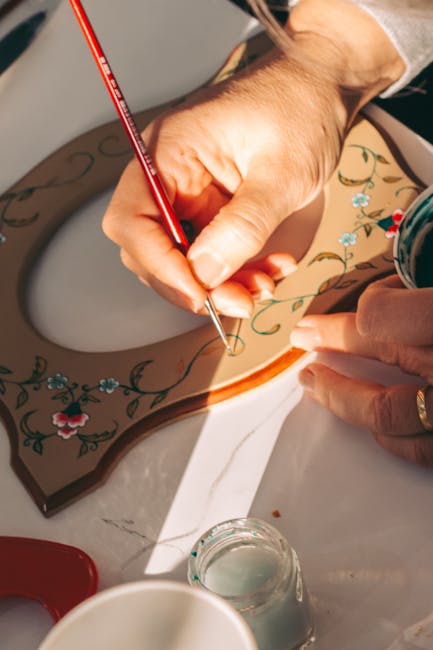
Another spot to visit is Bottega di Maria Russo, Via Umberto I, 7, 88049 Squillace (CZ). Hours: Monday to Saturday 10:00–13:00 and 16:00–19:00. Here the decoration is decidedly figurative: fish motifs, baroque patterns inspired by local palaces and small plates adorned with patron saints. Prices vary: decorated cups €12–18, decorative wall plates €30–70, round serving dishes €60–150 depending on size and complexity.
Practical tips for Squillace: park at the small public lot in Piazza del Popolo if you’re arriving by car, then climb the alleys on foot where you’ll still see orders for local restaurants. If you want a heavy piece shipped, ask the shop for a ‘professional packing’ service (€10–25 depending on size) and inquire about shipping options (local DHL/UPS or Poste Italiane courier). In high season (July–August), aim for a morning visit to avoid the heat and crowds.
Reggio Calabria: museum, urban studios and contemporary ceramicists
Reggio Calabria, a port city and provincial capital, offers an interesting mix of ancient heritage, national museums and contemporary ateliers. Start at the Museo Archeologico Nazionale di Reggio Calabria (MArRC), Via P. Colletta 31, 89121 Reggio Calabria (RC), where rich collections of mosaics and ancient objects help you understand the materials and colors of Magna Graecia. Opening hours: Tuesday–Sunday 09:00–19:30. Admission: €8 (reduced €4). The museum isn’t focused on modern ceramics but provides essential historical context.
For contemporary studios, head to La Ceramica di Bianchi, Via Vittorio Veneto 54, 89122 Reggio Calabria (RC). Hours: Tuesday–Saturday 10:00–13:00 and 16:00–20:00. Here ceramists explore modern forms and experimental glazes. A guided visit + demonstration costs about €10 per person; a 2-hour beginner workshop is offered at €35 including firing and postal delivery if you can’t pick up the piece yourself (shipping costs extra).
Reggio is also the place to buy design pieces: limited runs, signed small series and contemporary vases are displayed at Galleria Arte & Argilla, Corso Garibaldi 120, 89125 Reggio Calabria (RC). Hours: Wednesday–Sunday 11:00–19:00. Prices range from €20 for a decorated dish to €300+ for a large signature piece. If you visit in the late afternoon, take the lungomare Falcomatà for sunset photos — the light highlights the nuances of glazes beautifully.
Practical tips for Reggio: take time to talk with artists — many work to commission and will customize a color palette. Always check the firing code shown (bassa temperatura = low temperature, alta temperatura = high temperature) and ask for a technical sheet if you plan to use the piece for food. Shops often offer reinforced boxes for transport (€5–30). And if you want to combine culture and food, stop at Trattoria del Porto, Via Marina 2, for parmigiana di melanzane and notice how dishes are served on locally made ceramics.
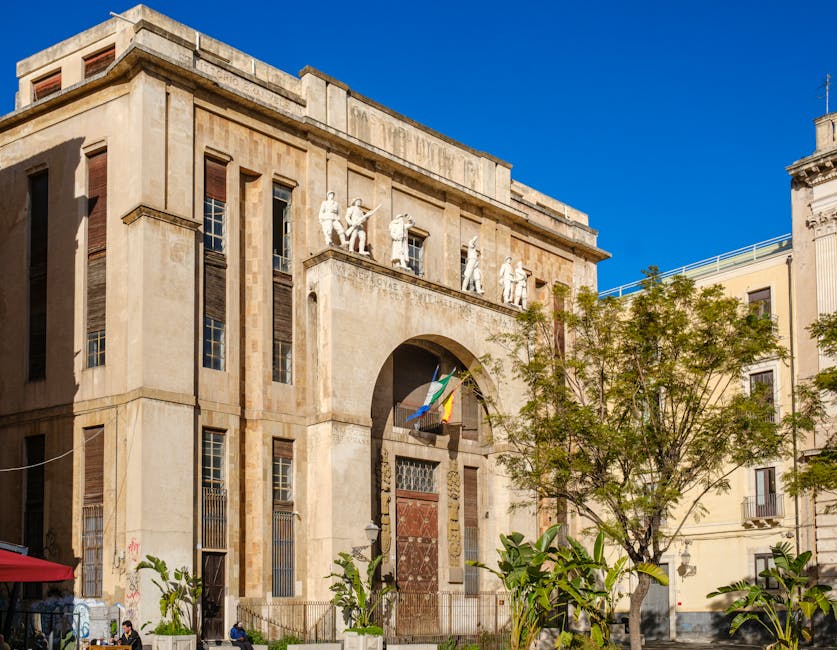
Rural workshops and small manufactories: Rende, Cosenza and Crotone
Calabria isn’t limited to coasts: the inland areas host family workshops where old recipes survive. In Rende, near Cosenza, the TerraRende studio (Atelier Terracotta Rende) is at Via Don Minzoni 3, 87036 Rende (CS). Hours: Monday–Saturday 09:00–12:30 and 15:30–18:30. Activities: wheel-throwing and traditional firing. Prices: demonstration €8, kids’ workshop €18 (1h), adult workshop €40 (2h, including firing and shipping if needed).
Cosenza, a university town, has a young, experimental ceramic scene. Ceramica Moderna di Cosenza, Via Alfonso Rendano 21, 87100 Cosenza (CS), hosts artist residencies and temporary exhibitions. Opening hours: Wednesday–Sunday 10:00–18:00. Free self-guided visits, paid workshops (€30–60 depending on length and materials). It’s a great spot to see the meeting of Calabrian tradition and contemporary design.
Further east in Crotone, Officina Ceramica Crotone, Via Marina 45, 88900 Crotone (KR), works a lot for restaurants and public art: large tiles, enamelled fountains and basins. Hours: Tuesday–Saturday 09:00–13:00 and 16:00–19:00. Prices: workshop visit €6, custom orders from €120 depending on the project. The studio also runs intensive weekend workshops (€120 per person) including an overnight stay in a partner B&B.
Tips for rural workshops: call or send a WhatsApp beforehand — many open by appointment in low season. Wear closed-toe shoes if you want to see the kilns and clay prep area. Always ask permission before photographing; some artisans prefer certain recipes or preparations not to be filmed. Take the chance to taste local produce often sold in studio shops — house olive oil, jams and herbs make perfect complements to a ceramic piece in your suitcase.
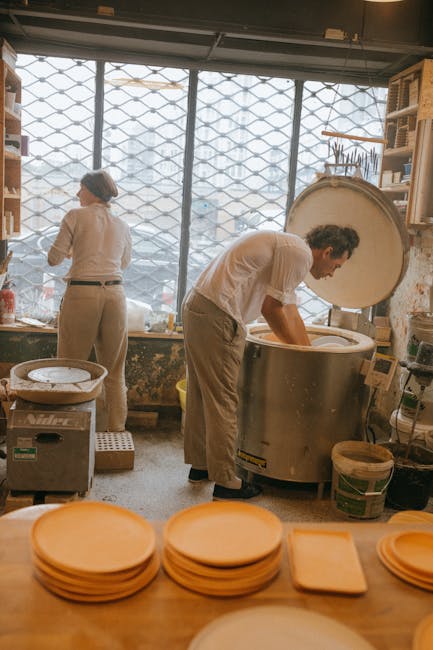
Practical tips for visiting, buying and bringing home your ceramics
Visiting ceramic workshops requires a few logistical and behavioral precautions. First, reservations: many artisans work irregular hours or step away for firings that often last a whole day. Call 48 hours ahead to book a demonstration or workshop. Language: Italian is dominant; in larger towns you may find explanations in English. Bring a small notebook to jot down artisan names, glaze recipes or firing codes (handy for care instructions).
Prices and budget: expect guided visits + demonstration to cost between €5 and €20. A beginner painting workshop usually costs €20–50 depending on duration and whether firing is included. Ready-to-buy pieces: small cups €8–20, wall plates €30–150, vases and artist pieces €100–500 and up. Bargaining: haggling happens sometimes at markets or when buying multiples, but always stay respectful — a smile and the phrase “posso fare un piccolo sconto?” often work better than aggressive bargaining.
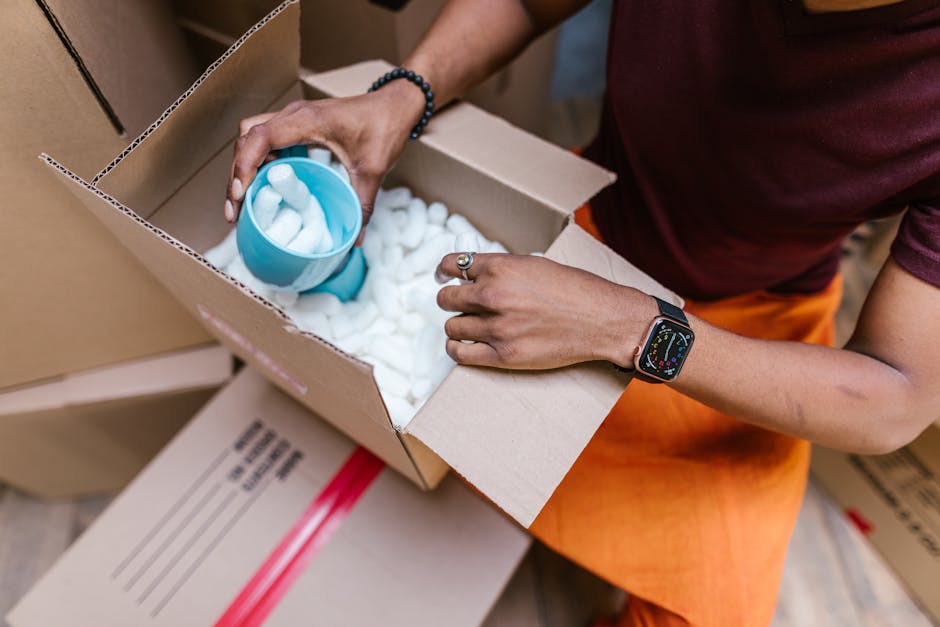
Transport and packing: ask for professional packing (bubble wrap + reinforced box). Indicative price: €10–35 depending on size. For international shipping, choose a reputable carrier and request additional insurance for breakage. If you keep the piece in your suitcase, pack it in the center of a clothing stack and, if possible, place it in carry-on. Also check for the label « food safe » if you plan to use ceramics for serving food — some older glazes can contain lead; explicitly ask for a technical sheet or the label « senza piombo / lead-free« .
Respecting artisans and sustainability: buy local when possible, avoid industrial copies, and ask the story behind the piece — artisans love to share their work. Think traceability: note the workshop name, date, and take a photo. If you want a custom order, discuss lead times (from two weeks to several months depending on complexity) and a deposit (usually 30–50%).
Practical checklist before you go
- Book at least 48 hours in advance by phone or email.
- Bring cash and a bank card — some workshops accept cash only.
- Wear closed-toe shoes and clothes you don’t mind getting dirty.
- Ask for the label « senza piombo / lead-free » if you buy items for food use.
- Check opening hours (many close in the afternoons during low season).
- Plan shipping or packing logistics to avoid breakage.
Conclusion: Bringing Calabria home — more than just an object
Visiting ceramic workshops in Calabria is first and foremost a way to reconnect with a living heritage: hands shaping clay, pigments telling geography, forms testifying to a Mediterranean history. The pieces you bring home are more than decorative souvenirs: they embody know-how, support the local economy and represent a dialogue between past and present. Each hand-painted cup or glazed tile is a tactile archive you take with you.
Practically speaking, the success of your stroll will depend on preparation: reservations, budget, packing and understanding technical labels (firing, food use). The studios I’ve suggested — in Squillace, Reggio Calabria, Rende, Cosenza and Crotone — offer a spectrum of experiences: historical demonstrations, beginner workshops and signed contemporary pieces. Prices are indicative; expect variation depending on season, size and the maker’s reputation. By buying locally you support families, help preserve craft skills and leave with a meaningful object.
Finally, give yourself time. Calabria reveals itself slowly: a morning at the workshop, lunch in a trattoria where the plates were handmade, a sunset stroll along Reggio’s lungomare. Take time to talk, ask about pigments, photograph without disturbing and, if you can, join a workshop. You might carry traces of clay on your hands for a night or two — tangible proof of an experience lived. And when you use your first Calabrian piece at home, you’ll remember not just the color and shape but the voices, smells and gestures that made it unique.