





Introduction: Spice and Soul — ‘Nduja, the Essence of Calabria
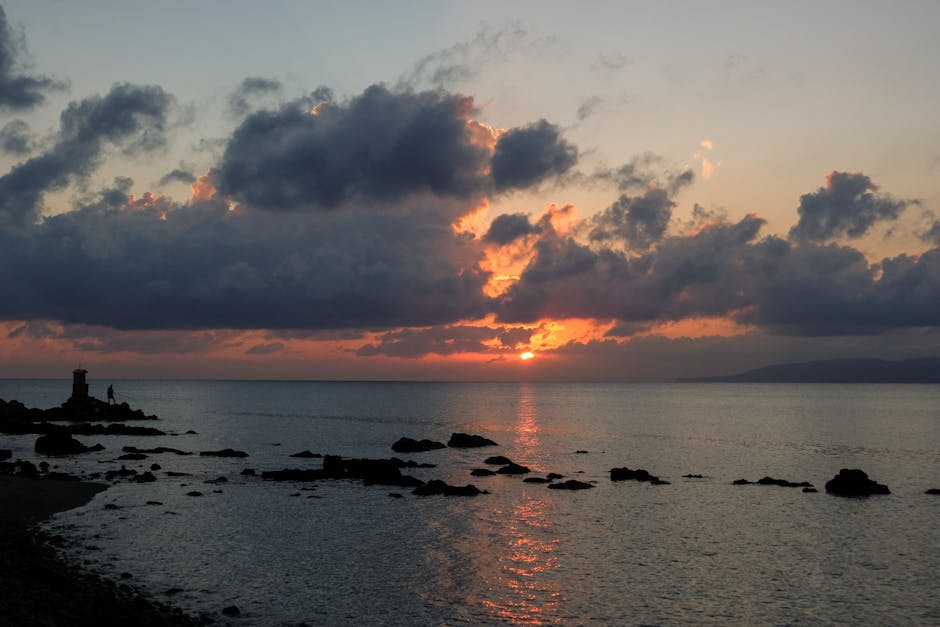
Calabria, the heel of Italy’s boot lapped by the Ionian and Tyrrhenian seas, overflows with bold flavors and sun-drenched stories of earth and fire. At the heart of this rugged, generous region sits a product that blends peasant rusticity with modern sophistication: ‘nduja. More than just a cured meat, ‘nduja is spicy poetry — a hearty spreadable paste shaped by generations of butchers and home cooks that has crossed centuries to win a place on tables around the world.
In this article I’ll take you on a sensory, practical journey through Calabria — especially around Spilinga, Vibo Valentia and Tropea — to trace ‘nduja’s origins, production methods, the best places to taste authentic examples, and local secrets only the residents dare share. You’ll find exact addresses, opening hours, indicative prices and practical tips for buying, storing and cooking ‘nduja like a Calabrian. This is not just a culinary deep dive: it’s cultural immersion. Chili fields, smoky little workshops, early-morning markets and checked-tablecloth trattorias tell a story of patience, sharing and climate-driven adaptation.
‘Nduja was born of necessity: using up meat, preserving leftovers, and providing a nutritious, flavorful food during long periods of uncertain supply. Today it graces gourmet platters, appears in contemporary creations (pasta, pizzas, even savory ice cream) and attracts curious food lovers chasing authenticity. Behind the modern presentations lie immutable gestures — crushing local « peperoncino calabrese« , measured salting, cellar aging in dry caves and patience.
Through the sections below I’ll guide you: 1) to the terroirs that produce the best chillies, 2) to the workshops and homes where ‘nduja is made from family recipes, 3) to the top addresses to taste it in Tropea and Spilinga, and 4) to recipe ideas, wine pairings and storage tips. Each section includes full addresses, opening hours and prices so you can plan your trip without improvising, plus practical advice — from the best time to visit a cooperative to how to transport ‘nduja by plane.
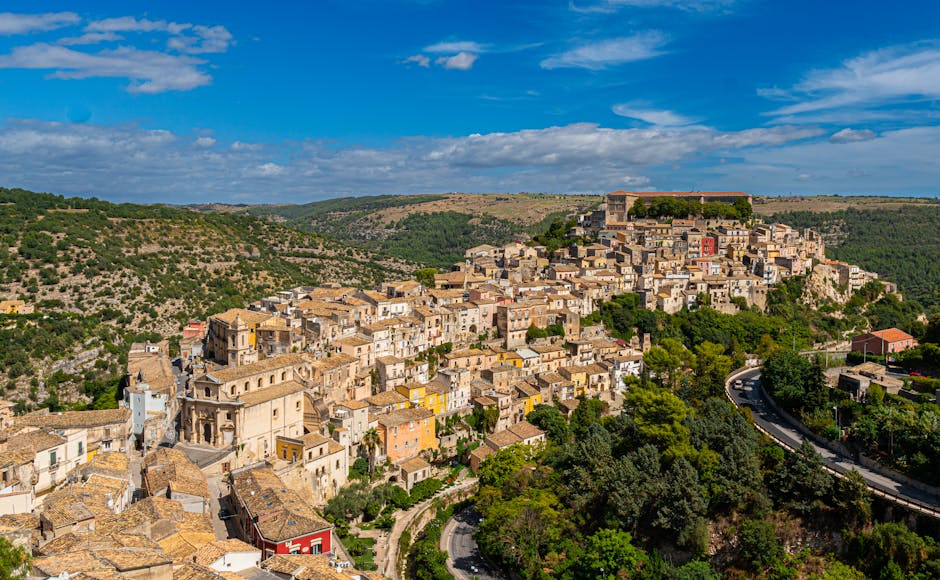
Calabria can’t be described without its landscapes: sparkling seas, forested mountains, ancient alleyways. Likewise, ‘nduja can’t be captured without sensory imagery — crimson color, silky texture, an aroma that wakes long-closed taste memories. Throughout this article you’ll find visual cues to help picture these moments. Ready your palate: meeting ‘nduja is a small salty-spicy shock that, when handled right, becomes an addictive delight.
Terroir and the Calabrian Chili: Soil, Climate and Varieties
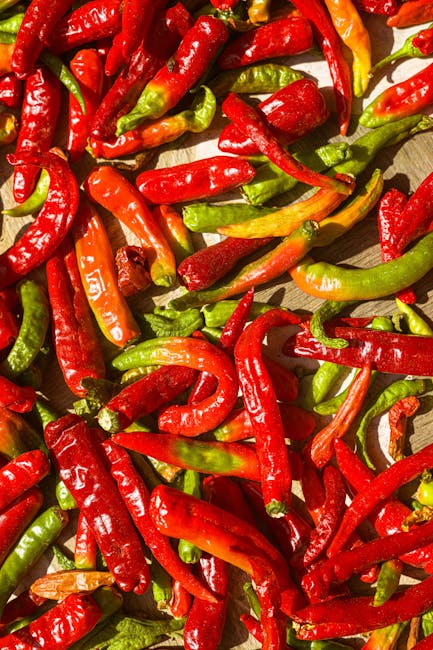
The quality of a good ‘nduja starts with the chili. The province of Vibo Valentia, and specifically the town of Spilinga, is famed for its peperoncino calabrese — a chili that’s both fruity and fiercely hot, giving ‘nduja its color and character. Volcanic and alluvial soils and a Mediterranean climate — hot dry summers, mild winters — concentrate the flavors. Families who pass down seeds and growing practices play a huge role: you’ll hear about local peppers like « peperoncino rosso di Calabria » or simply native varieties adapted to Calabria’s microclimates.
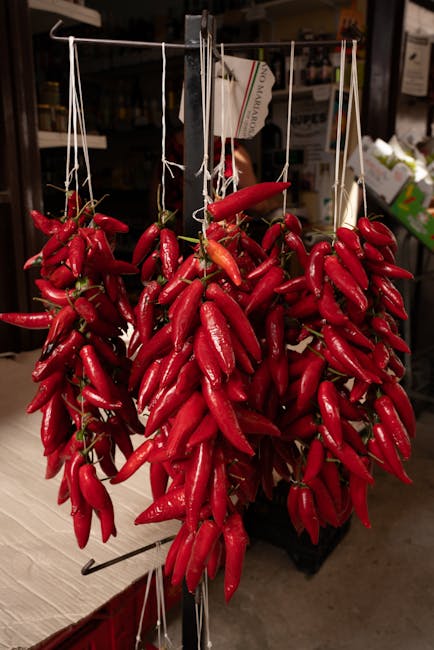
Visiting a chili field in Calabria in August or September is a full sensory experience: red clusters hanging, air smelling of sun, and harvests done by hand. Some farms offer guided tours and drying workshops where you’ll see clusters move from drying racks to being ground into powder or turned into paste. The cooperative « Cooperativa Agricola Peperoncino di Spilinga » (Via Provinciale 12, 89829 Spilinga, Vibo Valentia) runs informal tours: entrance is usually free, with paid workshops around €15–30 depending on duration. Opening hours: tours by appointment Monday to Friday, 9:00–17:00. Best time to visit is harvest season, late August to October.
Another spot to note is Fattoria La Marchesa (Contrada Palumbo 3, 89920 Tropea). They grow milder varieties for different uses — like gentler chili pastes or culinary infusions. Entry fees apply for workshops (€10–25) and reservations by phone are recommended (+39 0963 000000 — check local numbers before you go). Visiting hours: 9:30–13:00 and 15:00–18:30, closed Sunday morning.
Practical tips for visitors:
- Season: aim for August–September for harvest, but visit in January–February to see indoor aging processes.
- Transport: rent a car; public transport poorly serves small agricultural villages.
- Buying fresh chilies: only buy fresh if you can refrigerate or dry them quickly; otherwise opt for powdered or ready-made paste to take home.
- Cultural respect: always ask before taking photos in fields or artisanal workshops.
Workshops and ‘Nduja Producers: Making Secrets and Artisan Visits
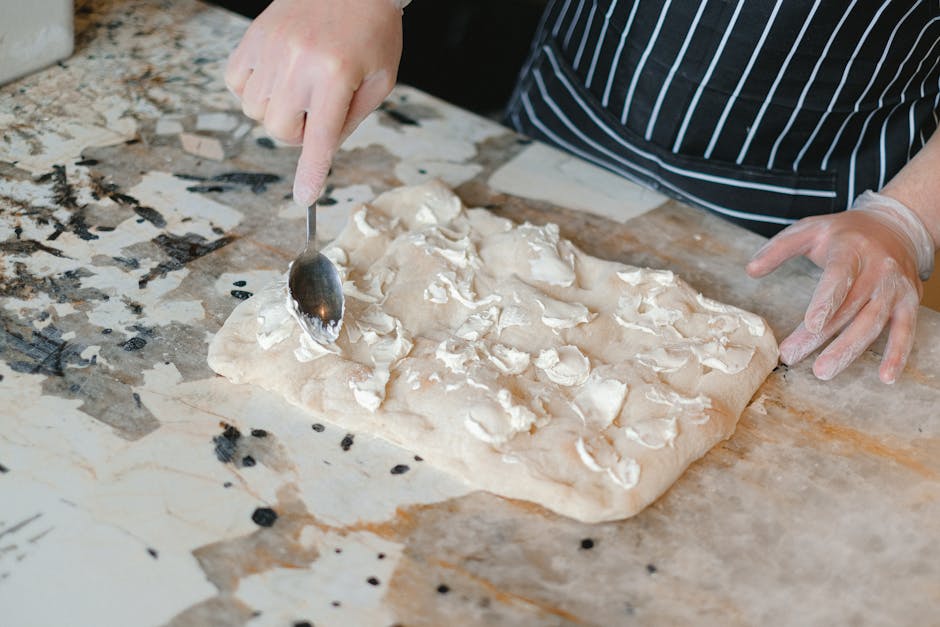
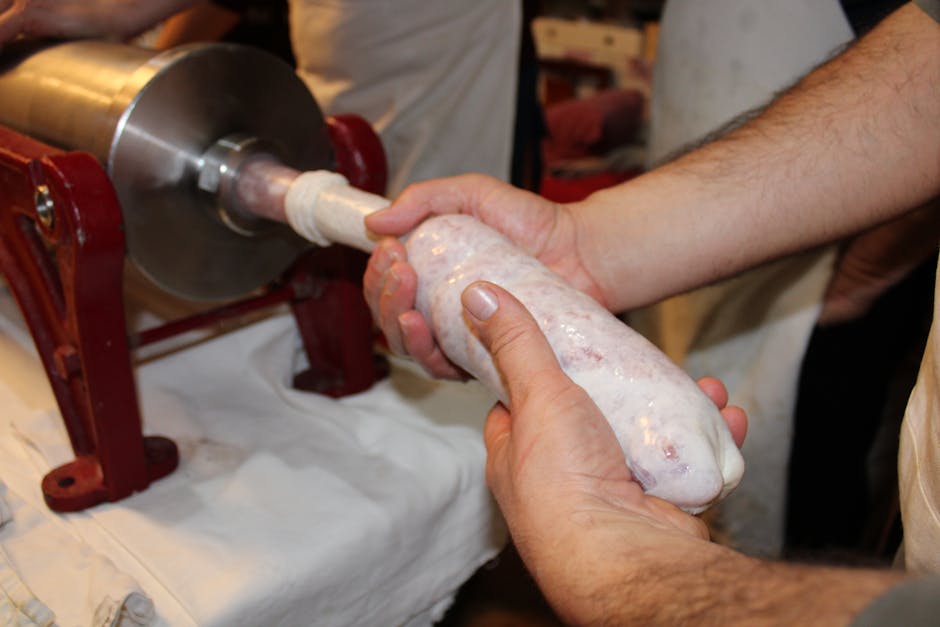
Making ‘nduja mostly remains a family, artisanal craft. In Calabria some workshops welcome visitors and put on demonstrations — a rare chance to learn about proportions, grinding, emulsifying and aging. A must-see is the Museo della ‘Nduja e Laboratorio Artigianale (Via Roma 10, 89829 Spilinga). The museum traces local history, displays traditional tools and offers daily demonstrations. Entry: €5 for the museum; hands-on workshops €20–40 depending on the format (tasting included). Opening hours: 10:00–13:00 and 15:00–18:00, closed Mondays. Booking is recommended for groups.
At Macelleria Artigiana « Iannuzzi » (Piazza Umberto I, 1, 89822 Tropea) you can observe the traditional process by appointment: the grinder, mixing with pork fat, the right amount of salt and chili, then stuffing the casings. Address: Macelleria Iannuzzi, Piazza Umberto I 1, 89822 Tropea. Hours: Tuesday–Saturday 8:00–13:00 and 16:00–19:30, closed Sunday. Prices: take-away trays of ‘nduja from around €4 per 100 g. Many artisans also offer short courses on storage and culinary use (€15–30).
A frequently guarded secret is the ratio of pork fat (pantano) and the type of casing — both heavily influence the final texture. Master butchers will tell you that quality fat, cold-ground, and freshly crushed chili are essential to bind the flavors. Aging usually happens in naturally ventilated cellars where temperatures stay steady (12–16 °C) with moderate humidity. ‘Nduja is ready after a few weeks, though some producers age it for months for a stronger flavor.
Practical tips for visits:
- Contact in advance: call at least a week ahead for workshops. Small workshops have limited capacity.
- Clothing: wear covered, closed shoes and clothing in workshops to respect hygiene rules.
- Buying on site: buy several sizes: a small pot (100 g) to taste, a 500 g jar for cooking. Indicative prices: 100 g = €4–6, 500 g = €18–25 depending on aging.
- Transport: vacuum-seal for air travel; otherwise ‘nduja can leak and perfume your luggage.
Where to Taste ‘Nduja: Picks in Tropea, Spilinga and Vibo Valentia
‘Nduja shines both in markets and on the plates of fine restaurants. Here’s a curated list of spots serving authentic ‘nduja, with practical info (hours, prices, addresses) to help plan your tastings.
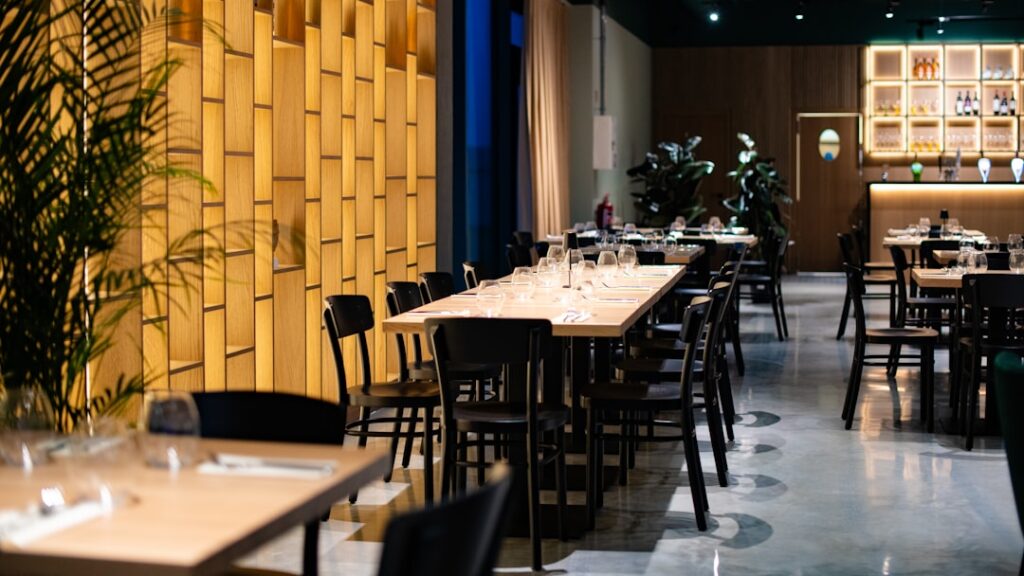
1) Trattoria La Palomba — Tropea
Address: Via Vittorio Veneto 4, 89861 Tropea (VV).
Hours: daily 12:00–15:00, 19:00–23:00. Closed Wednesdays off-season.
Prices: ‘nduja antipasti €8–12, pasta dishes €12–16, ‘nduja pizza €9–14.
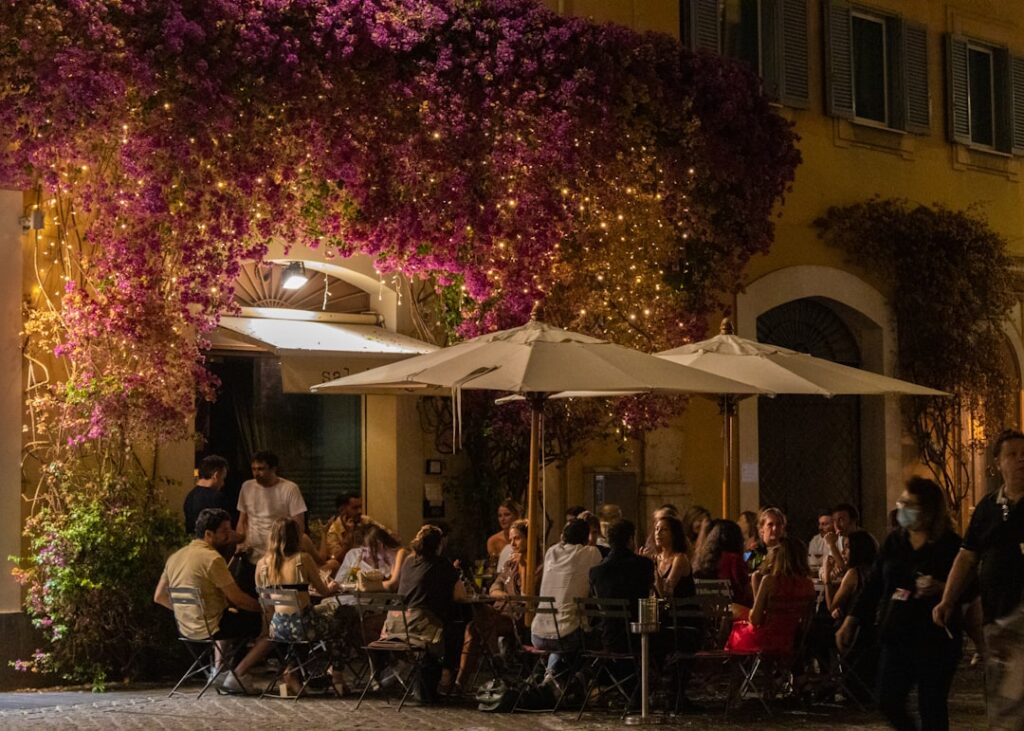
Description: a family-run spot steps from the Santa Maria dell’Isola cathedral. Trattoria La Palomba serves a creamy ‘nduja bruschetta and a « Spaghetti alla ‘nduja e ricotta » that showcases the spicy paste mellowed by fresh ricotta. Friendly atmosphere, summer terrace service available; reserve in high season.
2) Osteria del Porto — Vibo Marina, Vibo Valentia
Address: Lungomare Vittorio Emanuele III, 89822 Vibo Marina (VV).
Hours: 12:00–15:00, 18:30–22:30, closed Mondays.
Prices: fish dishes with an ‘nduja condiment €15–25, local charcuterie board €12–18.
Description: this osteria pairs seafood with local cured meats. Try the « seppie con ‘nduja » (cuttlefish with ‘nduja) for a striking land-sea contrast. The setting overlooks the sea — ideal at sunset.
3) Antica Macelleria Calabrese — Spilinga
Address: Via Umberto I 8, 89829 Spilinga (VV).
Hours: Tuesday–Saturday 8:00–13:00, 15:30–19:00, closed Sunday.
Prices: artisanal ‘nduja 100 g = €5, 500 g jar = €22.
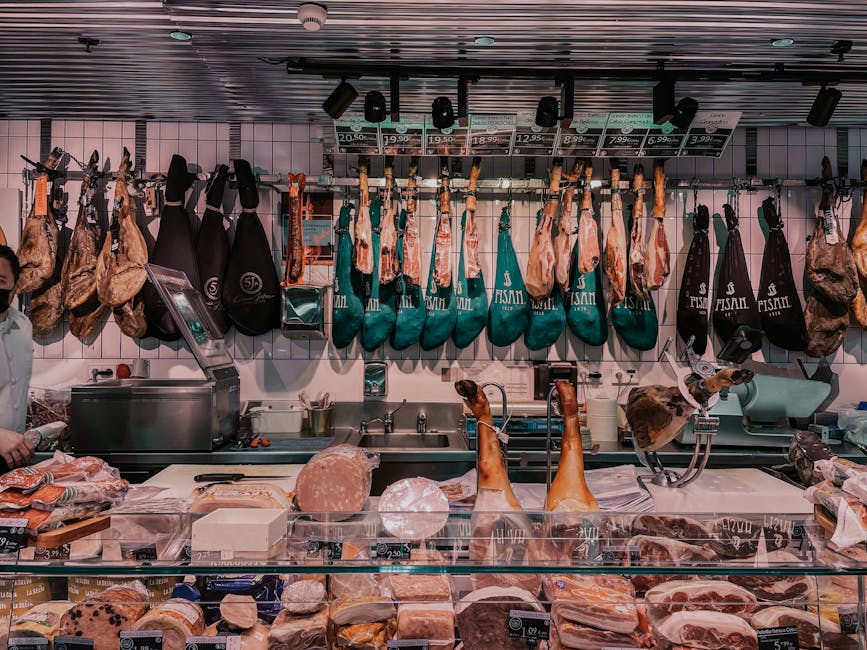
Description: a master butcher’s shop where you can buy fresh portions, get advice on maturation and leave with local recipes. Tastings possible on site; passionate staff ready to explain every component.
4) Ristorante Il Convivio — Vibo Valentia
Address: Via della Libertà 32, 89900 Vibo Valentia (VV).
Hours: 12:30–15:00, 19:00–22:30, closed Sunday evenings.
Prices: tasting menu €35–55 depending on courses; wine pairing +€15.
Description: a more formal restaurant where chefs incorporate ‘nduja into contemporary dishes: veloutés, tartares and even savory desserts. Great place to sample innovative uses of the spicy paste.
Tips before you go:
- Reservations: in high season (July–August), book 2–3 days ahead for popular restaurants.
- Takeaway packaging: many places offer vacuum-sealed jars to prevent leaks and ease transport.
- Budget: a simple meal with ‘nduja tasting costs around €15–25 per person; a full gastronomic experience €40–70.
Recipes, Pairings and Kitchen Tips: Using ‘Nduja at Home
‘Nduja is incredibly versatile. Its paste-like texture makes it easy to fold into sauces, toasts, dressings and fresh pasta. Here are a few signature recipes, wine pairing ideas and tips to get the most from this Calabrian treasure.
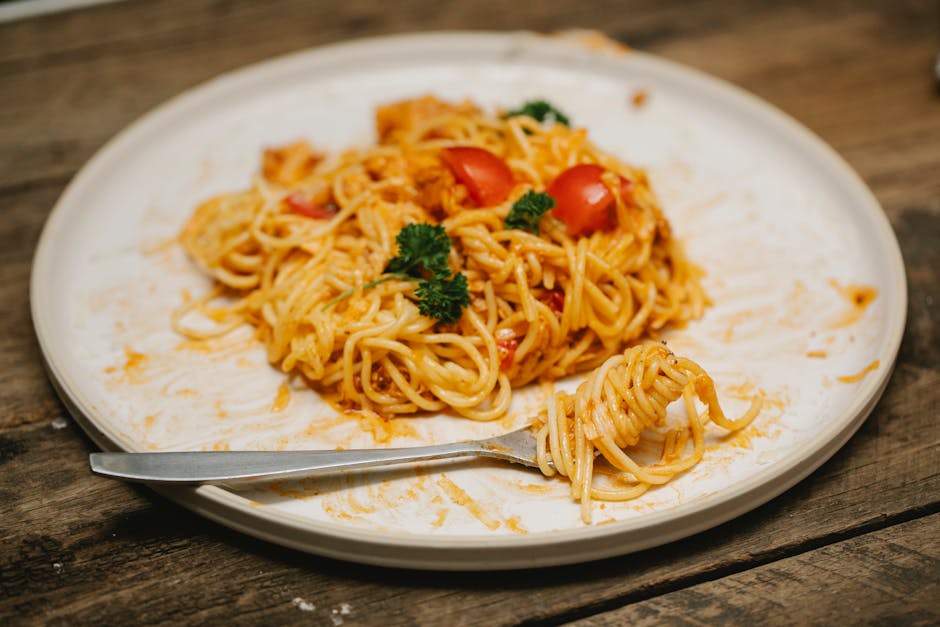
Simple recipe — Pasta alla ‘Nduja (serves 4):
- Ingredients: 320 g pasta (trofie, penne or spaghetti), 150 g crushed peeled tomatoes, 80 g ‘nduja, 1 small onion, 2 tablespoons extra-virgin olive oil, 30 g grated pecorino, salt and pepper.
- Method: sauté the sliced onion in oil, crumble in the ‘nduja so it melts, then add the tomatoes and simmer 8–10 minutes. Toss with al dente pasta, sprinkle pecorino and serve right away.
- Time: 20–25 minutes. Approximate cost: €6–8 per person (depending on ‘nduja price).
Wine pairings:
- Light to medium reds: Cirò Rosso (Calabria), often €8–15 a bottle.
- Aromatic whites: Greco di Bianco (good with fish dishes that include ‘nduja), €12–20.
- Craft beers: IPAs or pale ales to counterbalance the chili heat.
Practical tips:
- Dosage: start with a small amount (10–15 g per person) if you aren’t used to heat. ‘Nduja’s spiciness varies with aging and pepper variety.
- Storage: opened ‘nduja keeps in the fridge 2–3 weeks in an airtight jar; for longer storage freeze individual portions (100–150 g) vacuum-sealed up to 6 months.
- Substitute: if you can’t find ‘nduja, try crumbled mild chorizo mixed with chili purée; it won’t be identical but will add a smoky, spicy touch.
- Creative use: make an ‘nduja vinaigrette (5 g ‘nduja, 2 tablespoons oil, 1 tablespoon balsamic vinegar) to dress grilled vegetables.
Traveler Tips: Markets, Accommodation and Logistics
Planning a trip focused on ‘nduja takes a bit of organization, especially if you want to visit artisan producers and bring products home. Here are practical tips to make the most of your Calabrian experience.
Local markets:
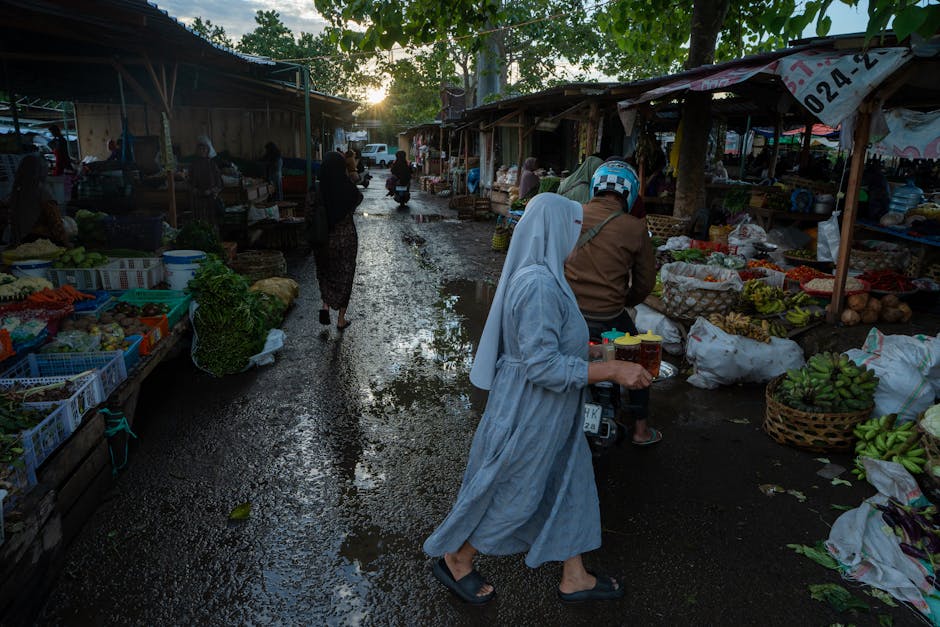
- Tropea Market — Piazza Vittorio Emanuele, Tropea: weekly market Wednesday mornings (7:30–13:00). You’ll find local producers selling vegetables, cheeses and charcuterie including ‘nduja. Tip: arrive early for the best picks.
- Mercato di Vibo Valentia — Corso Umberto I, Vibo Valentia: daily morning market with a section dedicated to local salumi. Hours: 7:00–13:00, closed Sunday.
Accommodation:
- Albergo Villa Paola (Via Libertà 27, 89822 Tropea) — double rooms from €70 low season, €120 high season. Breakfast included. Reception hours: 7:00–23:00.
- B&B Casa Spilinga (Via Roma 15, 89829 Spilinga) — double rooms €50–80, homemade breakfast with local products. Booking by email recommended.
Transport and logistics:
- Car rental: essential to reach farms and workshops. Rent at Lamezia Terme Airport (Aeroporto di Lamezia Terme, Via Aeroporto, 88046 Lamezia Terme): agencies open 7:00–23:00. Prices: compacts from €25–40 per day depending on season.
- Luggage: vacuum-seal ‘nduja to avoid leaks. In checked luggage it’s allowed; in carry-on, check airline rules for food items.
- Language: outside tourist areas, Italian (or the Calabrian dialect) is the norm; basic phrases help: « Per favore », « Grazie », « Posso assaggiare? »
Safety and respect:
- Respect local rest times (often a midday break in summer); avoid disturbing small workshops during these hours.
- Cash payments are common at markets and with small artisans; keep some euros on hand (€20–50 minimum).
Practical checklist before you go
Don’t forget:
- Book at least one workshop or museum visit (Museo della ‘Nduja in Spilinga).
- Luggage space for vacuum-sealed jars and an insulated bag for the trip home day.
- Contact details for accommodations and listed addresses to confirm seasonal hours.
Conclusion: From Terroir to Table — ‘Nduja as a Cultural Experience
‘Nduja is more than a condiment: it’s an edible testimony of a region that turned limits and resources into delights. From Spilinga to Tropea and Vibo Valentia, every alley, workshop and market bears the mark of a craft that survived industrialization and now fascinates chefs and food lovers worldwide. Tasting ‘nduja in its place of origin is hearing the distant sea, feeling the sun’s warmth on the chilies and watching the slow hands of butcher-artisans who keep the tradition alive.
Practically speaking, this trip needs some planning: book workshops, rent a car, pack vacuum-sealed containers for transport. The rewards are significant: meeting warm-hearted producers, buying authentic products at fair prices (expect €4–6 per 100 g in artisan shops), and enjoying unique taste experiences — from a simple bruschetta to a gastronomic reinterpretation. Pairings with local wines like Cirò or craft beers enhance the tasting and show how ‘nduja works equally well with land and sea cuisine.
Finally, ‘nduja is a bridge between past and present: once prized for preservation and sustenance, it’s now a symbol of culinary identity and innovation. Whether you’re a curious traveler, a food enthusiast or a chef seeking inspiration, Calabria awaits with its markets, museums, trattorias and workshops. Bring home a jar — and memories: sunsets over village roofs, conversations with artisans and the lingering flavor of a well-crafted Calabrian chili. This guide ends not as a conclusion but as an invitation: go, taste and tell your own story of ‘nduja’s spicy poetry.