





Introduction — Why Bring Wines Back from Calabria?
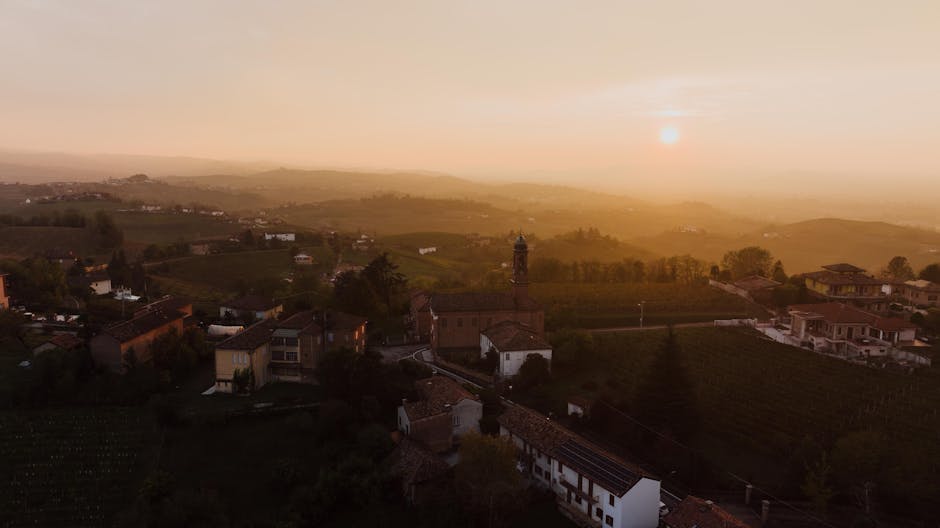
Calabria, the southern tip of Italy’s boot, is known for wild landscapes, turquoise seas and hearty culinary traditions — but it’s also a historic wine region that deserves a spot in any serious cellar. Long overshadowed by the big names up north and in central Italy, Calabrian winemaking has recently been revitalized by passionate producers and a renewed focus on native grapes like Gaglioppo, Greco Nero and Magliocco. These wines tell the story of a Mediterranean terroir: sun-soaked exposures, clay and limestone soils, and a strong cultural identity shaped by Greek, Norman and Aragonese influences.
Bringing bottles of Calabrian wine home means taking a genuine piece of the region with you: robust, spicy reds; fresh, saline rosés; aromatic, floral whites; and carefully crafted country wines. Beyond tasting pleasure, buying directly from producers or specialty cellars lets you meet makers, learn about their methods (amphora fermentations, barrel aging, biodynamic or organic practices), and often receive tailored advice on serving and cellaring each label.
This guide highlights ten emblematic wines to take home from Calabria, with practical details for each: the producer, the exact address to buy or taste, indicative prices in euros, opening hours for wineries or shops, a sensory description and local tips for transport and storage. The practical info — addresses and hours — is designed to help you plan visits during your stay in Calabria, whether you’re based in Cosenza, Catanzaro, Reggio Calabria or touring the Ionian and Tyrrhenian coasts.
Throughout the guide you’ll find real places where you can not only buy but often taste rare or collector cuvées on site. We picked a varied set of producers: historic family estates, young innovative winemakers, merchants and cooperatives that keep the local vineyard alive. The prices reflect the typical range, from everyday bottles to more ambitious cuvées that deserve a few years in the cellar.
A few practical tips before you go: use a hard-sided transport case or padded bottle sleeves for travel; ask the shop about pack‑and‑ship options (many estates offer international shipping); keep bottles out of extreme heat during summer journeys. Most of all, enjoy the warm Calabrian welcome: producers love to share their stories and will often recommend a local dish that brings out their wine — kid ragù, fried sardine fillets, or dishes flavored with bergamot or local chili.
1. Librandi — Cirò Classico Don Antonio (Azienda Agricola Librandi)
Producer: Librandi Azienda Agricola
Winery / shop address: Cantine Librandi, Via Nazionale, 138, 88811 Cirò (KR), Italia
Indicative price: €12–18 per bottle (base), older vintages €25–45
Opening hours: Shop open Monday–Saturday 09:00–13:00 and 15:00–19:00. Tastings by reservation at +39 0962 940111.
Librandi is one of the pillars of Calabrian winemaking and played a major role in raising the profile of the Cirò appellation. The « Cirò Classico Don Antonio » is an excellent example of carefully worked Gaglioppo: garnet color, stewed red fruit aromas, gentle spice, licorice notes and firm yet rounded tannins. Depending on the vintage, aging in stainless steel and barrels preserves Mediterranean freshness while adding complexity.
A visit to Cantine Librandi is very informative: the winery sits along the main road through Cirò, easy to reach from Crotone or Catanzaro. Guided tours typically include the vinification cellars, traditional and modern tanks, and a tasting paired with local products (cheese, cured meats, olive oil). Ask for the historic « Don Antonio » cuvée and inquire about older vintages that are sometimes available only at the shop.
Local tips: during high season book your visit in advance; parking is ample but can fill up during local festivals. For transport, Librandi often offers reinforced packaging and European shipping. Keep bottles cool and out of the sun during travel — Gaglioppo can age moderately (5–10 years depending on vintage).
2. Ceraudo — Emòtion (Ceraudo Azienda Agricola, Strongoli)
Producer: Ceraudo Azienda Agricola
Winery / shop address: Tenuta Ceraudo, Contrada Grotte, 88815 Strongoli (KR), Italia
Indicative price: €20–40 per bottle depending on cuvée and vintage
Opening hours: Shop Monday–Saturday 10:00–13:00 / 15:30–19:30. Tastings by reservation; vineyard visits on request.
Perched not far from the Ionian coast, Ceraudo blends organic farming, respect for terroir and creativity. The Emòtion cuvée (or other signature bottlings depending on the vintage) shows the estate’s modern approach: careful blends, mature aging and Mediterranean aromatics. Expect a generous palate, dark fruit, garrigue herbs and a saline finish typical of vineyards close to the sea.
Tenuta Ceraudo offers a full experience: olive grove tours, cooking workshops and a restaurant where the chef creates high-level food-and-wine pairings. Visits explain the estate’s biodynamic philosophy and showcase Strongoli’s varied terroirs. Staff are often multilingual and happy to detail vinification choices, from gentle pressing to aging decisions.
Local tips: if you plan to buy several bottles, ask the shop about case prices — some estates offer discounts for multiple purchases. Bring bottle protection if flying. At home, pair Emòtion with Calabrian-style octopus or a herb-roasted lamb stew.
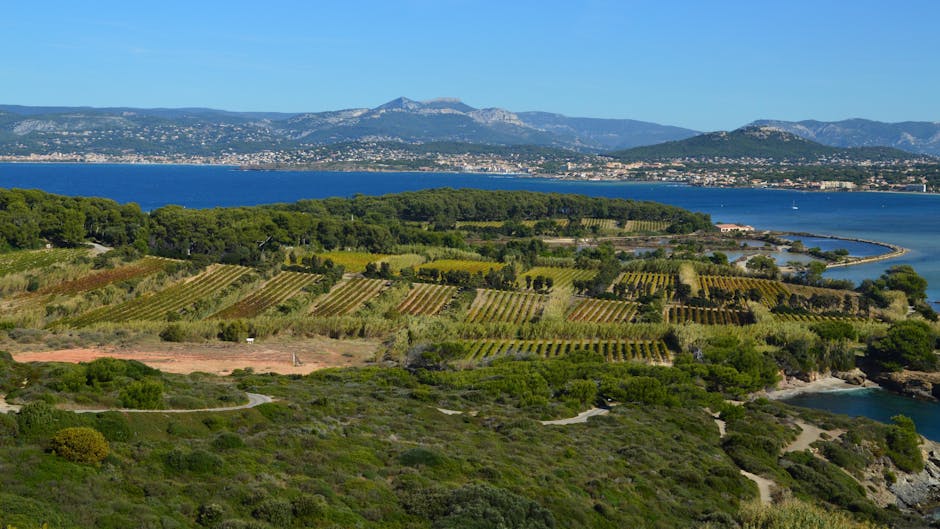
3. Ippolito 1845 — Soprano (Cantina Ippolito 1845, Cirò Marina)
Producer: Cantina Ippolito 1845
Winery / shop address: Cantina Ippolito 1845, Via Lungomare, 42, 88811 Cirò Marina (KR), Italia
Indicative price: €8–25 per bottle depending on range (Soprano, Reserva, older vintages)
Opening hours: Daily 09:00–13:00 / 16:00–20:00, tastings and guided tours by appointment.
Ippolito 1845 is one of the region’s historic houses, active since the 19th century. The « Soprano » cuvée strikes a balance between tradition and modernity: largely Gaglioppo-based, it shows fruity aromas, a delicate structure and great drinkability. These reds pair especially well with local cuisine, such as tomato-and-pepper dishes or meaty grilled fish.
The Cirò Marina cellar is easy to reach from the waterfront; its proximity to the sea adds a saline character to some bottles. Visits typically include a guided tasting explaining how vinification evolved over decades and the importance of sustainable viticulture in the area. The shop often carries older labels for curious collectors.
Local tips: don’t miss buying the estate olive oil when available — it’s often excellent and comes from the same groves. If you plan to ship bottles, ask staff for recommended packaging to prevent damage in transit.
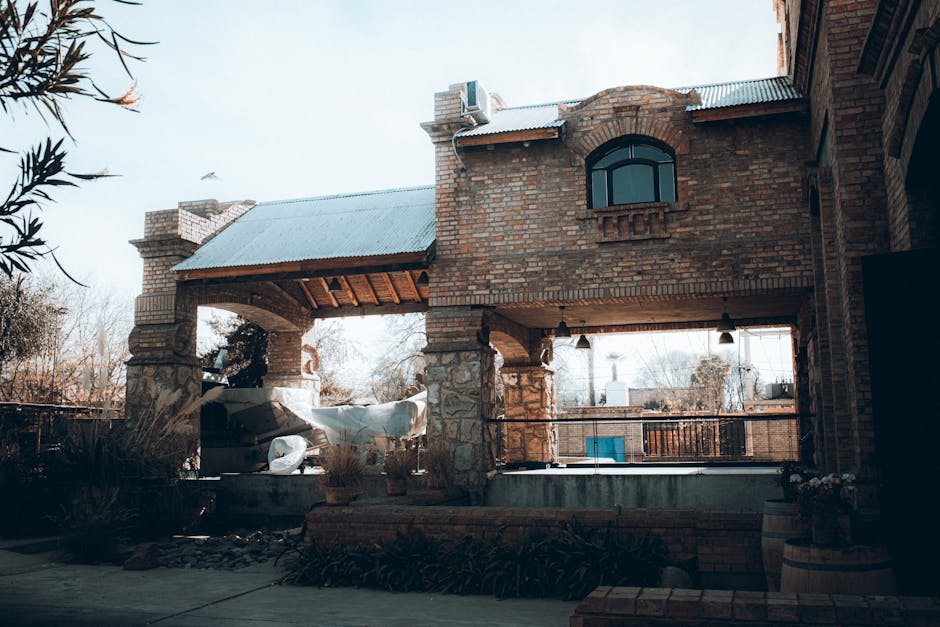
4. Statti — Kalos Rosso (Statti Azienda Agricola, Strongoli)
Producer: Azienda Agricola Statti
Winery / shop address: Cantina Statti, Via Provinciale, 1, 88815 Strongoli (KR), Italia
Indicative price: €10–22 per bottle
Opening hours: Monday–Saturday 09:00–12:30 / 15:30–19:00. Closed Sunday unless by appointment.
Statti is known for structured reds and aromatic whites. The « Kalos Rosso » — typically a blend dominated by local varieties — stands out with a deep color, blackberry and spice aromas and sometimes a balsamic hint. Aging varies by cuvée, but the estate aims to keep a clear expression of terroir.
The winery sits inland from Strongoli, making it easy to combine with a visit to Ceraudo since the two are close by. Tastings at Statti are often hosted by a family member or enologist who will patiently walk you through the winemaking steps and suggest food pairings (local cheeses, spicy cured meats, tomato and eggplant-based dishes).
Local tips: for an immersive experience, ask if you can visit the vineyards during harvest (late August to early October depending on the year) — the activity in the cellar then gives great insight into winemaking. For service, decant younger reds to soften tannins.
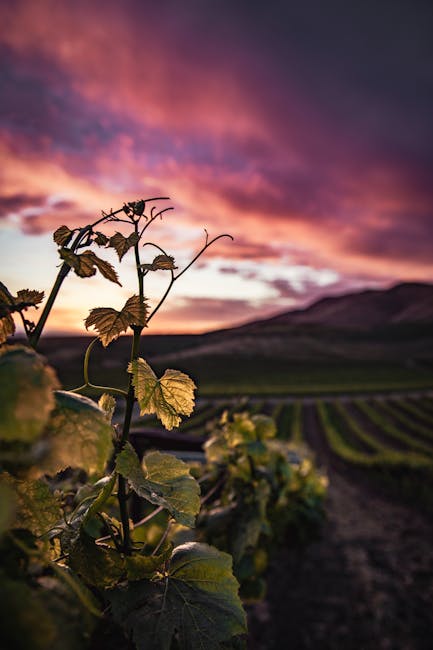
5. Ferrocinto — Magliocco Reserva (Azienda Agricola Ferrocinto, Castrovillari)
Producer: Ferrocinto Azienda Agricola
Winery / shop address: Ferrocinto, Contrada San Vito, 87012 Castrovillari (CS), Italia
Indicative price: €18–50 per bottle depending on reserves and vintages
Opening hours: Shop open Tuesday–Saturday 09:00–13:00 / 14:30–18:30. Visits by appointment at +39 0981 123456 (verify in advance).
Located near Castrovillari, Ferrocinto is recognized for developing the Magliocco grape, one of Calabria’s treasures. The « Magliocco Reserva » shows how this variety can produce powerful wines with tight tannins and aromas of dark fruit, Mediterranean herbs and spices. Extended barrel aging adds density and complexity that lends itself well to cellaring.
The estate is inland at slightly higher altitudes than the coast, which provides cool nights that help preserve acidity and balance. Tours at Ferrocinto typically include a walk through the vineyards, an explanation of cultural practices and a full tasting. Collectors will appreciate the limited-release long-aging wines available for purchase.
Local tips: for heavy bottles or full cases, check shipping options with the estate. Reserve wines need a cool cellar: 12–15 °C, protected from vibrations. On the table, Magliocco pairs well with porcini dishes, game and aged cheeses.
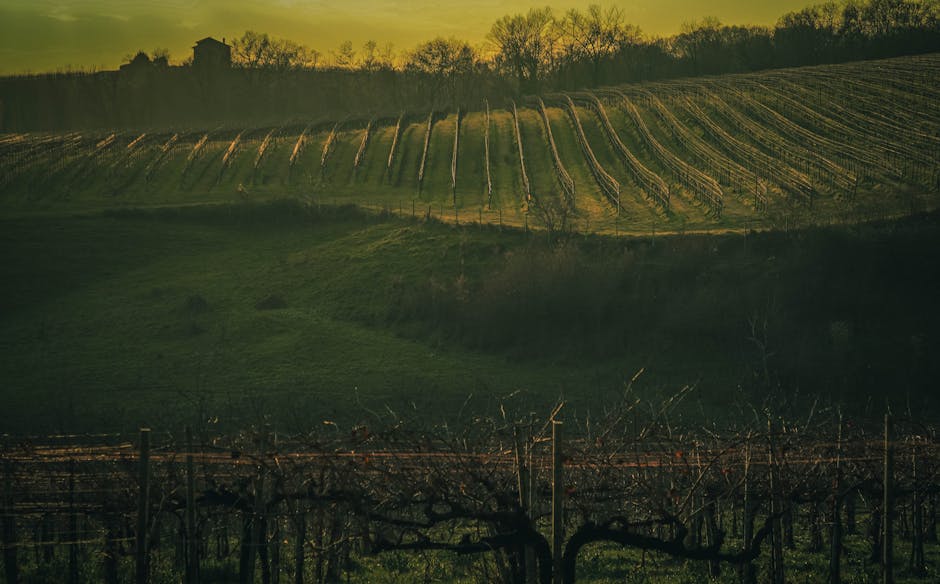
6. Valle Reale — Gaglioppo Riserva (Valle Reale Azienda Vinicola, Bianco)
Producer: Valle Reale Azienda Vinicola
Winery / shop address: Valle Reale, Via della Vigna, 3, 89021 Bianco (RC), Italia
Indicative price: €14–30 per bottle
Opening hours: Shop Monday–Saturday 10:00–13:00 / 16:00–19:00. Tastings and visits by reservation at +39 0964 123789.
Valle Reale is a producer in the province of Reggio Calabria, known for marine microclimates, especially around Bianco. Valle Reale’s « Gaglioppo Riserva » demonstrates the finesse and range this grape can reach when carefully aged: black cherry aromas, subtle floral notes, spice and a saline minerality on the finish. The local appellation benefits from maritime influence and varied soils to craft complex, distinctive wines.
Visits to Valle Reale are often intimate, with a family welcome and small-group tastings. The estate sometimes works toward organic conversion and emphasizes small-scale production, so certain cuvées are limited in quantity. Buying on site guarantees provenance and allows you to get specific cellaring and pairing advice.
Local tips: Gaglioppo Riserva pairs well with braised meats, roasted tomatoes and aged cheeses. If buying as a souvenir or gift, ask for bottle labeling with the vintage — collectors appreciate precise dates and limited-series notes.
7. Tenute Maraldo — Ippocrate (Tenute Maraldo, Vibo Valentia)
Producer: Tenute Maraldo
Winery / shop address: Tenute Maraldo, Contrada Maralo, 89900 Vibo Valentia (VV), Italia
Indicative price: €11–28 per bottle
Opening hours: Shop open Tuesday–Sunday 09:30–13:00 / 16:00–19:30. Closed Monday. Tastings by reservation.
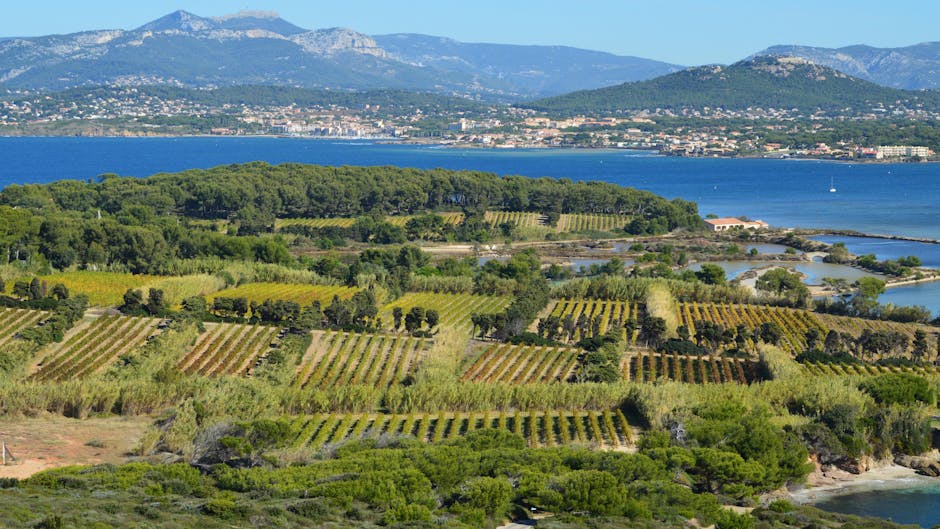
Tenute Maraldo, near Vibo Valentia, combines tradition with modern techniques. The « Ippocrate » cuvée showcases local expression — often Gaglioppo or indigenous blends — with a bright color, red and black fruit aromas, delicate oak and balanced acidity. Maraldo’s wines are suitable for immediate drinking as well as short-term cellaring.
The estate typically offers a pleasant tasting space and discovery packs for visitors who want to sample several bottles. It’s a great stop if you’re staying in Vibo Valentia province or passing between Tyrrhenian beaches and inland mountains.
Local tips: Tenute Maraldo sometimes runs blending workshops so you can learn how a cuvée is composed — a fun activity for small groups. Pack bottles properly when crossing hot zones; wine prefers stable temperatures and darkness during transport.
8. Torrevento — Greco Bianco (Cantina Torrevento, Amantea)
Producer: Cantina Torrevento
Winery / shop address: Cantina Torrevento, Via Nazionale, 45, 87032 Amantea (CS), Italia
Indicative price: €9–20 per bottle
Opening hours: Monday–Saturday 09:00–13:00 / 15:00–19:00. Tastings and visits by appointment.
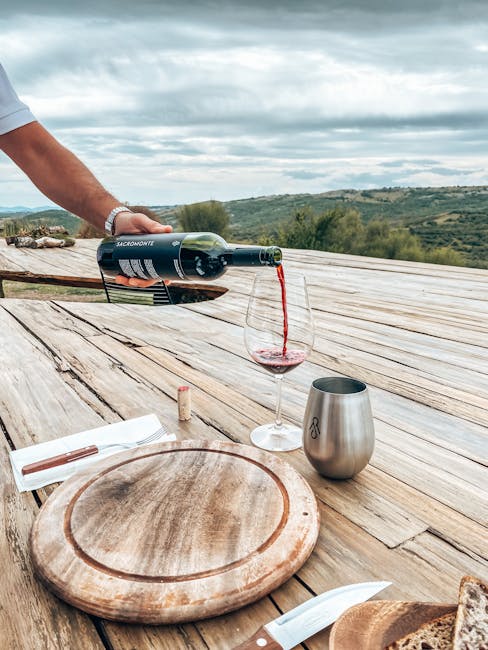
Calabria produces excellent, often underrated whites, and the local Greco (Greco Bianco) yields fresh, aromatic wines that pair perfectly with seafood. Torrevento’s Greco Bianco shows floral notes, citrus and a saline minerality — ideal with typical coastal fish dishes. It’s a great alternative to more famous whites from neighboring regions and clearly reflects the maritime climate of the Tyrrhenian coast.
Torrevento’s cellar in Amantea is convenient off the motorway, making it a handy stop for travelers heading south. Tastings usually emphasize food-and-wine pairings with seafood. The shop can also offer different formats (50 cl for some whites, or magnums for limited editions) — don’t hesitate to ask.
Local tips: serve Greco Bianco chilled (8–10 °C) and pair with shellfish, local ceviche or tomato-and-olive-oil bruschetta. In summer, avoid leaving bottles in a hot trunk — coastal temperatures can climb fast.
9. Pietra del Principe — Rosato di Gaglioppo (Azienda Pietra del Principe, Paola)
Producer: Azienda Pietra del Principe
Winery / shop address: Pietra del Principe, Via Coste, 12, 87027 Paola (CS), Italia
Indicative price: €7–15 per bottle
Opening hours: Shop open Tuesday–Sunday 09:00–13:00 / 16:00–19:00. Closed Monday. Tastings possible by appointment.
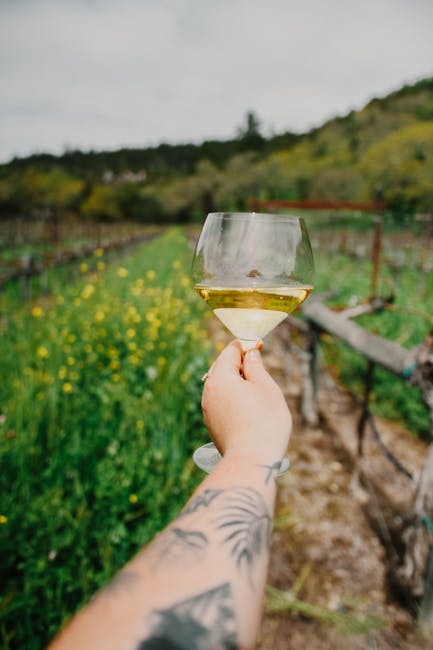
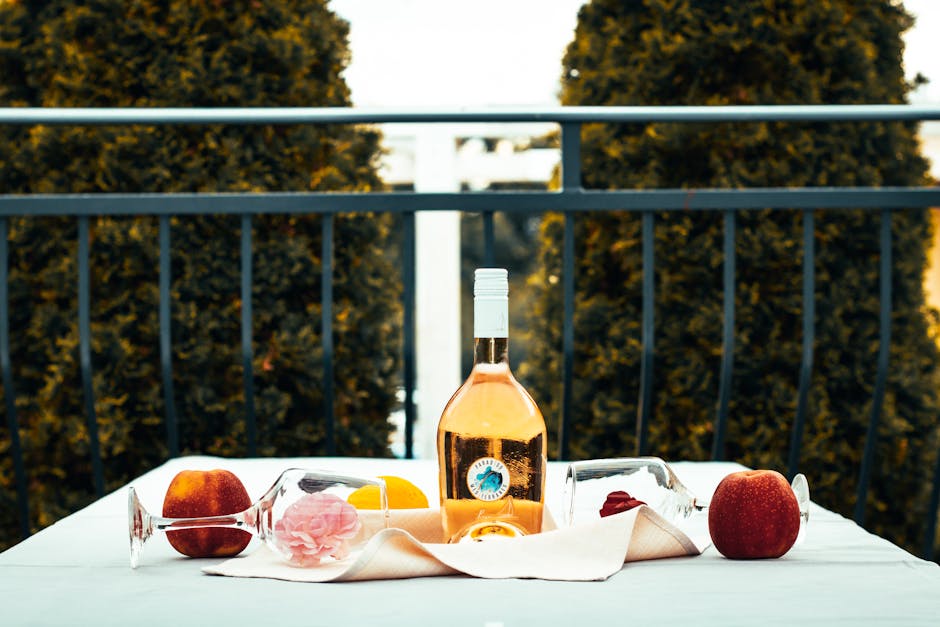
Calabrian rosé, often made from Gaglioppo, is a perfect companion for sunny days. Pietra del Principe’s « Rosato di Gaglioppo » is fresh and lively, with strawberry and blood orange aromas and a hint of Mediterranean herbs. Rosés from the region have improved greatly in recent years, offering a gastronomic alternative to classic whites and reds.
The Paola cellar is welcoming and frequently hosts outdoor tastings among the vines and olive trees. Rosés are generally best drunk young, though some higher-quality bottles can surprise with their length and ability to match structured dishes like seafood risotto or warm octopus salad.
Local tips: rosé is one of the easiest wines to travel with since it’s often consumed quickly, but ask the producer whether the cuvée tolerates light and heat — very delicate rosés benefit from chilled transport. Pair it with antipasti, street-food specialties (local arancini), or a vegetable-topped pizza.
10. Cantina del Notaio — Passito / Sweet Wines (Cantina del Notaio, Rossano)
Producer: Cantina del Notaio
Winery / shop address: Cantina del Notaio, Via della Vigna, 7, 87067 Rossano (CS), Italia
Indicative price: €15–60 per bottle depending on concentration and age
Opening hours: Shop Tuesday–Saturday 09:30–13:00 / 15:30–19:00. Closed Sunday and Monday morning; tastings by appointment.
Calabria also produces sweet and passito wines — less publicized but full of character. Cantina del Notaio crafts passito expressions from locally dried grapes, resulting in intensely aromatic wines of candied fruit, orange peel, honey and spice. These bottles make excellent gifts or dessert companions, pairing beautifully with blue cheeses or as a contemplative finish to a convivial meal.
Rossano, a historic town rich in Byzantine culture, benefits from microclimates suited to drying grapes and concentrating sugars. A visit usually includes an explanation of the drying and aging process, often carried out in part in small barrels. Because quantities are limited, these passitos are worth buying on site if you fall in love with them.
Local tips: store these wines at a stable temperature and serve slightly cool (12–14 °C) to balance sweetness and reveal aromas. If you buy multiple bottles as gifts, ask for gift boxes or pairing suggestions for each expression.
Conclusion — How to Choose and Bring Your Bottles Home with Peace of Mind
Bringing Calabrian wines home means taking back a tangible piece of a region undergoing a winemaking renaissance. The ten wines in this guide span a broad spectrum: structured Gaglioppo and Magliocco reds, aromatic whites like Greco, lively rosés and sweet passito wines. Each listed producer (Librandi, Ceraudo, Ippolito 1845, Statti, Ferrocinto, Valle Reale, Tenute Maraldo, Torrevento, Pietra del Principe, Cantina del Notaio) offers a different reading of Calabrian terroir, influenced by sea proximity, altitude, exposure and farming practices.
Practical logistics: when buying, always ask whether the shop provides reinforced packaging for transport or shipping services. Many estates now ship across Europe and internationally, which can be safer than trusting bottles to checked luggage. If you pack wines in your suitcase, choose a hard case or shockproof sleeves; place bottles in the suitcase center, cushioned by clothing. Avoid prolonged heat exposure, especially in summer.
Cellaring: most Calabrian wines listed here tolerate moderate aging, but many are also made for early enjoyment. Reserva wines often benefit from a cool cellar (12–15 °C) to develop favorably. For gifts, ask about vintage and expected longevity so you can give the bottle at its best.
Pairings and service: Calabrian wines are deeply rooted in the local cuisine — they pair naturally with dishes featuring tomatoes, eggplant, olives and chiles, as well as meatier coastal fish and inland braises. A Gaglioppo red will shine with kid ragù, while a Greco Bianco suits a seafood platter or fresh antipasti. Passitos make a fine finale alongside almond-based desserts or blue cheeses.
Final tips: book winery visits in advance during high season, bring a small notebook to record tasting impressions (vintage, aromas, pairings) and, when possible, reserve private tastings to access cuvées not normally offered for sale. Don’t be shy about chatting — Calabrian winemakers and families take pride in their products and enjoy sharing stories, serving tips and sometimes bottles from the cellar. Remember: bringing Calabrian wine home is more than buying a bottle — it’s supporting local viticulture, discovering unique grape varieties and extending your travels through taste.