





Introduction: Calabria’s grape varieties — a journey into centuries of winemaking
Calabria, that Mediterranean stretch reaching out toward Sicily, is often celebrated for its rugged landscapes, jagged coastlines and hilltop villages. But if you stop and listen to the land, Calabria also speaks wine. Its vineyards guard ancient, mostly native grape varieties that survived through centuries and tell the story of a region shaped by exchanges with Greeks, Romans, Byzantines and other southern Italian peoples. Getting to know Calabria’s signature grapes opens a window onto rural culture, vine-growing techniques adapted to poor soils and a sometimes harsh Mediterranean climate, and — most importantly — wines with a raw, mineral-driven and occasionally untamed character.
In this article I’ll demystify these varieties: moving beyond technical labels to explore what makes each grape unique, where it thrives, and how to pick it out during a tasting. We’ll cover the main families — robust reds like Gaglioppo and aromatic whites like Greco — as well as lesser-known varieties such as Mantonico and Magliocco, which are enjoying a revival thanks to local growers and younger winemakers. For every grape I’ll describe the typical aroma profile, mouthfeel, local food pairings and, crucially, the exact places to discover them: historic cellars, remarkable terroirs and regional wine museums.
This guide is written for curious travelers and newcomers who want to deepen their knowledge without unnecessary jargon. You’ll find practical addresses — estates, wine routes, museums — along with useful details: opening hours, tasting or entry fees, and tips to make the most of a visit. I’ll also slip in sensory recommendations: the best time of day to visit a terraced vineyard at sunset, how to smell a wine to pick up its wild herb notes, or how to ask for a vertical tasting of older vintages when it’s available.
Finally, because travel is above all visual and sensory, I’ve included visual cues to inspire your itinerary — mental images and photographic suggestions to help you capture these unique vineyard landscapes. Get ready for an immersion where terroir, climate and peasant memory combine to produce wines that tell the story of Calabria in every sip.
Gaglioppo: Calabria’s red heart
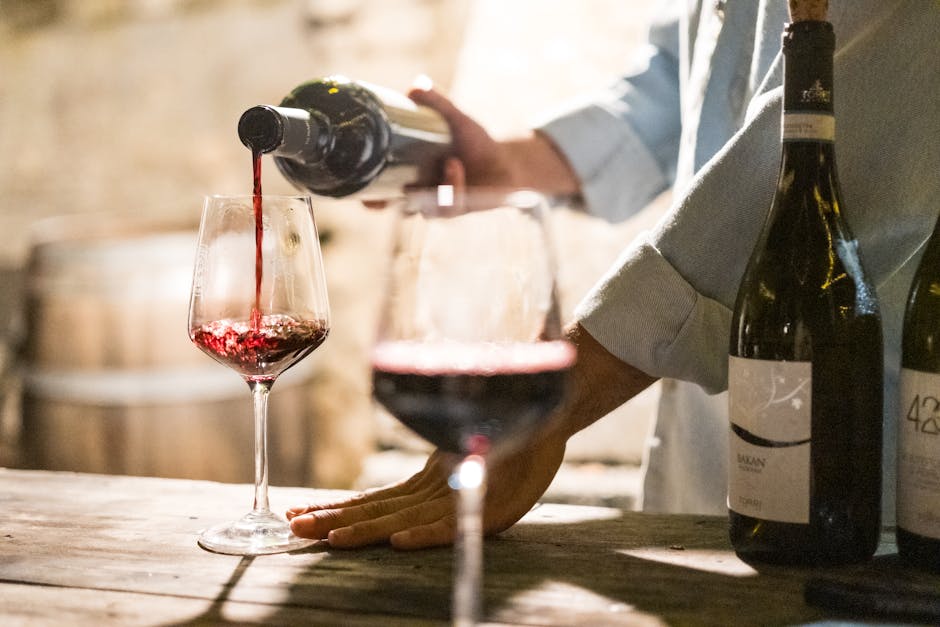
Gaglioppo is widely regarded as Calabria’s emblematic red grape. Native to southern Italy, it dominates blends in the Cirò area (Cirò DOC) and is known for firm tannins, lively acidity and aromas of ripe red fruit layered with spicy and earthy notes. On the palate Gaglioppo often shows solid tannic structure, which oak aging can soften, while maintaining a salivating freshness that pairs beautifully with local Mediterranean dishes.
Where to taste it? A must-visit is the Cirò region in the province of Crotone, where many producers keep tradition alive. For example, Cantina Ippolito 1845 — located in Contrada Ierna, 88811 Cirò (KR) — offers tours and tastings. Exact address: Cantina Ippolito 1845, Contrada Ierna, 88811 Cirò KR. Opening hours: visits by appointment Monday to Saturday, 09:00–18:00. Standard tasting: around €10 per person; extended tastings and cellar tours: €25–40 depending on the program and number of wines. Local guides explain Gaglioppo’s particularities, especially how the vine expresses the limestone and schist of the Cirò hills, and suggest pairings with regional dishes (porchetta, Calabrian-style eggplant, and sheep cheeses).
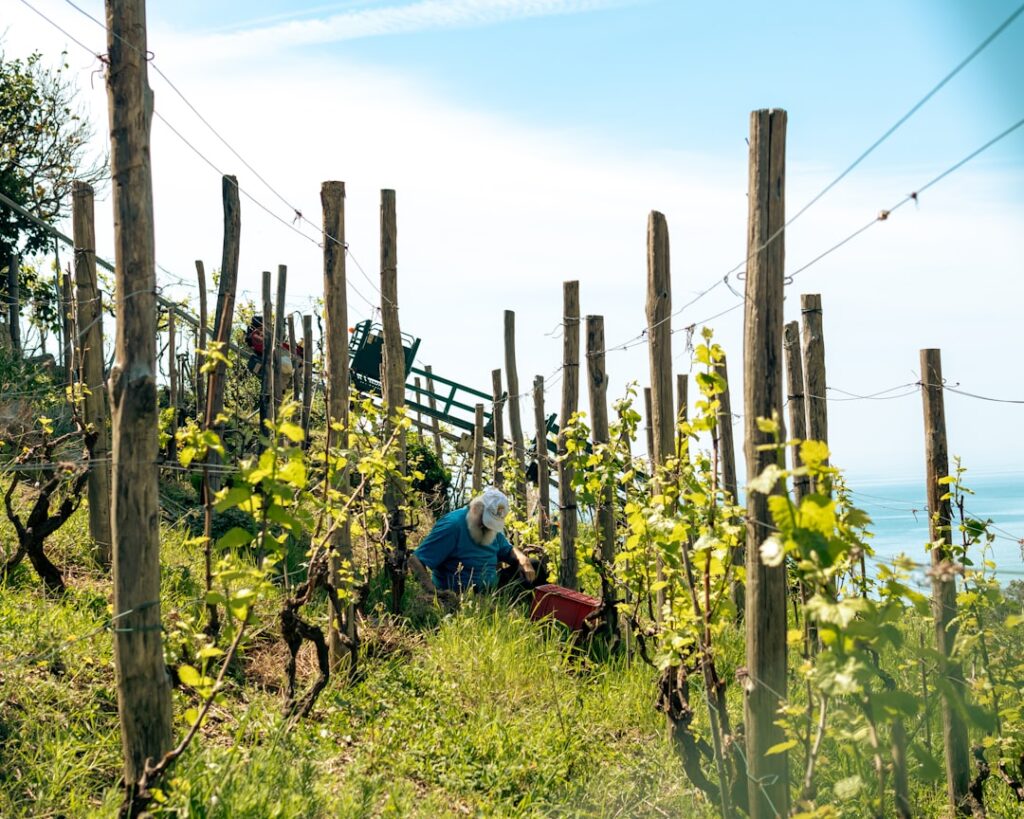
Practical tips: if the Gaglioppo is young, ask for a carafe — aeration softens the tannins and releases aromas. In summer, prefer tastings in the late afternoon when the heat drops; many cellars have terraces with views over the hills and the Ionian Sea. Also check before you go: many producers still work by appointment and some reserve bottles are only available during private visits.
Magliocco and Mantonico: two revivals, two distinct personalities
Magliocco and Mantonico perfectly showcase Calabria’s diversity: one powerful and tannic, the other white and aromatic, both reflecting distinct but complementary traditions. Magliocco (sometimes called “Magliocco Dolce” or “Magliocco Canino” depending on the area) is a red grape less famous than Gaglioppo but gaining traction for its aromas of black fruit, Mediterranean scrub and sometimes forest floor. It produces structured, sun-kissed wines that take well to barrel aging and pair wonderfully with grilled meats, local cured meats and aged cheeses.
To encounter Magliocco on the ground, head to the province of Cosenza, especially around the Sila hills and towns like Castrovillari or San Giovanni in Fiore. One estate to watch is Tenuta del Marchesato (example address: Contrada Donnici, 87036 Rende CS) where small-lot Magliocco bottlings are sometimes available for private tastings (opening hours: visits by appointment Tuesday–Sunday, 10:00–17:00; tasting: €15–30). These producers emphasize low yields and careful parcel selection to concentrate flavor.
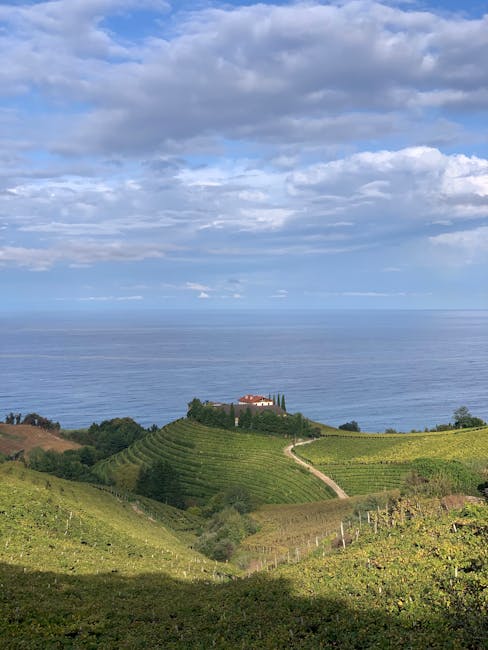
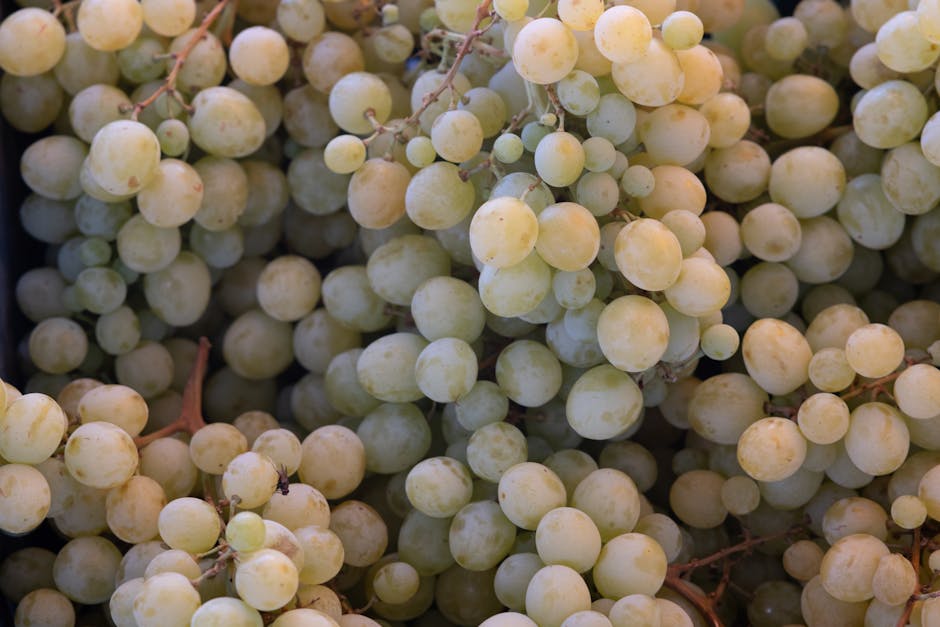
Mantonico, on the other hand, is an indigenous white variety often used for either dry or sweet styles depending on vinification. It has a long local history, particularly around the Alto Tirreno Cosentino and the Amendolara area. Aromatically Mantonico can show floral notes, honey and candied citrus when late-harvested, and it’s capable of producing surprising age-worthy wines. Typical pairings include almond-based desserts, Italian tapas and local fish specialties.
Practical tips: when visiting estates, ask to see the vineyards: Magliocco often thrives on clay-limestone soils, while Mantonico prefers warm, well-drained exposures. Calabrian winemakers love sharing stories about traditional pruning methods (like Guyot or cordon) and winemaking choices that greatly shape a wine’s aromatic profile. If you plan to bring bottles home, budget roughly €12–35 per bottle depending on the cuvée and age.
Greco Bianco: Mediterranean freshness
Greco Bianco is an ancient white grape found in other parts of southern Italy as well, but in Calabria it takes on a distinctive expression. Wines from Greco Bianco are marked by bright acidity, a saline freshness and notes of citrus, green apple and sometimes white flowers. It’s particularly well-suited to coastal sites where sea breezes temper summer heat and add a pleasant saline twist to the aromatic profile.
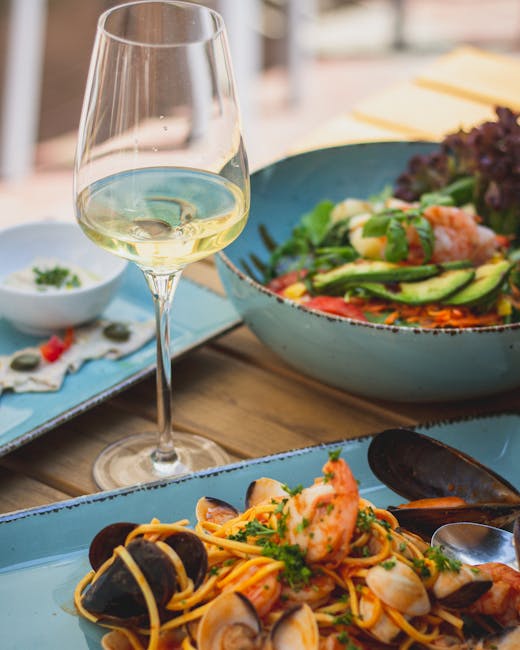
To taste an excellent Greco Bianco in context, stop along the Costa dei Gelsomini near towns like Bova Marina or Scilla. A useful place to combine culture and tasting is « Cantina del Gelsomino » (example address: Via Nazionale, 89030 Bova Marina RC) — indicative hours: Monday–Sunday 09:00–19:00, tastings by reservation; prices: discovery tastings €8–20 depending on the number of wines. These seaside cellars often offer land-and-sea pairings: grilled seafood, octopus salad and dishes featuring capers and wild herbs.
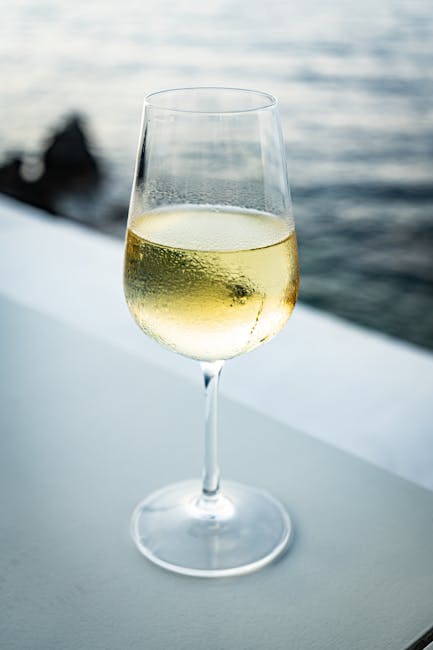
Practical tips: Greco Bianco is perfect for a day at the beach followed by a fish dinner. Ask about vintage conditions: cooler years highlight tension and salinity, while warmer vintages bring riper citrus aromas. In cellar, also try the lees-aged versions to discover a rounder texture and subtle brioche notes — often offered by small producers who practice short lees aging.
Wine routes and cultural sites to include
Visiting Calabria for its wines also means enjoying a rich cultural itinerary. Here are specific places and resources to help plan your oenological trip. Start in Reggio Calabria and the Museo Nazionale della Magna Grecia (Lungomare Falcomatà, 1, 89125 Reggio Calabria RC). Hours: Tuesday–Sunday 08:30–19:30, closed Monday. Ticket: standard €8.00; reduced rates for students and seniors. The museum houses the famous Riace Bronzes, a powerful symbol of the region’s ancient past, giving valuable historical context before tasting wines from land cultivated since antiquity.

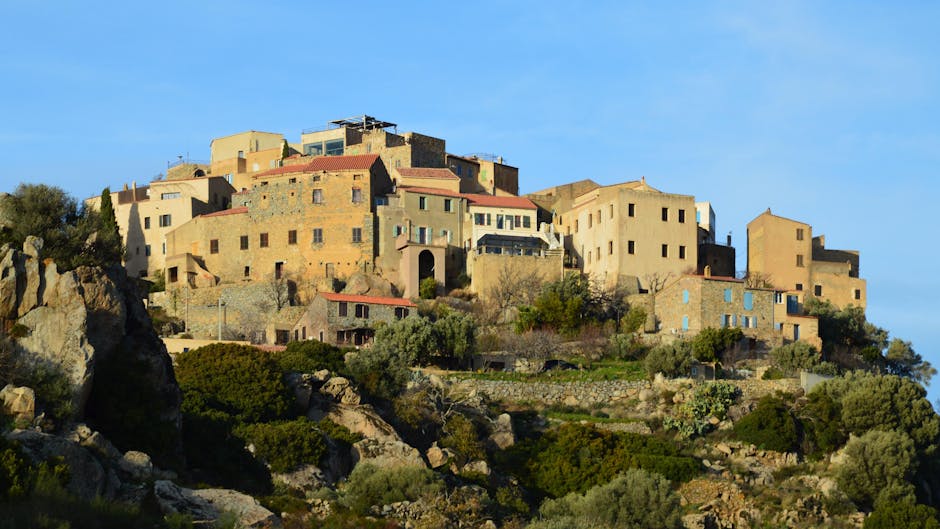
Then follow the Strada del Vino di Cirò: many cellars along the route offer discovery itineraries. A practical stop: Cantina Calabrese (indicative address: Via Roma 12, 88811 Cirò KR) — visits by appointment, tastings from €10. For a more heritage-focused experience, visit the borgo di Cirò (Piazza Giovanni XXIII, 88811 Cirò KR) and wander the alleys overlooking the Ionian Sea.
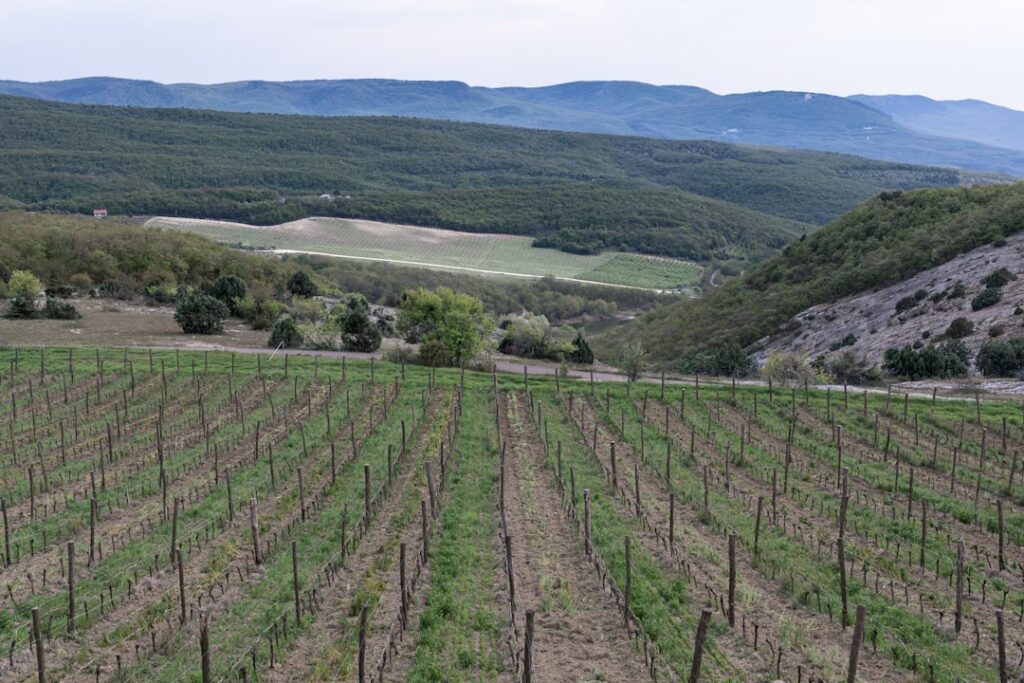
For a balance of mountains and vineyards, head to the Aspromonte National Park (visitor centre example: Centro Visite Parco Nazionale Aspromonte, Via Nazionale, 89041 Gambarie d’Aspromonte RC): opening hours vary by season; contact information: 0965 123456 (indicative local number). Park fees: free entry, guided activities and hikes cost €10–35 depending on duration. Aspromonte offers panoramas that explain the microclimatic diversity of Calabria’s grape varieties.
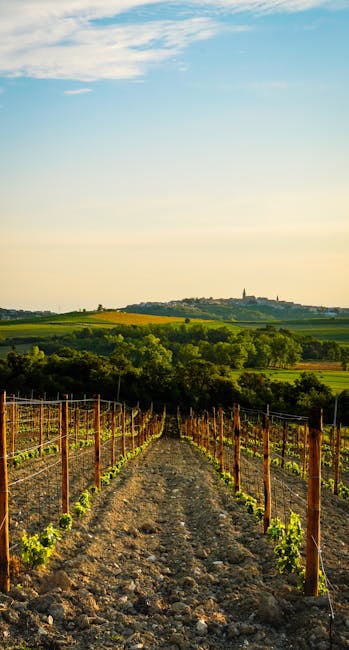
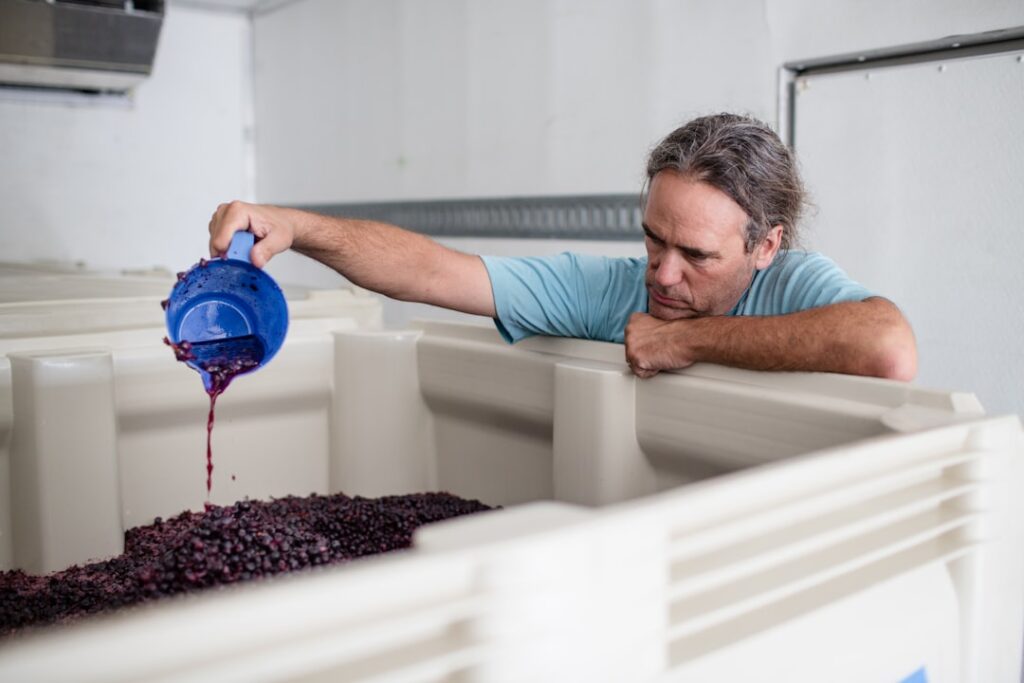
Practical tips for wine routes: book cellar visits in advance, especially in high season (May–September). Rent a car: public transport rarely serves the rural areas where the best estates are found. Bring cash: some small cellars don’t accept cards for tastings and purchases. Finally, plan tastings late in the afternoon to enjoy golden light on the vineyards and, if possible, ask to meet the winemaker — personal stories and micro-lots are often the highlight of a visit.
Conclusion: Bring a piece of Calabria home
In short, discovering Calabria’s iconic grape varieties is an experience rooted in geography and history. From Gaglioppo — powerful and tannic, reflecting the Cirò hills — to Greco Bianco — saline and fresh like a sea breeze — and through Magliocco and Mantonico, each grape carries the mark of a contrasting terroir made of scorching exposures, poor soils and proud people. The estates you visit range from small family cellars to historic producers, offering authentic tastings and human encounters that enrich the flavors in the bottle.
To bring a little Calabria home, favor local cuvées, typically priced between €8 and €35 depending on appellation, age and rarity. Ask producers for storage and serving advice: some young Gaglioppo bottles benefit from oxygenation, while certain Greco cuvées are best served very chilled. Don’t forget the farm-direct sellers: besides better prices, you’ll leave with stories and sometimes local recipes featuring peaches, olives and sheep’s cheese.
Finally, the best way to appreciate these grapes is to place tastings in a bigger context: combine wine visits with cultural stops (Museo Nazionale della Magna Grecia, the borgo di Cirò), seaside walks (Scilla, Tropea) and high-altitude hikes (Parco Nazionale dell’Aspromonte). By blending terroir, scenery and cuisine, you’ll understand why Calabria — modest on the international scene — makes wines that deserve recognition for their authenticity and character. Sip slowly, ask questions, pack a few bottles and let the taste of Calabria tell its stories each time you open one.