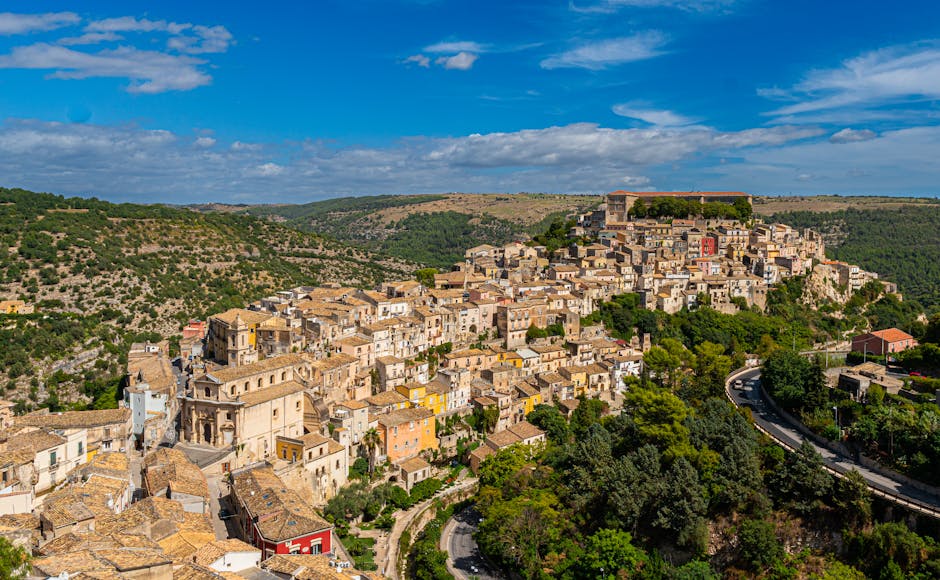






Introduction: Alleyways and viewpoints — a getaway through Calabrian borgo
Calabria is that tucked-away tip of Italy where the Ionian and Tyrrhenian seas frame steep hills, cliffside villages and vistas made for jaw-dropping moments. Exploring the Calabrian borgo is about more than seaside snapshots: it means losing yourself in cobbled alleys, breathing in jasmine and basil, overhearing conversations in local dialects, and discovering medieval churches, rustic castles and natural terraces that look out over an endless horizon. These borgo — small settlements both humble and grand — condense many layers of history, from Byzantine to Norman and Spanish influences, where every stone keeps the memory of centuries.
This guide aims to take you on a journey through several unmissable Calabrian borgo: sun-drenched coastal hamlets and inland villages where time seems paused. You’ll find immersive descriptions and practical details: exact addresses for monuments, typical opening hours, indicative prices in euros, visiting tips, food recommendations and local transport hacks. The goal is twofold: to spark your wanderlust and to give you the concrete information you need to plan a day, a weekend or even a week of discovery.
Calabrian alleyways can be narrow and steep — you’ll walk a lot, and getting a little lost is part of the charm. The viewpoints often require a bit of effort: a stair, a climb, and then the view steals your breath — red cliffs plunging into the sea or a valley carpeted with olive trees. The borgo are also places of warmth and community: family-run trattorie, weekly markets, wood and textile artisans. I’ll share practical tips to make the most of your visits (when to come for the best light, where to park, how to avoid summer crowds) and culinary suggestions so you can sample local staples like ‘nduja, the Tropea red onion and hand-rolled pasta drizzled with Calabrian olive oil.
Photographers and hikers will find visual cues and routes here to capture the golden morning light or the deep blue of sunset. The seven to twelve images suggested throughout the article will help you picture these spots and plan your shots: coves, typical façades, stone stairways, sea panoramas and colorful markets. Lace up your walking shoes, bring your curiosity and your appetite: the Calabrian borgo are waiting.
Tropea: the « Pearl of the Tyrrhenian » and its pristine views
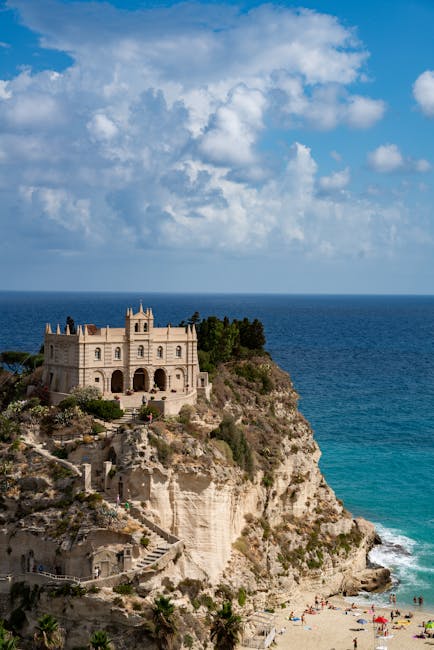
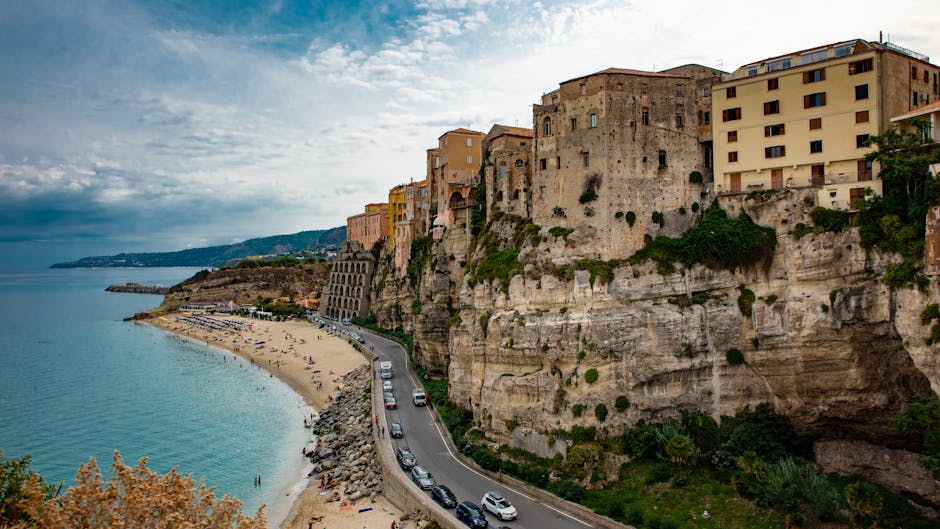
Tropea is often the first image that comes to mind when you think of Calabria: a town perched on a cliff, a fine sandy beach below, and the enigmatic Santuario Santa Maria dell’Isola sitting on its own rocky islet. Tropea’s historic center is best explored on foot, through whitewashed lanes, flower-filled balconies and small squares that invite a pause. Piazza Ercole, the landmark of the old town, sits close to the main church and artisan shops. For a full visit, don’t miss the Duomo di Tropea (Cattedrale di Maria Santissima di Romania) at Piazza Ercole, 89861 Tropea (VV). Entry to the cathedral is usually free, though donations are welcome; typical opening times: 09:00–12:30 and 16:00–19:00 (times vary for religious celebrations).
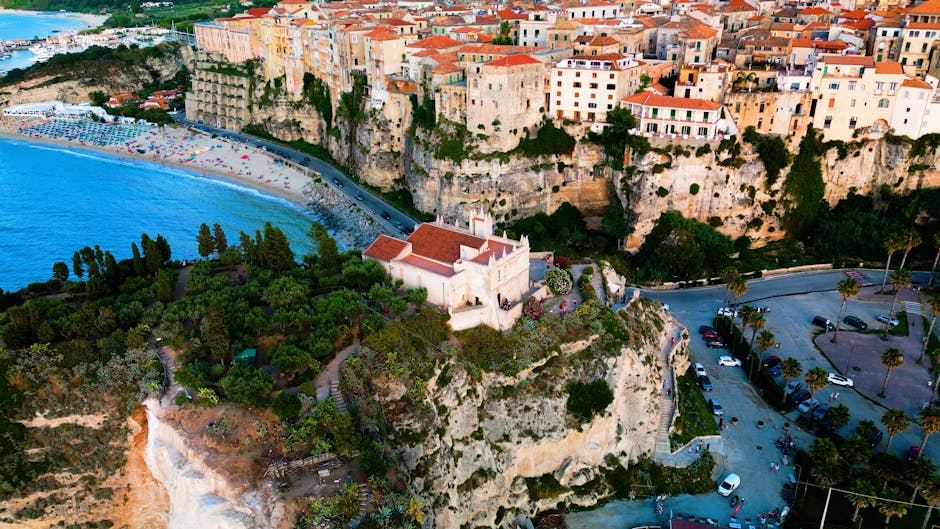
The iconic symbol is the Santuario Santa Maria dell’Isola, reachable via a short path from Via Marina, 89861 Tropea. Address: Santuario Santa Maria dell’Isola, Isola Bella, Tropea. Access to the rock is free from the shore; to visit inside the sanctuary you’ll find approximate opening hours: 09:00–13:00 / 16:00–19:00 (variable, sometimes closed for ceremonies). The view from the main beach promontory (Spiaggia della Rotonda) provides a striking contrast between cliffs, turquoise water and the sanctuary islet.
Practical tips: aim for sunrise for crowd-free photos (around 06:00–07:30 in summer) and book a sunbed in advance if you want an organized beach — typical daily rates: €15–30 depending on location. For parking, the open « Parcheggio Tropea Centro » on Via Nazionale/Via del Convento can be handy but fills up fast in July–August: prices around €1–2 / hour or daily rates of €10–15. To eat, try the Tropea red onion served in a salad or roasted: Trattoria La Lamia (Via Michele Morelli, 89861 Tropea) is known for traditional dishes — mains €10–18. Avoid peak dining times in summer (12:30–15:00, 19:30–21:30) if you prefer quieter streets.
History buffs should visit the Museo Diocesano di Tropea at Corso Vittorio Emanuele 85, 89861 Tropea, which houses ecclesiastical artifacts and paintings (entry often €3–5, hours 09:30–13:00 and 16:00–19:00, closed some days). Boat trips to the Grotta Azzurra and nearby coves depart from Tropea’s port — excursion prices €20–40 depending on duration and season. Finally, bring suitable shoes: cobbles and stairways are common and can be slippery after rain.
Scilla and Chianalea: fishing quarters, Castello Ruffo and seaside lanes
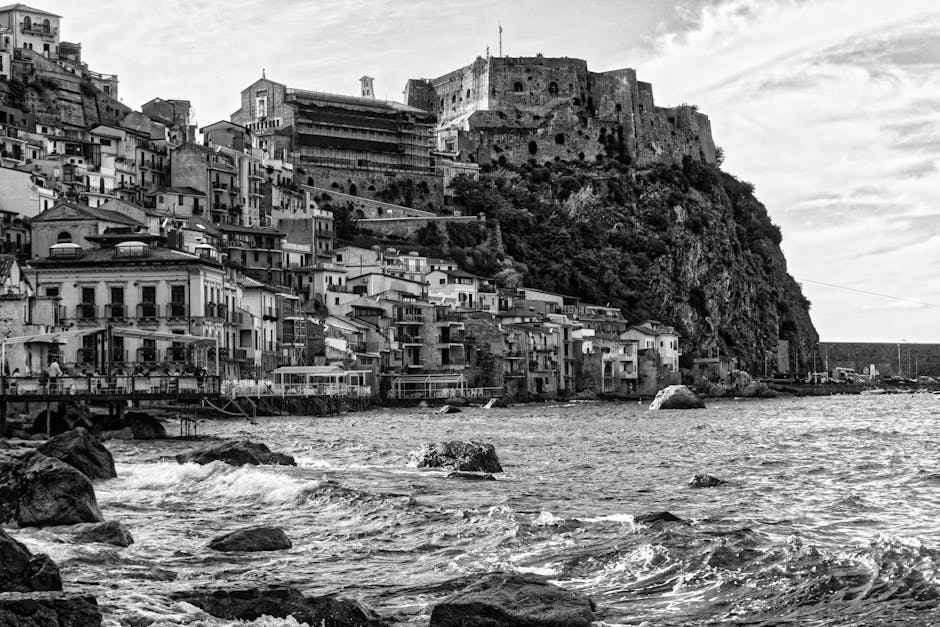
Scilla is the borgo that blends myth and landscape: set on the Strait of Messina, it offers stunning views toward Sicily and a fishermen’s quarter, Chianalea, where houses seem to float on the water. Castello Ruffo, perched above the village, overlooks the bay and tells the story of centuries of fortifications. Address: Castello Ruffo di Scilla, Piazza Ruffo, 89058 Scilla (RC). Access to the castle requires a climb from the village; typical summer hours: 09:00–19:00, entry around €3–6 (local rates and special events may change prices).
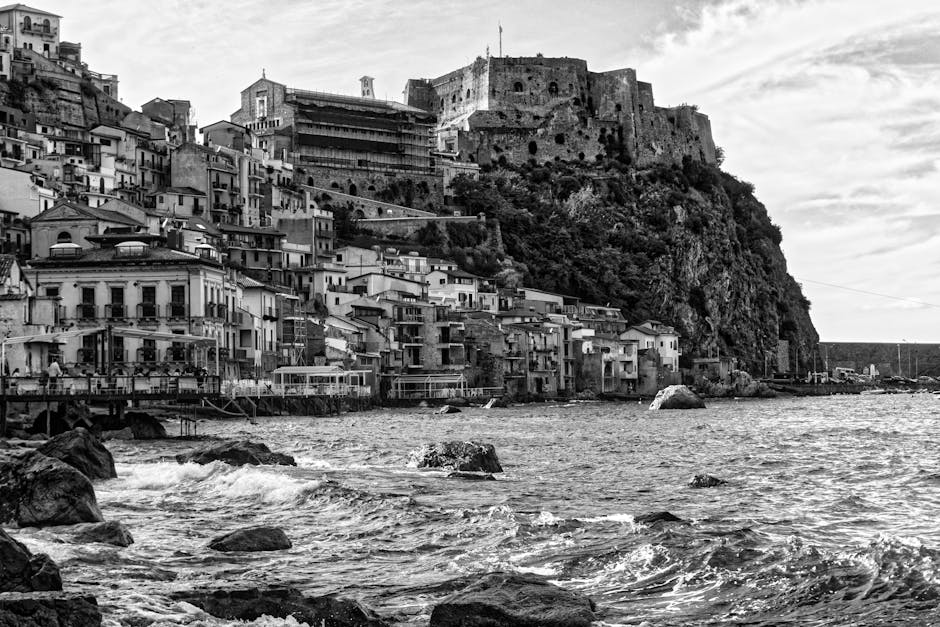
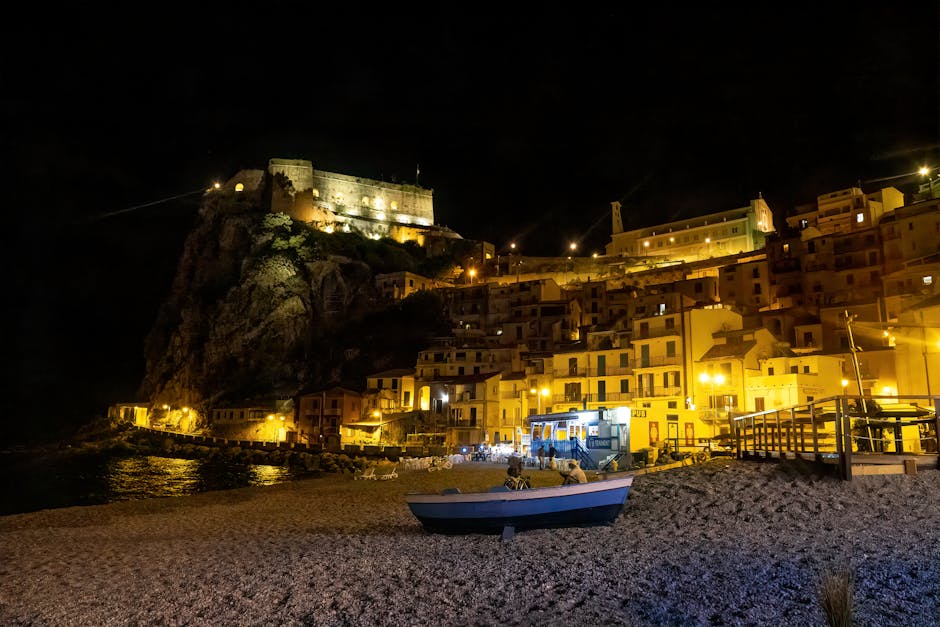
Chianalea, often likened to a mini-Venice, is a maze of steps and stone walkways at water level: Via Scalo, 89058 Scilla is one of the main arteries. Strolling Chianalea at dusk is unforgettable: boats tied up along façades, lights reflecting on the water and the air full of grilled fish aromas. For fresh seafood try Ristorante Al Timone (Via Marina Milanese, 89058 Scilla) — fish dishes €12–25, starters and antipasti usually €8–12.
Practical tips: parking in Scilla can be limited; several outdoor lots are on Via Nazionale 106, with pedestrian shuttles down to Chianalea. Expect €1–2 / hour in high season or day rates €8–12. If you plan to visit Castello Ruffo, allow 45–60 minutes for the climb, the visit and the panoramic views. The coastal path toward Marina Grande is perfect for sunset walks — wear hiking-friendly shoes.
For a cultural dip, the small church of San Rocco (Via Roma, 89058 Scilla) displays votive offerings and local frescoes; opening times vary but it’s usually accessible during the day. Local markets (typically mornings) sell citrus fruits, cheeses and the famous ‘nduja — a spreadable spicy sausage you should definitely try. For a quieter experience, visit Scilla off-season (April–May or September–October): the light is softer, restaurants remain open and the atmosphere is far less touristy.
Gerace and the cathedral: medieval stone and inland viewpoints
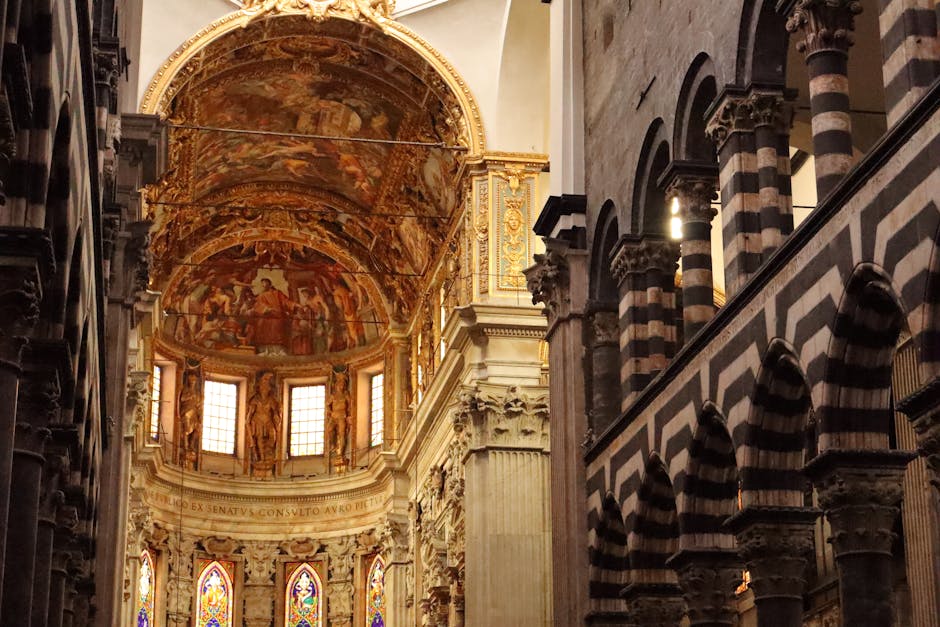
Gerace is an inland hilltop borgo overlooking the Ionian coast. Its medieval center is remarkably well preserved: fortified lanes, noble palaces and the majestic Cattedrale di Santa Maria Assunta (Duomo di Gerace). Address: Duomo di Gerace, Piazza Duomo, 2, 89040 Gerace (RC). The cathedral, mainly dating from the 11th–12th centuries with later modifications, is usually open to visitors; access to certain sections or temporary exhibits may require a small fee of €3–5. Indicative opening times: 08:30–12:30 and 16:00–19:00.
Wandering Gerace means climbing stone steps that open onto viewpoints overlooking the Ionian Sea: Via Cattedrale and Piazza Duomo are the main axes. Don’t miss the Torre Normanna (Norman Tower) for a 360° panorama — it’s usually accessible during occasional guided visits (check at the Gerace tourist office, Piazza Duomo, hours 09:00–13:00).
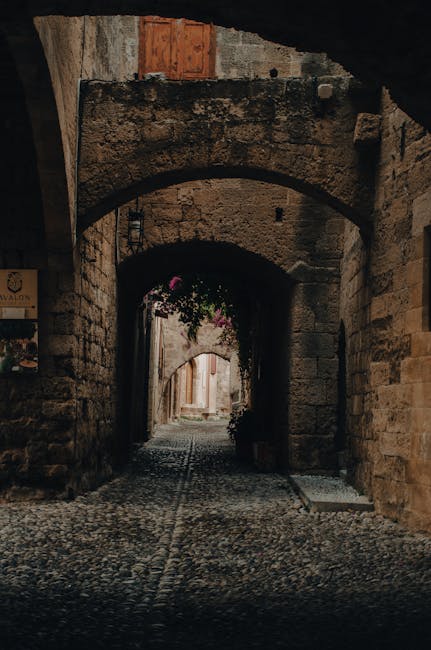
Practical tips: Gerace is close to the SS106 Ionian coastal road and is easily reached by car. Free or low-cost parking is available on the outskirts of the historic center (e.g. Parcheggio Via del Castello) — allow 5–10 minutes on foot. Sturdy walking shoes are recommended for uneven cobbles. For a typical meal, Taverna da Beppe (Via San Francesco, 89040 Gerace) serves traditional Calabrian dishes: antipasti €6–10, primi €8–14, local wines €12–20 per bottle. Local markets, often on Saturday mornings, sell sheep cheeses, honey and organic vegetables from the area.
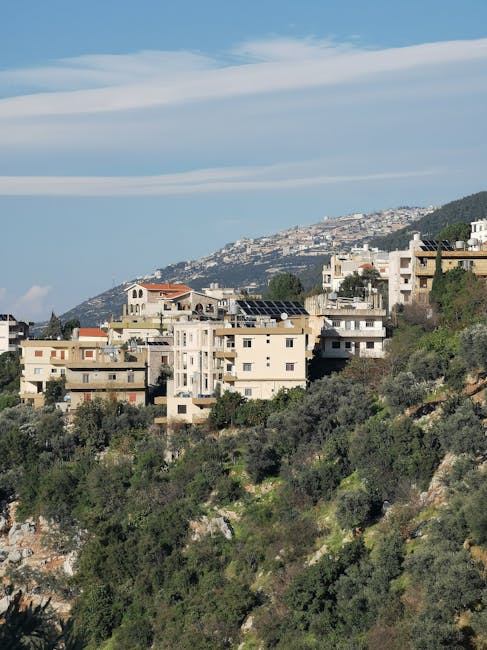
On the cultural side, look out for seasonal events: sacred music festivals in the cathedral, food fairs and historical reenactments in spring and summer. Photographers should aim for the golden hour (about an hour after sunrise or before sunset) to capture the warm tones of the medieval stones. Pair Gerace with a stop at Locri Epizefiri (Parco archeologico di Locri Epizefiri, Via Bernardino Telesio, 1, 89044 Locri RC) if you’re into archaeology: museum/site tickets €4–8, hours vary by season.
Civita and Bova: Arbëreshë traditions and intimate viewpoints
The borgo with Arbëreshë origins (Albanian communities settled in Calabria since the 15th century) bring a unique cultural layer: rituals, costumes and language have endured, creating a distinct atmosphere. Civita (in the province of Cosenza) and Bova (in Reggio Calabria) are two must-see examples. Civita is officially registered at 87010 Civita CS. The village is famous for its stone houses, narrow lanes and views over the Raganello valley. The Church of San Giovanni Battista (Piazza San Tommaso) is an important religious and architectural spot; it’s usually open to the public.
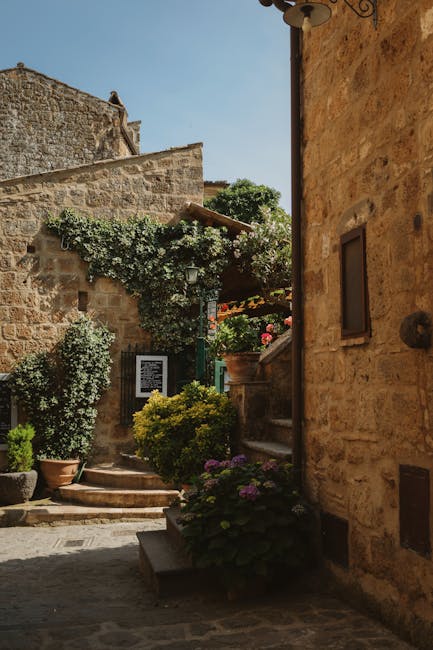
Bova (89036 Bova RC), perched on a hill near the Ionian coast, represents the most authentic Arbëreshë soul: the Albanian language is still spoken, Byzantine churches survive and folkloric festivals keep traditions alive. Don’t miss the Chiesa di San Giorgio (Piazza San Giorgio) and the scenic promenade that overlooks the sea. Small local museums (ethnographic museums) may ask for a modest contribution of €2–5; opening hours are often morning and late afternoon, so it’s best to call ahead or check with the local tourist office.
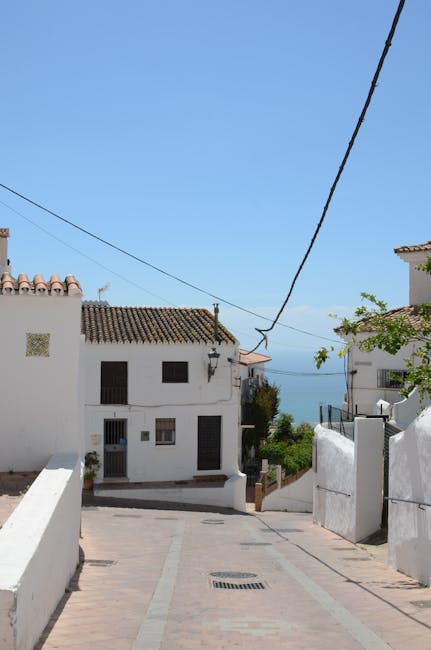
Practical tips: these villages are quieter and have limited large parking areas; park at the edge and walk up. In high season, visit early in the morning for cooler temperatures and empty lanes. For overnight stays, opt for agriturismi or small family-run B&B rooms for a cultural immersion — rates €50–90 per night depending on season and comfort.
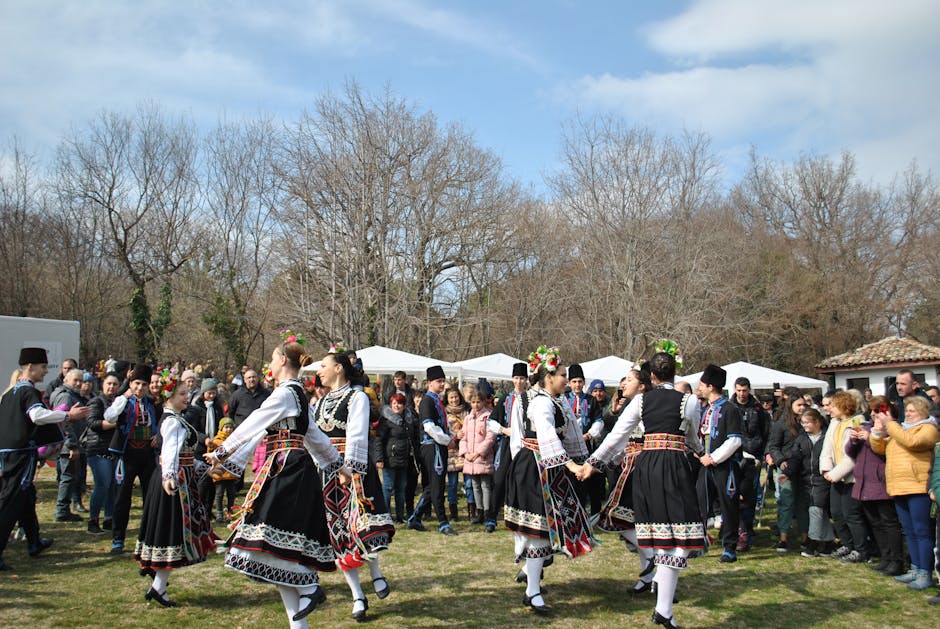
On the culinary side, taste local specialties: sheep cheeses, mountain honey, brodetto (a coastal fish stew) and sweets like pitta ‘mpigliata. To buy authentic products look for small shops and producers in the main squares (Piazza San Tommaso in Civita or Piazza San Giorgio in Bova).
Conclusion: plan your route and experience the borgo
Calabria’s borgo offer a spectrum of experiences that go well beyond the postcard: each village has its own identity, winding lanes, cuisine and viewpoints. To plan your route, pair a coastal borgo (Tropea or Scilla) with an inland one (Gerace, Civita or Bova) so you can enjoy contrasts between the sea and rural life. Allow at least a full day for the major coastal sites and half a day for the inland villages, taking into account travel on sometimes winding roads.
Logistics-wise, a car is often the most flexible way to reach small villages; rent a compact vehicle if you expect to tackle narrow lanes. By train and bus, check local connections (Trenitalia for main lines, regional services for transfers) and plan ahead — some routes are infrequent. Pack good walking shoes, a water bottle and a hat for sunny days: many alleyways have little shade.
Budget-wise, expect modest costs for cathedral and small museum entries (€3–8), very reasonable meals in family trattorie (€12–25 per person for a full meal), and accommodation ranging from €50 per night in a B&B to €120 for a charming hotel outside peak season. For an authentic souvenir, buy directly from local artisans: ceramics, textiles, olive oils and homemade jams.
Finally, respect the residents and their traditions: Calabria is proud of its living heritage. Dress modestly when visiting places of worship, ask permission before photographing people, and strike up a conversation — a friendly greeting in Italian or a few words in the local dialect often opens doors. These borgo don’t reveal all their secrets at once; take your time, sit on a piazza with an espresso or a glass of local wine, and let Calabria unveil its alleys and vistas one step at a time.