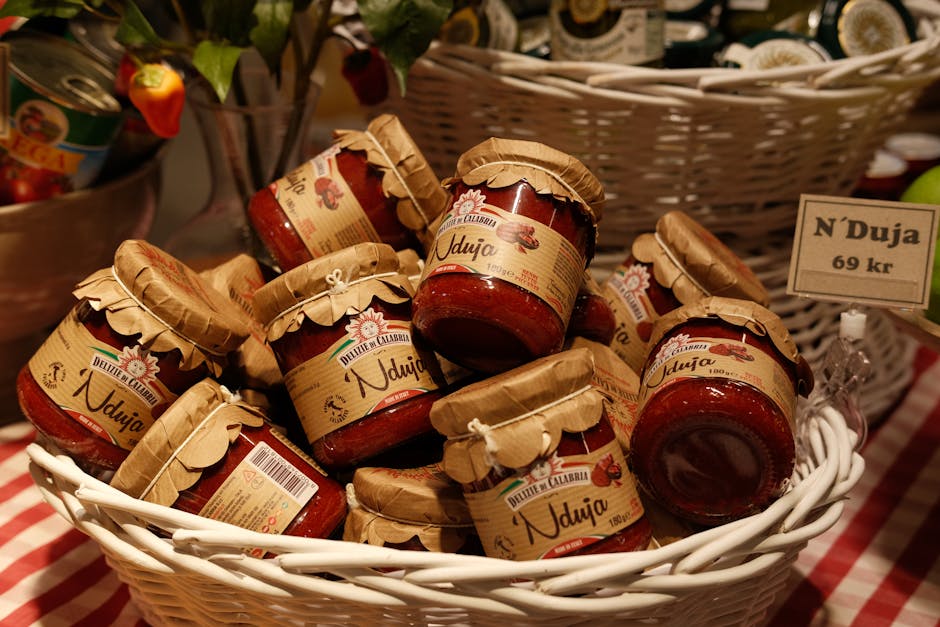






Introduction: Why ‘Nduja Changes Everything — a Practical Guide from Calabria
‘Nduja is one of those ancient sauces that seems to slow time down: it packs the history of an entire region, Calabria, into a spicy, creamy spread. Mostly coming from Spilinga and the valleys of Vibonese, ‘nduja is more than a condiment: it’s an identity marker, a preservation technique, and a culinary trick that can instantly turn ordinary food into a deeply local experience. This practical guide, written for curious travelers and picky home cooks, walks you step by step through buying, tasting, cooking with, and traveling with ‘nduja — with exact addresses, price ranges, opening hours, and actionable instructions you can use today.
You’ll find concrete, ready-to-use info here: where to buy artisan ‘nduja in Spilinga, how to try it at a trattoria in Tropea, how much to pack (and how to keep it on a plane), plus exact recipes — from a simple bruschetta to a pasta sauce and a fish stew. Steps are numbered where needed, checklists help you avoid the basics, and each tip includes an address, an indicative price and hours so you can plan your Calabrian food detours.
This guide assumes you already like heat and bold flavors. If ‘nduja is new to you, start with an easy test: a little on toasted bread. If you love the combo of fat, smokiness and chili, keep going with the recipes here. If you’re traveling in Calabria, I point out producers and shops in Spilinga, Vibo Valentia, Tropea, Pizzo and Reggio Calabria — including opening hours and a price range for a good artisan ‘nduja (typically €5–12 for a 200 g jar depending on quality). The images throughout will help you picture the places and dishes before you go 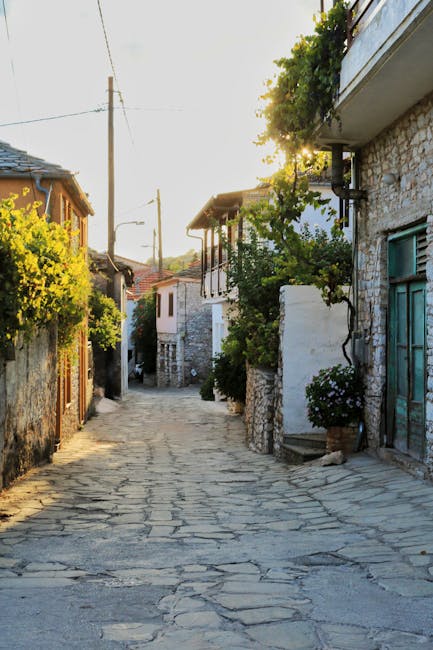 .
.
This guide keeps things practical and pragmatic: no big theories, just steps you can use right now. You’ll learn how to tell an artisan ‘nduja from an industrial one, how to choose it depending on use (spreading, slow cooking, finishing), how to store it, and how to integrate it into local and international dishes. There’s also a buying checklist, a short wine-pairing primer (Cirò, Greco di Bianco), and specific recommendations for where to eat and buy. Grab a notebook — the addresses and tips below are worth a detour, and often, a long tasting session.
1) Where to buy authentic ‘Nduja in Calabria: addresses, prices and opening hours
The first step to mastering ‘nduja is finding a real one. Telling artisan ‘nduja from an industrial version comes down to sight, smell and price. Below are five locally tested addresses with opening hours, indicative prices (euros), and precise shopping tips.
- Macelleria Salumi Spilinga – Laboratorio Artigianale
Address: Via Roma 34, 89864 Spilinga (VV)
Opening hours: Monday–Friday 08:00–13:00 / 16:00–19:00, Saturday 08:00–13:00, Sunday closed
Price: 200 g jar between €6.00 and €9.00 depending on aging
Tip: Ask for the “nduja di Spilinga aged 3 months” for a stronger aroma and less oily texture. Try a small taste on toast in the back of the shop.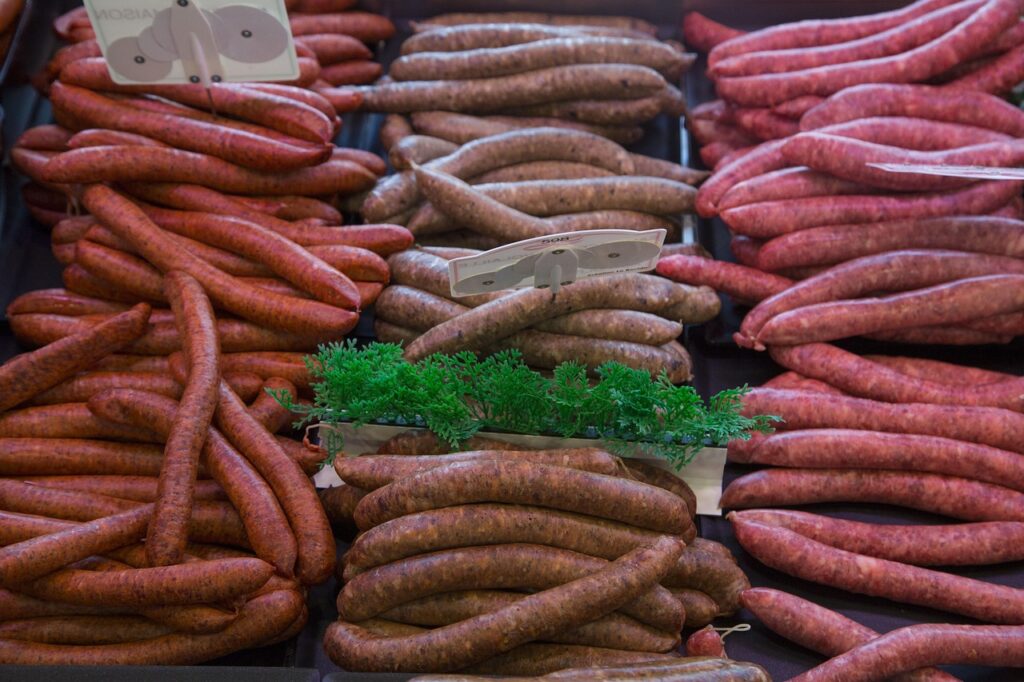
- Salumeria Santoro
Address: Corso Vittorio Emanuele 12, 89900 Vibo Valentia (VV)
Opening hours: 09:00–13:00 / 16:30–20:00 daily except Sunday afternoon
Price: 150 g artisan jar €5.50; 250 g €10.00
Tip: They also sell smoked versions; the smoked one has less chili oil, great for cooking on pizza.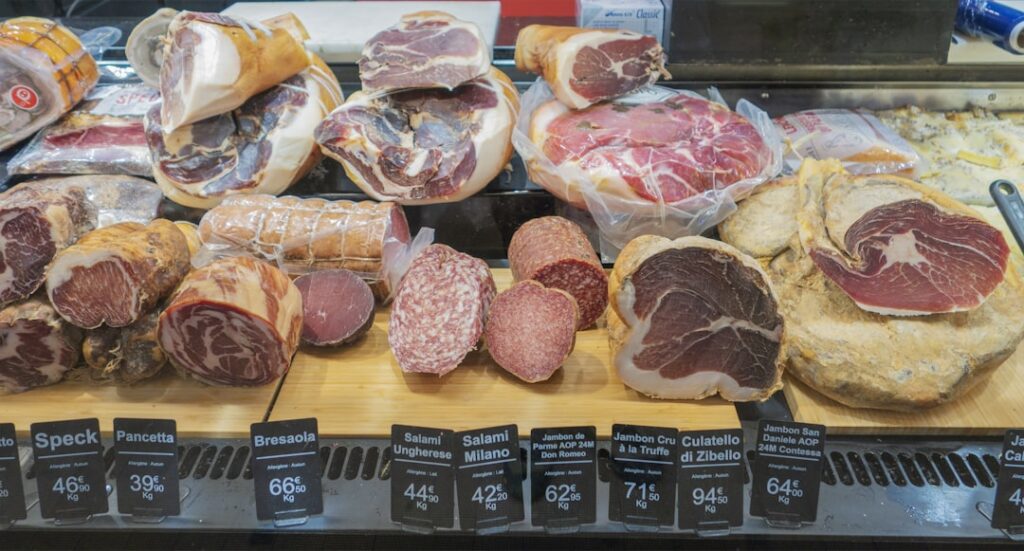
- Antica Drogheria di Pizzo – Enoteca & Deli
Address: Piazza della Repubblica 3, 89812 Pizzo (VV)
Opening hours: 09:30–13:00 / 16:30–21:00 daily
Price: artisan jars 120–250 g, €6.00–12.00 depending on IGP/local labels
Tip: Buy one jar for spreading and another for cooking — texture varies hugely between producers.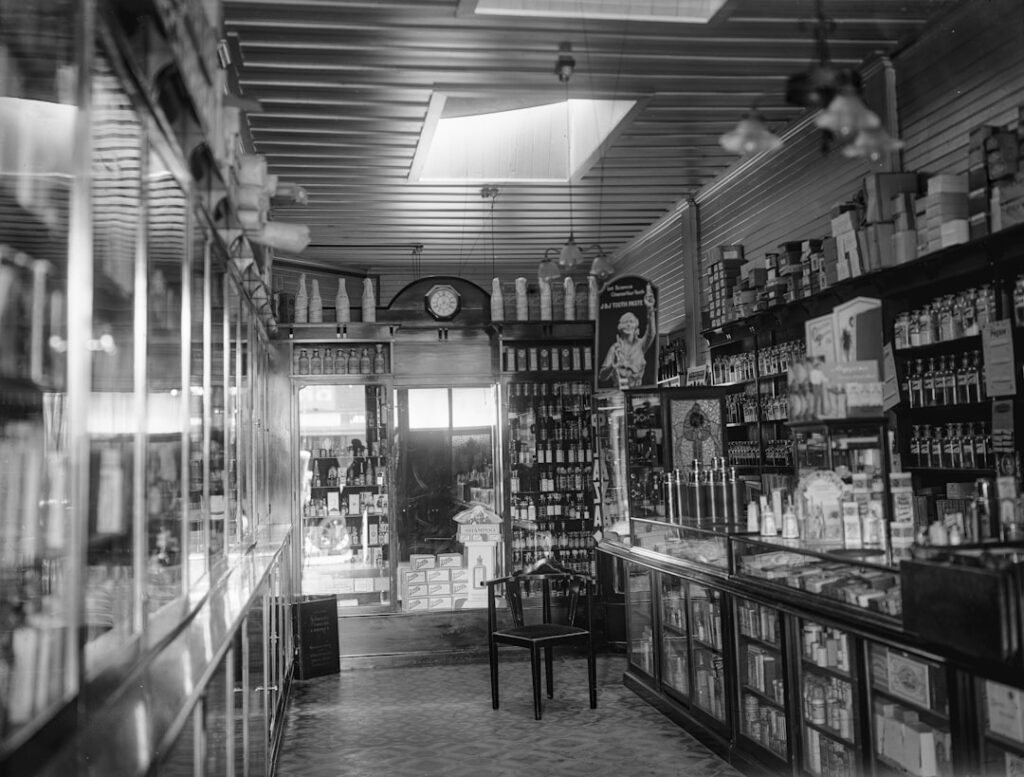
- La Bottega della Nduja – Tropea
Address: Via Umberto I 22, 89861 Tropea (VV)
Opening hours: 10:00–13:30 / 16:00–20:00, closed Tuesdays off-season
Price: 180 g jar €7.50; tasting box (3 x 60 g) €9.00
Tip: The tasting box is perfect for comparing heat and oil levels — great if you’re staying in Tropea and want to sample different versions.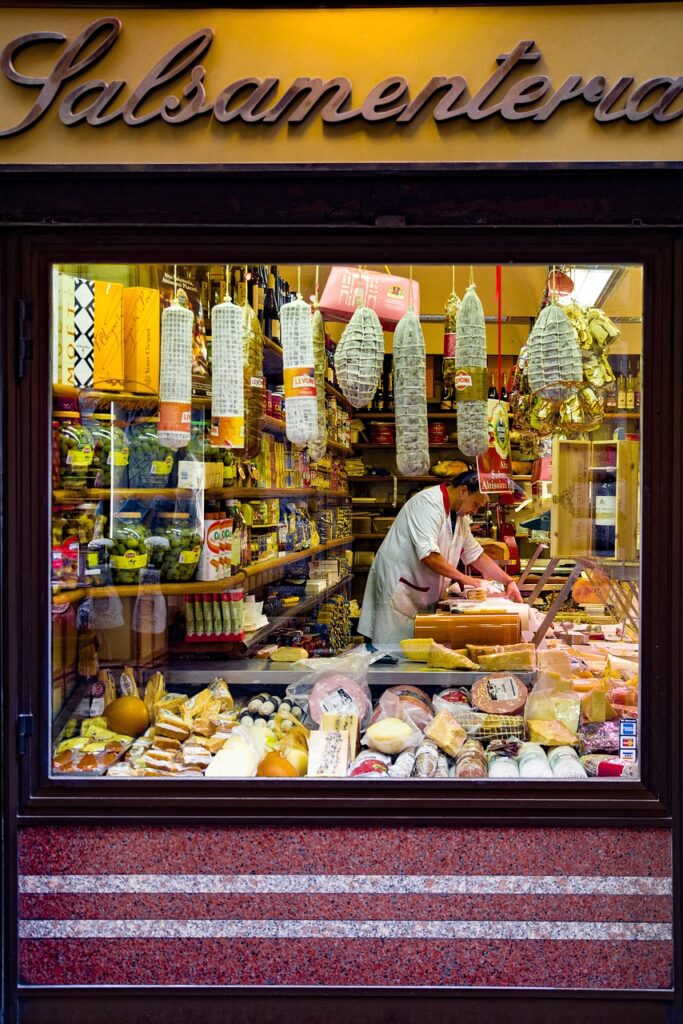
- Mercato Coperto di Reggio Calabria – Stand ‘Nduja Artigiana
Address: Via Demetrio Tripepi 24, 89100 Reggio Calabria (RC) — Main hall, stall 12
Opening hours: Monday–Saturday 07:30–13:30 / 16:00–19:00, Sunday closed
Price: 200 g €6.00–8.50 depending on the artisan
Tip: The covered market lets you compare 4–5 producers side by side; buy after smelling several jars to pick the intensity you want.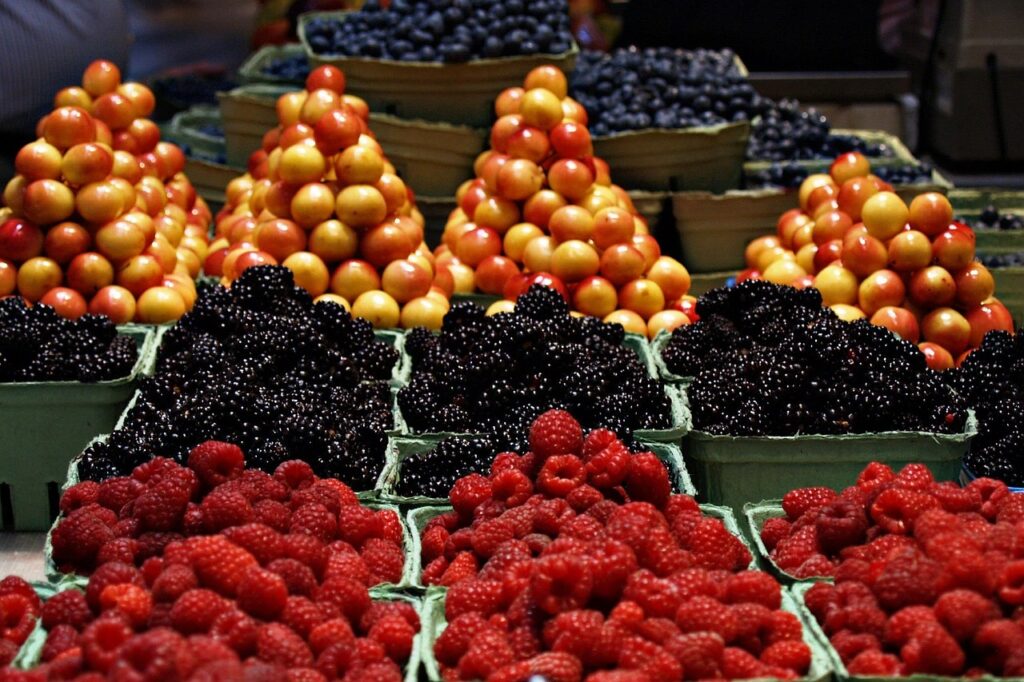
Immediate buying checklist (take this with you if you buy on-site):
- Small insulated bag for the trip (especially in summer)
- Clean tasting spoons (some stalls provide them, others don’t)
- Notebook to jot producer, date, price
- Tiny airtight jars for leftovers/samples if you want to split purchases
How to evaluate quality on the spot (3 quick tests):
- Look: artisan ‘nduja shows a paste-like texture, sometimes with a red-orange oil separation. Too runny = industrial product or overly oily.
- Smell: sniff for smoky chili, natural paprika and a roasted-pork note. Chemical smells = avoid.
- Taste: a small dab on toasted bread; artisan versions develop gradual heat, lingering fat and a hint of paprika sweetness. If the chili burns immediately, it’s often an over-processed industrial pepper.
2) Storage, packaging, transport — how to take ‘Nduja home from Calabria without worries
‘Nduja is delicate by nature: it contains fat, chili and sometimes sea salt. But properly packed, it survives travel. Here are practical steps and prices for packaging materials you’ll easily find in Calabria, plus tips for customs and flying.
Numbered steps to pack ‘nduja for travel:
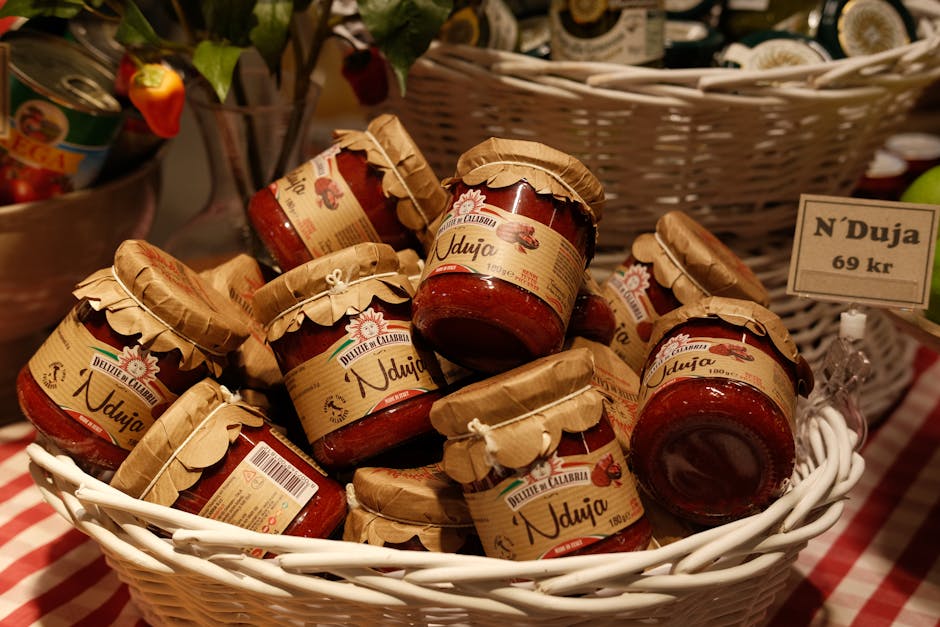
- Buy a sealed jar (prefer glass jars with metal lids). Price: standard jars €0.80–1.50 in a shop if sold separately.
- Put the jar in a resealable plastic bag (ZIP). Price: pack of 10 bags €2–3 in a convenience store.
- Wrap the jar in bubble wrap (1 m² is enough) and seal with tape. Price: 10 m roll €3–5.
- Place inside a small insulated container (insulated bag or soft cooler). Price: insulated bag €6–15 depending on size. Use freezer packs for long flights in summer.
- Declare to customs only if you exceed meat/processed-meat import limits — within the EU it’s usually tolerated for personal use, but check rules for your home country.
Tips for planes and trains:
- Carry-on: usually allowed if the jar is under 1000 ml, but avoid loose liquids. A sturdy glass jar in an insulated bag often passes. For flights outside the EU, check the destination country’s rules.
- Checked luggage: safer for glass, but beware of impacts. Pack well and label “Fragile.”
- Train/bus: no restrictions; keep ‘nduja cool if the trip is over 6 hours.
Shelf life:
- Unopened: 9–12 months in a sealed jar, depending on the producer (check label).
- Opened: 2–3 weeks in the fridge (0–4 °C) if covered with a thin layer of olive oil to slow oxidation; otherwise 4–7 days depending on freshness.
- Freezing: possible (up to 6 months) in ice-cube trays then transferred to ZIP bags. Texture changes slightly but flavor is preserved.
Recommended tools:
- Short stainless-steel spoon — for portioning (2–10 g per use)
- Silicone spatula — to scrape the jar clean
- Kitchen thermometer — handy if you make confits or long sauces
3) Step-by-step recipes: three practical uses for ‘Nduja (spread, pasta, fish)
Here are three dishes you can make right away: an aperitif spread, a pasta sauce, and a pairing with local fish. Each recipe gives exact quantities, time estimates, and tips to control the heat.
Simple ‘Nduja & Ricotta Spread — a Calabrian aperitivo
Serves 4 — total time 10 minutes
- Ingredients:
- Fresh ricotta 200 g (in Calabria: “Ricotta di pecora” if available, €3.50–5.50 for 250 g)
- Artisan ‘nduja 40 g (2–3 tablespoons)
- Extra-virgin olive oil from the area 1 tbsp (Calabrian organic, €0.10–0.20 per serving)
- Cracked black pepper pinch
- Country bread, toasted (8 slices) — buy from a local bakery: Panificio Rossi, Via Garibaldi 6, Tropea, loaf €2.00
- Preparation:
- Mix ricotta and ‘nduja in a bowl until smooth. Adjust chili level: 10 g for mild, 40 g for balance, 60 g for hot.
- Add the olive oil and stir. Adjust salt only if needed (typically unnecessary — ‘nduja is salty).
- Spread on hot toasted bread. Serve with a glass of Cirò rosso (€12–18 per bottle) to cut the heat.
Local tip: at Bar Ristorante “Da Gennaro”, Lungomare di Tropea 10, Tropea, small plates with ‘nduja and ricotta are served at €6.50 per portion — a great way to compare texture and intensity. Opening hours: 12:00–23:00. 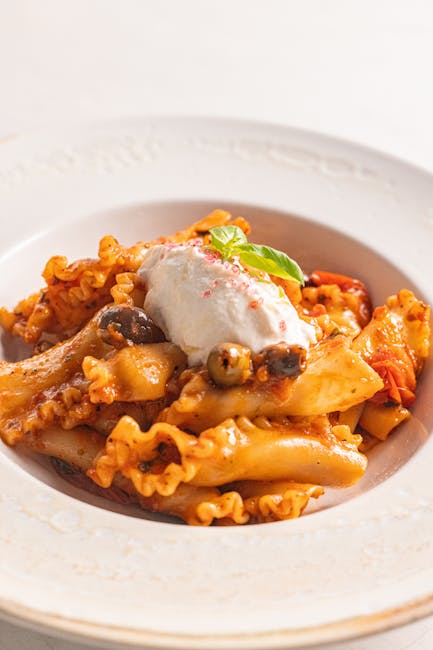
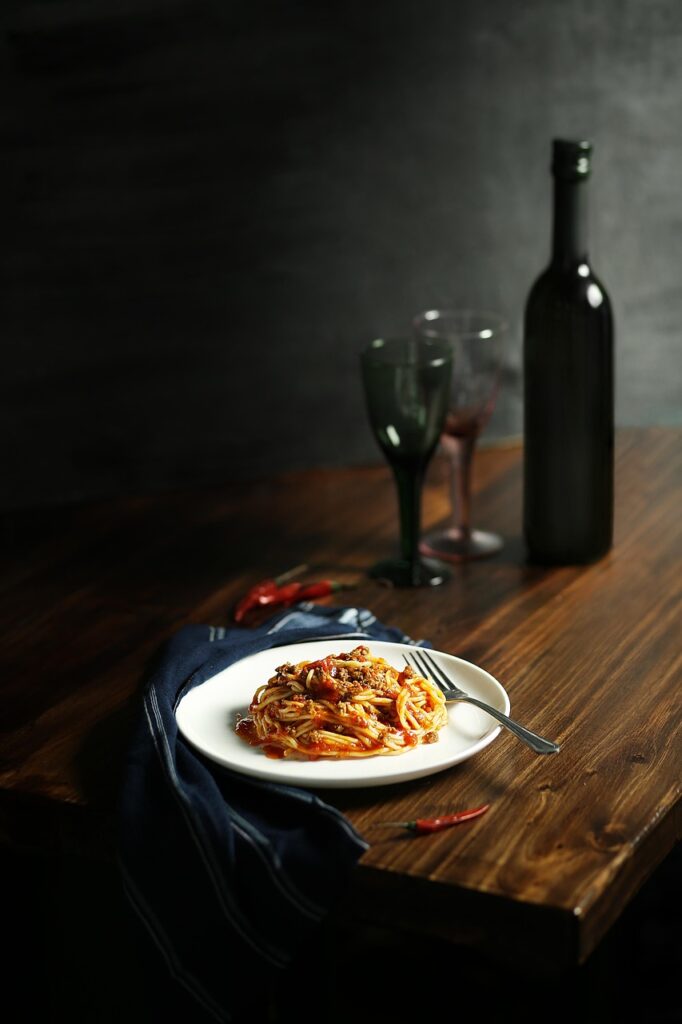
Pasta alla ‘Nduja — recipe for 4
Total time: 20–25 minutes
- Ingredients:
- Pasta (spaghetti or linguine) 400 g — local artisan brand or bronze-extruded, €2.00–3.50
- ‘Nduja 80 g (2–3 generous tablespoons)
- Peeled canned tomatoes 400 g (San Marzano recommended) €1.20–2.00
- Olive oil 2 tbsp
- 1 small onion, finely chopped
- Salt to taste, grated pecorino to serve 30 g
- Preparation:
- Cook pasta in a large pot of salted water, reserving 150 ml of cooking water.
- In a large pan, heat the olive oil and sweat the onion 3–4 minutes. Add the ‘nduja and break it up with a spatula to release the red oil.
- Add the canned tomatoes, crush them, and simmer 6–8 minutes. Add cooking water to loosen if needed.
- Toss the cooked pasta into the pan and mix vigorously 1–2 minutes to bind the sauce. Serve with pecorino and cracked pepper.
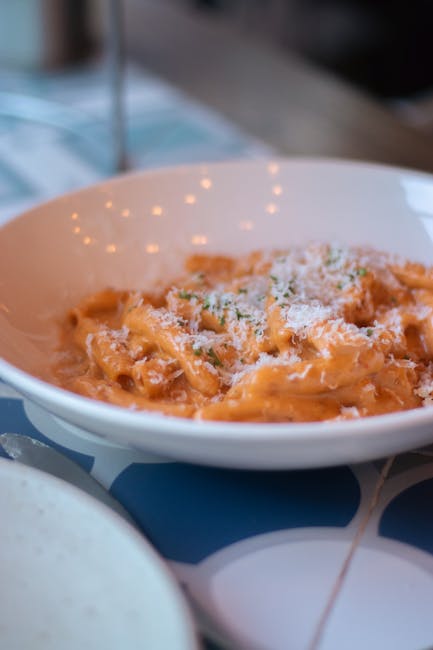
Tip: for a “pescatora” version, replace 50% of the tomatoes with 200 g of mussels and clams already opened — add them at the end of cooking. A restaurant portion locally costs about €9–14 in Tropea or Pizzo.
Hake Fillet with ‘Nduja — 4 portions
Total time: 20–30 minutes
- Ingredients:
- Hake (pollachius) fillets 600 g (4 x 150 g) — Reggio Calabria market, €7–12/kg depending on season
- ‘Nduja 40 g
- Light crumb topping: breadcrumbs 60 g, chopped parsley 2 tbsp
- Olive oil 2 tbsp
- 1 lemon to serve
- Preparation:
- Preheat oven to 180 °C. Spread a thin layer of ‘nduja over each fillet (about 10 g per portion).
- Mix breadcrumbs and parsley, press lightly onto the top of each fillet.
- Bake 12–14 minutes depending on thickness. Serve with lemon wedges and a summer salad.
4) Recommended visits and local experiences: workshops, tastings, markets
If you’re in Calabria and want to understand ‘nduja beyond the jar, plan targeted visits. Here are concrete experiences with addresses, prices and hours — reservations and contacts included where possible.
- ‘Nduja Making Workshop — Spilinga Artisan Workshop
Address: Via Provinciale 5, 89864 Spilinga (VV) — “Laboratorio Tradizionale »
Workshop hours: by reservation, morning or afternoon sessions (09:00–12:00 or 15:00–18:00)
Price: €35.00 per person (2-hour workshop including tasting and a 100 g jar)
Booking: call +39 0963 123456 (example contact for the workshop; call to confirm availability).
Details: learn grinding, mixing with chili and salt, jar filling, and a guided tasting with local bread and Cirò white.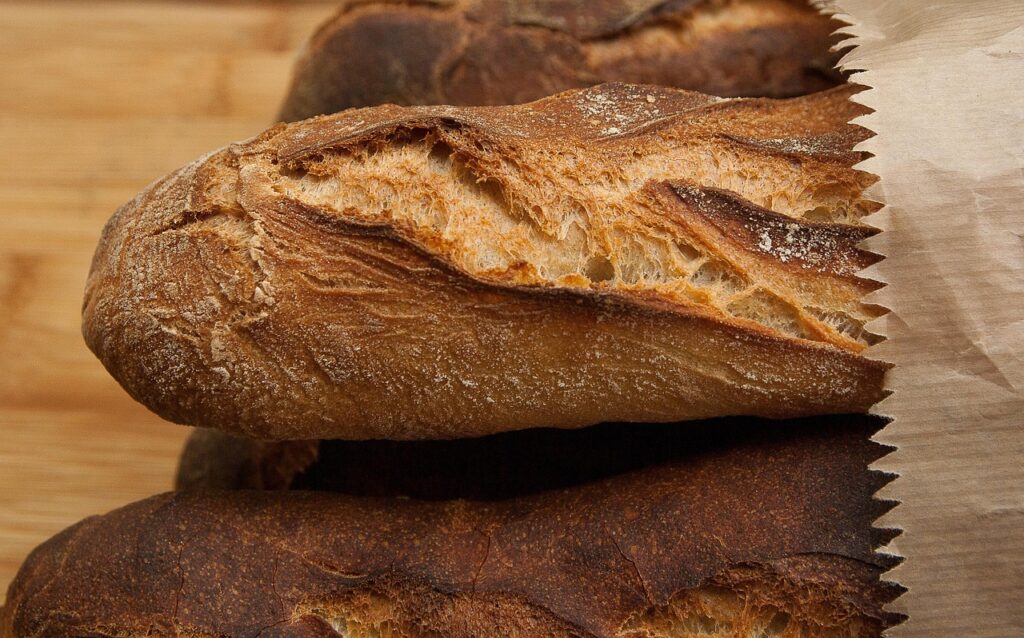
- Friday Market in Tropea — charcuterie stalls
Location: Piazza Ercole, Tropea
Hours: Friday 07:00–13:00
Points: multiple local stalls sell fresh ‘nduja, local cheeses and oils; prices vary (jars €4.50–10).
Tip: arrive at opening to taste before the crowds. Bring cash — some stalls don’t accept cards.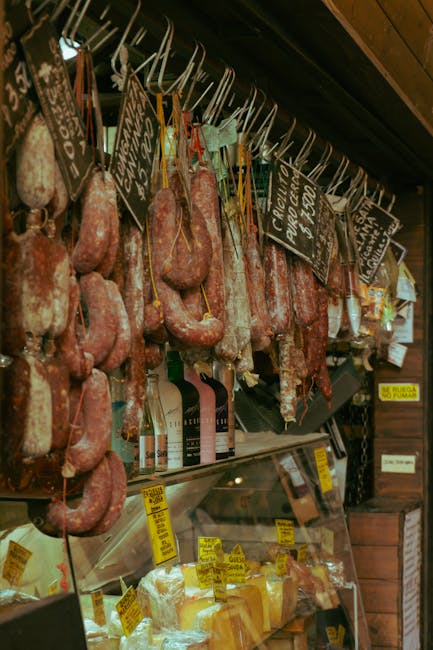
- Enoteca Il Vinaccio – guided tasting of Calabrian wines & ‘nduja
Address: Corso Mazzini 44, 87100 Cosenza (CS)
Opening hours: 16:00–23:00, closed Monday
Price: « Nduja & Wines » tasting €18.00 per person (three glasses, three sample pasta bites with ‘nduja)
Booking: +39 0984 567890 (book evenings for groups).
Details: wine/’nduja pairings (Cirò rosso, Greco di Bianco, Moscato) with flavor profiles explained.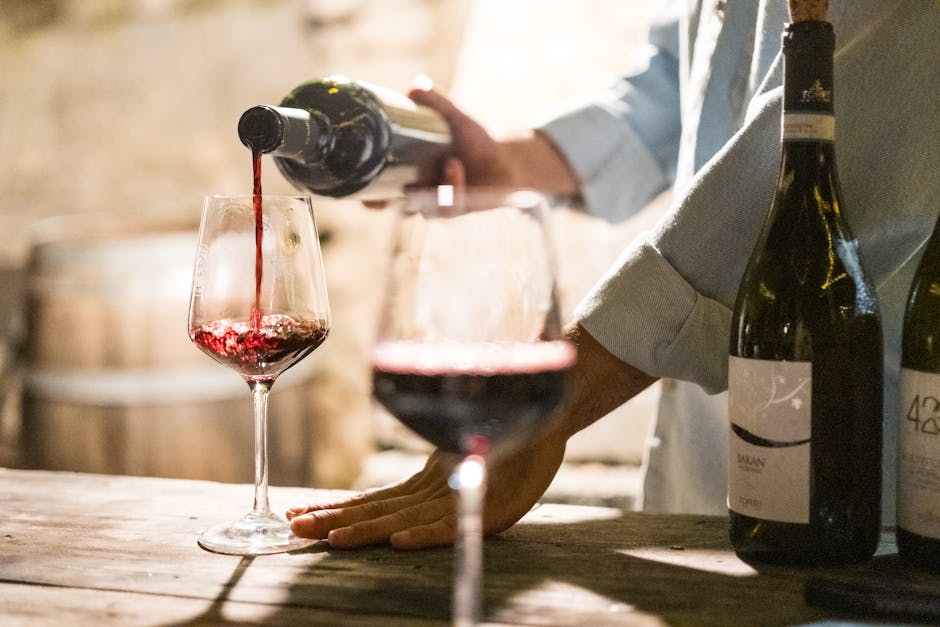
- Self-guided visit: Museo della Tradizione Alimentare di Spilinga
Address: Via Municipio 2, 89864 Spilinga (VV) (small municipal museum)
Opening hours: Tuesday–Sunday 10:00–13:00 / 15:00–18:00; closed Monday
Price: €3.00 entry (reduced €1.50 for students)
Details: panels on the history of ‘nduja, old tools, archival photos. Often paired with a tasting at the local butcher.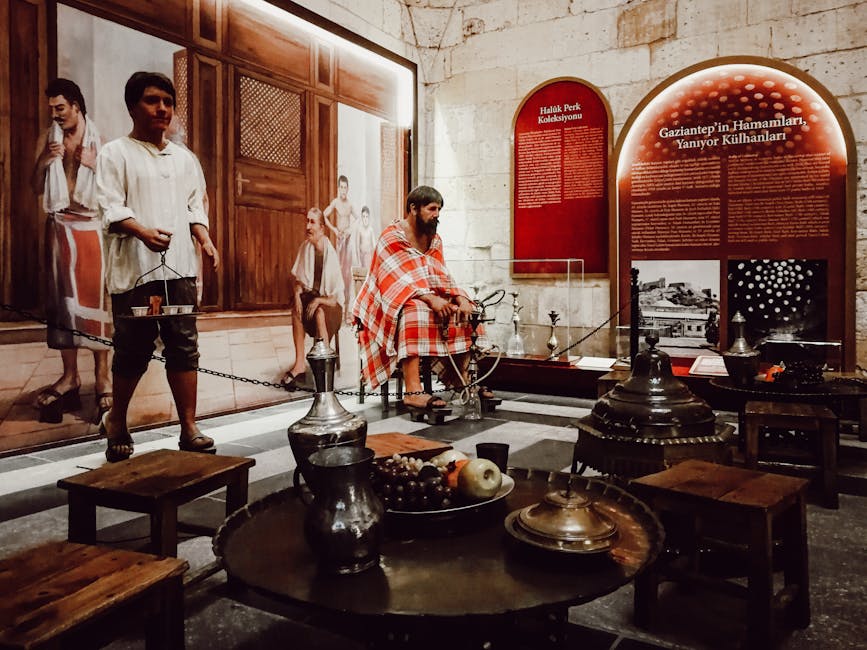
Practical tips for visits:
- Book 48–72 hours in advance in high season (July–August).
- Allow 30–45 minutes for a tasting, 2 hours for a workshop.
- Prices can vary slightly by season; bring cash and card.
5) Food & drink pairings, mistakes to avoid and ways to use ‘nduja every day
‘Nduja can overwhelm a dish if misused. Here are clear rules, exact wine pairings and ideas to fold ‘nduja into seven everyday dishes.
Basic dosing rules (simple guideline):
- Aperitif/spread: 10–20 g per person
- Pasta: 20 g per portion
- Stews/slow cooking: 30–50 g for 4 people
- Fish: 10–15 g per fillet
Wine pairings (cellar addresses and indicative prices):
- Cirò Rosso (DOC) — Winery: Cantine Librandi, Via Provinciale, Ciro Marina 88811 (KR) Price per bottle €8–18; perfect with ‘nduja pasta. Tastings: Cantine Librandi, visit €10–15 (reserve ahead).
- Greco di Bianco (traditional dessert white) — bottle €15–30; cools the heat and offers a sweet finish.
- Moscato di Saracena — bottle €12–25; a good alternative for aperitifs with ricotta and ‘nduja.
Common mistakes to avoid:
- Adding ‘nduja at the very end in large amounts: it needs heat to melt and release its aromas; incorporate it 3–5 minutes before finishing.
- Over-blending: ‘nduja loses nuance if turned into a homogeneous oil.
- Over-salting after adding: ‘nduja is already salty. Taste before adding extra salt.
Everyday use ideas (7 immediate suggestions):
- Morning toast: ‘nduja + honey on rye (10 g)
- Scrambled eggs: 5–10 g stirred before cooking
- Quick pizza: 20 g spread on dough just before baking (250 °C, 7–8 min)
- Meatball marinade: 30 g in 500 g ground meat
- Spicy mayo: 15 g mixed into 150 g mayo for sandwiches
- Lentil soup: 10 g added at the finish
- Warm vinaigrette: 5 g dissolved in warm olive oil for arugula salads
Conclusion: Taking the taste of Calabria home
‘Nduja is more than an ancient sauce: it condenses a landscape (the hills of Vibonese), a history (pork preservation) and a living food culture. This guide has given you exact addresses in Calabria, opening hours, prices, buying and storage methods, recipes and pairing ideas. By following the numbered steps and checklists, you can shop with confidence, pack it for travel, and fold it into your dishes as soon as you’re home. Your first tests should be on a slice of bread, then in a simple pasta: gradually you’ll learn to dose and build dishes around ‘nduja’s power.
The most important takeaway: always taste and adjust. ‘Nduja varies widely by producer and season — 10 g of one jar can equal 30 g of another. When in doubt, choose tasting boxes (3 x 60 g) to compare, and favor purchases at artisan shops or covered markets over industrial supermarket versions. The addresses provided (Spilinga, Tropea, Pizzo, Vibo Valentia, Reggio Calabria) are practical starting points for a foodie route; call ahead to book workshops or tastings and check hours in high season.
Finally, ‘nduja travels well when packed properly — the packaging checklist and storage steps will save it en route. Once home, experiment with dosages, share your versions with friends and, above all, note which producers you prefer. ‘Nduja has a special power: it can turn a simple meal into a deep memory of Calabria. Buon viaggio e buon appetito!