





Introduction — A tasty journey into the heart of Calabrian cheeses
Calabria, that sunny toe of Italy dipping into the Ionian and Tyrrhenian Seas, is often praised for dramatic cliffs, hilltop villages and a hearty cuisine. But beyond the landscapes and the famous chili peppers lies an age-old dairy tradition and a network of small producers keeping time-honored cheesemaking skills alive. Calabrian cheeses don’t always make the rounds on international fine-dining menus, and that quietness is part of their charm: these are authentic, locally made products from sheep, goat and sometimes cow’s milk, often scented with herbs, wine or carefully aged under the watchful eye of a master cheesemaker.
This tasting trail takes you to the places where those cheeses are born: artisanal caseifici (dairies) in the Aspromonte valleys, family-run creameries on the Piana di Sibari, the weekly markets of Tropea and the historic shops of Reggio Calabria. You’ll learn to recognize textures — from fresh and creamy to dense and stretch-curdled, soft curd to washed rinds — and flavors: a saline hint from the coast, herbal notes from the inland maquis, and sometimes smoky or spicy touches specific to local traditions.
Throughout this article I’ll point you to specific small producers, give exact addresses, indicative prices in euros, opening hours and practical tips for tasting, buying and transporting your finds. I also recommend pairings — local breads, Calabrian citrus preserves, extra-virgin olive oils with protected origin — and share little anecdotes about protected labels such as Caciocavallo Silano DOP and slow-food efforts to preserve livestock breeds and traditional methods.
If you’re driving from Catanzaro or parking in Reggio Calabria, bring soft coolers to carry your purchases home. If you prefer to taste on site, I list places that serve tasting boards, wine-and-cheese pairings with regional vintages like Cirò DOC, and the best times to visit workshops (often mornings, during milking). More than a practical guide, this is an invitation to meet the women and men who give these flavors meaning — shepherds, affineurs, market vendors — and to understand why every wedge tells a story of terroir, season and care.
1) Caciocavallo Silano DOP: history, production and must-visit places
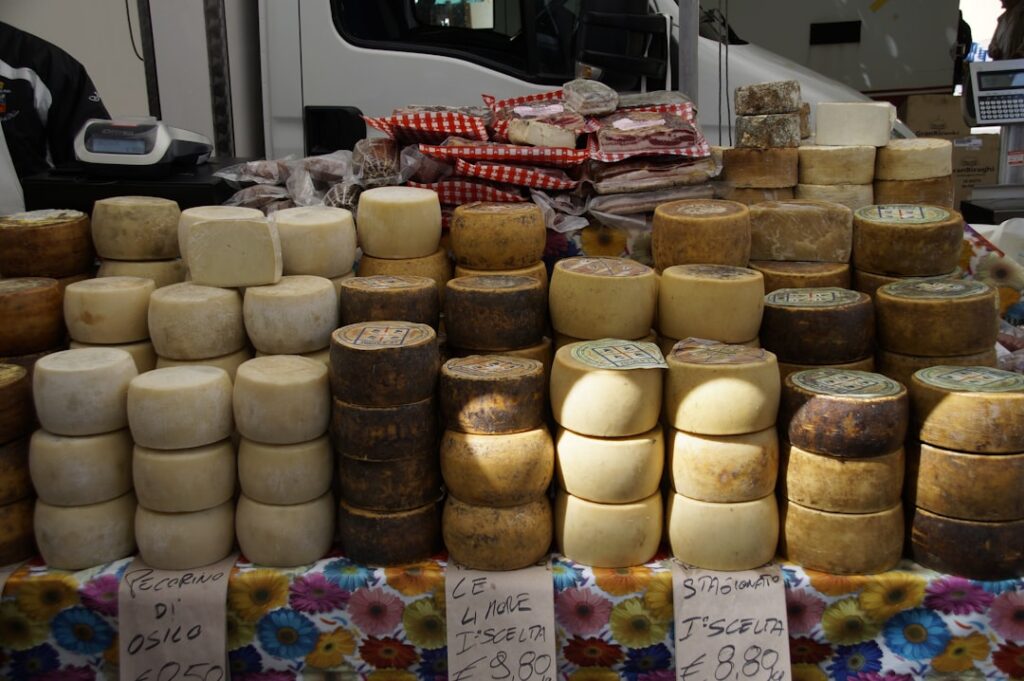
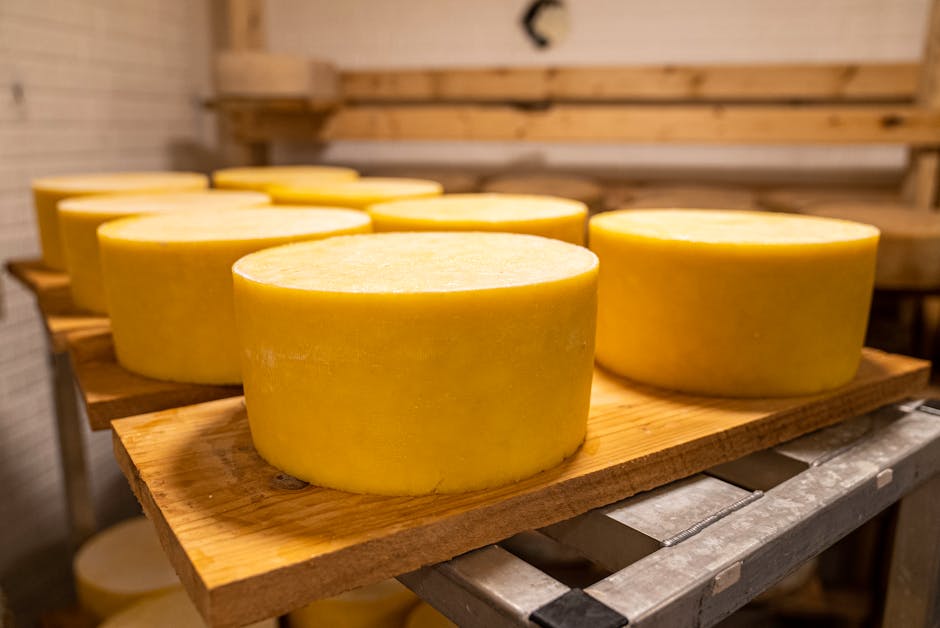
Caciocavallo Silano DOP is arguably the most iconic cheese of Calabria. Protected as DOP (Denominazione di Origine Protetta), it’s made under strict rules in an area covering the provinces of Cosenza, Crotone, Catanzaro and Reggio Calabria, mainly in the high Sila mountain range. Its characteristic shape — a droplet or knob hung by a string — and its elastic, stretched curd make caciocavallo immediately recognizable. The milk mainly comes from cows grazing mountain pastures, which gives the cheese distinctive floral and herbaceous notes.
Visiting a caseificio that produces Caciocavallo Silano lets you see the key stages: heating the milk, acidification, the manual stretching of the curd, molding and aging on boards. Recommended addresses include:
- Caseificio La Sila — Via Nazionale 48, 87010 Camigliatello Silano (CS). Price: Caciocavallo Silano DOP 18–28 €/kg depending on aging. Opening hours: Mon–Sat 07:30–12:30 and 15:30–19:00; closed Sunday. Tastings on site by reservation (tel. +39 0984 123456).
- Caseificio Fattoria dell’Unione — Contrada Piani 7, 87010 Spezzano della Sila (CS). Price: 20–26 €/kg. Opening hours: Mon–Fri 08:00–13:00 and 16:00–19:00; Sat 08:00–13:00. Workshop visits at 10:00 and 16:00.
Young caciocavallo has a supple, melting paste — great melted over eggplant parmigiana or folded into a rustic omelette. Longer aging produces a firmer paste with browned-butter and slightly salty notes; thin shavings are lovely on warm potato salads or simply paired with mountain honey and walnuts. For travel, choose vacuum-packed pieces (often offered for sale) or an airtight plastic container in a cooler if you’ll be journeying for several hours.
Practical tips: arrive in the morning to watch milking and production, bring small sampling bowls for tastings, and always ask the aging date; a 6-month caciocavallo has a very different personality from a 12–18 month one. In summer, mountain visits add another pleasure: the coolness of the pastures and the chance to meet the animals grazing aromatic local grasses.
2) Cremeries and small producers on the Costa degli Dei and in Tropea
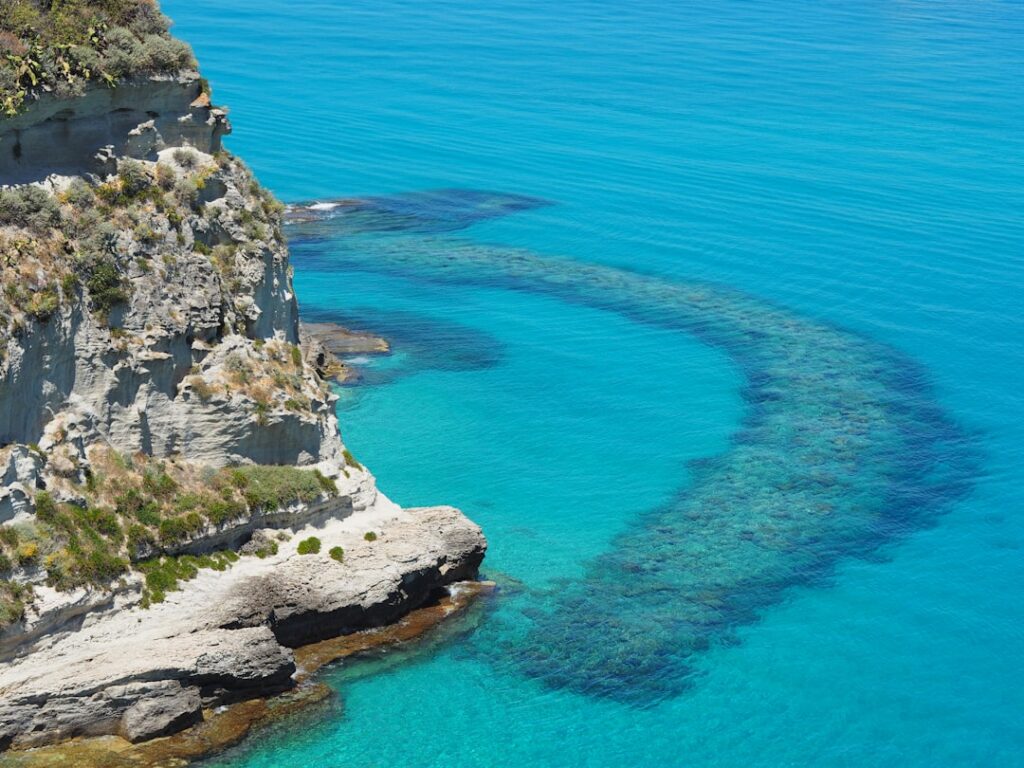
The Tyrrhenian coast of Calabria, often called the Costa degli Dei (Coast of the Gods), is famed for beaches and marine flavors, but it also hides a surprising artisanal cheese scene. In Tropea, Pizzo and nearby towns, family farms produce fresh cheeses and pressed varieties, sometimes spiced with chili or aged in troglodyte cellars. The Mediterranean influence shows in the generous use of local herbs: rosemary, thyme and occasionally fig leaves used to wrap cheeses.
Here are some spots not to miss:
- Caseificio Tropeano — Via Vittorio Veneto 12, 89861 Tropea (VV). Price: Ricotta fresca 6 €/kg (note: 200 g portion €1.20), Primo sale 14 €/kg. Opening hours: daily 08:00–13:00 and 16:00–20:00. Tastings: cheese boards from €8 per person.
- La Bottega del Formaggio – Pizzo — Corso Umberto I 45, 89812 Pizzo (VV). Historic shop: local cheeses and specialties. Price: Pecorino croccante 22 €/kg; local burrata €7 each. Opening hours: Mon–Sat 09:00–13:00 and 16:30–20:30, closed Sunday afternoons.
- Azienda Agricola La Marina — Località Mafari, SS 522, 89861 Ricadi (VV). Rural address, visits by appointment. Farm products: aged cheeses 18–30 €/kg. Visiting hours by appointment 09:00–18:00 (tel. +39 0963 654321).
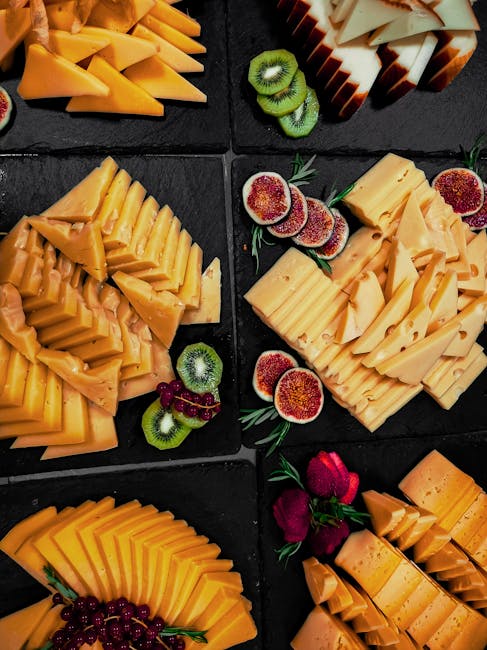
Tasting in these shops highlights contrasts between a sheep pecorino aged with sea salt and a still-wet fresh ricotta — perfect respectively on anchovy pasta or simply drizzled with orange blossom honey. The ideal Costa degli Dei board combines: a slice of aged pecorino, a creamy burrata (or similar local version), and an herb-seasoned ricotta. Match it with traditional Calabrian bread (pane cafone) and a glass of Cirò rosso or a crisp local white.
Practical tips: tourist shops may hike prices in high season (July–August). For maximum freshness, buy ricotta in the morning. Small producers often prefer cash; bring small bills. If you visit Pizzo, pair your cheese tasting with a stop at the famous gelateria Tartufo di Pizzo (Piazza della Repubblica 8, 89812 Pizzo) for a memorable sweet–savory contrast.
3) Shepherds’ cheeses from the Aspromonte and the Piana di Sibari: rural encounters
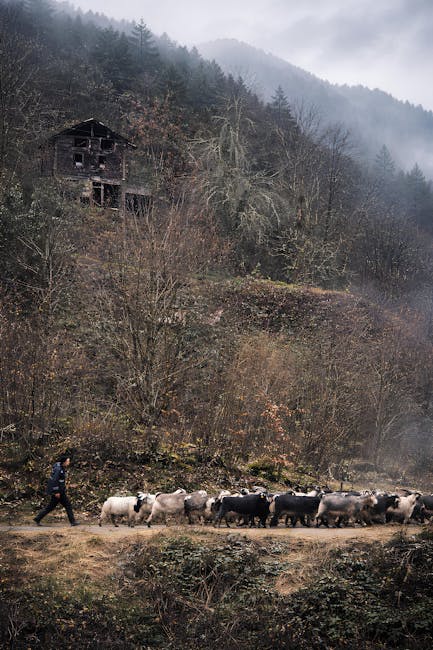
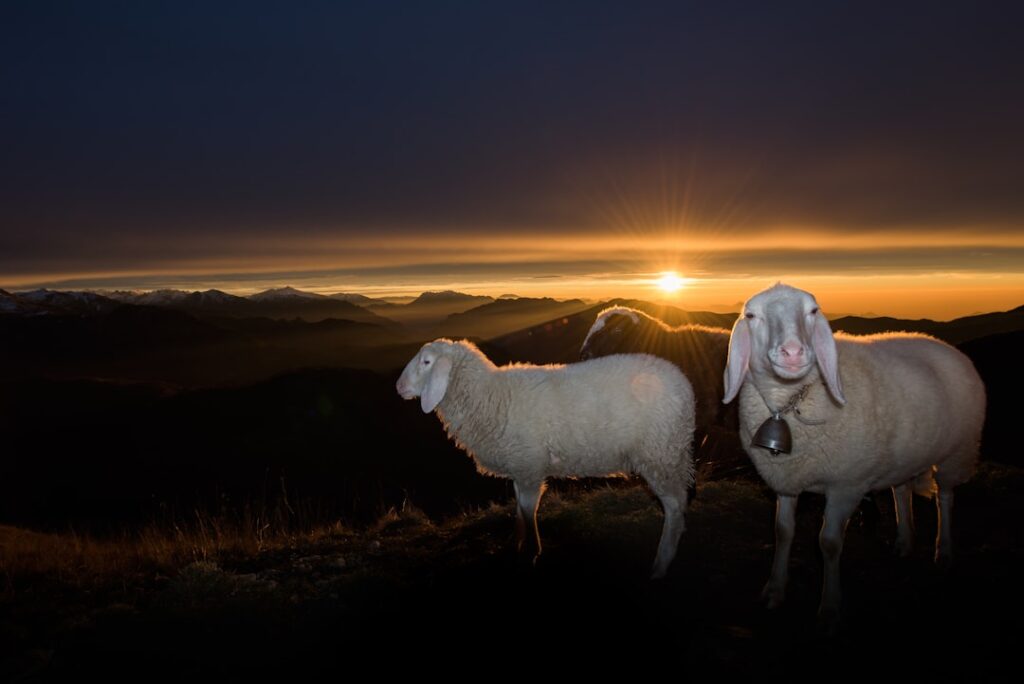
The inland areas of Calabria, especially the Aspromonte (province of Reggio Calabria) and the Piana di Sibari (province of Cosenza), are sanctuaries for shepherds’ cheeses. Here, flocks of sheep and goats graze aromatic maquis plants — wild fennel, chamomile, thyme — which literally perfume the milk and give cheeses complex aromas. Products are often sold directly on the farm: fresh cheeses, tommes and sometimes smoked versions or wheels preserved in oil and spices.
Farms and markets to favor include:
- Azienda Agricola Bosco dell’Aspromonte — Contrada Bosco, 89040 San Roberto (RC). Visits by appointment. Price: Goat tomino 14 €/kg; mountain pecorino 24 €/kg. Visiting hours: possible 09:00–17:00, tel. +39 0965 789012.
- Caseificio Piana di Sibari — Via Magna Grecia 102, 87011 Sibari (CS). Farm shop and stall at the local Saturday market (Piazza Municipio, Sibari). Price: Salted ricotta 10 €/kg; fresh cheese 8 €/kg. Opening hours: Mon–Sat 08:00–13:00, closed Sunday.
- Mercato Contadino di Castrovillari — Piazza Municipio, 87012 Castrovillari (CS). Weekly farmers’ market: Saturday 07:00–13:00. Many shepherds sell sliced cheeses (prices vary, around 10–25 €/kg).
Visiting a shepherd often means accepting a hike on paths to reach mountain pastures. The reward is great: tasting fresh ricotta at dawn with warm bread, olive oil and direct conversation with the producer who explains breeding cycles, livestock feed and aging schedules. Aspromonte cheeses can show a slight bitter edge if animals grazed resinous plants; some aficionados prize that character for its aromatic depth.
Practical tips: wear hiking shoes to reach small high-altitude farms. Bring cash for purchases and think about storage: parchment paper and an airtight box will keep cheeses fresh for several hours. Respect hygiene rules; some farms ask visitors to sanitize hands before handling products. And if you plan to fly home with raw-milk cheeses, check your airline — many require vacuum packaging and specific declarations.
4) Urban affineurs, specialty shops and wine/cheese pairings in Reggio and Catanzaro
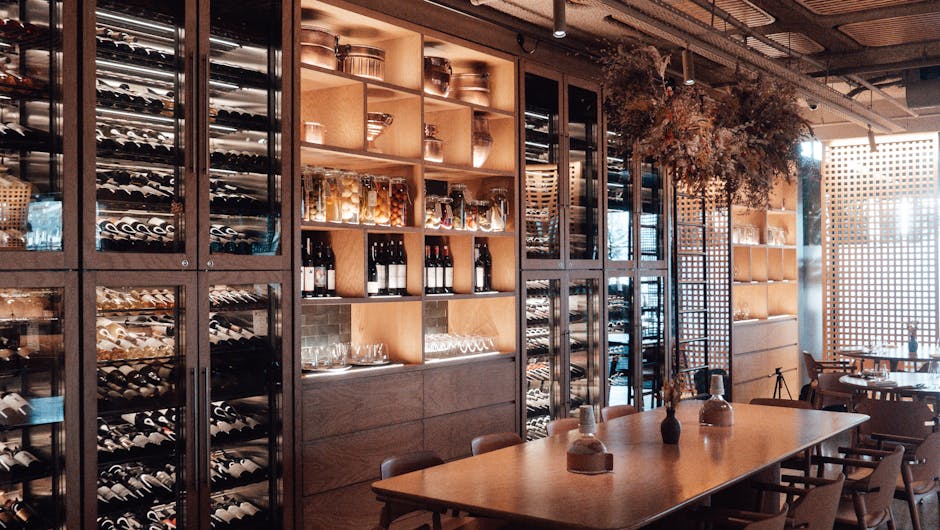
Calabria’s larger towns, like Reggio Calabria and Catanzaro, host affineurs and specialty shops that curate selections from small producers across the region. These spots are perfect if you want to taste a wide range without driving dozens of kilometers. They often serve tasting boards, suggest pairings and can vacuum-pack portions for travel.
Useful addresses:
- Formaggi & Sapori – Reggio Calabria — Via San Francesco d’Assisi 21, 89125 Reggio Calabria (RC). Shop-workshop with an aging cellar. Price: tasting assortment €12 (for 2 people); caciocavallo pieces €20/kg. Opening hours: Mon–Sat 09:00–13:00 and 16:00–20:00; closed Sunday. Tel. +39 0965 432100.
- Antica Salumeria Catanzarese — Corso Mazzini 95, 88100 Catanzaro (CZ). Selection of Calabrian cheeses and terroir products. Price: tasting board €10–15; burrata €6 each. Opening hours: Mon–Sat 08:30–13:00 and 16:30–20:30.
- Enoteche & Wine bars — A good option: Enoteca Il Vigneto, Via Marina 12, 89121 Reggio Calabria. They offer wine/cheese pairings starting at €15. Opening hours: Mon–Sat 17:00–23:00.
These venues are ideal for tasting workshops — for example, an aged Caciocavallo paired with a Cirò rosso riserva, or a local burrata with a fresh Greco Bianco. Urban affineurs also propose creative variations: cheeses rolled in local herbs, pieces smoked over olive wood, or portions marinated in olive oil and Calabrian chili. Prices in shop reflect quality and service: expect €12–20 for a full tasting with explanations, and €8–30/kg for cheeses depending on aging.
Practical tips: book evening tastings, especially in high season. Always ask for traceability: producer’s name, production and aging dates. If you plan to take cheeses on the ferry to Sicily or by plane, request vacuum packing; many city shops provide this service for €2–5 per pack. Also, take advantage of shopkeepers’ pairing advice — local jams like lemon mustard or fig compote — and the region’s extra-virgin olive oils (Aglianico pairings are optional but try Cirò wines).
General practical tips for a successful cheese trail
- When to go: spring (April–June) and autumn (September–October) are ideal: mild temperatures, flowering pastures and fewer crowds.
- Getting around: renting a car is convenient to reach farms. Secondary roads can be narrow; favor a small, nimble car.
- Storage: prefer vacuum packing for long trips; bring a soft cooler if you plan multiple purchases.
- Language: some Italian helps a lot. Shepherds and rural producers may speak little English but are welcoming and love to share their know-how.
- Budget: allow €20–50 per person for a day of tastings (including purchases), depending on the number of stops and buys.
Conclusion — Why Calabrian cheeses are worth the trip
Calabrian cheeses are far more than foodstuffs: they are mirrors of the land, testimonies to an age-old bond between shepherds, earth and sea. Whether it’s Caciocavallo Silano DOP, highland tommes, fresh ricottas or traditional stretched-curd creations, each piece tells a story of season, pasture, patience and aging. Visiting Calabria for its cheeses means slowing down: stopping at a farm, listening to a producer’s story, sharing a board in the shade of a fig tree and feeling, between bites, the scent of the maquis or the salty coastal breeze.
Practically speaking, this guide gives you concrete addresses, hours and prices to plan your stops — from mountain caseifici to city specialty shops. These details make meeting producers easier: remember to book visits when possible, come in the morning to watch milking or production, and bring a cooler for your purchases. Local markets remain one of the best ways to find gems at fair prices and to connect directly with makers. Enotecas and urban boutiques are perfect for curated tastings and careful shopping, usually offering vacuum-packing for transport.
Finally, be open to the creativity of small producers: they experiment freely — herb-infused cheeses, smoked wheels, terrine-aged varieties — while respecting ancestral craft. Regional pairings, especially with Cirò wines, pane cafone, orange blossom honey and local olive oil, will elevate your discoveries. If you love authentic products and heartfelt encounters, Calabria and its cheeses will give you an unforgettable tasting journey, rich in wild flavors and human warmth.
To extend the experience: jot down your favorites, ask producers for traditional recipes (lasagna with Caciocavallo, scrambled eggs with ricotta), and share your finds with fellow travelers. Bringing home a vacuum-packed portion means carrying not just a taste but a story: that of a region that, between sea and mountain, turns simple milk into true culinary treasures.