





Introduction: Forgotten Treasures — Calabrian Vegetables and Artisanal Preserves
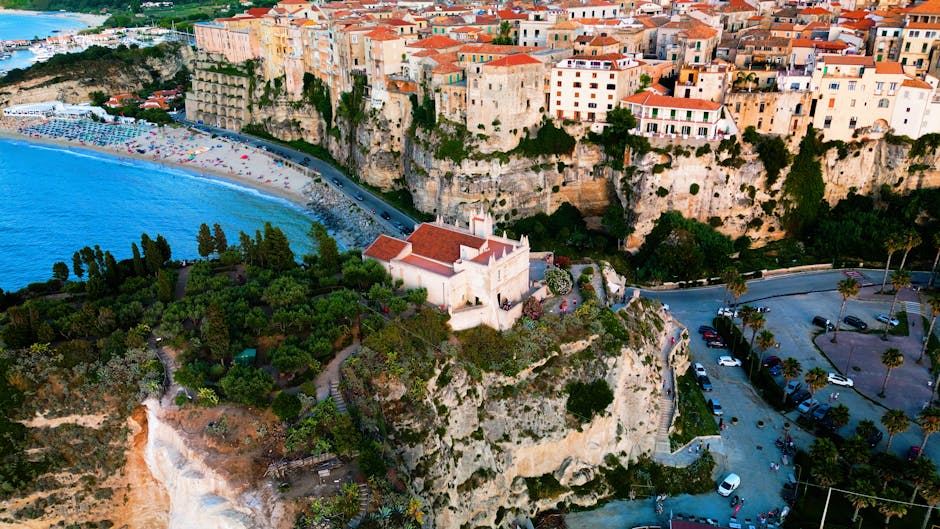
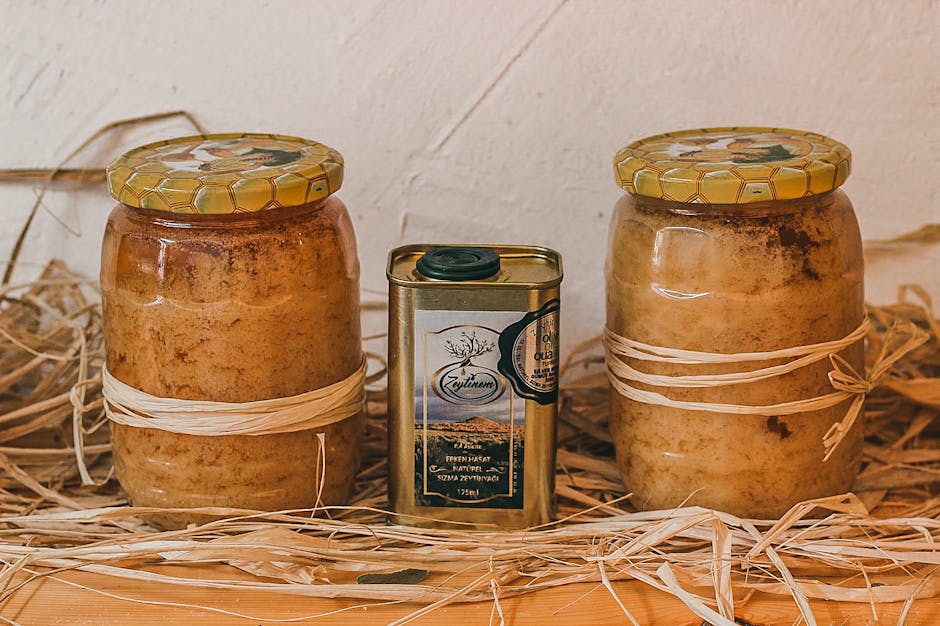
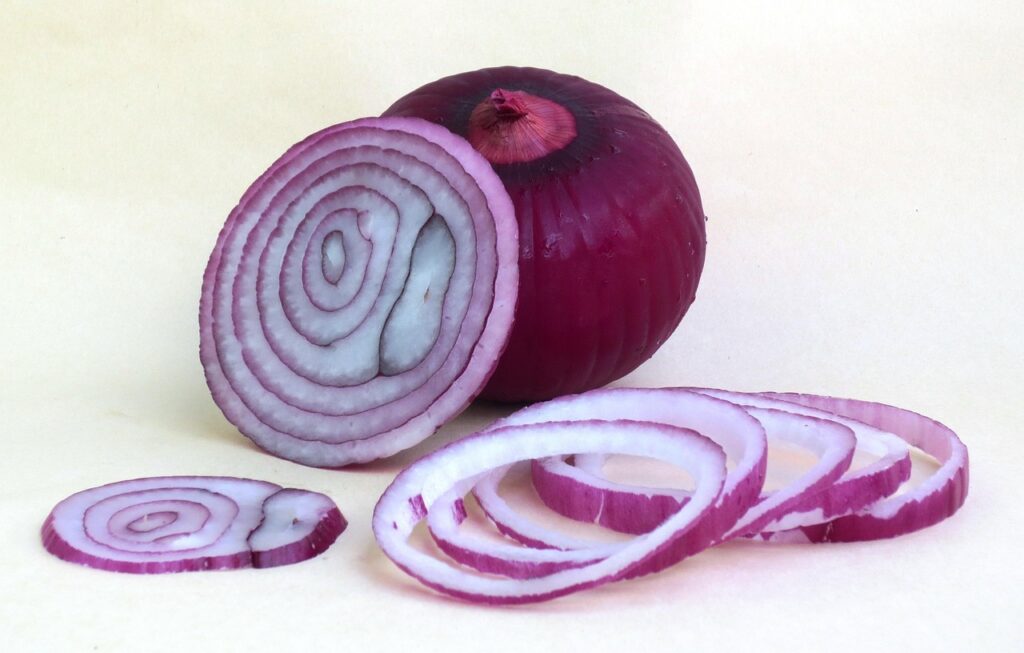
Calabria, that southern tip of Italy lashed by the winds of the Ionian and Tyrrhenian seas, hides treasures often missed by the usual tourist routes: heirloom vegetables, time-honored preservation methods and colorful jars that capture the seasons. This is more than food — it’s a living heritage where farmers, preserving artisans and home cooks pass down techniques from generation to generation. Between the tart bite of bergamot and the sweetness of the cipolla rossa di Tropea (Tropea red onion), Calabria offers a palette of flavors that shine both fresh and preserved — packed in oil, candied, pickled in vinegar or made into thick sauces perfect for winter.
This guide sets out to explore those forgotten gems: local markets, small artisanal canneries, family producers, delicatessens and processing workshops. It’s written for curious food lovers, traveling cooks and discerning buyers looking for authentic, sustainable products. For every place mentioned you’ll find precise addresses, practical hours, typical prices in euros and concrete tips on how to taste, buy or bring these items home without compromising their quality. I’ll also map suggested routes — for example, a day in Tropea to discover the red onion and its products; a visit to Reggio Calabria to meet preserved-eggplant makers; a stop in Pizzo for tartufi and artisanal jams — and lesser-known stops like Gerace or Scilla where vegetable traditions remain intact.
Beyond addresses, this guide gives an overview of artisanal techniques: jar sterilization, salting, confit, maceration in the region’s extra-virgin olive oil. I’ll offer price benchmarks (for example, a 290 g jar of cipolle in agrodolce from 4 to 7 € depending on the producer) and recommendations for storing and using these products in the kitchen: antipasti, pasta, toasts, or as accompaniments for meat and fish. Finally, I’ll share local tips for haggling at the market, interpreting product labels (origin, preservation method, production date) and for joining a workshop or factory tour when possible — a usually paid but invaluable experience to grasp the soul of the craft.
This is not an exhaustive catalog but a curated selection of emblematic spots and small finds discovered on the ground: bustling markets, family-run shops and artisanal canneries that respect seasonality. It aims to revive a slow, attentive approach to food, where every jar tells a story of terroir, know-how and respect for the natural rhythm of vegetables. Ready to embark on this sensory journey through Calabria? Get your taste buds and notebook ready: you’ll leave with products, recipes and above all the urge to pass these forgotten flavors on.
Iconic Markets and Local Producers: Where to Find Vegetables and Preserves
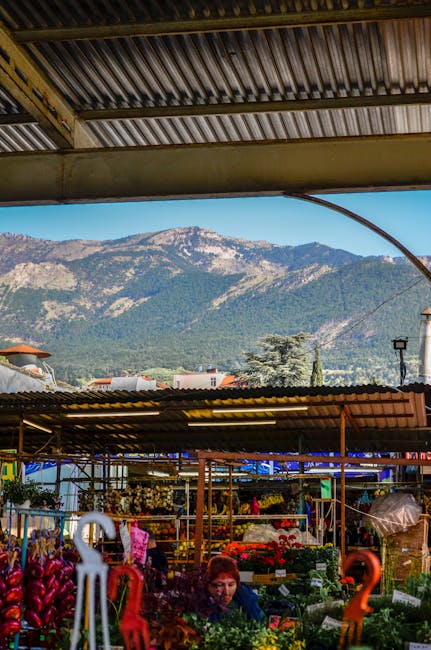
Markets are the ideal first stop to understand Calabria’s vegetable richness. They bring together growers, preservers and individuals selling home-made preparations. Must-see markets include:
-
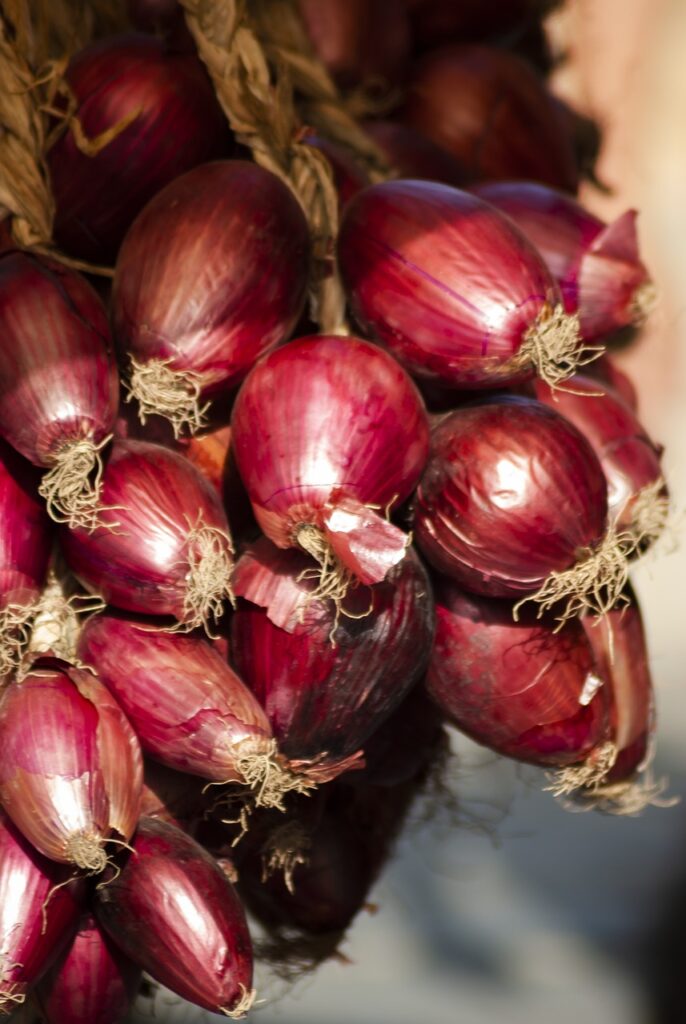
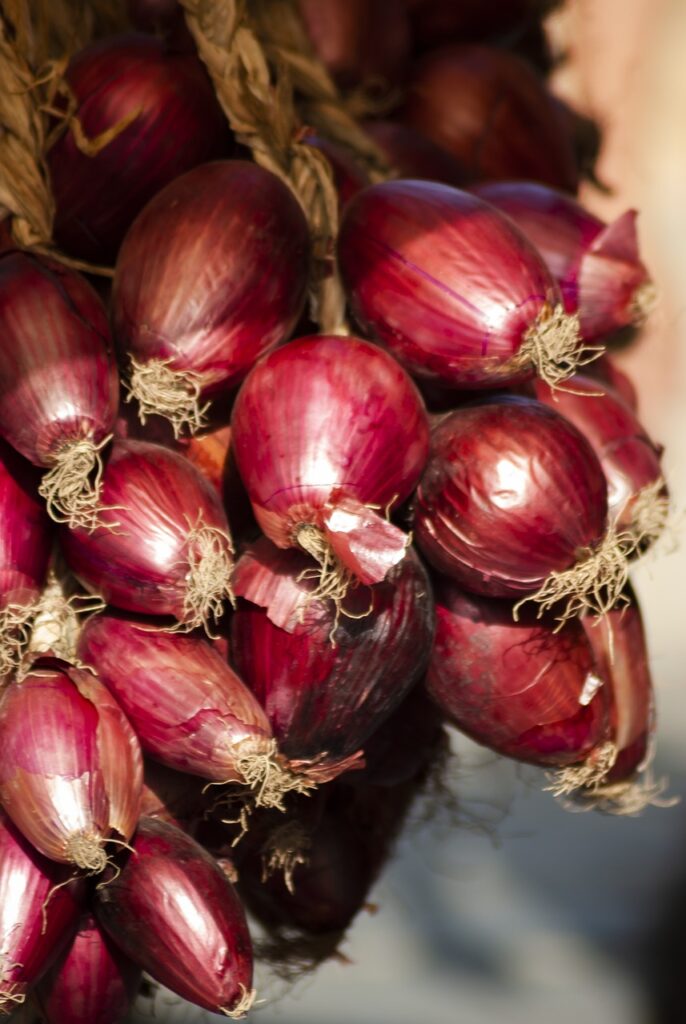
Mercato Comunale di Tropea — Via Umberto I, 89861 Tropea (VV). Open Monday to Saturday, 07:00–13:00. Here you’ll find the famous cipolla rossa di Tropea fresh for €1.50–3.00/kg depending on the season, and 290 g jars of cipolle in agrodolce (sweet-and-sour pickled onions) at €4.50–6.50.
-
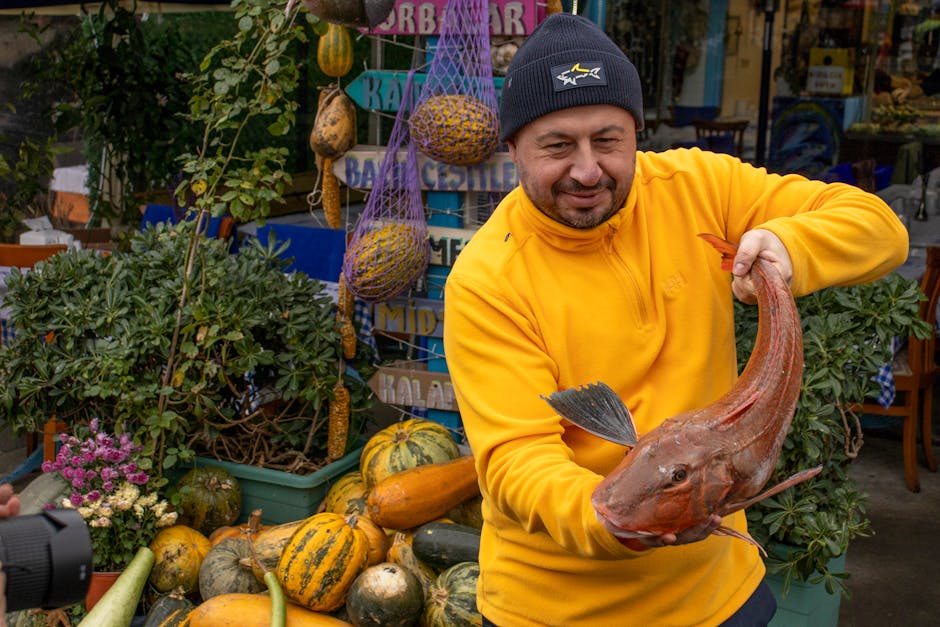
Mercato di Reggio Calabria – Pesce e Verdure — Lungomare Falcomatà, 89123 Reggio Calabria (RC). Open every day except Sunday, 06:00–14:00. Besides fresh fish, many stalls offer eggplants preserved in oil (melanzane sott’olio) and chili sauces; typical price: €5–8 per 300 g jar. It’s an excellent place to taste and buy peperoncino prepared and jarred in local olive oil.
-
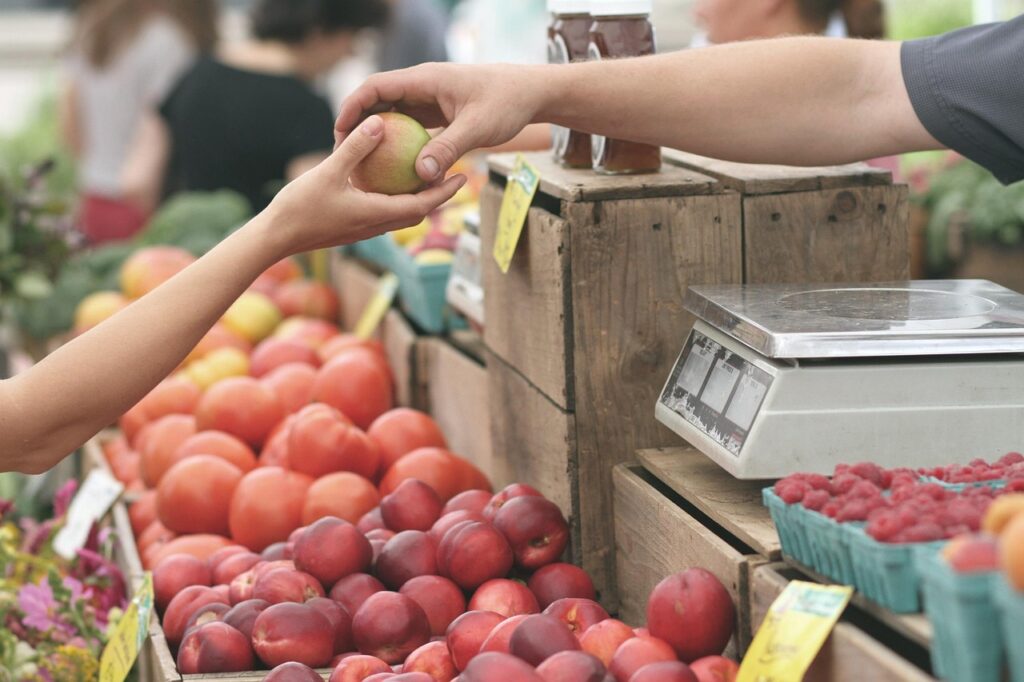
Mercato Coperto di Cosenza — Piazza Matteotti, 87100 Cosenza (CS). Hours: Tuesday to Saturday 08:00–13:00 then 16:00–19:30. Look for highland producers selling small mountain vegetables (green beans, cardoon) and jars of cardi sott’olio (cardoons preserved in oil) at around €6–9.
-
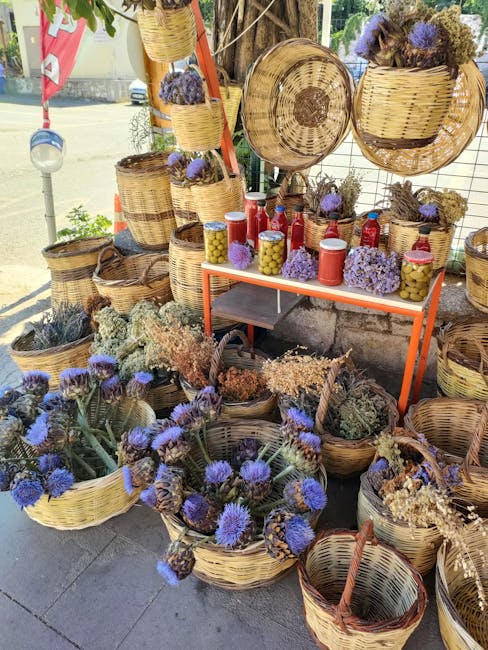
Mercato di Pizzo Calabro — Piazza della Repubblica, 89812 Pizzo (VV). Open Wednesdays and Saturdays 08:00–13:00. Besides the famous tartufi (local ice creams), you’ll find bergamot jams and preserves of sea vegetables; bergamot jam (250 g) costs about €4–7.
Practical tips: arrive early (08:00–10:00) for the best picks; bring reusable bags and cash (small stalls don’t always take cards). Ask questions: most producers enjoy talking about their methods and may offer small samples. If you’re hunting for a specific preserve (for example smoked eggplants or a local tapenade), note the exact Italian name and ask: “Avete melanzane sott’olio affumicate?”.
Artisanal Canneries to Visit: Workshops, Addresses and Prices
Visiting a small artisanal cannery lets you see the heart of the craft: selecting vegetables, cooking, bottling and sterilizing. Several family-run businesses open their doors for demonstrations — usually by appointment. Here are precise addresses and what to expect.
-
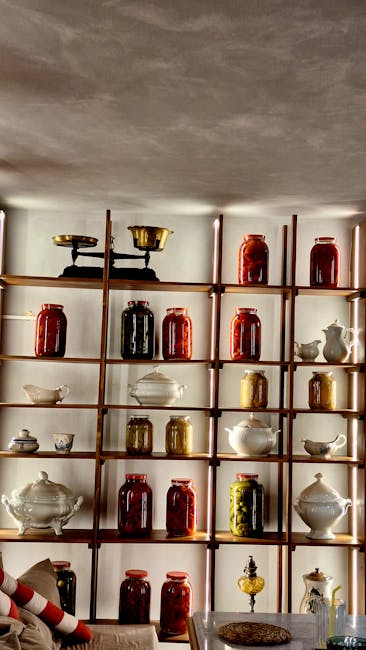
Conservificio di Tropea – Conserves e Specialità — Via Gabriele D’Annunzio, 22, 89861 Tropea (VV). Hours: Monday–Saturday 09:00–13:00, 15:30–19:00. Guided visits by reservation (tel. +39 0963 123456); tasting and a 1.5-hour workshop: €20 per person. Products: cipolla rossa in agrodolce 290 g €5.50, crema di cipolla (onion cream) 180 g €6.00, bergamot pesto 120 g €7.50.
-
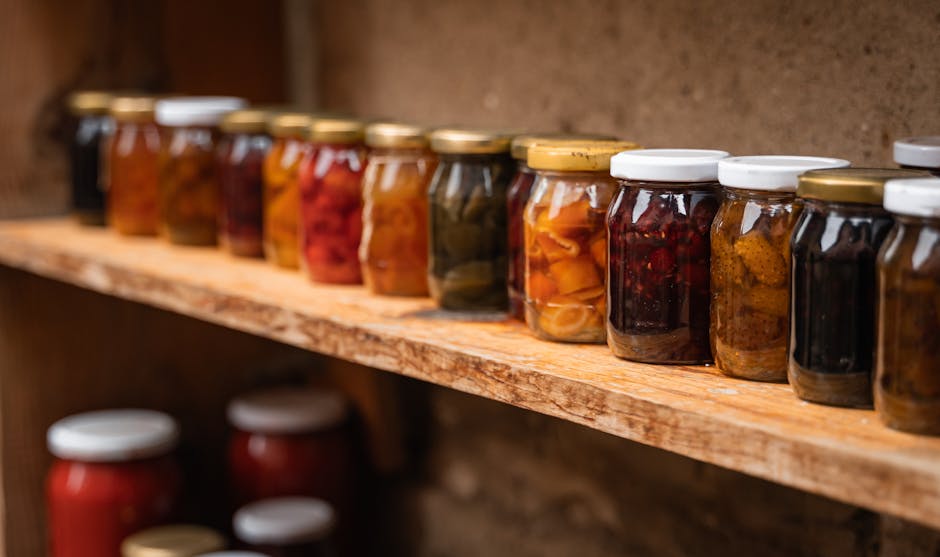
Antica Conserve di Gerace — Via Duomo, 10, 89040 Gerace (RC). Hours: Tuesday–Sunday 09:00–13:00, 16:00–18:30. Workshop visit (30–45 min): €12 with tasting. Specialties: cardi sott’olio 280 g €6.50, bergamot marmalade 250 g €5.00.
-
Fratelli Russo – Conserve Artigianali — Via Nazionale, 5, 89058 Scilla (RC). Hours: Monday–Saturday 08:30–13:00, 15:30–19:00. The Fratelli Russo offer jar-making classes (2-hour sessions) for €25; products: melanzane grigliate sott’olio (grilled eggplants) 300 g €6.90, peperoncino piccante in olio (spicy chili in oil) 200 g €5.50.
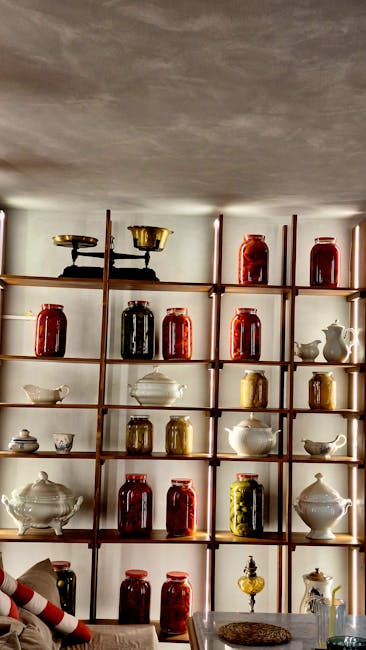
During a visit, pay attention to details: the origin of the olive oil, whether preservatives are used, the sterilization method and the production date on the label. Ask for a product sheet (scheda tecnica) if available — it lists shelf life, ingredients and allergens. Pro tip: if you need to transport fragile jars, ask the preserver if they offer thermal packaging or bubble wrap — some sell a special export pack for €2–5.
Featured Products and How to Use Them in the Kitchen
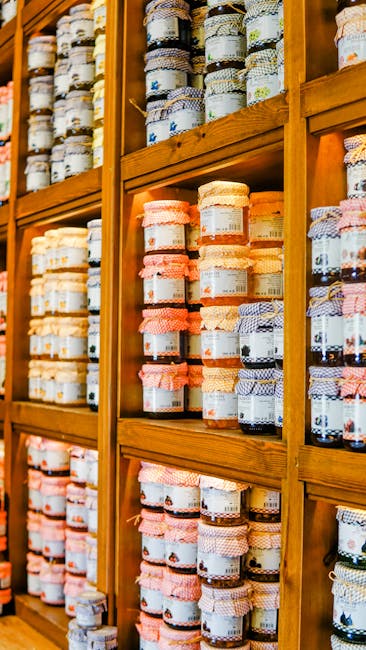
Calabria is home to unique products that are simple yet intensely aromatic. Here’s a rundown of items to look for, how to spot them and culinary ideas.
-
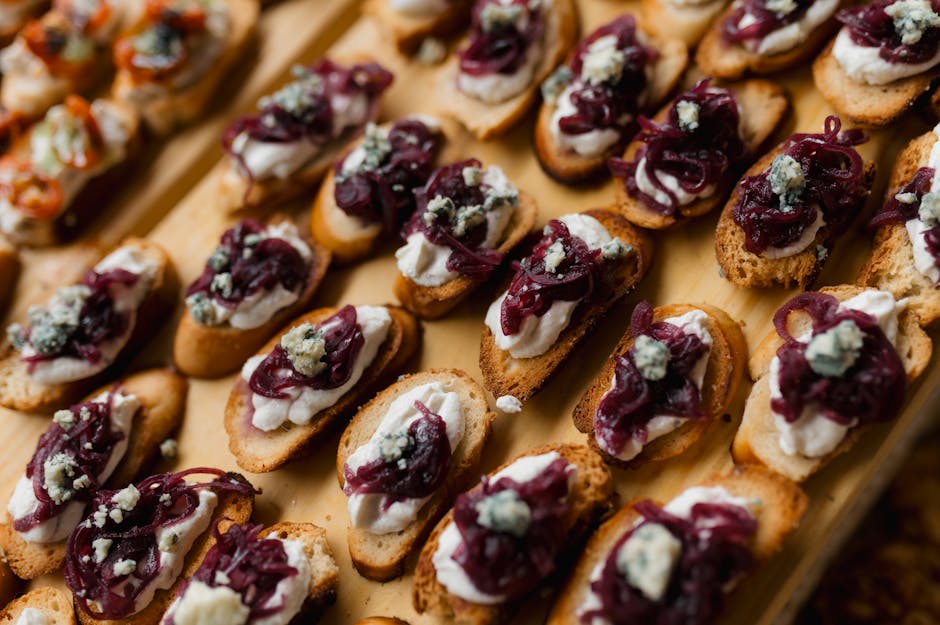
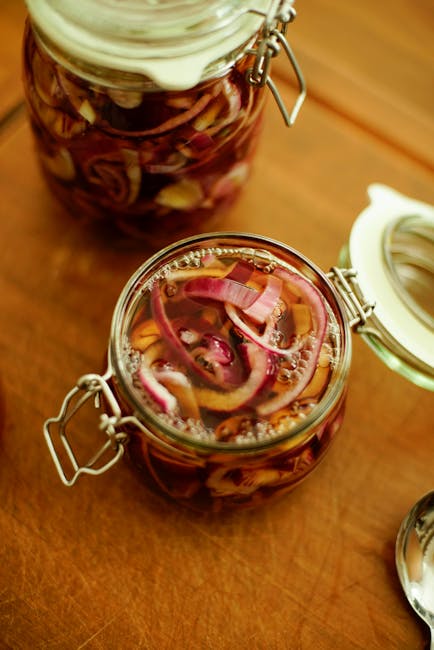
Cipolla Rossa di Tropea — a sweet red onion often turned into cipolle in agrodolce (sweet-and-sour pickled onions) or jam. Buy fresh for €1.50–3.00/kg in season at Mercato di Tropea; a 290 g jar of cipolle in agrodolce runs €4.50–6.50. Uses: antipasto on bruschetta, served with fresh cheeses, or folded into a pasta sauce.
-
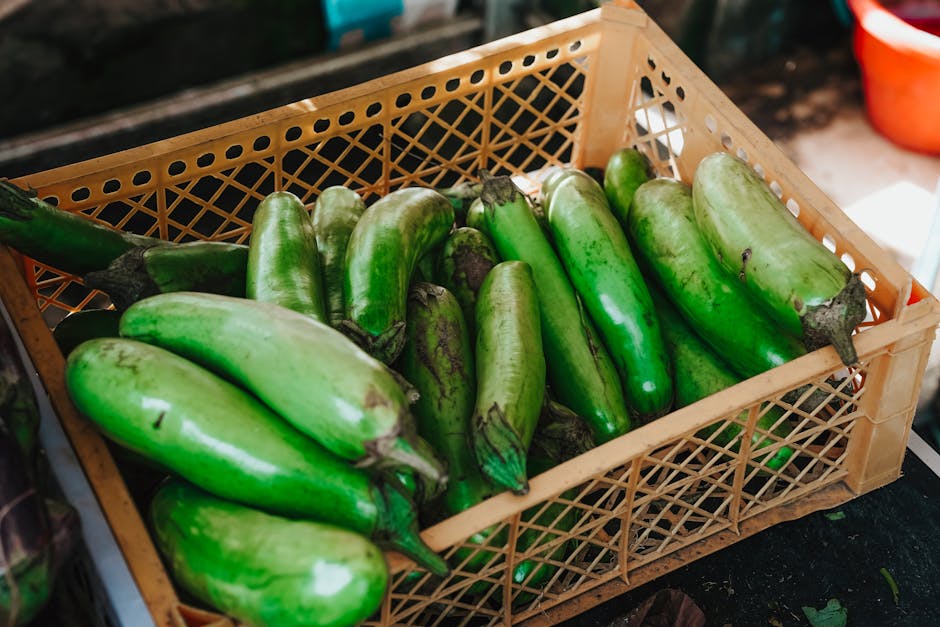
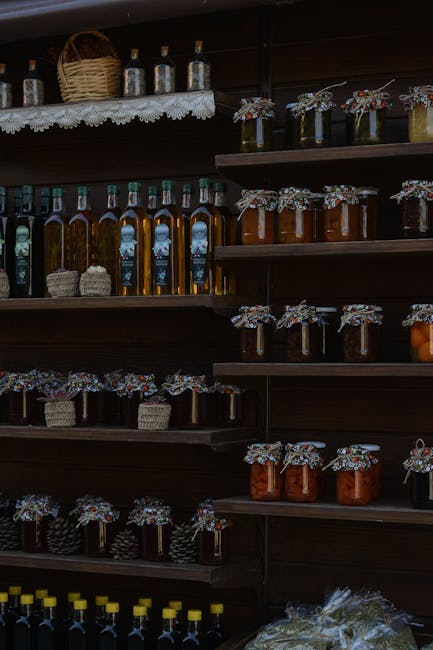
Melanzane sott’olio — grilled or fried eggplants preserved in oil. Price: €5–8 per 300 g jar depending on method. Powerful flavor; use in pasta sauces, on a rustic pizza, or as a condiment for fish dishes.
-
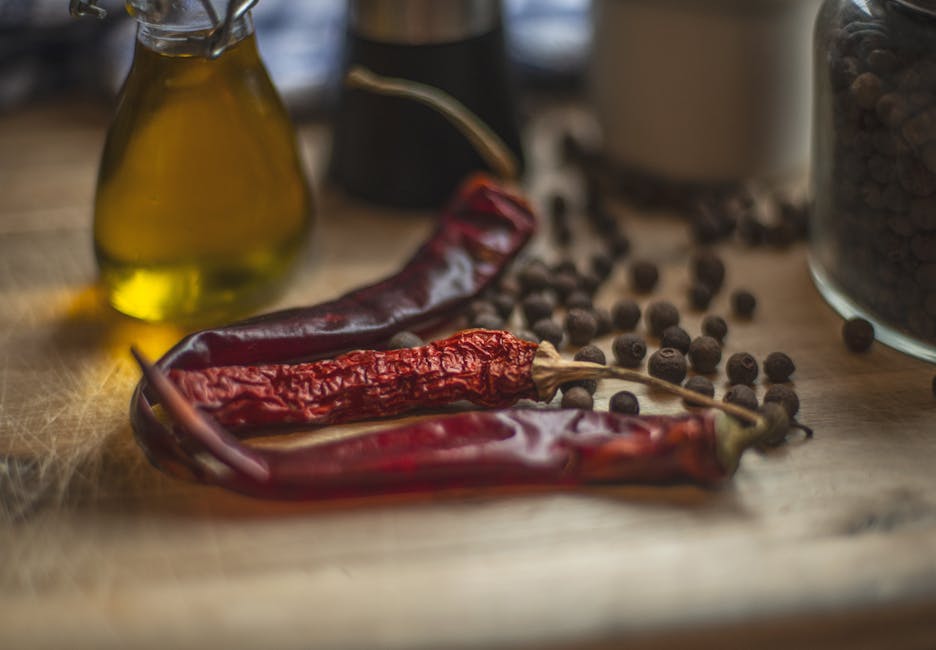
Peperoncino piccante in olio — chilies macerated in oil: €4–7 per jar. Ideal to flavor sauces, spread on crostini, or add a few drops to a vinaigrette.
-
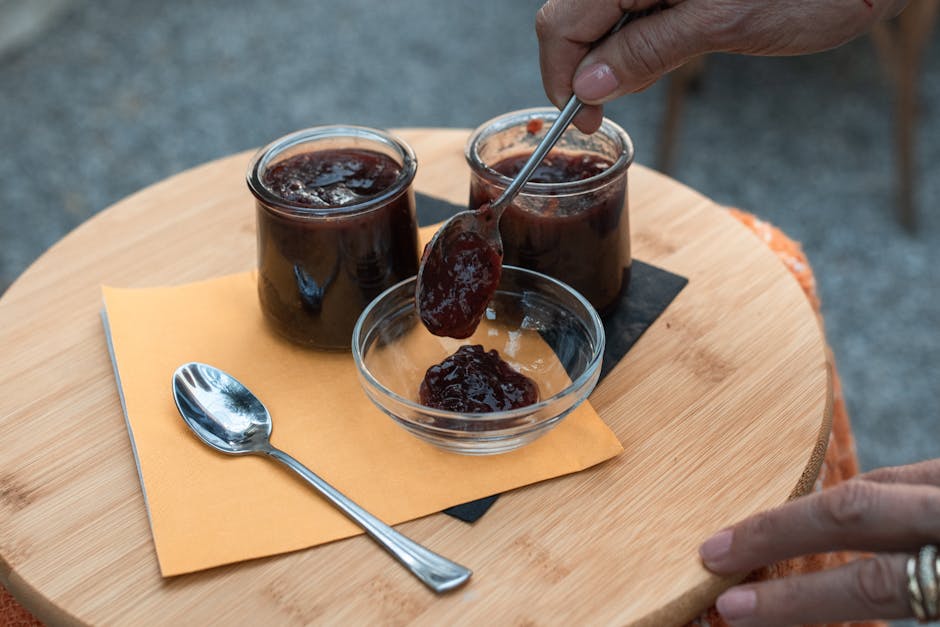
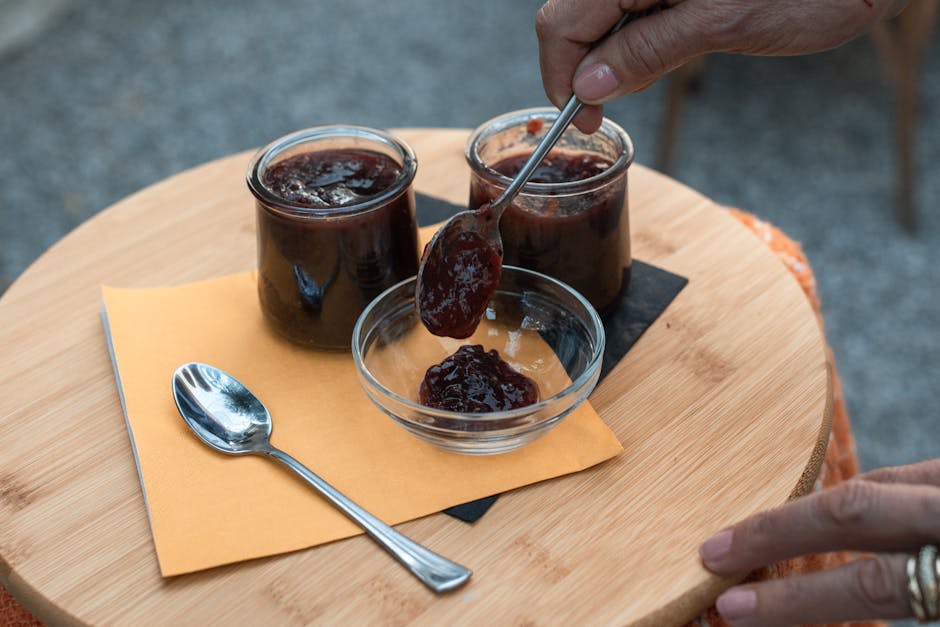
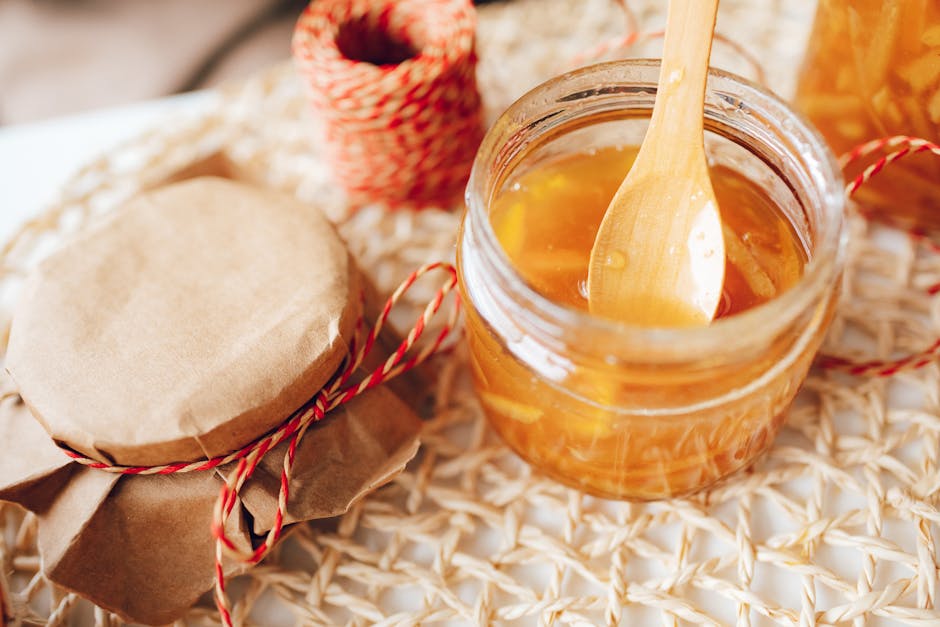
Bergamotto marmellata — bergamot marmalade, a unique scent of the Calabrian coast (Pizzo and Reggio). 250 g jars cost about €4–7. Great with fresh goat cheese, as a glaze for white meats or on morning toast.
Storage tips: after opening, keep oil-packed preserves refrigerated and consume within 10–15 days; jams and marmalades can keep for several months in the fridge. Always check production date (data di produzione) and best-before notice (da consumarsi preferibilmente entro). In the kitchen, don’t hesitate to pair these products with local extra-virgin olive oil (olio extravergine d’oliva) and fresh herbs (basil, parsley, Calabrian oregano) to balance rich, salty flavors.
Delicatessens and Recommended Shops for Export
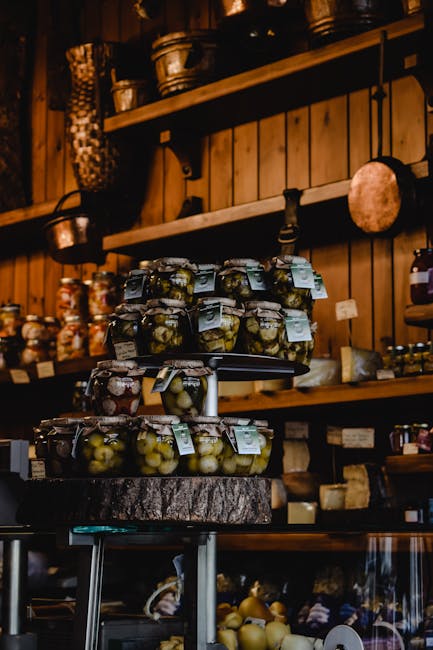
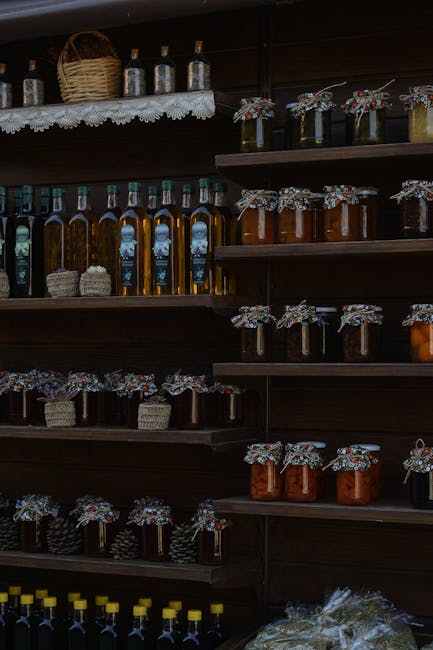
If you plan to bring quality preserves home or make more organized purchases (gifts, repeat orders), delicatessens and specialty stores are invaluable. They usually curate selections and offer better packaging for transit.
-
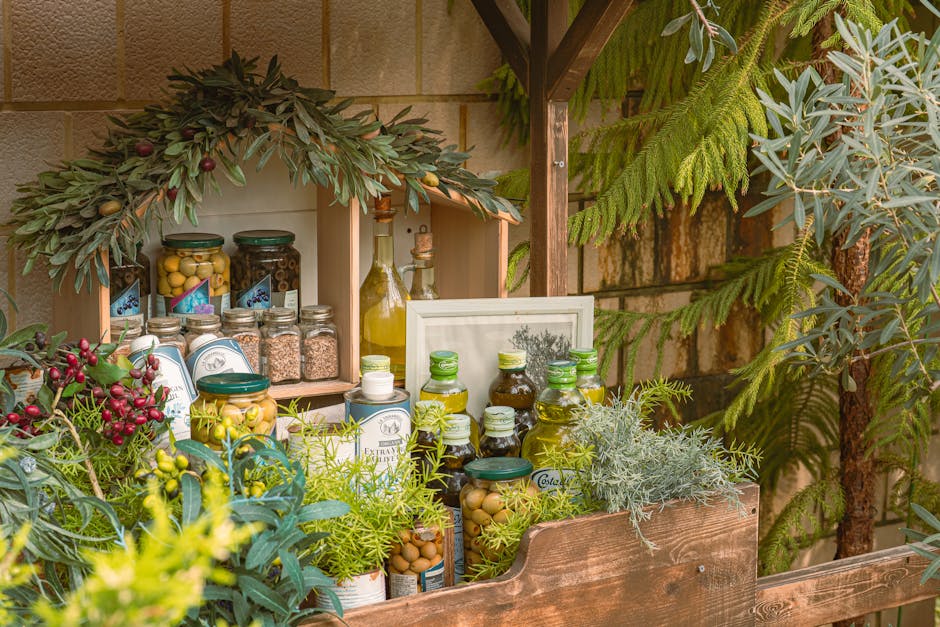
La Bottega del Gusto — Via Marina, 12, 89100 Reggio Calabria (RC). Hours: Monday–Saturday 09:00–13:00, 16:00–20:00. Products: gift boxes (3 jars) €18–30, local extra-virgin olive oil 500 ml €12–20. Staff advise on export and offer vacuum packing for €6 per jar.
-
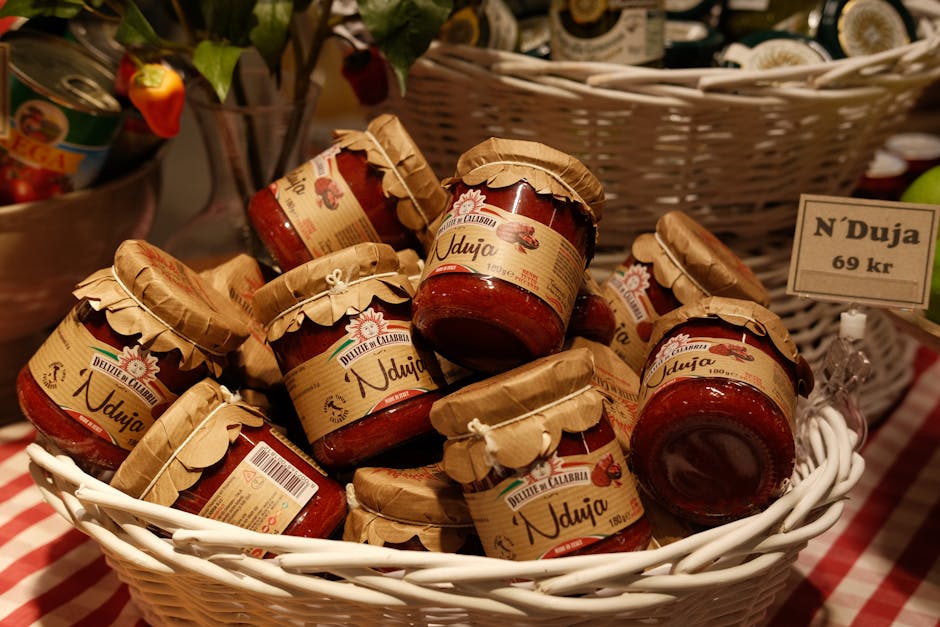
Caseificio e Sapori di Calabria — Corso Vittorio Emanuele III, 45, 87036 Rende (CS). Hours: Tuesday–Sunday 09:00–13:00, 15:30–19:30. Mixed specialties: local cheeses + preserves. Tasting box (cheese + 2 jars): €22–35.
-
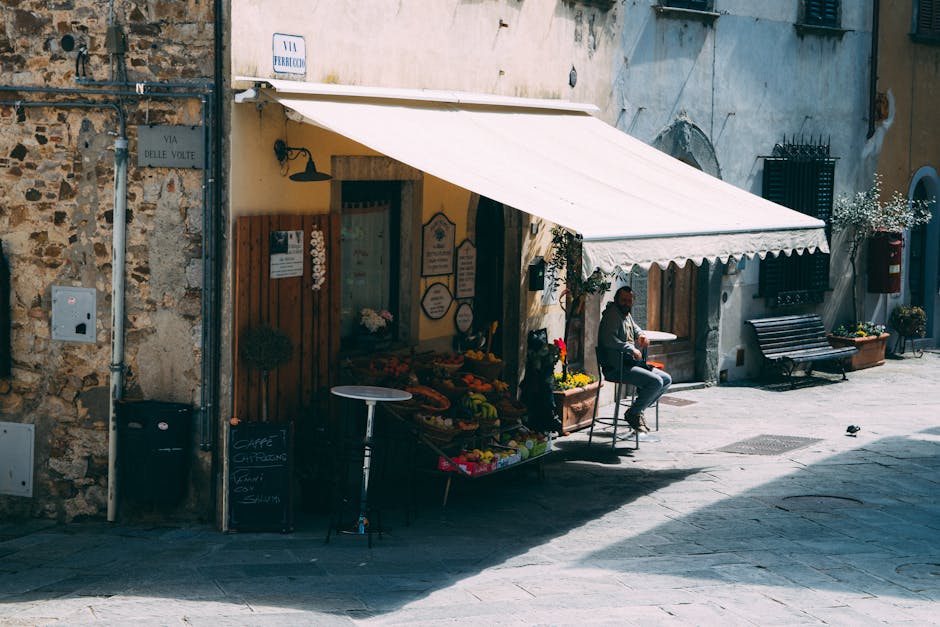
Emporio del Mare e della Terra — Via Roma, 3, 89851 Marina di Gioiosa Ionica (RC). Hours: daily 08:00–20:00 in high season. Offers national and international shipping; packing fees €8–15 depending on destination.
Buying for export: ask for a detailed receipt (ricevuta/fattura) and an ingredient list in English if you plan to import. Check your country’s rules for food imports — some require certificates. If you can’t ship, choose small, well-sealed jars and wrap them in clothes at the center of your suitcase to prevent shocks. Delicatessens, especially La Bottega del Gusto, usually pack better than open-air market stalls.
Routes and Local Experiences: Tours to Taste and Learn
Here are three suggested itineraries, from coast to hills, to discover Calabria’s preserved-vegetable heritage, with precise stops, hours and estimated budgets.
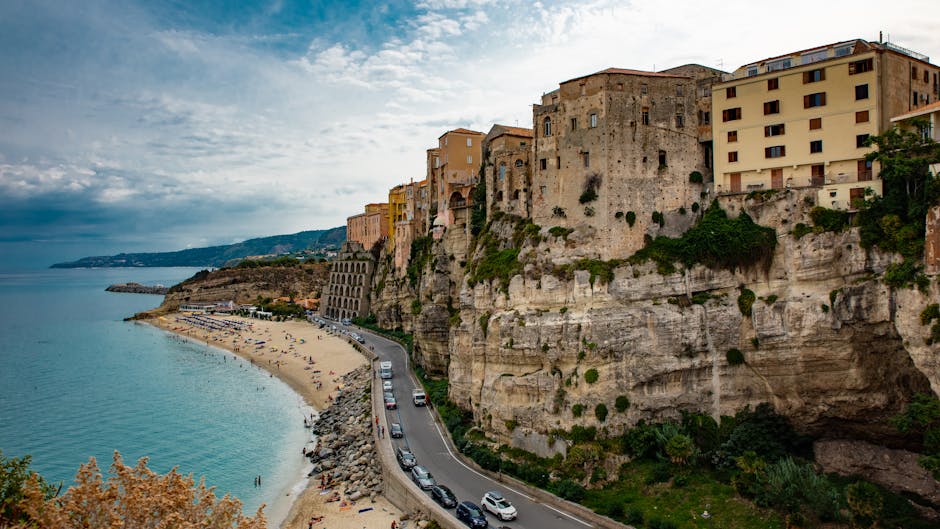
Coastal Route: Tropea — Pizzo — Scilla (1 day)
- Depart at 08:00 from Tropea, visit the Mercato Comunale di Tropea, Via Umberto I (07:00–13:00). Market budget: €10–20 for fresh red onions and a jar of cipolle in agrodolce.
- 09:30 Conservificio di Tropea, Via Gabriele D’Annunzio, 22 — visit and tasting (book the day before): €20 per person. Recommended purchase: crema di cipolla 180 g €6.00.
- 13:00 Drive to Pizzo Calabro (30 min), lunch on the catch of the day and tartufi. Pizzo market at Piazza della Repubblica: bergamot jam 250 g €4–7.
- 16:00 Arrive in Scilla, visit Fratelli Russo, Via Nazionale, 5 — short workshop if available: €25.
Inland Route: Cosenza — Gerace — Local Farms (1–2 days)
- Morning: Mercato Coperto di Cosenza, Piazza Matteotti (08:00–13:00) — budget €15–30 for mountain vegetables and jars of cardi.
- Afternoon: drive to Gerace (about 1 hour), visit Antica Conserve di Gerace, Via Duomo, 10 — guided visit: €12.
- Overnight: dinner at a local agriturismo, often featuring home-preserved preparations; menu about €25–35 per person.
On-site tips: book visits and workshops in advance — some close in the low season. Don’t hesitate to ask for versions without sugar or without vinegar if you prefer more traditional tastes. And always respect seasonality: ask the producer when their vegetable is at its peak — it greatly affects the quality of the preserve.
Practical Tips and Useful Italian Vocabulary
To make the most of your visits and purchases, a little vocabulary and local know-how will help:
- Key vocabulary: “Conserve artigianali” (artisanal preserves), “sott’olio” (in oil), “in agrodolce” (sweet-and-sour), “marmellata” (jam), “olio extravergine d’oliva” (extra-virgin olive oil), “peperoncino” (chile), “cipolla” (onion), “melanzane” (eggplant), “cardi” (cardoon).
- Haggling: start by asking the displayed price. For bulk buys (more than 10 jars), offer a 5–10% discount: “Facciamo uno sconto se prendo dieci confezioni?” — traditionally acceptable at local markets.
- Transport: for air travel, wrap each jar in airtight plastic bags, then bubble wrap. Place them at the center of a suitcase surrounded by clothes. Delicatessens can provide vacuum packing or wooden crates (€8–20 depending on size).
- Sustainability: favor glass jars with reusable metal lids. Ask about the production method — “senza conservanti” (no preservatives) is a good indicator of artisanal production.

Conclusion: Preserving and Sharing Forgotten Flavors
Calabrian vegetables and artisanal preserves are far more than food items: they reflect an intimate relationship with the land, the seasons and family techniques. Between Tropea, Reggio Calabria, Cosenza, Pizzo and small villages like Gerace and Scilla, each jar tells a story: the warmth of a summer, the scent of fresh olive oil, the patience of a long maceration. Local markets offer direct contact with producers; artisanal canneries provide insight and learning; delicatessens make export easier so the journey can continue once you’re home.
Choosing these routes supports rural economies, encourages biodiversity (local varieties of onions, eggplants and peppers) and helps keep a fragile culinary heritage alive against industrial standardization. For the traveler, it guarantees a useful and delicious souvenir: jars to share with family, recipes picked up on the spot and the urge to recreate these methods at home. On your next trip to Calabria, take the time to listen to the stories behind every label, ask the producer the best way to enjoy their product and, if possible, attend a jar-making session — an experience that’s both educational and moving.
Finally, keep in mind that these treasures are “forgotten” not for lack of quality, but because their production resists standardization. They require observation, patience and sometimes a shared language to be fully appreciated. This guide gives you the keys to go beyond Mediterranean clichés and bring home not only jars, but stories and practices to pass on. Safe travels and buon appetito — may your Calabrian discoveries enrich your meals and conversations long after you leave.