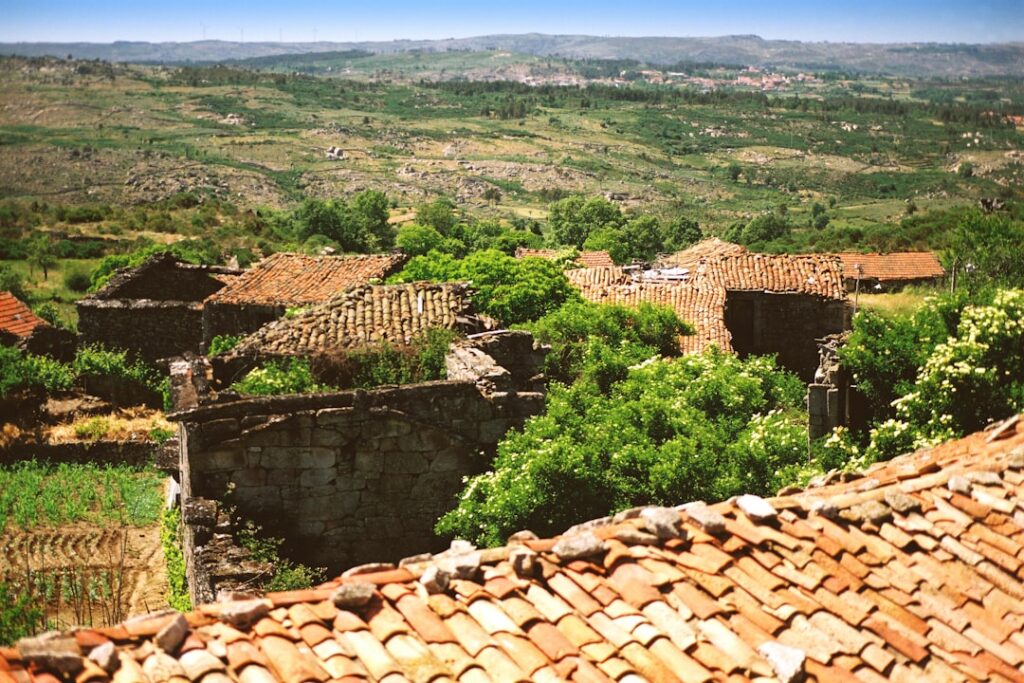






Introduction: Rustic Flavors of Calabria, Between Land and Sea
Calabria, the southern tip of Italy, is often praised for its turquoise coasts and cliffside villages, but above all it’s a land of deeply rooted peasant culinary traditions. In the shaded alleys of Tropea, on the windy plateaus of the Sila, or in the picturesque hamlets of the Aspromonte, Calabrian cooking tells the story of families, seasons and humble ingredients transformed by generations of local know-how. These recipes, passed down from one generation to the next, express a territory where extra-virgin olive oil, the fiery diavolicchio chili, ‘nduja, sheep cheeses and hardy vegetables reign supreme.
This guide is aimed at curious travelers who want to dive into the rustic flavors of Calabrian villages: not a list of haute restaurants, but a culinary route that favors family-run trattorie, agriturismi, local markets and artisan producers. You’ll find precise addresses — country inns, weekly markets and producers — with opening hours, price ranges and tips for living the experience like a local. The goal is a sensory immersion: smelling basil at dawn, savoring melting buffalo mozzarella in a sunlit piazza, discovering the warmth of a wood-fired stew slow-cooked in a communal bread oven.
Peasant Calabrian cuisine is defined by thrift and inventiveness: roots and wild greens (cicoria selvatica, borage), legumes (chickpeas, fava beans), cheeses aged in humid cellars, spicy cured meats — the famous ‘nduja from Spilinga — and slowly baked focacce. Villages keep food rituals alive: the communal preparation of timballo for family celebrations, harvesting wildflower honey from the hills, late grape harvests for farmers’ wine. As you read on, you’ll discover concrete places — addresses and hours — to taste these products on site or bring them home as gourmet souvenirs.
Finally, this practical dossier includes local tips: how to spot an authentic trattoria, how to haggle with a producer, which season to favor for certain dishes, and which local customs to follow to show respect. Expect landscapes that mingle with the plates: the Ionian Sea bringing simple salty fish, the mountains offering bitter herbs and grilled meats, and the plains overflowing with sun-ripened vegetables. Get ready to taste a Calabria that’s genuine, rustic and generous.
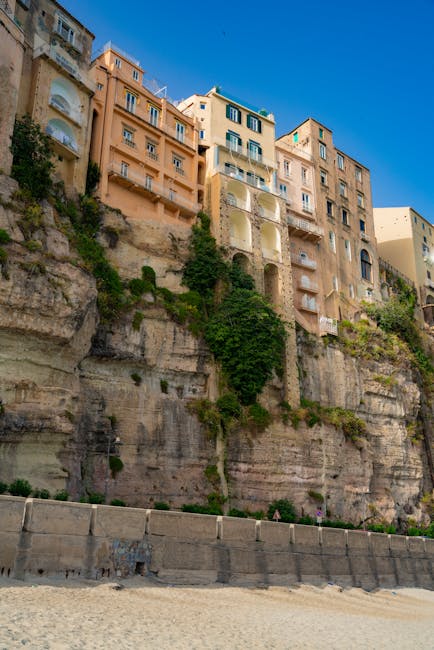
Signature Recipes from Calabrian Villages
The villages of Calabria have culinary repertoires that can change from one valley to another, but a few dishes regularly appear on peasant tables. Among them: ‘pasta e ceci’ (pasta with chickpeas), ‘pitta ‘mpigliata’ (an old filled cake), olive oil–drizzled grilled vegetables and the famous ‘nduja, a spreadable, spicy cured meat from Spilinga. Here are traditional recipes as they’re still made today in homes and on farms.
1) Pasta e ceci: a staple dish. Main ingredients: dried chickpeas, short pasta (ditalini), garlic, rosemary and local extra-virgin olive oil. Preparation: chickpeas soaked overnight are simmered slowly with bay leaf and rosemary; part of them are mashed to create body, then the pasta is added to finish cooking. Where to taste an authentic version: Trattoria Da Raffaele, Via Roma 12, Tropea — Hours: daily 12:00–15:00 and 19:00–22:00 — Dish price: around €8–12. Tip: ask for the ‘con le bruschette’ version (with garlic-rubbed croutons) for a nice textural contrast.
2) Pitta ‘mpigliata: a festive cake. This pastry, typical of the Crati Valley and the inland Cosenza area, combines thin dough, honey, raisins and walnuts. It used to be prepared for weddings and big celebrations. Where to buy an example: Pasticceria Dolci Tradizioni, Corso Mazzini 45, Cosenza — Hours: Mon–Sat 07:30–13:00 and 16:00–20:00 — Price: €10–18 per cake depending on size. Tip: enjoy it with a local sweet wine or a strong coffee at the end of a meal.
3) Assorted grilled vegetables: eggplant, peppers, courgettes and onions marinated in olive oil and vinegar. These vegetables are often served as an antipasto at agriturismi. Where to taste them: Agriturismo La Collina di Parghelia, Contrada Sant’Anna 7, Parghelia (VV) — Visits and meals by reservation: 09:00–22:00 — Tasting menu: €25–35 per person. Tip: ask the farmer for oil-and-vinegar pairing suggestions so you can buy a bottle to take home.
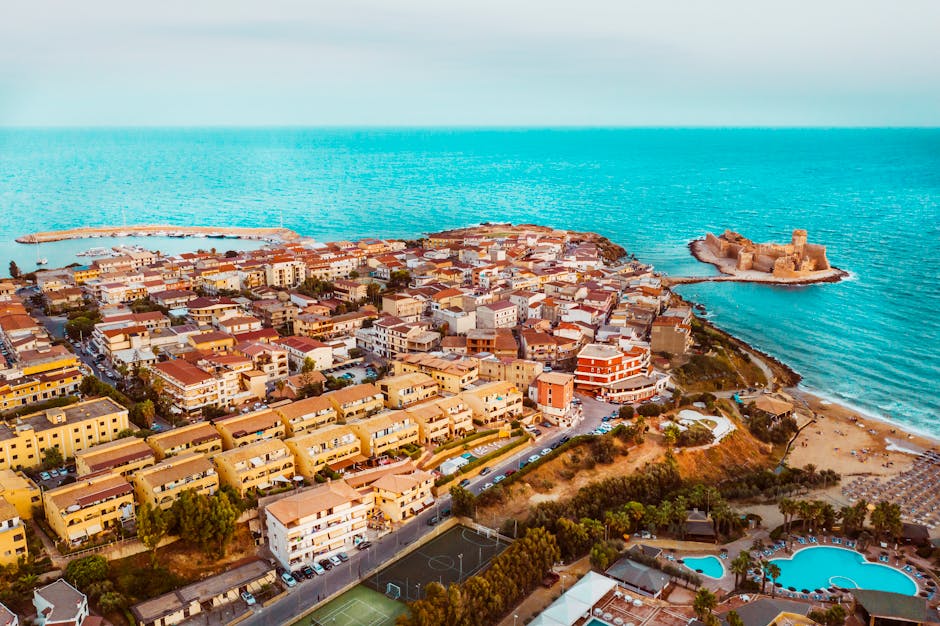
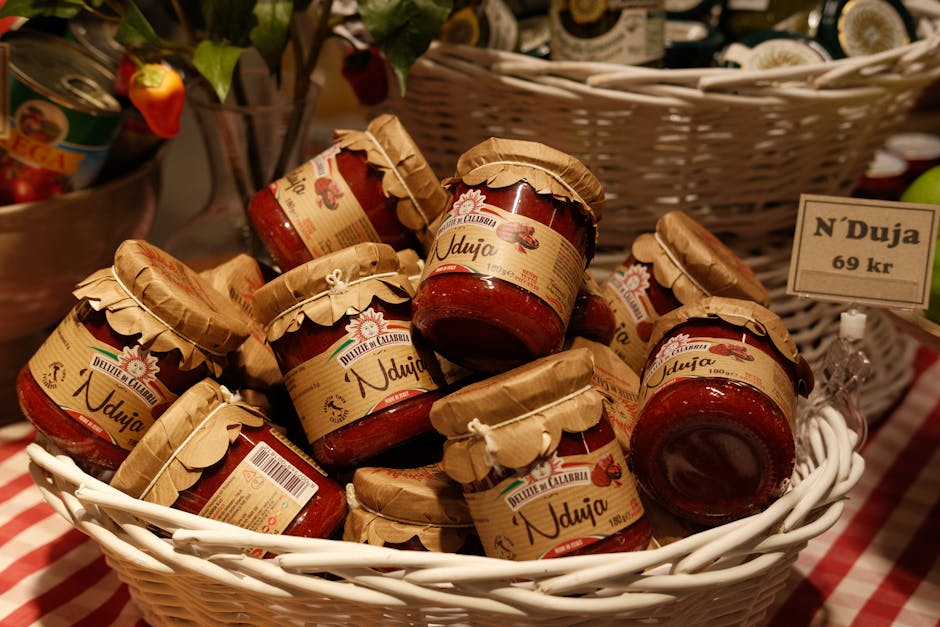
4) Nduja di Spilinga: a spicy spread made from pork belly and spices. It’s used to flavor sauces, bruschette and rustic pizzas. Buy it directly from the producer: Salumificio Artigianale di Spilinga, Via Provinciale 2, Spilinga (VV) — Factory/shop hours: Mon–Fri 08:00–13:00, 15:00–18:00 — Price: €6–12 per jar depending on size. Local tip: keep it cool and use sparingly; a few grams are enough to punch up a sauce.
5) Brodetto alla calabrese: a peasant fish stew typical of ports like Scilla and Pizzo. Made with tomatoes, garlic, parsley and sometimes a dash of chili, it’s served with toasted Tuscan bread. Where to eat it: Ristorante Pescatore, Lungomare Cristoforo Colombo 10, Scilla (RC) — Hours: 12:00–15:00, 19:00–23:00 — Dish price: €15–22. Tip: come early in season to get the freshest catch of the day.
Farm Addresses and Local Markets to Visit
To understand a cuisine, nothing beats wandering markets and visiting small farms and cheesemakers. Here’s a selection of real addresses and practical tips to get close to products and producers across Calabria.
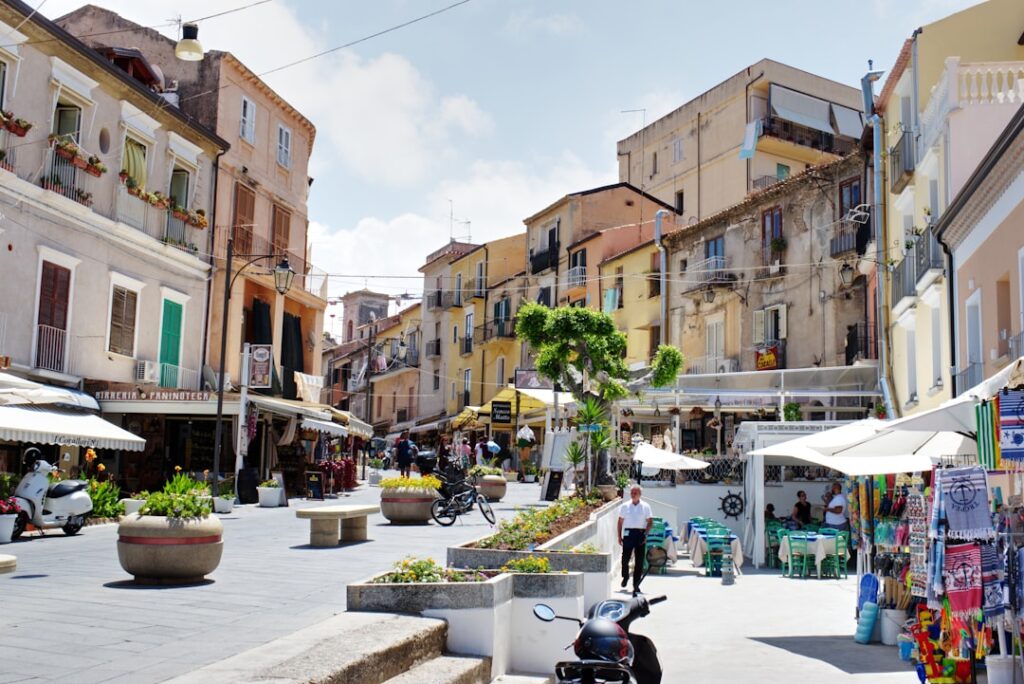
Tropea Market — Piazza Vittorio Veneto, Tropea (VV): weekly market on Saturday mornings from 07:00 to 13:00. You’ll find locally grown vegetables, cipolla rossa di Tropea (sweet red onion), goat cheeses, preserved oils and artisanal jams. Tip: arrive between 08:00 and 09:30 for the freshest produce; some bargaining is possible for bulk buys.
Mercato Storico di Cosenza — Via Bernardino Telesio, Cosenza: an indoor market open every day 07:00–14:00, with stalls selling cured meats, cheeses, olives and locally smoked fish. Tip: look for the Salumeria F.lli Greco stall to sample capocollo and soppressata. Price guide: sliced cured meat €3–5/100 g, fresh cheese €8–14/kg.
Az. Agricola Case sparse La Sila — Contrada Falconara, Camigliatello Silano (CS): an educational farm with a small shop where you can buy mountain honey, aged pecorino cheeses and preserved vegetables. Hours: visits and shop by appointment, 09:00–17:00 — Guided tasting: €8–12 per person. Tip: call ahead (often a local 349 or 328 number) to book a visit and join a mini cheesemaking session.
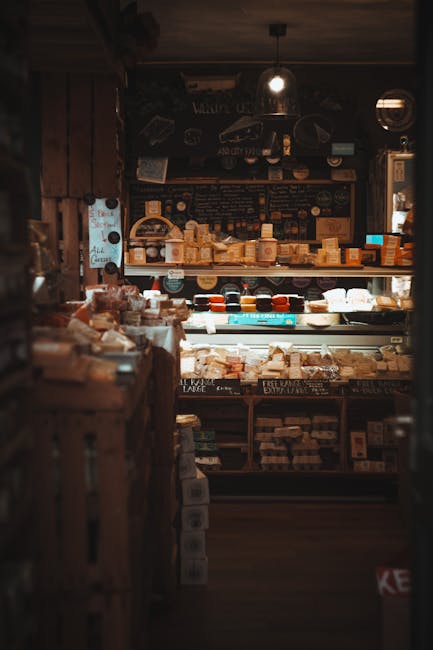
Az. Agricola e Salumificio Luigi Pugliese — Via Nazionale 78, Spilinga (VV): historic ndjua producer. Shop hours: Mon–Sat 08:30–12:30 and 15:00–18:30. Workshop visits possible on request. Prices: jars €6–18, tasting boxes €20–40. Practical tip: prefer vacuum-packed formats for travel; also ask for culinary usage suggestions.
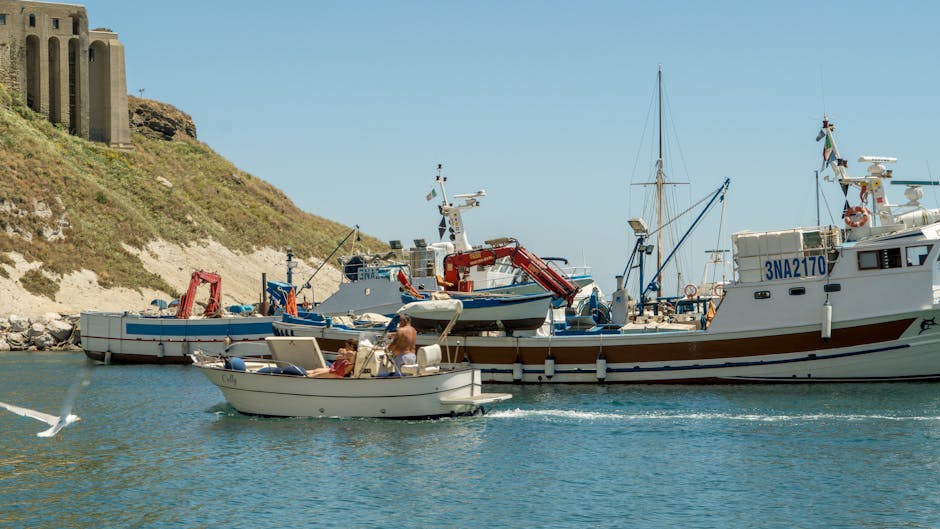
Reggio Calabria Fish Market — Porto Turistico Marina del Nettuno, Reggio Calabria (RC): fish market early in the morning, open weekdays 05:00–09:00, ideal for watching fishermen’s auctions. Tips: bring cash, choose fish for simple grilling and ask vendors how best to cook each species.
Must-Visit Trattorie and Agriturismi: Authentic Peasant Experiences
Nothing replaces a meal in a family-run trattoria or an agriturismo where the recipes belong to grandmothers. Here’s a selection of places where the culinary experience is tied to the land and the seasons, with practical details for booking and making the most of your visit.
Osteria del Borgo Antico — Via Roma 3, Santa Severina (KR). Hours: Tue–Sun 12:00–15:00, 19:00–22:00 (closed Monday). Prices: à la carte €15–30; tasting menu €30–40. Description: located in Santa Severina’s medieval center, this osteria serves mountain dishes such as polenta with venison ragù and locally aged cheeses. Stone walls and a fireplace create a rustic atmosphere. Tip: request a table by the window overlooking the Norman-Swabian Castle and book in high season.
Agriturismo Il Caprile — Contrada Sambuco, Badolato (CZ). Hours: open daily 09:00–22:00 by reservation for meals; bed-and-breakfast options available. Prices: meals €20–35 per person; double room €60–90/night. Description: a family farm producing olive oil, wines and cheeses. Lunch often includes peasant antipasti, homemade fresh pasta and a seasonal dessert. Activities: cooking workshops, walks through olive groves. Tip: join the olive harvest (seasonal) for a fully immersive experience.
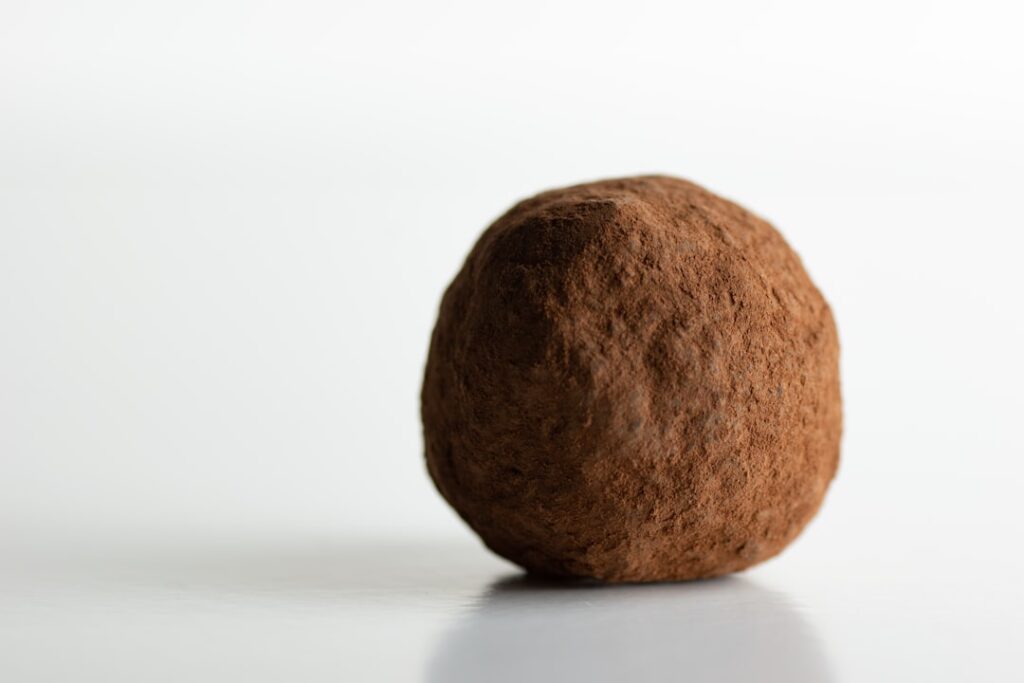
Trattoria La Lampara — Via Marina 14, Pizzo (VV). Hours: 12:00–15:00, 19:00–23:00. Prices: fish dishes €12–20. Specialty: the ‘tartufo di Pizzo’, an artisanal ice cream with a molten center, native to Pizzo. Tip: try the tartufo at Gelateria Bar Dante, Corso Vittorio Emanuele 47, Pizzo — open 10:00–23:00 — price €3–6 depending on portion.
Locanda del Pastore — Via San Giovanni 21, Gerace (RC). Hours: 12:00–15:00, 19:00–22:30 (closed Wednesday). Price: traditional tasting €25–40. Description: in the historic village of Gerace, this locanda offers braised meats, rustic soups and dishes made with wild herbs foraged locally. Tip: combine your meal with a visit to the Duomo di Gerace (Piazza del Duomo, Gerace — open 09:00–18:00, free entry or donations welcome) for a full cultural day.
Practical Tips for a Rustic Food Journey in Calabria
Planning a culinary trip through Calabrian villages takes a bit of organization: transport, seasons, reservations and local codes. Here are concrete tips to get the most out of your stay.
- Transport: Calabria is large and road connections between villages can be slow. Renting a car at Lamezia Terme airport (Aeroporto di Lamezia Terme, Via Aeroporto, 88046 Sant’Eufemia Lamezia CZ) is often the most practical solution. Agencies open 07:00–23:00; daily rates €25–60 depending on season.
- Best season: spring (April–June) for fresh herbs and fewer crowds; autumn (September–October) for harvests, grape picking and chestnuts. In summer, favor coastal villages in the early morning and evening to avoid midday heat.
- Language and etiquette: in villages, a simple greeting in Italian (Buongiorno/Buonasera) often opens doors. Be respectful when visiting farms and always ask before photographing people or private interiors.
- Reservations: many trattorie and agriturismi require booking, especially for peasant menus and workshops. Call 24–48 hours in advance during high season.
- Buying and transporting products: to bring cured meats and cheeses home, choose vacuum-packed packaging and check customs rules for air travel if you’re returning from outside the EU. For olive oil and jams, prefer protected bottles or metal tins.
- Health: peasant dishes can sometimes be very spicy or salty (especially those with ‘nduja’). If you have dietary restrictions, state them clearly before preparation; family cooks are often happy to adapt.
Conclusion: Calabria Revealed, From Heritage to Plate
Peasant cuisine from Calabrian villages is far more than a list of recipes: it’s a living heritage woven from gestures, family stories and an intimate relationship with land and sea. Walking Tropea’s alleys, smelling warm bread in Santa Severina, tasting a slice of pitta ‘mpigliata in a Cosenza café or bringing home a jar of ‘nduja from Spilinga — these are experiences that tell Calabria’s story through its flavors. The places mentioned — trattorie, markets, agriturismi and producers — give concrete starting points to build a sensory and responsible trip.
Traveling in Calabria means embracing slowness: slow-cooked dishes, hand-harvested grapes, cheeses aged patiently. It also means meeting people proud of their terroir, ready to share a table and their anecdotes. The prices shown in this article give an idea of local budgets, but the value of the experience isn’t just measured in euros: it’s small gestures, a glass of wine shared with a producer, an impromptu tour of a cellar. Respect local schedules, book when needed, support small artisans by buying directly from them and choose the right seasons to enjoy each dish at its best.
Finally, remember that the best way to learn these recipes is to take part: agriturismo workshops, hands-on pasta-making sessions, foraging wild herbs on the hills. These activities will let you bring home not only flavors but also skills. Rustic Calabria is waiting — generous and authentic — ready to offer simple yet deeply memorable meals.