




Introduction — A botanical getaway in the heart of Parco Nazionale della Sila
Sila National Park, tucked into central Calabria (Regione Calabria) and spanning over 73,000 hectares across the provinces of Cosenza, Catanzaro and Crotone, is a landscape of ancient woodlands, hidden peat bogs, mountain lakes and a rich succession of flowering plants that change with the seasons. This botanical getaway is a practical, immersive and professionally minded guide for anyone wanting to discover the flowers, woods and scenery that make the Sila unique. In these mid‑altitude mountains (900–1,928 m asl) beech groves, fir stands and alpine heaths create microclimates that support common and endemic species alike — some shy and unobtrusive, others spectacular in spring or autumn.
This guide compiles detailed descriptions of the main botanical sites open to the public, exact addresses for villages and visitor centres, indicative opening times, prices, hiking routes and local tips for observing flora without disturbing it. Whether you’re an amateur botanist, a nature photographer or a curious hiker, you’ll find the information needed to plan anything from a half‑day outing to a multi‑day stay. We cover well‑known spots like Camigliatello Silano and Lorica as well as less obvious stops — from the shores of oligotrophic lakes to high pastures where crocuses, orchids and delicate alpine carpets bloom.
The Sila is easy to reach from Calabria’s main roads. Winding routes deliver shifting panoramas, and several park welcome centres offer maps, natural history displays and up‑to‑date information on trail conditions. Facilities include shelters and picnic areas; however, habitat protection calls for care: do not pick plants, keep to marked trails and respect breeding season quiet zones. This guide also lists typical prices and opening hours for museums and interpretation centres and provides practical recommendations (equipment, best season for observation, local contacts).
Before you go, remember mountain weather can change quickly: winds, morning mists and late snowfalls are possible. Also bear in mind that the flora expresses itself differently by season — crocuses and anemones early in spring, late rhododendrons, blueberries and heathers through summer, and golden and red hues in autumn. This guide will walk you through planning a botanical escape that’s rich, safe and respectful of the ecosystem.
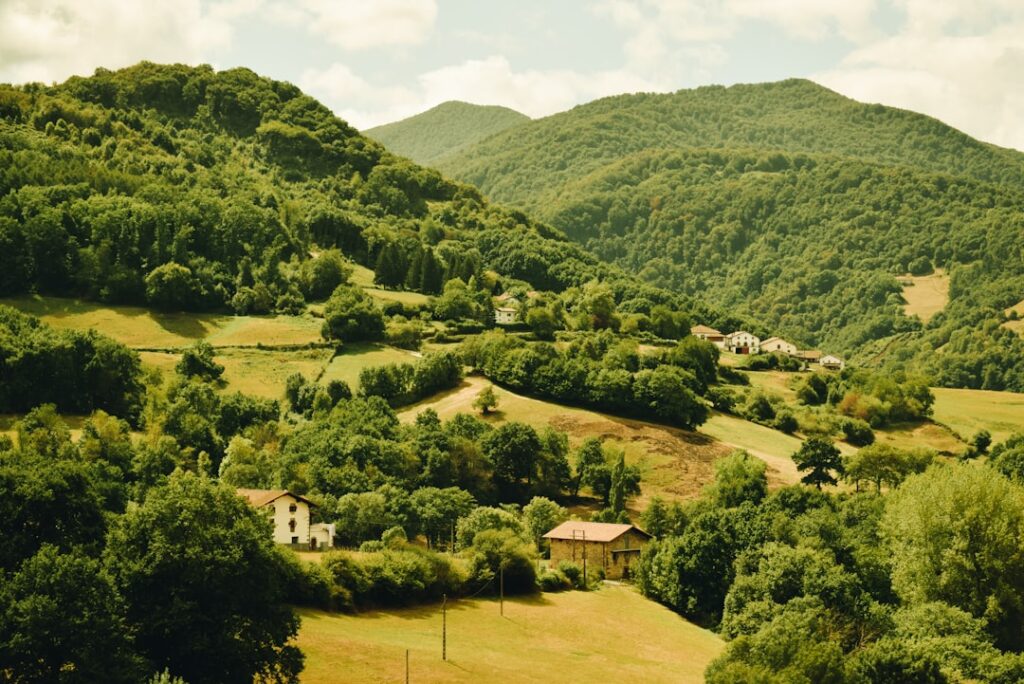
Camigliatello Silano and the monumental beech woods (Località Camigliatello Silano, 87056 Spezzano della Sila, CS)
Camigliatello Silano is the best‑known village on the Cosenza side of Parco Nazionale della Sila, sitting at around 1,200 metres above sea level. Reference address: Località Camigliatello Silano, 87056 Spezzano della Sila (CS). The village is an ideal entry point to ancient beech woods and flowered clearings. The local tourist office and several guest services are located on Piazza San Rocco and along Via Nazionale. Major botanical walks start directly from the town centre or nearby parking areas.
Opening times and services: most cafés and small shops in Camigliatello Silano operate from 08:00 to 22:00 in high season (June–September) and reduce hours in low season. The informal tourist help desk is often found in Piazza San Rocco (free advice); it’s a good idea to call the Pro Loco di Camigliatello at +39 0984 555xxx for exact opening times and guided walks (local number to confirm). Entry to the village is free and park trails do not require an entrance fee.
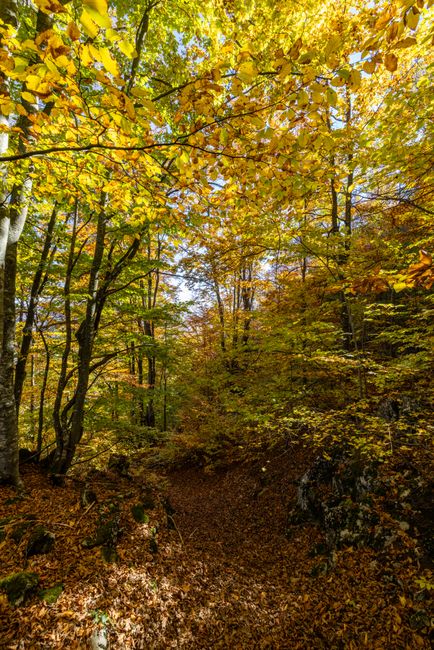
Flora and routes: from Camigliatello, follow the Sentiero delle Vette (white and red CAI waymarks) to reach ridges and plateaus covered in beech (Fagus sylvatica) and silver fir (Abies alba). In spring the forest floor lights up with carpets of Crocus flavus, wood anemones (Anemone nemorosa) and wild orchids (Orchis species). On the forest edges you may spot Myrtus communis and Rhododendron ferrugineum in more sheltered sections. Typical duration: 2–5 hours depending on the loop chosen; moderate difficulty. Recommended gear: sturdy hiking boots, poles for steep sections, water and a windproof jacket.
Local tips: residents advise against solo excursions off marked trails and recommend early morning for flower photography — the light is softer and pollinating insects are active, offering excellent observation opportunities. Do not pick orchids: these species are protected. For overnight stays you’ll find hotels and B&Bs on Via Nazionale and SP 256; prices range from €50 to €120 per night depending on comfort and season.
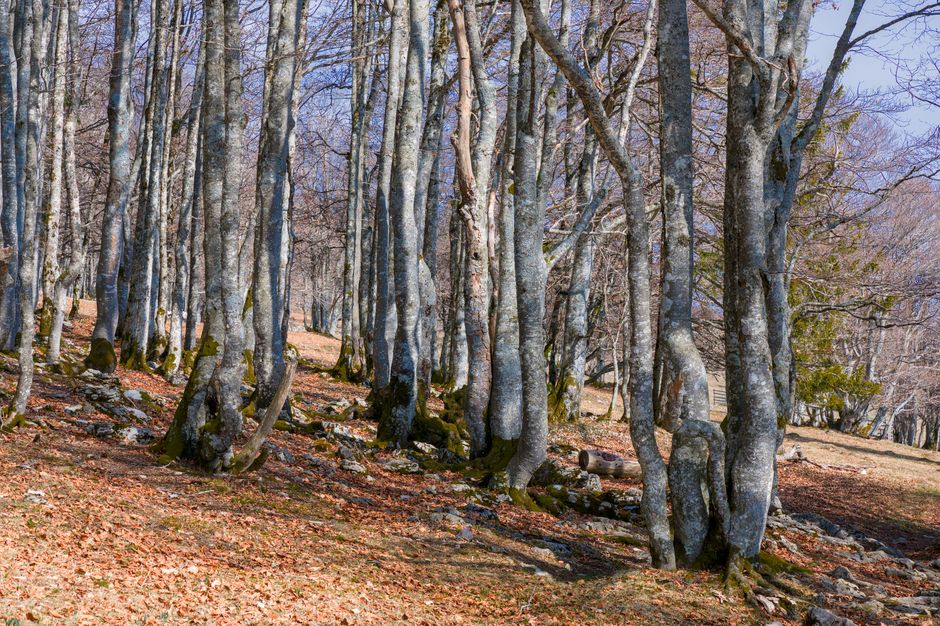
Lake Arvo, peat bogs and aquatic vegetation (Lago Arvo, Località Lago Arvo, 87058 San Giovanni in Fiore, CS)
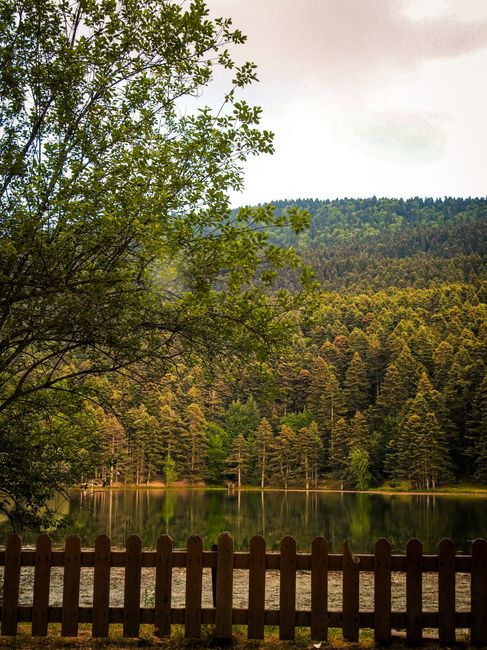
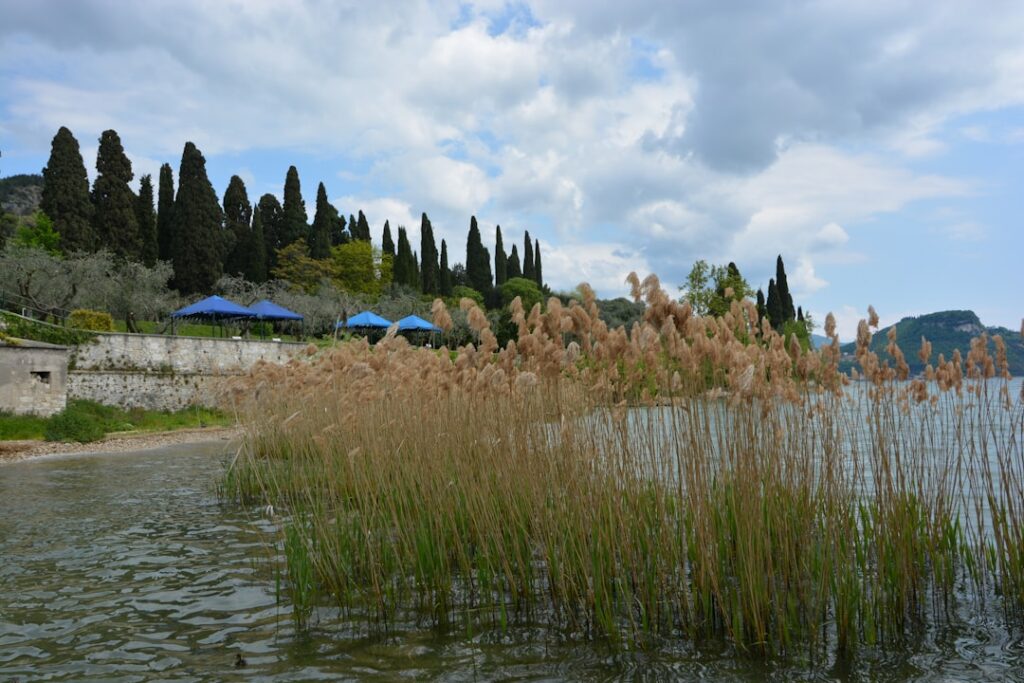
Lago Arvo is a reservoir on the southern side of the Sila, at Località Lago Arvo, 87058 San Giovanni in Fiore (CS). Practical approach: reach it via SP256 and SS107; there are designated parking areas near the dam and the information point. This water body and its shores host marsh vegetation and wet margins that contrast with nearby beech forests: sedges, rushes, bulrushes and stretches of mint and blueberry form a botanically rich landscape.
Hours and access: the site is accessible year‑round; parking is usually free. The seasonal accoglienza/infopoint (Comune di San Giovanni in Fiore information point) typically opens from 09:00 to 17:00 between April and October; out of season, check with the Comune at +39 0984 490xxx. Paid activities: canoe or rowboat hire (when available) costs roughly €10–25 per hour depending on season; guided nature walks organised by local associations are offered occasionally for about €10–20 per person.
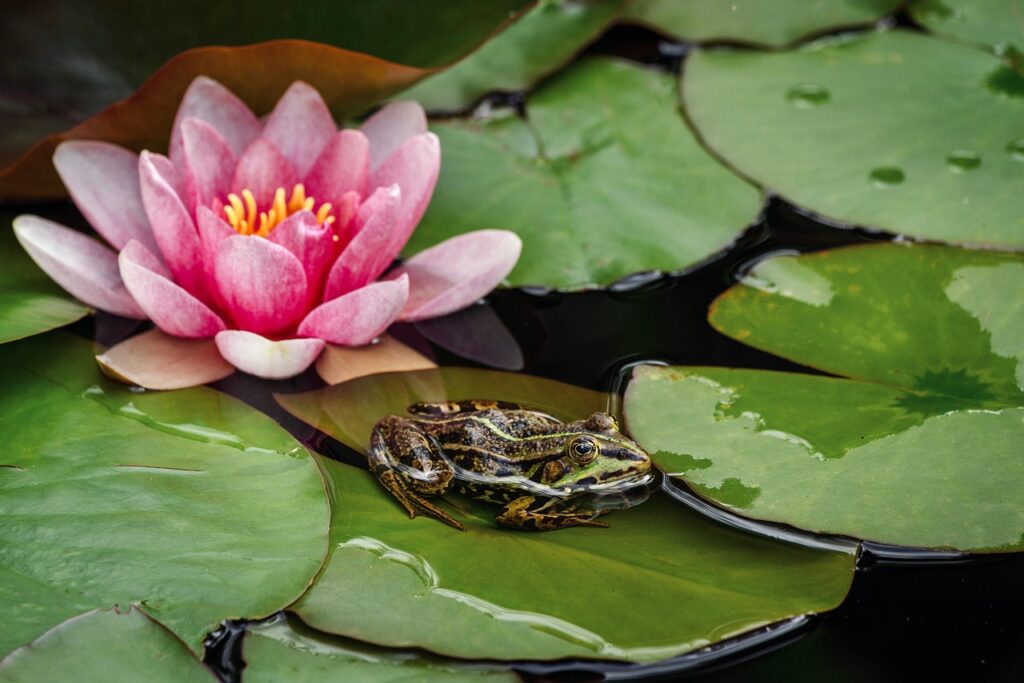
Habitat and notable species: the Lago Arvo wetlands host various Juncus species, Nuphar lutea (yellow water‑lily) in calm bays, and small stands of yew (Taxus baccata) in shaded inlets. Scattered peat bogs, where organic matter accumulates, may support Sphagnum mosses and occasional insectivorous plants in acid pockets. Attentive observers will find Lysimachia nummularia and Primula vulgaris along the banks in spring.
Practical tips: stick to the laid paths around the lake, respect sensitive wetland areas and avoid approaching fragile shorelines. Winter: the lake can freeze and requires caution. Photography: late afternoon light is best; use a mid‑range lens to isolate clusters of aquatic flowers against the mountain scenery.
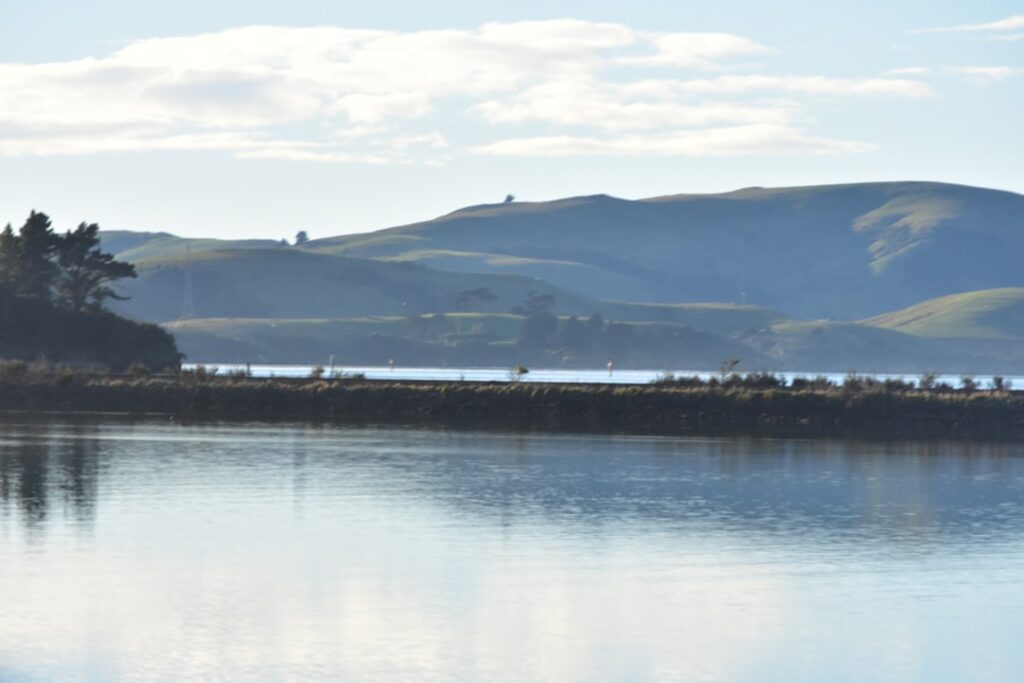
Lorica and the high‑altitude heaths (Località Lorica, 87058 San Giovanni in Fiore, CS)
Lorica is a lakeside village and summer resort in the municipality of San Giovanni in Fiore, at Località Lorica, 87058 San Giovanni in Fiore (CS). Perched between about 1,100 and 1,300 metres, Lorica is surrounded by high meadows, heaths and open woodlands where heathers, blueberry bushes and species adapted to siliceous soils thrive. The area is popular for easy hikes, mountain biking and summer botanical observation.
Services and hours: Lorica offers free parking areas and a seasonal first‑aid/info point near the main car park (times vary, generally 09:00–19:00 in July/August). Several tourist facilities provide meals and equipment rental; indicative costs: trattoria meals €12–25 per person, bike hire €15–30 per day.
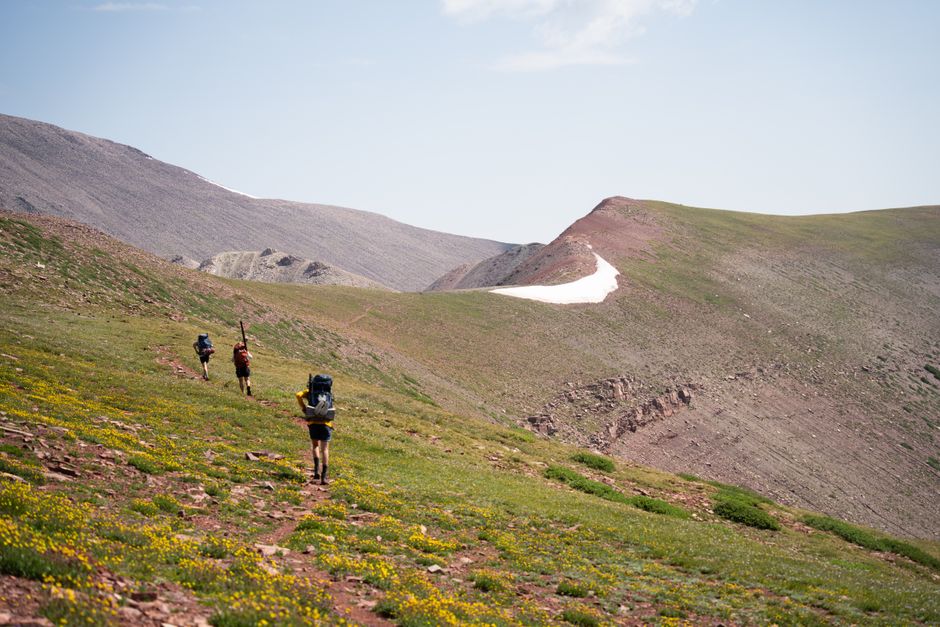
Characteristic flora: Lorica’s subalpine grasslands display wide carpets of Calluna vulgaris (heather) and Erica carnea (early heather), interspersed with patches of Genista nègre, Rhodothamnus chamaecistus and small populations of Arnica montana on poor soils. Grazed meadows preserve relay communities of bellflowers and late wild tulips in some protected spots. Terrestrial orchids (Gymnadenia spp., Dactylorhiza spp.) can be spotted in wetter hollows of the heath in spring.
Recommended walks: the Lorica–Piano delle Cinque Miglia loop (2–4 hours depending on variant); trails waymarked by Parco Nazionale della Sila indicate notable flora. Bring a hat, water and topographic maps; if you head out early, morning fog heightens contrasts and makes the heather colours especially photogenic. Respect pasture signs and tell the info point your route before setting off on a longer hike.
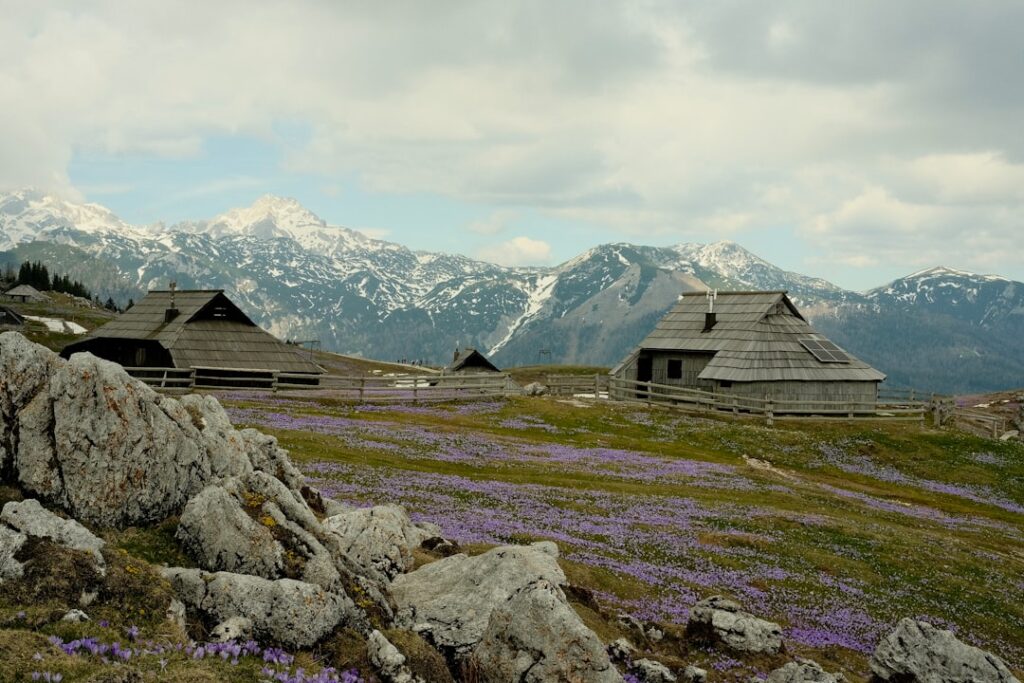
Villaggio Mancuso, twin lakes and forest corridors (Villaggio Mancuso, 88040 Magisano, CZ)
Villaggio Mancuso is a small community and access point to the central‑north part of the Sila massif. Useful address: Villaggio Mancuso, 88040 Magisano (CZ). The area around the village includes Lago Ampollino and other bodies of water that form ecological corridors essential for plant dispersal and the survival of hygrophilous species. Mixed forests around Villaggio Mancuso combine beech, black pine (Pinus nigra) and firs, providing an interesting phytogeographical transition.
Access and facilities: reach the area mainly via SP283 and local roads; free parking is often available near the lakes. On‑site services: a few restaurants and mountain huts operate mostly in high season; typical menu prices €15–30. Local environmental associations run occasional guided outings: prices €8–20 depending on duration.
Botanical observations: the lake shores host aquatic species, reedbeds and a rich transitional flora. On shaded slopes you may find corridors of Aconitum napellus (monkshood) in wet areas and carpets of oxalis and anemones in open understory. Young pine stands support a diversity of lichens and mosses; these microhabitats are valuable for studying air quality and climate change effects.
Local advice: Villaggio Mancuso is a great base for combining birdwatching and botany. Bring binoculars and a plant guide, and wear waterproof footwear to approach marshy banks. For lodging, check the availability of local guest rooms and book ahead in high season, especially on summer weekends.
Recommended trails for plant observation and best practices
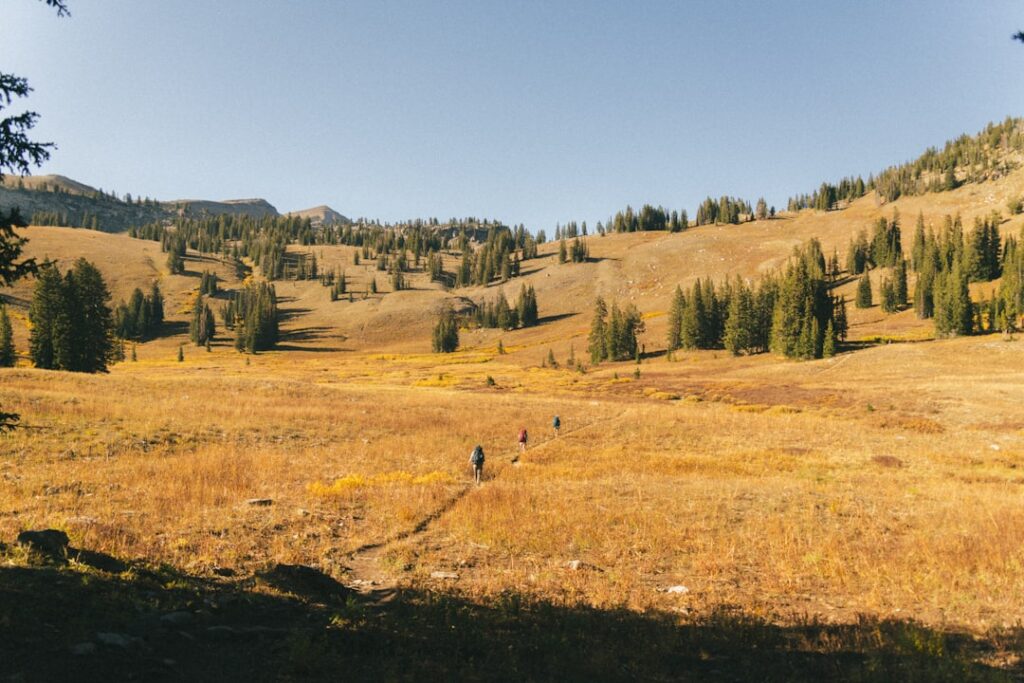
Parco Nazionale della Sila has a network of waymarked trails maintained by the park and local alpine clubs (CAI). Here’s a selection of routes that maximise your chances of seeing a wide variety of plants while respecting fragile habitats:
- Sentiero delle Vette (start Camigliatello Silano) — Duration 2–5 h, moderate difficulty. Highlights: beech woods, spring carpets of anemones and crocuses, panoramic views. Gear: hiking boots, water, CAI map. Etiquette: stay on the path.
- Lago Arvo loop — Duration 1–3 h, very accessible. Highlights: marsh vegetation, water‑lilies, waterbirds. Gear: slip‑resistant shoes for wet areas.
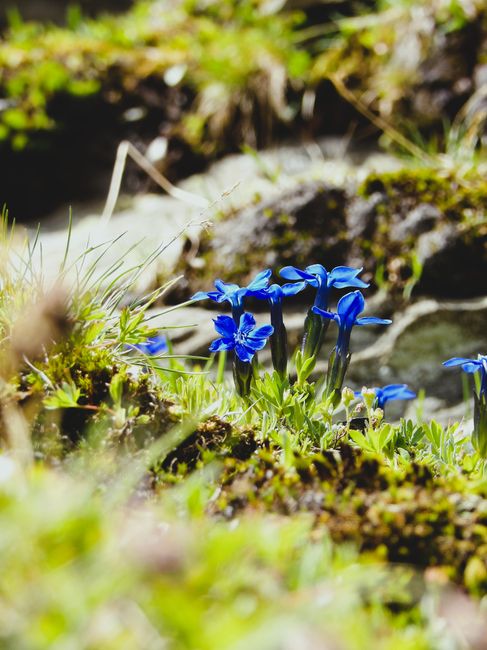
- Hike Lorica–Piano delle Cinque Miglia — Duration 2–4 h, open heath trails. Highlights: heathers, gentians, orchids depending on season.
- Peat bog route (protected zones, guided access recommended) — Duration 2–4 h. Highlights: Sphagnum spp., occasional carnivorous plants in certain basins, peat mats. Access is often restricted for conservation; prefer guided visits.
Best practices for plant observation:
- Follow regulations — Many plant species are protected; picking is forbidden in most park areas. Check with local offices before collecting for scientific work.
- Stay on trails — To avoid soil compaction and damage to fragile floral carpets.
- Take photos, not specimens — Use an ID guide, note altitude and aspect for accurate records.
- Avoid trampling wetlands — These habitats recover slowly and shelter rare species.
- Respect livestock and grazed meadows — Close gates and follow shepherds’ instructions.
Museums, interpretation centres and practical information (addresses, fees, opening times)
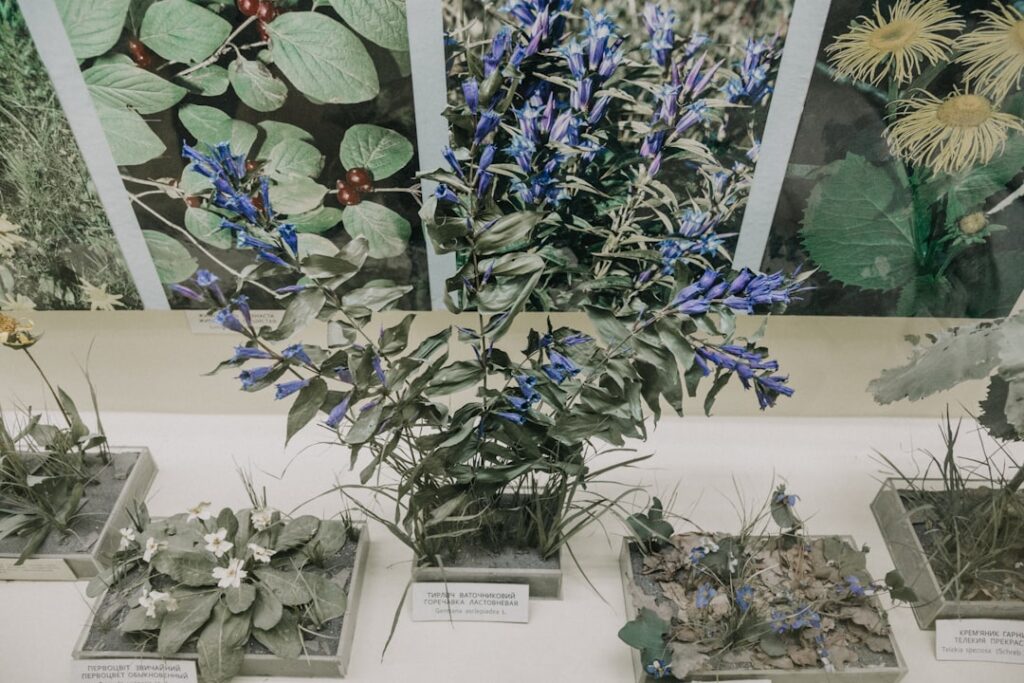
Several venues dedicated to natural history help you read the landscape and its plant life in greater depth. Here are useful institutions with addresses, opening times and approximate fees — always confirm before you travel as seasonal hours change.
-
Centro Visite del Parco Nazionale della Sila — Casa del Parco Camigliatello
Address: Località Camigliatello Silano, Piazza San Rocco, 87056 Spezzano della Sila (CS).
Opening times: generally open April–October, 09:00–17:00 (closed Mondays off season).
Fees: free entry to the information point; temporary exhibits €3–5.
Description: explanatory panels, displays on local fauna and flora, trail maps. -
Museo della Sila (local museography)
Address: Comune and museums, various locations; a reference museum is often in San Giovanni in Fiore, Piazza Municipio, 87058 San Giovanni in Fiore (CS).
Opening times: variable; generally 10:00–13:00 and 16:00–19:00, closed Sunday mornings off season.
Fees: €4–6 general admission, reductions for students and groups.
Description: natural history collections, displays on the historical silviculture of the Sila. -
Infopoint Lago Arvo
Address: Località Lago Arvo – Punto informativo, 87058 San Giovanni in Fiore (CS).
Opening times: 09:00–17:00 during the tourist season.
Services: free maps, contacts for local guides and rental providers.
Practical tip: keep local emergency numbers handy (Carabinieri, 112; Corpo Forestale or park intervention cell if available) and tell someone your route before long hikes. Carry paper maps even if you use GPS: network coverage is patchy at altitude.
Seasonal advice, gear and safety for botanical fieldwork
Picking the right season is key to a successful botanical getaway in the Sila. Below is a concise calendar of the best periods plus equipment and safety advice:
- Spring (April–June) — Best time to see bulbs and forest species (crocuses, anemones, early orchids). The understory blooms before canopy closure; mornings are chilly. Bring a windbreaker and layered clothing.
- Summer (July–August) — Alpine meadows and heaths in full flower; great contrasts for photography. Warm days but cool nights. Stay hydrated and use sun protection.
- Autumn (September–October) — Spectacular beech woodland colours, fruiting and blueberry berries. Fewer visitors; watch for rain and early frosts.
- Winter (November–March) — Snowy landscapes, more technical outings with appropriate kit (snowshoes if needed). Many species are dormant, but winter has its own charm.
Recommended equipment:
- Waterproof hiking boots and light crampons if there’s snow.
- Windproof jacket and fleece; layered clothing.
- Backpack with water (1–2 L), energy snacks, first‑aid kit, paper map and compass/GPS.
- Camera with macro and mid‑range lenses, a 10x loupe for close study, notebook and pen.
- Telescopic poles for steep or long trails.
Safety and ethics:
- Do not pick plants: many are protected and fragile.
- Follow refuge and park ranger instructions.
- Travel light but prepared: mountain weather is changeable.
- In case of emergency dial 112 (European emergency number); for mountain rescue request assistance via local authorities.
Conclusion — Planning a sustainable, memorable botanical escape
Parco Nazionale della Sila is an ideal destination for anyone wishing to explore the floristic and forest richness of a Mediterranean‑temperate mountain. From the deep beech woods of Camigliatello Silano to the wet shores of Lago Arvo, the flowery heaths of Lorica and the ecological corridors near Villaggio Mancuso, the Sila offers a variety of habitats that will satisfy amateur botanists and nature photographers alike. Plan outings by season, stick to marked trails and use local information points to get up‑to‑date maps and advice — opening times and activities at centres vary with staff availability. Prices quoted for park services, museums and rentals are estimates: always double‑check ahead of time.
For a successful stay, combine short early‑morning hikes to catch the best light, visits to the Camigliatello or Lorica infopoints for documentation and exhibits, and a day by Lago Arvo to study aquatic flora and wetland zones. Respect park regulations (picking bans in many areas, peatland protection), and choose local accommodation to support the regional economy. Locals are often invaluable informal guides: don’t hesitate to ask for recommendations on quieter trails or exact spots to find orchids and floral carpets.
Finally, to deepen your knowledge bring a regional plant guide (Flora d’Italia or local Calabria guides) and, if possible, join a guided walk with a local naturalist association — this helps identify species precisely and understand the interactions between flora, fauna and pastoral practices. The Sila is a living landscape: by respecting its rhythms you’ll leave with lasting images and memories while contributing to its protection. Happy botanical travels!