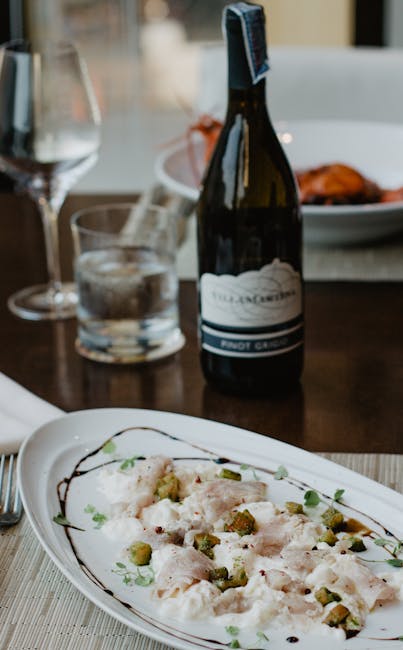






Introduction — Travel Calabria Through Taste: Wines, Local Produce and Pairings to Know
Calabria, that toe-shaped region capping southern Italy, is often overshadowed by its flashier neighbors. Yet it hides a surprisingly rich culinary and winemaking tradition: bold wines, fragrant olive oils, farmhouse cheeses, smoked cured meats and seafood as fresh as they come. This guide aims to introduce you to the essential local pairings in Calabria — not as a dry checklist of dishes and bottles, but as a sensory, practical map with addresses, opening hours, price ranges and tasting tips.
Calabria’s geography is a major driver of flavor: sunny vineyard-covered hills, inland plains where peppers and sun-dried tomatoes flourish, and shores bathed by the Tyrrhenian and Ionian Seas that supply fish and shellfish. Indigenous grapes like Gaglioppo, Greco Nero and Magliocco produce powerful, tannic wines often balanced by plum, Mediterranean herb and spice notes. The whites, frequently made from Greco Bianco or local Malvasia, showcase sea-salty freshness and lemony lift — perfect with grilled fish and antipasti based on zucchini and eggplant.
This guide, organized into themed sections, is for everyone: curious travelers, wine lovers, roving chefs and foodies hunting reliable spots. You’ll find classic pairing suggestions (for example, a Gaglioppo with ‘nduja or a Greco Bianco with Calabrian-style mussels), plus concrete recommendations of where to have these experiences: wineries and agriturismi, local markets, small canteens and fine restaurants. Each place is listed with exact address, typical hours and a price estimate so you can plan your trip with confidence.
To make the article as visual and useful as possible, I’ve placed image markers at strategic points — beaches, cellars, plated dishes in context — so you can easily find photographic references. Local tips scattered through the text will help you get the most from your culinary encounters: how to talk to winemakers, what to buy at the market, when to taste an older vintage, and how to pack and store bottles after a long journey.
Get your tasting notebook ready: we’re about to enter a Calabria best appreciated with both palate and mind, where every sip and bite tells a story of terroir, sea and family traditions. Buon appetito and enjoy the read!
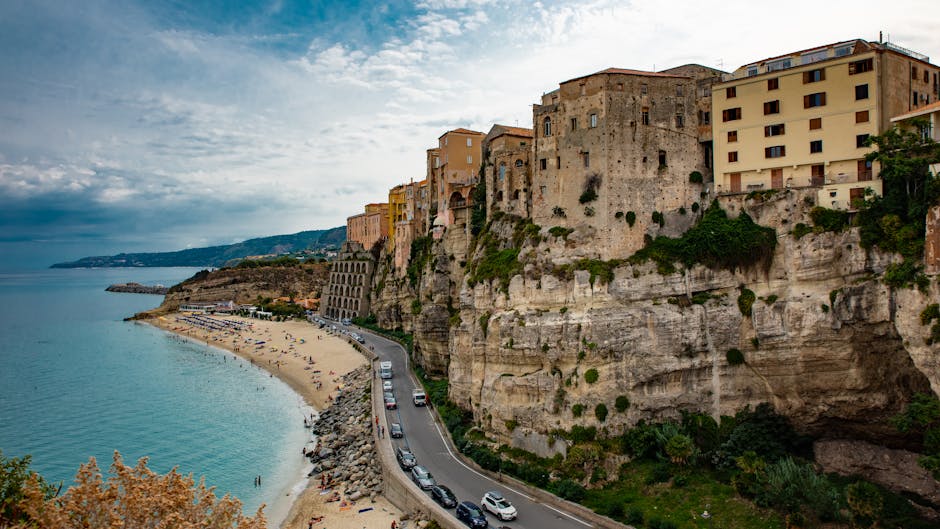
Calabria’s Signature Wines and Their Terroirs (Where to Taste Them)
Understanding Calabrian wine starts with recognizing its origins. The most renowned zones include Cirò (province of Crotone), the Melissa area, the Ionian coast around Cosenza and the slopes near Catanzaro. The king grape is Gaglioppo: structured, tannic and often fruity, it makes robust reds ideal for rich dishes. Greco Bianco, meanwhile, is the backbone of the whites — lively and saline, ideal with seafood.
For a first, educational tasting, head to Cantine Librandi — Azienda Agricola Librandi, Via Statale 106, 88811 Cirò Marina (KR). Hours: visits and tastings by appointment Monday–Saturday, 09:00–18:00. Prices: guided cellar tours from €20 per person, tasting workshops from €35 (varies by program). Librandi offers comparative tastings between Gaglioppo and modern blends, great for understanding terroir differences.
Another landmark: Cantina Ippolito 1845 — Ippolito 1845 Società Agricola, Contrada Milone, 88811 Cirò Marina (KR). Hours: guided tours by reservation, typically 10:00–17:00. Prices: tastings from €25. Ippolito focuses on history and native varieties; their explanations clearly show how limestone soils influence wine structure. Local tip: ask to taste a Cirò Classico Riserva — often aged longer and a good demonstration of Gaglioppo’s aging potential.
In Reggio Calabria, look for small family-run cellars like Cantine Giuseppe Pellegrino — Via Nazionale, 15, 89010 Oppido Mamertina (RC). Hours: 09:00–13:00 and 15:30–19:00, closed Sunday mornings. Prices: private tastings €15–30. These artisanal producers offer expressive whites and rustic reds — perfect for grasping the rural soul of Calabrian wine.
Practical tips: schedule visits mid-morning to avoid the heat and to better perceive aromas; bring tasting notes and an empty bottle if you plan to buy and bring home a local vintage. Don’t hesitate to pair a winery tour with lunch at a nearby agriturismo — most serve local antipasti and seasonal dishes so you can try pairings on the spot.
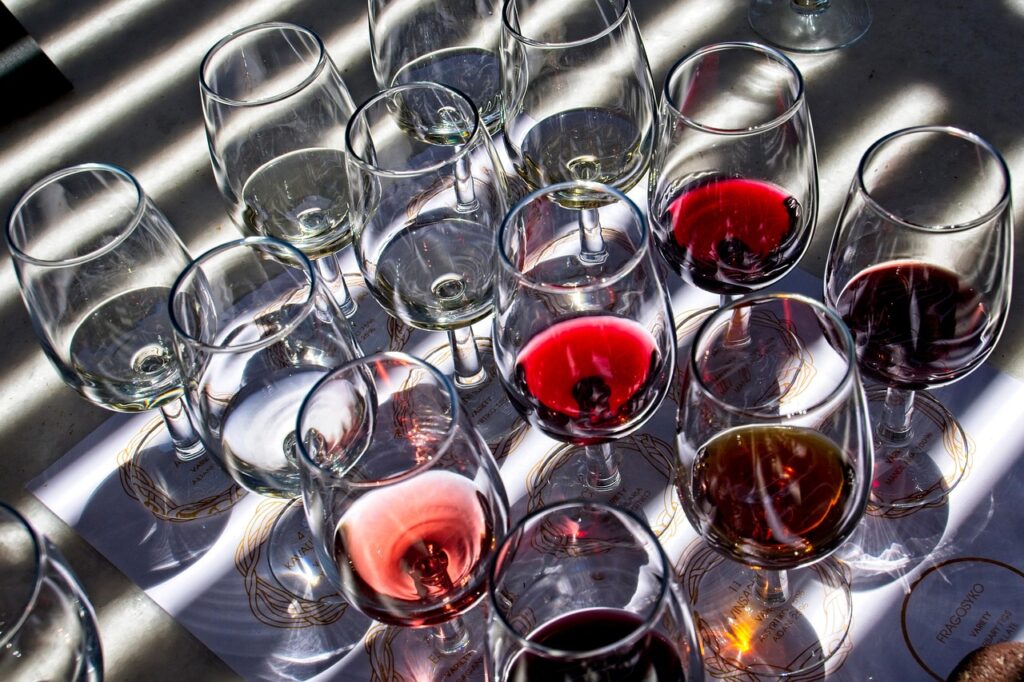
Classic Pairings: Cheeses, Cured Meats and Calabrian Reds
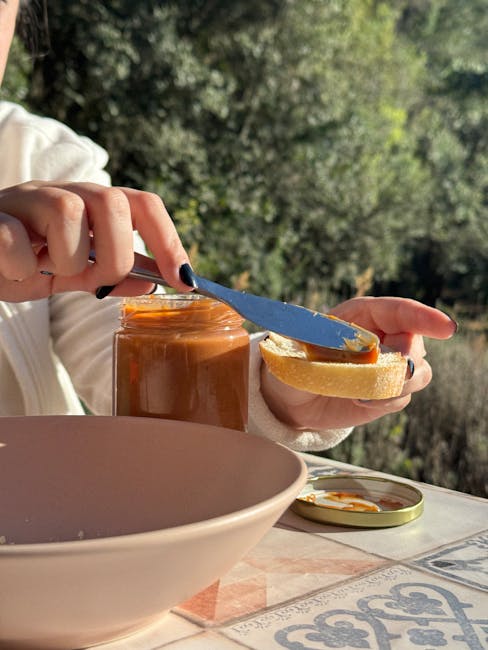
Calabrian reds, often powerful and peppery, naturally pair with the region’s cured meats and cheeses. Must-tries include ‘nduja (a spicy, buttery spread), soppressata calabrese (a robust dry salami), and smoked scamorza. The classic, foolproof pairing is simple: a structured Gaglioppo with a smear of ‘nduja on toasted bread — the fat and spice balance beautifully with the wine.
For an authentic tasting experience, visit Macelleria Salumeria Pugliese — Via Roma, 12, 89861 Tropea (VV). Hours: 08:00–13:00 and 16:30–20:00, closed Sunday afternoons. Prices: cured meats €8–22 per kilo depending on the product. Their artisanal ‘nduja is often cut by hand; ask for a sample and the staff will explain the spice mix and pepper origins.
For cheeses, Fromagerie La Cilentana — Caseificio La Cilentana, Contrada Sant’Anna, 87036 Rende (CS) (workshop/open days several times a week). Hours: visits by appointment, tasting workshops 10:00–16:00 depending on schedule. Prices: tastings €15–30. Try ricotta salata and provola affumicata with a young red — the smoke and salinity lift the tannins rather than overwhelm them.
A restaurant to try these pairings in context: Trattoria Il Buongustaio, Via del Mare, 7, 89127 Reggio Calabria. Hours: 12:30–15:00 and 19:00–23:00, closed Monday. Prices: sharing antipasti €10–18, mains €12–22, local bottles from €18. The chef often serves a board of local cured meats with a Cirò rosso — a pairing that showcases the balance between alcohol, acidity and fat.
Local tip: when trying ‘nduja, start with a very small amount on neutral bread, then gradually increase and reassess the wine pairing. Tannins can intensify the heat; a red with supple tannins and fresh acidity will work better than an over-extracted wine.
Fish, Seafood and Calabrian Whites: Briny, Zippy Pairings
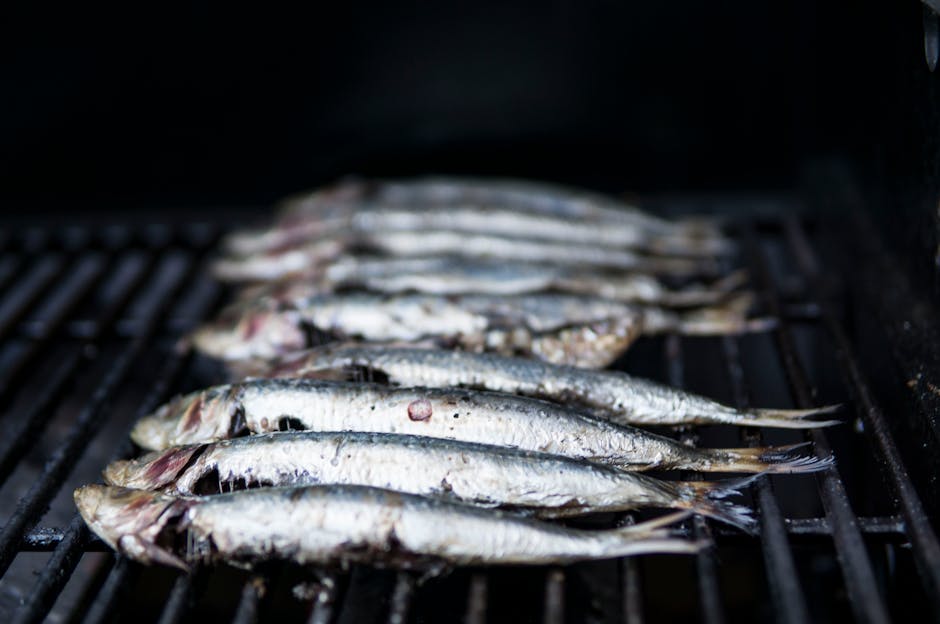
Bordered by two seas, Calabria offers generous seafood: sardines, anchovies, grilled octopus, gilt-head bream and mussels. Most Calabrian whites bring a mouthwatering acidity and citrus notes that perfectly complement these dishes. Greco Bianco and certain local Malvasia wines are obvious choices.
To test pairings on site, go to Ristorante Da Ercole, Lungomare Cristoforo Colombo, 12, 89900 Reggio Calabria. Hours: 12:30–14:30 and 19:00–23:00, closed Tuesdays. Prices: seafood antipasti €8–16, fish mains €14–28, local white bottles €18–40. The restaurant often offers a daily menu based on the catch — ideal for trying fish with Greco.
Further north in Tropea, try Calabrian-style mussels at Ristorante Prua — Via Margherita, 25, 89861 Tropea (VV). Hours: 12:00–15:00 and 19:00–23:00. Prices: seafood dishes €12–30, wine tastings of local whites €10–25 a glass. The preparation mixes tomatoes, garlic and a drizzle of olive oil: the zesty structure of Greco Bianco cuts through and refreshes between bites.
For a market-to-table experience plus a product-wine workshop, visit il Mercato del Pesce di Reggio Calabria — Porto Turistico, Lungomare Falcomatà, 89125 Reggio Calabria. Hours: morning market 06:00–11:00 daily. Prices: fresh fish from about €5 per kilo depending on season. Buy fresh sardines, ask the fishmonger how to cook them alla piastra (grilled) and pair them with a crisp Greco Bianco for a simple yet exemplary meal.
Chef’s tip: for tomato-and-seafood dishes (for example, the local fish soup), choose a white with pronounced acidity but moderate aromatic intensity: too much fruit masks delicate marine flavors, too little acidity makes the dish feel heavy. Serve whites well chilled, between 8–10 °C.
Rustic Country Dishes and Down-to-Earth Pairings: Pasta, Eggplant and Citrus
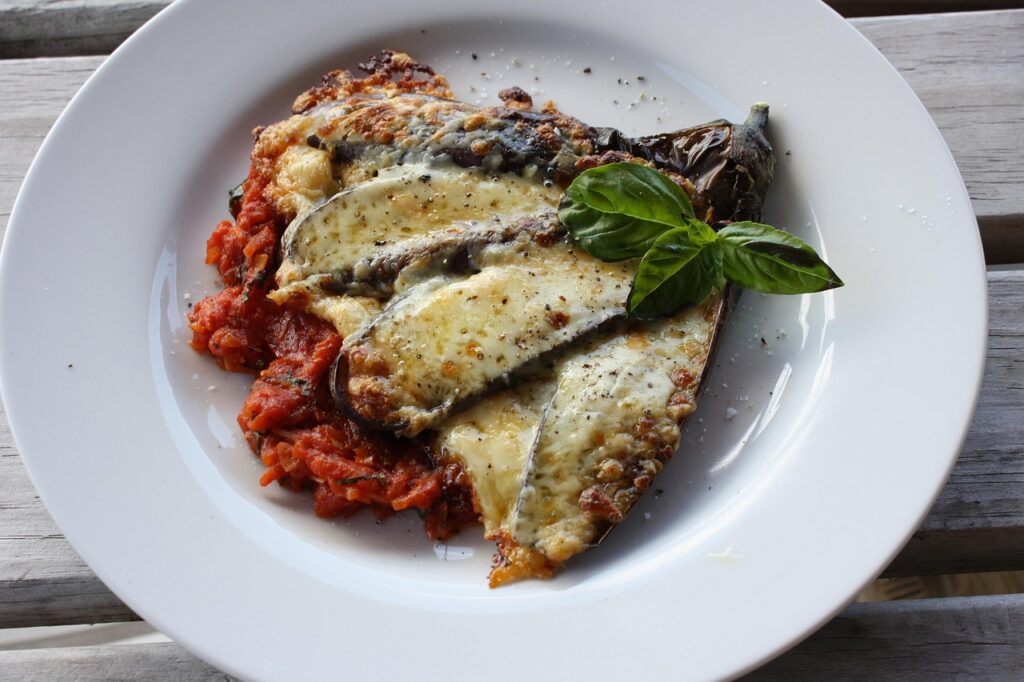
Calabrian peasant cuisine is built on simple yet intensely flavored dishes: rustic pasta with spicy tomato sauce, eggplant parmigiana, peperoncini ripieni (stuffed small peppers), and desserts flavored with bergamot — the emblematic fruit of the Reggio province. The wines that pair with these dishes depend on the dish’s richness and heat: a local rosé or a young red can tame spicy flavors, while a floral white highlights citrus notes.
To taste parmigiana in a traditional setting, try Osteria del Borgo — Via del Borgo, 3, 88046 Lamezia Terme (CZ). Hours: 12:30–14:30 and 19:00–22:30, closed Sunday evenings. Prices: antipasti €6–12, parmigiana €10–14, local bottles €20–35. Their eggplants are grilled and layered with a very aromatic tomato sauce; a fruity but dry rosé will cleanse the palate between cheesy, oily layers.
If you want to explore Calabrian citrus, don’t miss Azienda Agricola Bergamotto di Reggio, Via Provinciale, 42, 89135 Reggio Calabria. Hours: visits by appointment 09:00–17:00. Prices: tasting and tour €15–25, jams and liqueurs €5–25 depending on product. Bergamot, used in pastries and liqueurs, pairs surprisingly well with certain floral whites or even a slightly sweet sparkling for dessert.
In the Cosenza area, look for family trattorie like Trattoria da Nonna Rosa — Via Manzoni, 44, 87100 Cosenza (CS). Hours: 12:00–14:30 and 19:00–23:00, closed Monday. Prices: homemade dishes €8–16, short wine list focused on local producers. It’s the perfect spot to eat pasta al sugo piccante (spicy tomato sauce) and try a young fruity red that tames the heat while respecting tomato aromas.
Local tip: when tackling a very spicy dish, favor a wine with lower alcohol and decent acidity: it refreshes and prevents amplifying the heat sensation. Calabrian rosés, often made from Gaglioppo or other local grapes, are versatile allies for these rustic plates.
Dessert Wines, Sweets and Citrus Pairings
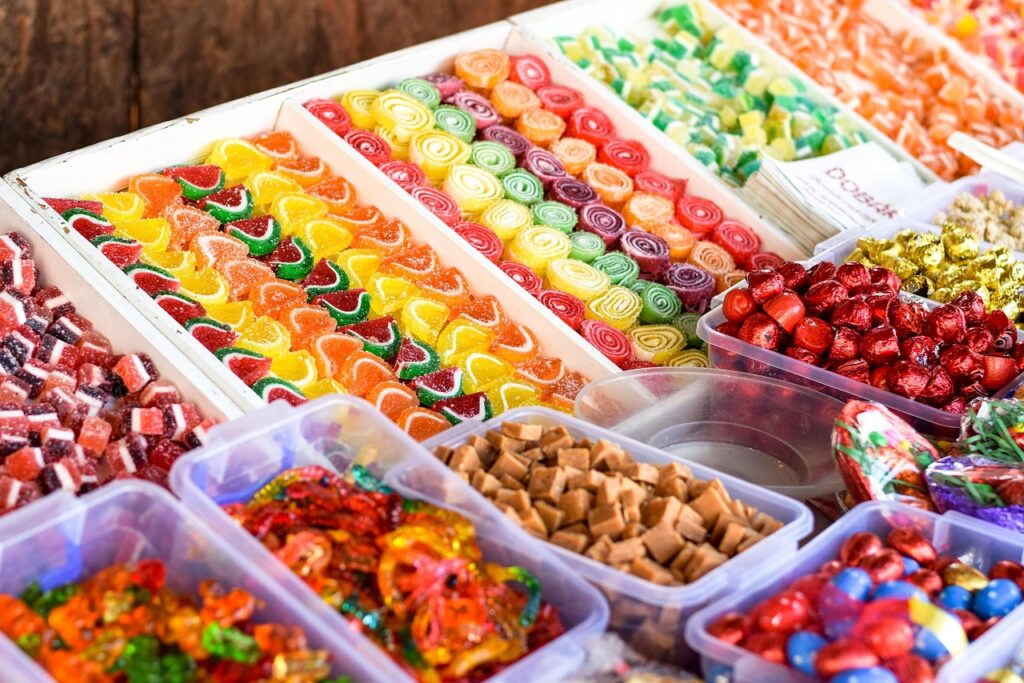
Calabria also produces interesting dessert wines and bergamot liqueurs, along with confections made from almond paste and hazelnuts. Local sweet wines, sometimes made from overripe grapes or partly dried fruit, pair beautifully with regional pastries and blue cheeses.
A place to explore these matches: Liquori e Confetture della Calabria — Negozio Artigianale, Via Giacomo Matteotti, 22, 89100 Reggio Calabria. Hours: 09:00–13:00 and 16:00–20:00, closed Sunday. Prices: artisanal liqueurs €7–25, jams €4–12. The shop offers bergamot cream liqueur (a fragrant, sweet spirit) and local dessert wines: try a sweet cuvée slightly chilled (10–12 °C) with a bergamot tart or almond biscuits.
For a combined gourmet stop, head to Caffè del Corso — Corso Garibaldi, 119, 88046 Lamezia Terme (CZ). Hours: 07:00–23:00 daily. Prices: coffees and pastries €2–8, glasses of dessert wine €4–10. Try a local sweet wine with traditional pasticceria: the honey and candied-orange notes are delightful together.
If you love blue cheeses, the local dairy Caseificio delle Serre — Contrada Serra, 89832 Rosarno (RC) offers aged cheeses and advice. Hours: by appointment, often 09:00–17:00. Prices: cheeses €10–25 per kilo depending on aging. A sweet wine balances the saltiness and bitterness of a Calabrian blue, creating a very satisfying contrast at the end of a meal.
Tip: serve dessert wines cool but not ice-cold, and offer modest portions — these wines are often rich in sugar and alcohol; 50–70 ml per person is enough to enjoy the pairing.
48-Hour Foodie Itinerary: How to Plan Your Tastings
If you have two days to explore Calabrian wine and cuisine, here’s a practical, well-paced route between sea, hills and family-run taverns. Day 1: start the morning in Cirò Marina with a visit to Cantine Librandi (Via Statale 106, 88811 Cirò Marina KR) at 10:00 — reservation recommended. Price: €20–35 for tour and tasting. Then lunch at Agriturismo La Taverna, Contrada Molino, 88811 Cirò (lunch €18–30 per person). In the afternoon, drive to Capo Colonna for a seaside walk and then dinner at Ristorante Il Gabbiano, Via Lungomare, 1, 88100 Catanzaro Lido (mains €12–28, open 12:30–15:00 and 19:00–23:00).
Day 2: head to the morning market in Reggio Calabria (Mercato del Pesce, Lungomare Falcomatà) from 07:00 to buy fresh fish. At 10:30, visit and taste at Cantina Ippolito 1845 (Contrada Milone, 88811 Cirò Marina KR) or a nearby artisan cellar. Lunch seaside at Ristorante Da Ercole (Lungomare Cristoforo Colombo, 12, 89900 Reggio Calabria), then in the afternoon visit a cheese maker or an olive oil producer (Azienda Agricola Olio Fiore, Via Oliveto, 6, 87036 Rende CS — visits by appointment, €10–20).
Logistics tips: book visits in advance, especially in high season (June–August). Bring a cooler if you buy fresh products or bottles that aren’t sealed for travel. Roads in Calabria can be winding: allow time between sites and check local opening hours, often reduced on Sundays or mid-afternoon.
Practical Tips for Buying, Transporting and Tasting Calabrian Wines
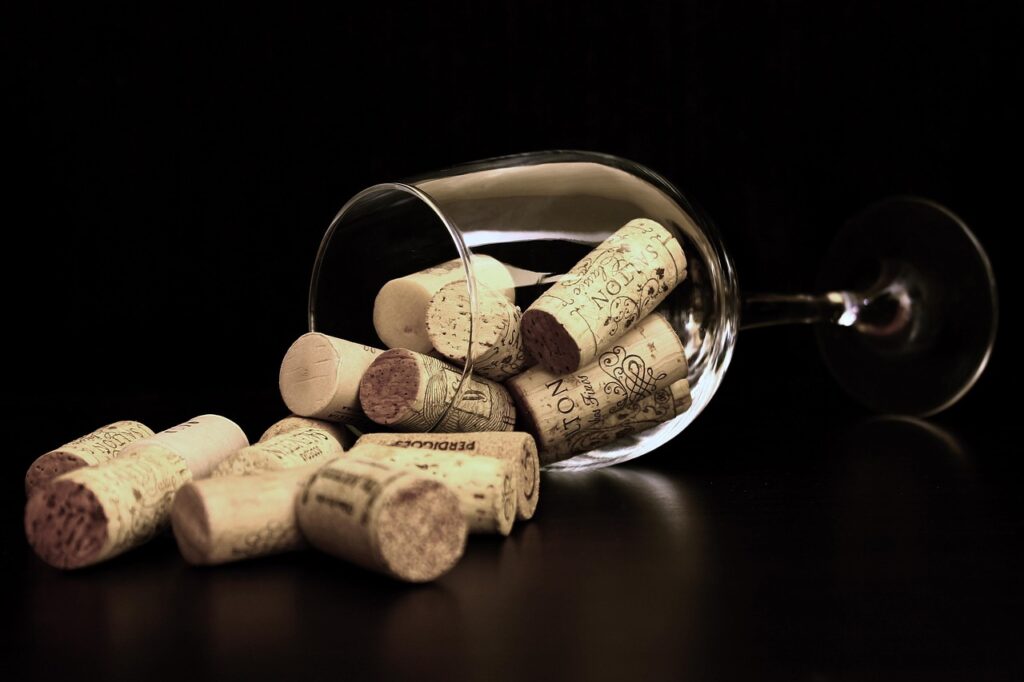
If you want to bring bottles home, buy directly at the winery: prices are often better, you can negotiate on larger purchases, and you’ll sometimes find vintages not exported abroad. Always ask for the exact label, recommended storage temperature and the vintage year. For air travel, buy special packaging at the cellar (around €3–8) or use inflatable bottle sleeves and pack bottles well protected in checked luggage.
Budget guide: quality local wines start around €10–15 a bottle at the cellar; exceptional cuvées or Riserva wines can reach €30–80 depending on producer and age. Organized tastings typically cost €15–40 per person depending on the number of samples and whether food is included.
During tastings, take your time: Calabrian wines evolve quickly once open. Start with whites, then rosés, young reds and finally Riservas. Note dominant aromas: dark fruit, dried herbs (macchia), smoke and spice. If you’re new to tasting, ask the local sommelier for a simplified tasting sheet to learn the key terms and sensations to look for.
Final local tips: favor family producers for a more authentic approach, also buy preserves (sardines in oil, sun-dried tomatoes) and condiments (extra virgin olive oil, honey) to extend the Calabrian experience at home. Most of all, ask for recommendations: winemakers love to share the story of their land and suggest surprising pairings you might not expect.

Useful Resources and Quick Contacts
- Cantine Librandi — Via Statale 106, 88811 Cirò Marina (KR). Reservations: +39 0962 730024. Visits 09:00–18:00, guided tours €20–35.
- Ippolito 1845 — Contrada Milone, 88811 Cirò Marina (KR). Reservations: +39 0962 943111. Tastings €25 and up.
- Ristorante Da Ercole — Lungomare Cristoforo Colombo, 12, 89900 Reggio Calabria. Tel: +39 0965 123456. Open 12:30–14:30, 19:00–23:00.
- Mercato del Pesce di Reggio Calabria — Lungomare Falcomatà, 89125 Reggio Calabria. Market hours 06:00–11:00.
Conclusion — Take Calabria Home in a Glass and on Your Plate
Calabria offers a palette of intense, honest flavors shaped by arid soils, generous seas and families preserving age-old know-how. Calabrian wines — mainly structured reds and saline whites — are ideal companions for exploring the local cuisine: spicy cured meats, smoked cheeses, simple fish dishes and citrus desserts. This guide gave you concrete places, addresses, hours and price ranges to plan your discoveries — from historic cellars to morning markets, family trattorie to olive oil workshops.
By trying these pairings you’ll see that Calabria doesn’t hide its ingredients: it celebrates them. A glass of Gaglioppo with a slice of soppressata, a Greco Bianco with simply cooked mussels, or a bergamot liqueur after a meal — these moments tell the story of a region. To get the most from your culinary encounters, book ahead, ask questions, taste slowly and buy directly from artisans when possible. You’ll leave not just with bottles and flavor memories, but with a deeper understanding of a lesser-known yet deeply endearing terroir.
Whether you’re a seasoned aficionado or a curious traveler, Calabria reveals itself to those who take the time to listen to producers’ advice, accept generous plates and dare adventurous pairings. So on your next trip to Southern Italy, save plenty of space in your suitcase for tasting: Calabria deserves to be eaten and drunk fully and unhurriedly.