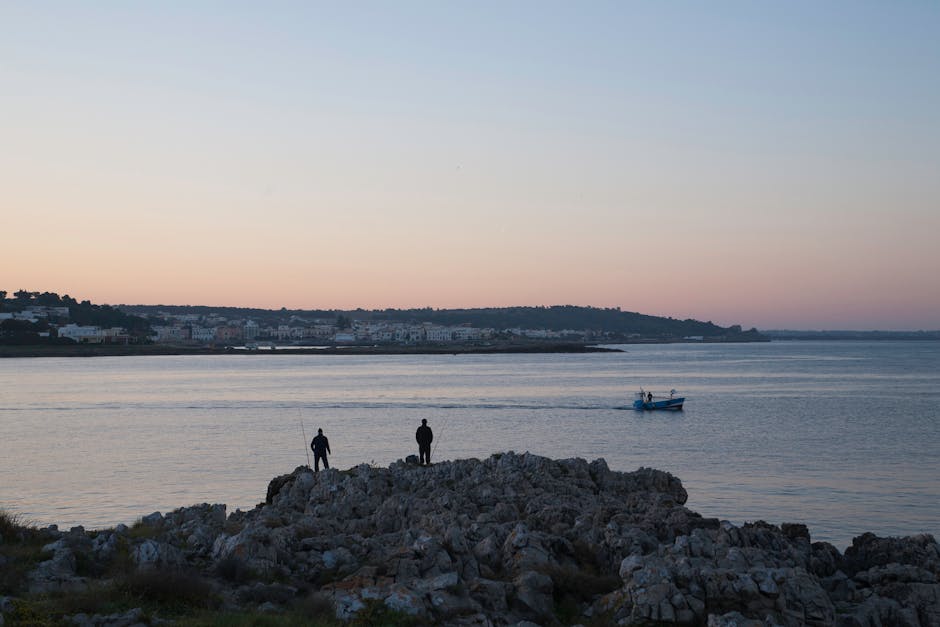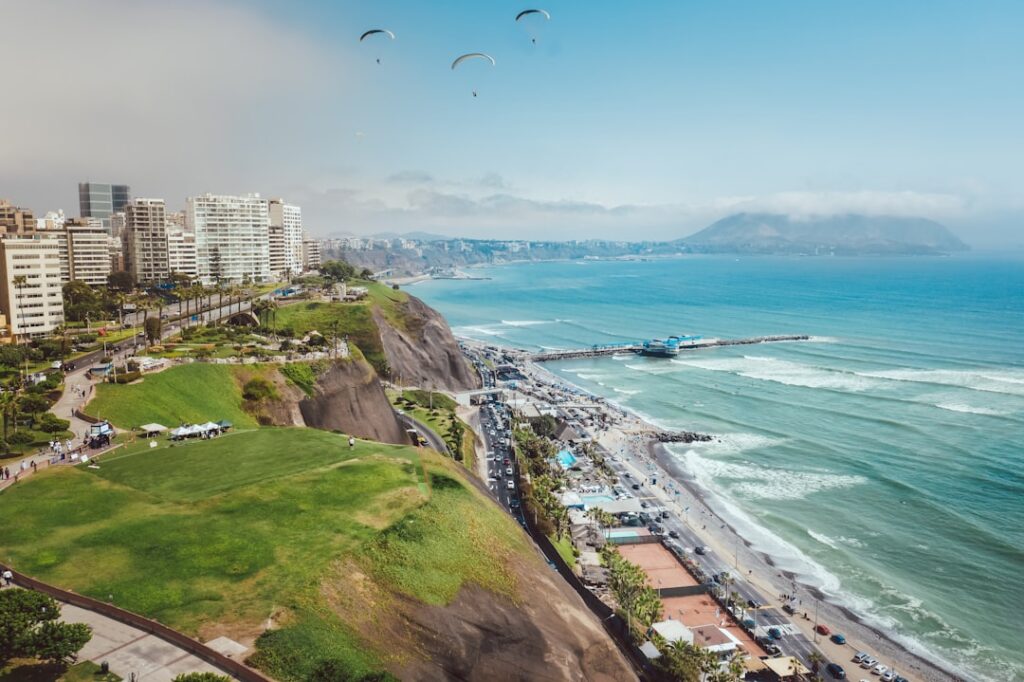






Introduction — Fishermen’s Trail: a panoramic coastal walk along Calabria’s shores
The Fishermen’s Trail in Calabria (Sentiero dei Pescatori) isn’t a single marked route or an official long-distance trail, but rather a network of coastal promenades and towpaths skirting the Ionian and Tyrrhenian Seas, linking fishing villages, secluded coves and natural viewpoints. In this practical, professional and detailed guide I offer a workable itinerary, exact addresses for trailheads and services, concrete price estimates in euros and useful opening hours, plus immersive descriptions and local tips to help you make the most of this authentic Calabrian coastal experience.
Calabria boasts some of Italy’s wildest coastal scenery: sheer cliffs, pebbled beaches, turquoise waters and small harbors where fishing boats moor side by side. The stretch of the Fishermen’s Trail described here focuses on Tyrrhenian- and Ionian-facing sections near established tourist hubs like Tropea, Capo Vaticano, Pizzo Calabro and the small town of Scilla — places where maritime history is still alive and tangible. The suggested stages suit different levels: short walks of 30 minutes up to three-hour hikes for fitter walkers. Each portion can be done alone or combined into a full day out.
This guide includes exact addresses for parking or catching a water taxi, opening times for tourist offices, indicative prices (entrances, parking, sea shuttles), and detailed descriptions of landscapes and marine life you can spot from the viewpoints. You’ll also find practical advice: what gear to bring, best light windows for photos, recommended local fisherman-run restaurants and precautions for summer (heat, crowds) and the low season (wind, waves).
Whether you’re traveling solo, as a couple or with family, this guide aims to give you concrete markers and a sensory immersion into coastal Calabrian life. At the end there’s a summary highlighting the best sections depending on your interests (photography, swimming, food) and suggested one-day and weekend itineraries. Lace up your walking shoes, grab your camera and bring your curiosity — Calabria’s coast delivers marine panoramas of rare intensity.
1. Tropea to Capo Vaticano: coastal road, coves and viewpoints (start at Lungomare Cristoforo Colombo)
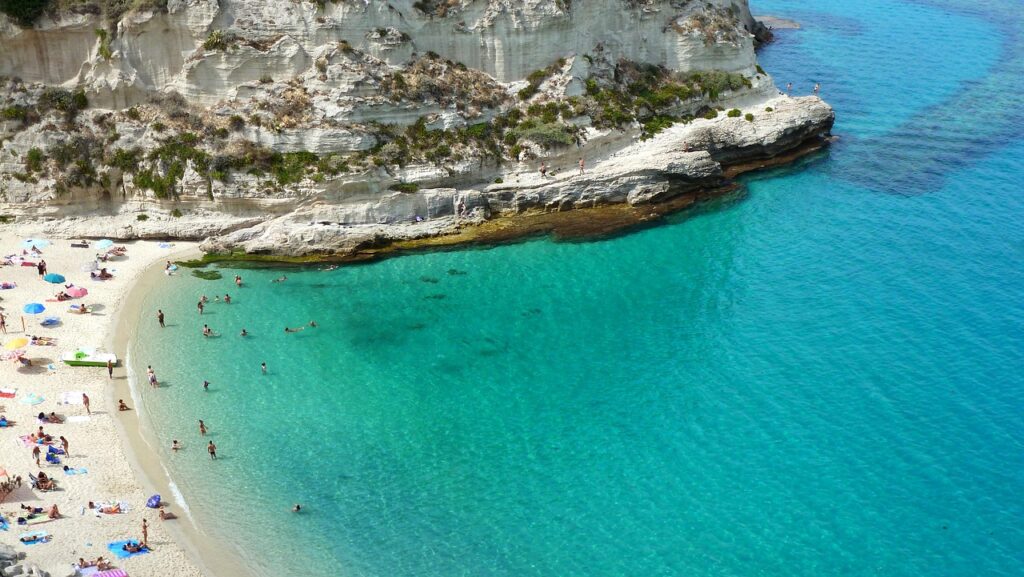
The most visited and most photogenic section of the Fishermen’s Trail often starts at Lungomare Cristoforo Colombo, 89861 Tropea VV, Italy. It’s a convenient departure point: a large public car park (Parcheggio Centro Storico, via Lungomare, 89861 Tropea) and bus connections. The path first follows the cliff-top road with aerial views over La Rotonda beach and Tropea’s historic headland, then descends toward wilder coves heading for Capo Vaticano.
Hours and fees: the trail is freely accessible 24/7 (free). The nearby public parking (Parcheggio Lungomare, via Corso Vittorio Emanuele, Tropea) is paid in high season: roughly €2.00 per hour, day rate €12.00. Regional buses (Autolinee Federico) run daily; check with the local tourist office Ufficio Informazioni Turistiche – Piazza Ercole, 1, 89861 Tropea VV, open Monday to Sunday from 09:00 to 20:00, free entry and brochures available.
Immersive description: as you walk you’ll feel the salty breeze filling the air, hear boats gently lapping the shore and see white cliffs fringed with Mediterranean scrub (rosemary, mastic). The viewpoints offer plunging perspectives over turquoise waters and, on clear days, the Aeolian Islands on the horizon. The lower stretch toward Capo Vaticano reveals rocks sculpted by the surf; a few stone steps lead down to fine sandy patches and rocky points perfect for snorkeling.
Local tips: head out early (between 07:00 and 09:00) for soft light and fewer people. Bring at least 1.5 liters of water per person in summer and wear closed shoes with grippy soles if you plan to stick close to the cliffs. For a post-walk meal try Ristorante La Lamia, Via Coniugi Vazzana, 20, 89861 Tropea, open from 12:00 to 23:00, with fresh fish dishes from around €12.00.
2. Capo Vaticano to Parghelia: cliffs, sea caves and fishing boats
Heading southwest, the stretch between Capo Vaticano and the village of Parghelia is wilder and often less crowded — perfect for authenticity seekers. Reference point: Località Grotticelle, 89866 Ricadi VV, Italy, famous for its small coves reached by steps and trails. The path follows a string of viewpoints and drops in places to pebble beaches where local fishermen still unload their catches at night.
Access and times: the Grotticelle area is freely accessible; the main beach is supervised in summer between 09:00 and 19:00 (lifeguard service); official parking (Parcheggio Grotticelle, Località Grotticelle) costs around €3.00 per hour in July–August, or €10.00 for the day. Water taxis run occasional transfers from the coves to Marina di Ricadi at roughly €8.00 to €15.00 depending on distance and passenger numbers.
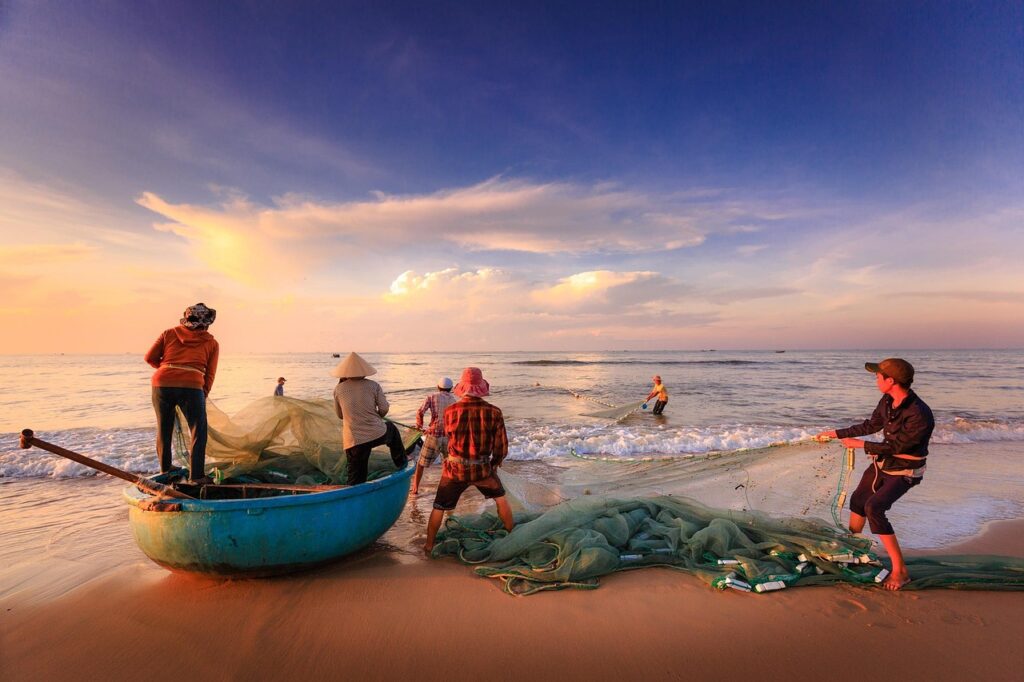
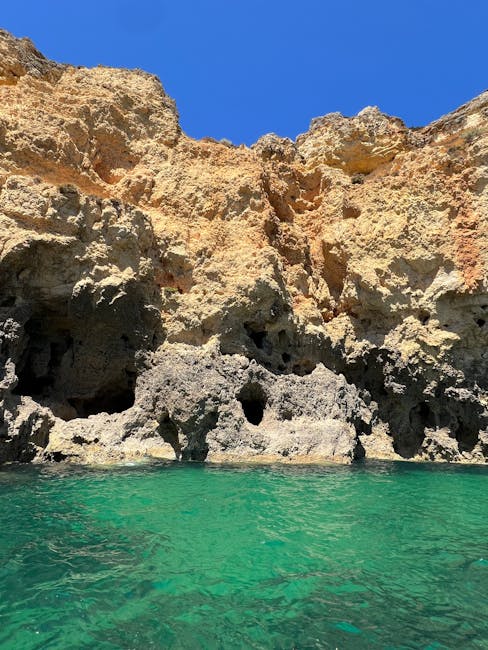
Immersive description: the scent of salt and seaweed dominates the air; fishermen sometimes mend nets in the shade of pines. The crystal-clear waters let you glimpse the seabed from high vantage points. You’ll often spot cormorants drying their wings on the rocks and, offshore, silver schools of fish. Sea caves — reachable by kayak or boat — create mesmerising light effects when the sun hits their interiors.
Local tips: bring a mask and snorkel — the snorkeling here is outstanding near the drop-offs. Be cautious of currents if you swim far from shore. Best seasons run from April to October; in low season the area is peaceful but some services (restaurants, water taxis) may have reduced hours. For a local meal after the walk try Trattoria La Vecchia Marina, Via delle Sirene, 4, 89866 Ricadi VV, open 12:00 to 22:30, seafood dishes from about €10.00.
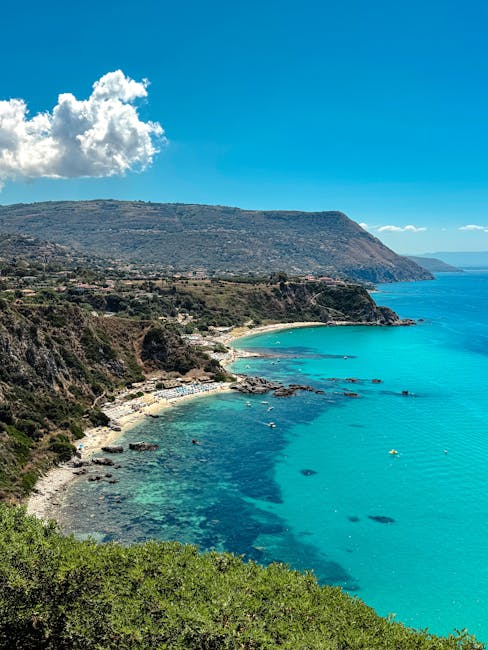
3. Pizzo Calabro: harbour, seafront and coastal paths toward the historic centre
Picturesque and lively, Pizzo Calabro is a must-stop to combine a stroll with history and food. Recommended arrival point for the northern section: Lungomare Sirimarco, 89812 Pizzo VV, Italy. The harbour hosts traditional fishing boats and cafés where artisanal gelato and the famous « tartufo di Pizzo » are still served.
Hours and costs: the seafront promenade is open 24/7. The Tartufo Museum and the gelateria in town typically open from 10:00 to 22:00 in high season (check Gelateria Il Tartufo, Via Nazionale 56, 89812 Pizzo VV). Expect to pay around €3.00 to €6.00 for a portion of tartufo depending on size. Guided tours of the historic centre and Murat Castle (Castello Murat, Piazza della Repubblica, 89812 Pizzo) cost about €5.00 per person and are often scheduled at 11:00 and 16:00 in summer.
Immersive description: walking the harbour you’ll pass nets hung out to dry, old fishermen chatting by their traps and the smell of bread and grilled fish drifting through the air. The coastal path links the harbour to the historic centre via steps and narrow lanes, offering sea views from almost every balcony. Pizzo Beach (Spiaggia di Pizzo) is ideal for an early swim, while the rocks are popular for evening shore fishing.
Local tips: try the tartufo at Gelateria Peppe, Via Nazionale 62 (open 10:00–23:00), then head up to Castello Murat for panoramic views. Parking in the centre is limited; use Parking Porto, via Molo, 89812 Pizzo (about €1.50 per hour). If you’re continuing south toward Scilla, check regional train timetables at stazione di Pizzo (Piazza della Stazione) — regional train fares to Scilla run around €6.00–€9.00.
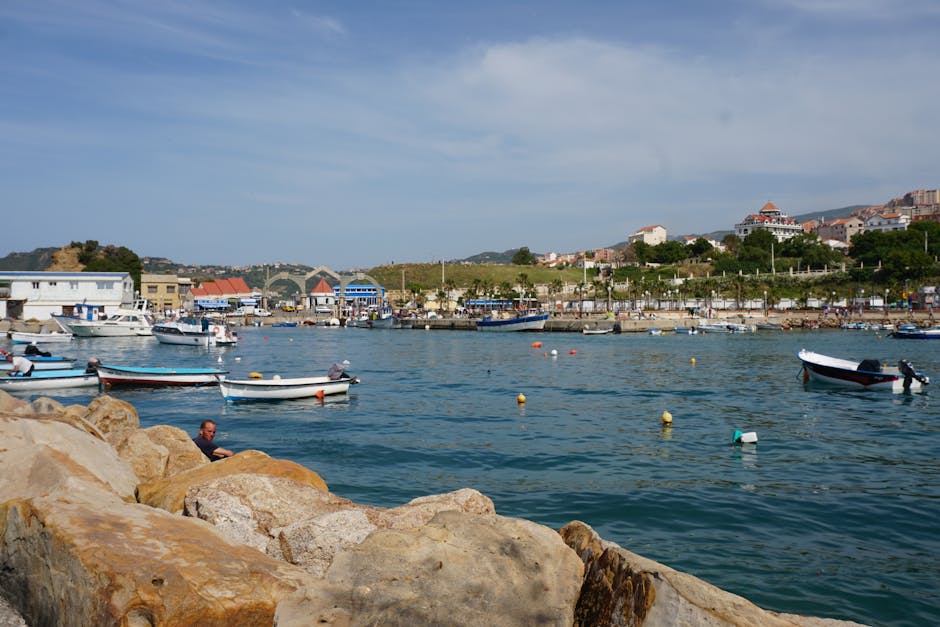
4. Scilla and Chianalea: fishing harbour, houses over the water and photo hotspots
At the southern end of the Calabrian route, the small town of Scilla and the Chianalea district offer a well-preserved fishing-village atmosphere. Reference point: Lungomare T. Campanella, 89058 Scilla RC, Italy. Chianalea is famous for houses built at the water’s edge, boats moored right outside doorways, and narrow alleys perfect for photography. The coastal path that links the harbour to Scilla’s seafront is short but packed with maritime details and views over the Strait of Messina.
Access, fees and times: the harbour is accessible all day. Boat trips around Scilla, sometimes including a crossing to Reggio Calabria, typically cost between €10.00 and €25.00 depending on duration (check the ufficio escursioni, Via Gabriele Perri 3). Restaurants and small shops in Chianalea usually open from about 09:00 and stay open late (>22:00) in summer. The trail itself is free, though some private viewpoints or small local museums may request a small contribution (€3.00–€5.00).
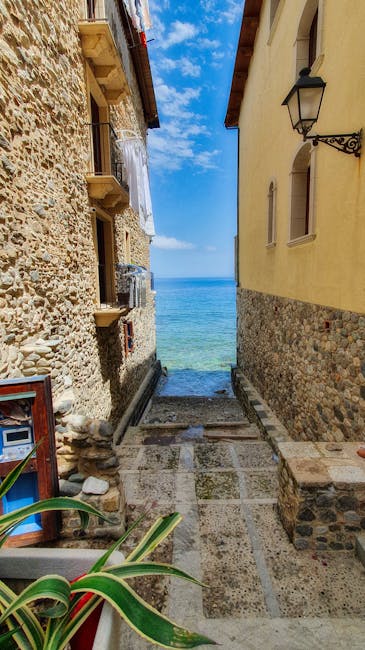
Immersive description: walking through Chianalea you almost touch the sea: whitewashed houses cast shadows on the water, cats nap on low walls and old nets tell tales of fishing days. At sunset the golden light transforms facades and the Strait of Messina shimmers. It’s a fantastic spot for photographers and anyone wanting to feel the traditional maritime heartbeat.
Local tips: visit Marina Grande early to avoid crowds and book a table at Ristorante Da Giulia, Via Corso Vittorio Emanuele, 34, 89058 Scilla RC (open 12:00–23:00) to taste the local speciality, pesce spada (swordfish), dishes from about €14.00. For pictures, late-afternoon and nighttime light — when street lamps reflect on the water — create unique frames. Watch out for slippery cobblestones after rain: wear good shoes.
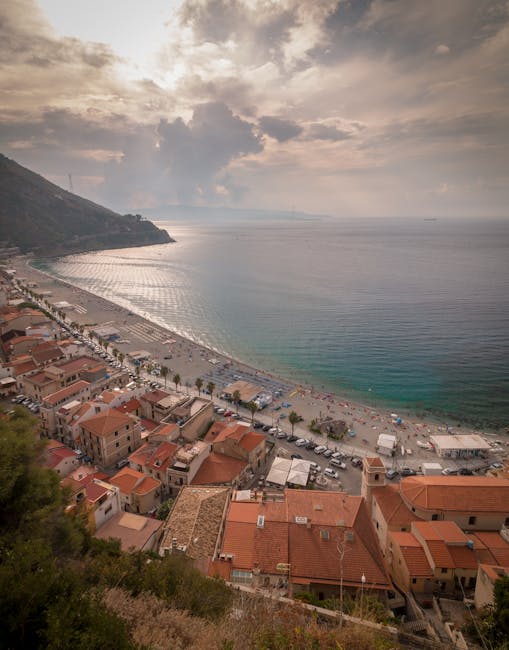
Practical cross-section tips for the Fishermen’s Trail
- Gear: lightweight but grippy walking shoes, hat, sunscreen SPF 30+, water bottle (1.5–2 L), swimwear and towel, mask and snorkel if you plan to dive in.
- Safety: obey signs, avoid unmarked cliff edges, don’t leave rubbish and report any dangerous behaviour to local authorities.
- Best times: sunrise (06:00–08:30) for calm and quiet, sunset (18:30–20:30) for dramatic colours — travel outside peak season to avoid crowds.
- Approximate budget: most paths are free. For a day plan: parking €5.00–€15.00, a simple lunch €12.00–€20.00, shuttle/boat taxi €8.00–€25.00.
- Tourist information: main tourist offices — Tropea (Piazza Ercole, 1, 89861 Tropea VV), Pizzo (Piazza della Repubblica, 89812 Pizzo), Scilla (Via Corso Vittorio Emanuele, 89058 Scilla) — usually open 09:00–19:00 in season.
Conclusion — Why walk the Fishermen’s Trail in Calabria?
Walking the Fishermen’s Trail in Calabria is above all a way to connect with a living maritime tradition: the smells of grilled fish, drying nets, boats and the men and women who make a living from the sea. This guide has suggested accessible sections, precise addresses (Lungomare Cristoforo Colombo in Tropea, Località Grotticelle at Capo Vaticano, Lungomare Sirimarco in Pizzo, Lungomare T. Campanella in Scilla), clear price indications (parking €1.50–€3.00 per hour, full-day options around €10–€12, boat trips €8–€25) and typical opening hours for services and tourist offices.
The route suits different approaches: a leisurely stroll punctuated by foodie stops to taste Pizzo’s tartufo or Scilla’s swordfish; a sporty hike along the cliffs with swims and snorkeling at Grotticelle; or a photographic exploration of Chianalea’s waterfront at dusk. Following the local tips — start early, carry water, wear good shoes, and book busy restaurants — will maximize your comfort and safety.
In practice, allow at least one day for a focused section (for example Tropea–Capo Vaticano) and a weekend if you want to include Pizzo and Scilla without rushing. Local transport (regional buses and trains) and water taxis give you plenty of flexibility to craft your own route. And above all, respect the coast: take your trash with you and leave the coves as clean as you found them.
The Fishermen’s Trail in Calabria is an invitation to slow down, listen to the sea and discover the soul of a place where maritime heritage meets untouched natural panoramas. Whether your priority is hiking, photography, swimming or tasting freshly caught seafood, this coastline delivers authentic and memorable experiences. Set off on a panoramic walk — every cove, harbour and alley holds a discovery.