





Introduction — Tasting Greco and Gaglioppo: Calabria’s Wine Stars
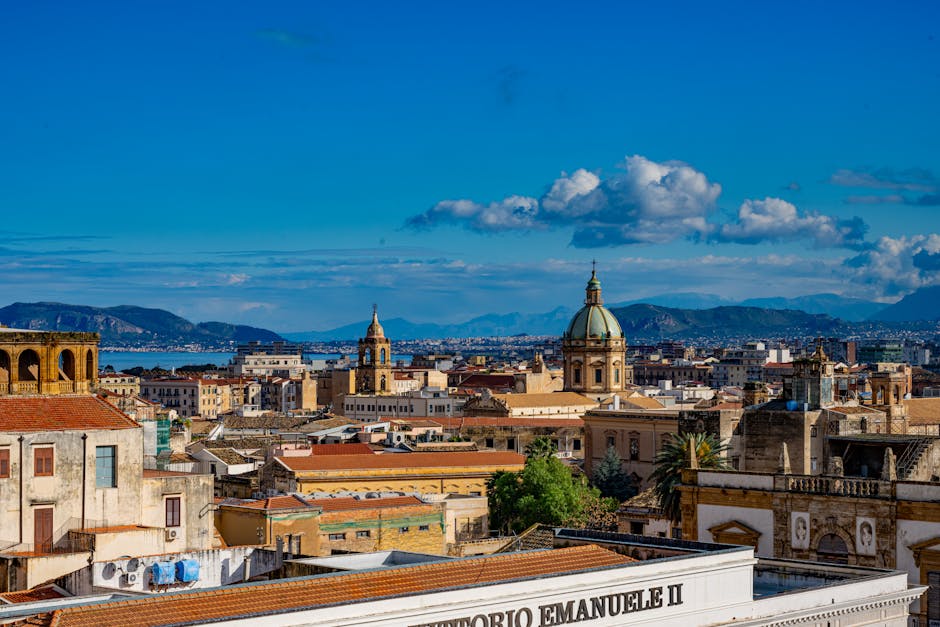
Calabria, the region at the heel of Italy’s boot, is often celebrated for its rugged coastline, hilltop villages and hearty cuisine. But for serious wine lovers, Calabria hides two viticultural gems: Greco di Bianco and Gaglioppo. One is primarily a white variety, the other a red, and together they tell the story of a Mediterranean land—baked by sun, swept by sea breezes and shaped by a patchwork of terroirs from the Ionian coast to the inland slopes.
This article is a practical, immersive guide to planning a Greco and Gaglioppo tasting in Calabria: where to go, what to taste, how to read these wines, how much to budget, and local tips to get the most from the experience. You’ll find specific winery and enoteca addresses, typical opening hours, price ranges for bottles and tastings, plus sensory descriptions to help you appreciate each terroir.
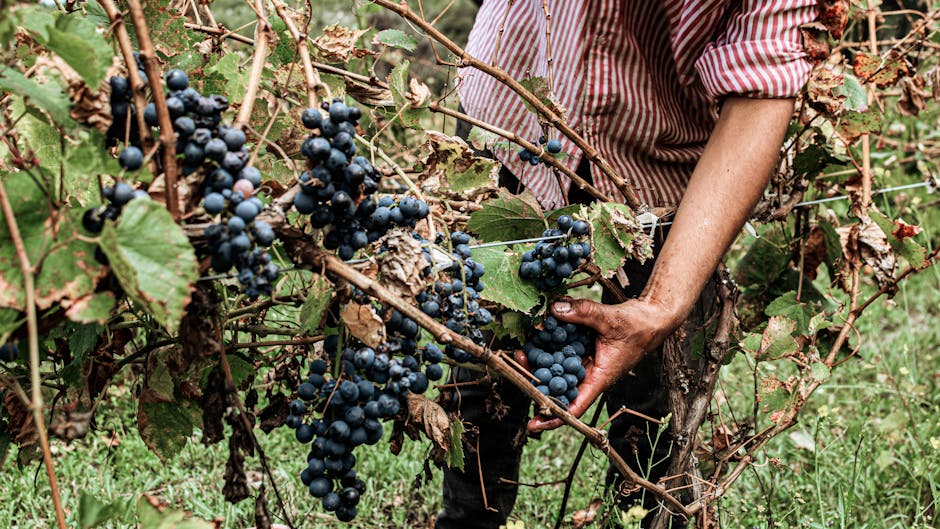
Greco di Bianco is a historic white often tied to sweet dessert wines as well as modern dry expressions: expect candied citrus, wild herbs and a saline minerality when the grapes come from vines near the sea. Gaglioppo, on the other hand, dominates the reds of the Ionian coast (notably the Cirò denomination): ruby hues, firm but rounded tannins, ripe red fruit, spice and sometimes a floral lift. Learning these grapes is a way to learn Calabria—its limestone soils, sun-soaked exposures, family-driven viticulture and microclimates.
This guide walks you through essential stops for a well-rounded tasting: historic estates, contemporary cellars, local trattorie where wine meets Calabrian cuisine, and shops to buy rare bottles. Each spot includes a precise address, hours, indicative prices in euros for tastings and bottles, and an evocative description to help you picture the setting and atmosphere.
Must-Visit Wineries and Detailed Tastings
To kick off your immersion, here are three representative wineries in Calabria where Greco and Gaglioppo are crafted with care.
1. Cantine Librandi — Tasting in Cirò
Address: Cantine L. Librandi, Via Marina 4, 88811 Cirò Marina (KR), Italia.
Opening hours: Monday–Saturday 09:00–13:00 / 15:00–19:00; Sunday by appointment (closed some public holidays).
Prices: Standard tasting €15–25 per person (3 wines), vertical tastings or food pairings €35–60; bottles from €12 for entry-level, €30–60 for prestige cuvées.
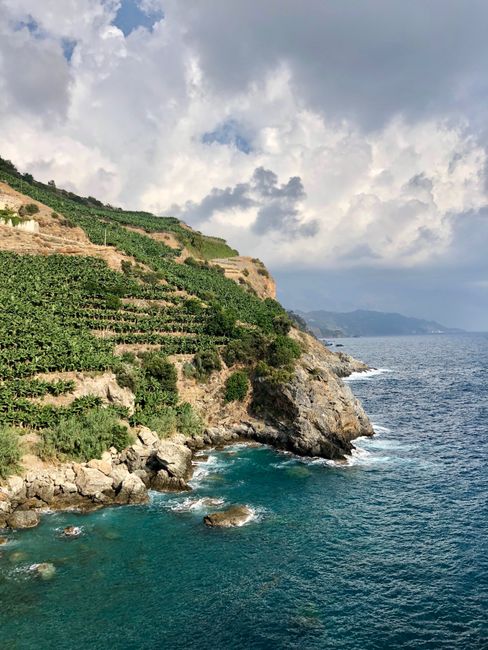
Description: Cantine Librandi is often cited as a benchmark in Cirò. The estate owns slopes that gently descend toward the Ionian Sea, giving Gaglioppo wines a subtle salinity and lovely freshness. Visits usually start in the modern cellar, continue through the aging rooms and finish in a bright tasting room with views over the vines and sea. Expect classic red profiles: ruby color, black cherry aromas, peppery notes and an elegant tannic bite.
2. Cantina Ippolito 1845 — Tradition in Strongoli
Address: Ippolito 1845, Contrada Canalicchio, 88900 Strongoli (KR), Italia.
Opening hours: Monday–Friday 09:00–13:00 / 15:00–18:30; Saturday 10:00–14:00 (guided visits by appointment).
Prices: Guided tasting €20–40 (3–5 wines), cellar tour €10; bottles from €10 up to €45 for historic selections.
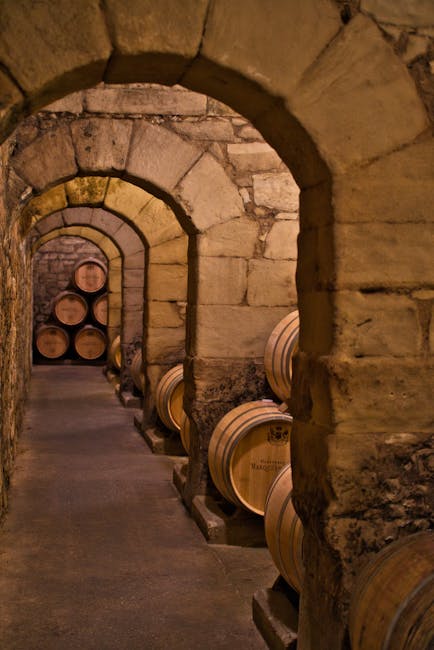
Description: Founded in the 19th century, Cantina Ippolito 1845 blends tradition with modern approaches. Its Gaglioppo wines express terroir typicity with silky tannins and a spicy profile. The cellar’s stone vaults create an authentic atmosphere during tastings. Visitors often pair a tasting with a light lunch: local cured meats (prosciutto di Calabria), pecorino cheese and regional specialties.
3. Winery Agricola Greco di Bianco — Tasting the legendary white
Address: Azienda Agricola Greco di Bianco, Via Nazionale 22, 89037 Bianco (RC), Italia.
Opening hours: Tuesday–Saturday 09:30–13:00 / 15:00–18:30; Sunday 10:00–13:00; closed Monday.
Prices: Greco tasting €20 (3 samples), full visit €30–50 depending on pairings; Greco di Bianco bottles from €18.
Description: Bianco is the historic home of the Greco grape. The estate offers tastings of late-harvest sweet wines and dry Greco styles. The wine shows white floral notes, candied orange and honey in the sweet versions, while the dry styles reveal a striking saline tension. The tasting room opens onto a sunny courtyard where traditional snacks are served: taralli, local olive oil, olives and fresh cheese.
Enoteche, Trattorie and Food Pairings
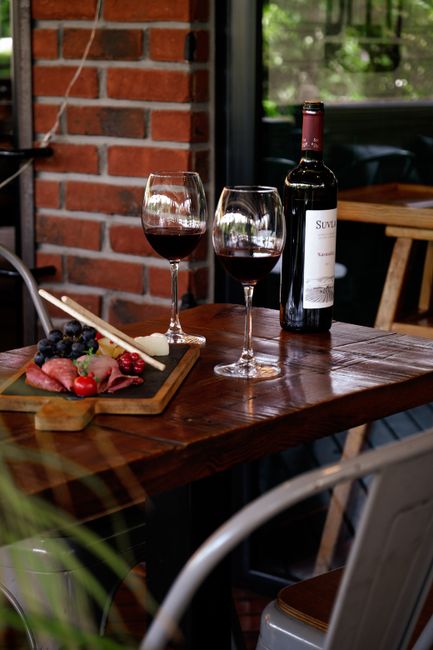
A full tasting isn’t limited to the winery: it includes stops at enoteche and trattorie to explore local pairings. Here are precise addresses where you can match Greco and Gaglioppo with Calabrian cuisine.
Enoteca La Cantina del Gusto — Cosenza
Address: Enoteca La Cantina del Gusto, Via P. Giannone 11, 87100 Cosenza (CS), Italia.
Opening hours: Monday–Saturday 11:00–14:30 / 17:30–23:00; Sunday 18:00–23:00.
Prices: Glass of Greco €4–7, glass of Gaglioppo €5–8; sharing boards €10–18.
Description: A friendly wine shop in central Cosenza with a curated selection of Calabrian wines. Perfect for an aperitivo or to pick up a rare bottle. Staff are happy to recommend pairings like Gaglioppo with nduja (spicy spreadable sausage) or Greco with honey-based desserts.
Trattoria Da Concetta — Restaurant in Tropea
Address: Trattoria Da Concetta, Via Marina 10, 89861 Tropea (VV), Italia.
Opening hours: Every day 12:00–15:00 / 19:00–23:00; closed Wednesday.
Prices: Bottle of Gaglioppo (recommended menu) €18–35; main courses €10–20.
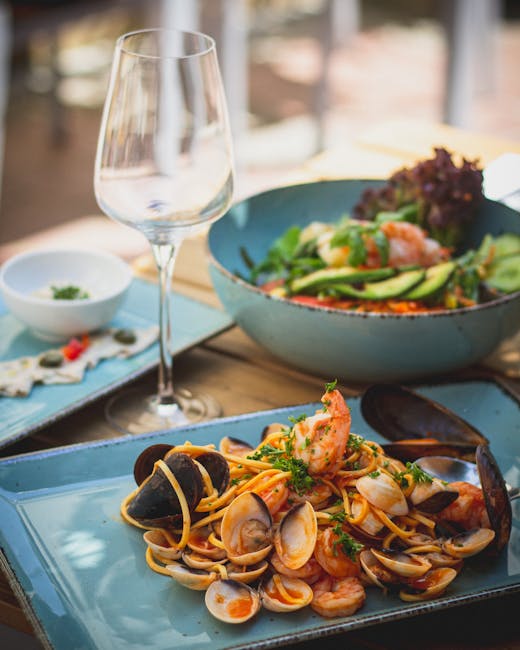
Description: A well-known family-run trattoria famous for seafood dishes and Calabrian antipasti. Gaglioppo pairs beautifully with grilled meats and local ragù, while Greco, when available, makes a delicate finish with an orange-based dessert. The vibe is warm, service is familial and portions are generous.
Practical Tips: Planning, Budget and Seasonality
Planning tastings in Calabria takes a bit of foresight: wineries can be far apart and roads are often winding. Here are concrete tips to help you make the most of your trip.
- Best time to go: April–June and September–October for mild weather; harvest takes place in September–October, a great time to see vineyard work firsthand.
- Transport: A car is recommended. Expect around €40–60 per day for an economy rental; chauffeur services or private tours typically cost €120–250 per day depending on the itinerary.
- Tasting budget: Plan €20–60 per visit depending on the tasting package; for two full days with meals, bottle purchases and small extras, budget €150–300 per person.
- Reservations: Required for guided tours and evening meals during high season (July–August).
- Language: Some wineries have English-speaking staff, but hiring a local guide or arranging translation can enhance the experience, especially for technical tours.
Understanding the Wines: Tasting Profiles and Tips
To get the most from each glass, here’s how to read and taste Greco and Gaglioppo.
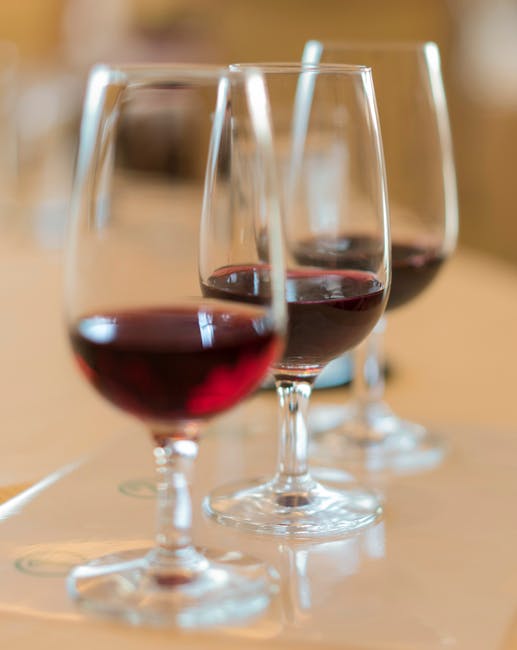
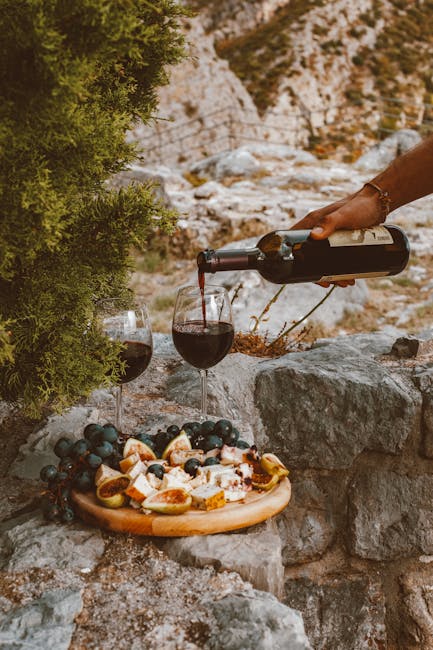
Gaglioppo — sensory profile: Ruby to garnet red color, aromas of red fruits (cherry, plum), spicy notes (pepper, licorice) and sometimes dried flowers. On the palate, tannins are present but often rounded, acidity ranges from medium to high depending on altitude. Ideal serving temperature: 16–18 °C. Pairings: grilled meats, ragù, aged cheeses, and spicy dishes featuring nduja for a true local experience.
Greco di Bianco — sensory profile: Varies by style. Dry versions offer citrus, green apple, wild herbs and saline minerality; traditional sweet (liquoroso) styles show honey, candied orange and dried apricot. Serving temperature: 10–12 °C (dry) / 8–10 °C (sweet). Pairings: seafood, honey-based desserts, local pastries, or simply as an aperitif for the dry styles.
Conclusion — Take Calabria Home in a Glass
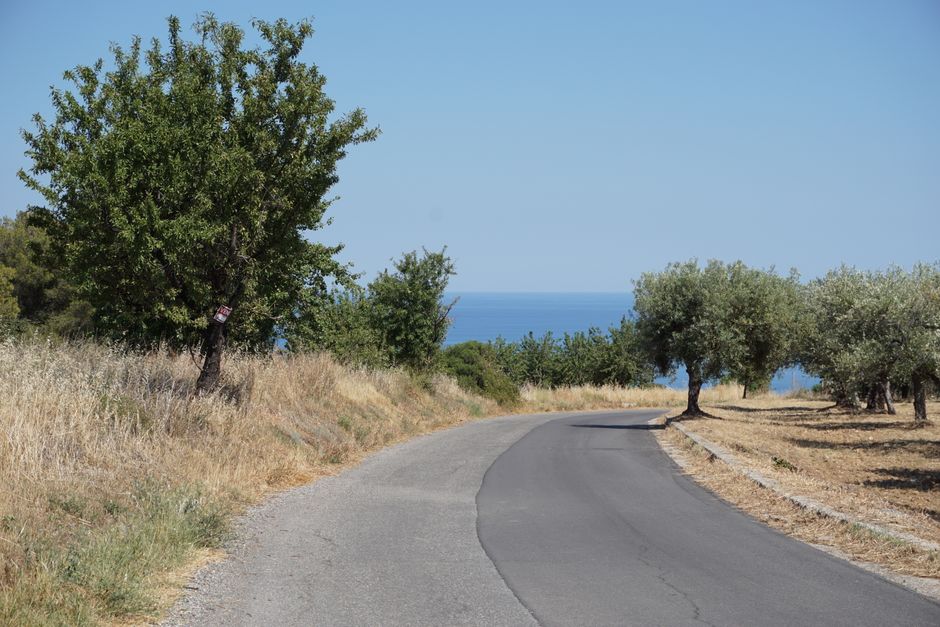
Visiting Calabria to taste Greco and Gaglioppo is an immersion into a powerful winemaking tradition shaped by families, varied soils and the Mediterranean climate. Driving along the Ionian coast, breathing the salty air and sampling rustic dishes quickly reveals why these grapes have endured. Gaglioppo captures the energy of local reds: expressive, sometimes wild, always honest. Greco di Bianco, meanwhile, offers a surprising spectrum from dry and saline to sweet and nectar-like—a characterful wine that rewards curious tasters.
This guide has given you practical starting points: Cantine Librandi, Ippolito 1845 and Azienda Agricola Greco di Bianco, plus enoteche and trattorie to round out the discovery. I included addresses, typical hours and price ranges to help your planning, but remember Calabria is alive and changing: hours and rates can vary, and reservations are often necessary in high season. A key local tip: take time to talk with producers—the family stories, winemaking methods and vineyard anecdotes will enrich your tasting as much as the wine itself.
Finally, for a sustainable and respectful approach, favor visits to producers practicing low-intervention viticulture, those who encourage biodiversity and offer local pairings. Bring home rare bottles as souvenirs, but more importantly bring back the experience: Calabrian warmth, the rustic soul of its wines and the raw beauty of the landscape. Those flavours will stay with you long after the trip.