





Introduction — A sweet trip through Calabria: tradition and sea
Calabria, the southern toe of Italy bordered by the Ionian and Tyrrhenian Seas, tells its story through wild landscapes, hilltop villages and—above all—its sweet flavors. If you love pastries and local treats, Calabria offers an unexpectedly rich and authentic palette: rustic little biscuits, celebratory cakes, citrus-scented fritters, hand-shaped marzipan and confections shaped by Greek and Arab influences. This complete guide takes you into the heart of dolci calabresi — the pastries and sweets you absolutely must try — with addresses, exact locations, prices in euros, opening hours and local tips to help you choose and savor them.
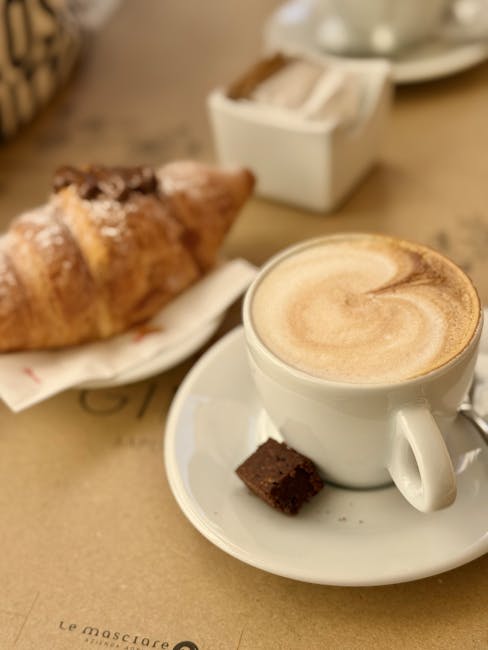
Calabrian sweet traditions draw from the land: almonds, figs, Mediterranean lemons, olives, honey and olive oil turn simple recipes into memorable indulgences. At every religious feast, at every wedding, specific desserts appear: pitta ‘mpigliata at Christmas, susumelle at Easter, mostaccioli or cuccìa. In town or countryside, artisan pastry shops (pasticcerie) are institutions where locals go early in the morning for coffee paired with a local cannolo or a dry biscotto dipped in wine.
This guide doesn’t just list names: it gives precise addresses — full shop names and physical locations — with practical details (opening hours and price ranges), immersive descriptions of each specialty (texture, aroma, the ideal way to eat it) and local tips for spotting genuine products. You’ll also find suggestions for buying sweets to bring home (packaging, shelf life), the best times of day to enjoy them and alternatives for travelers with dietary restrictions.
Many Calabrian pastries were born in small family bakeries, century-old shops run by families passing down techniques. Knowing how to enter, look at the display, ask for the product of the day and share a slice of cake at a terrace cafe is a way to step into the local rhythm. This guide will be your sweet compass: whether you’re in Reggio Calabria, Tropea, Cosenza, Catanzaro or a coastal borgo, you’ll know what to pick, where to go and how to fully experience the dolci calabresi.
Calabrian pastry classics you can’t miss
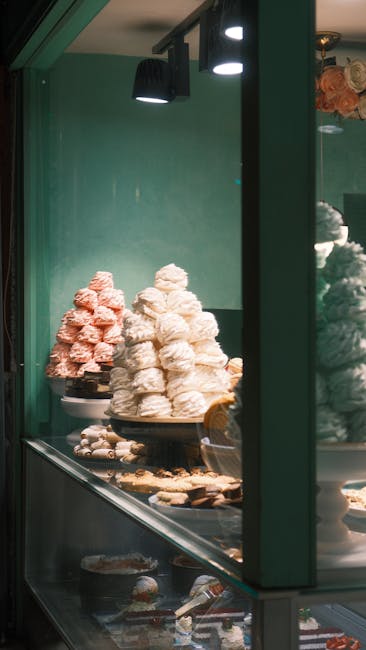
The list of Calabrian « classics » is long, but some names come up everywhere: pignolata, pitta ‘mpigliata, bocconotti, susumelle, mostaccioli, cuddrurieddri (or cudduraci), and zeppole. Below is a detailed look at the most emblematic ones— their history, taste and how to enjoy them.
Pignolata (or pignolata glassata)
Pignolata is a sweet from southern Italy, often made for celebrations. There are two main versions: pignolata secca, a cluster of small fried dough balls bound with honey, and pignolata glassata, coated in a chocolate-and-sugar glaze. Texture: crunchy at first, then tender thanks to the honey or chocolate. Flavor: caramelized notes, sometimes scented with vanilla or orange zest. Best enjoyed with a short espresso. Indicative price: €3.50–€6.00 per individual portion.
Pitta ‘mpigliata
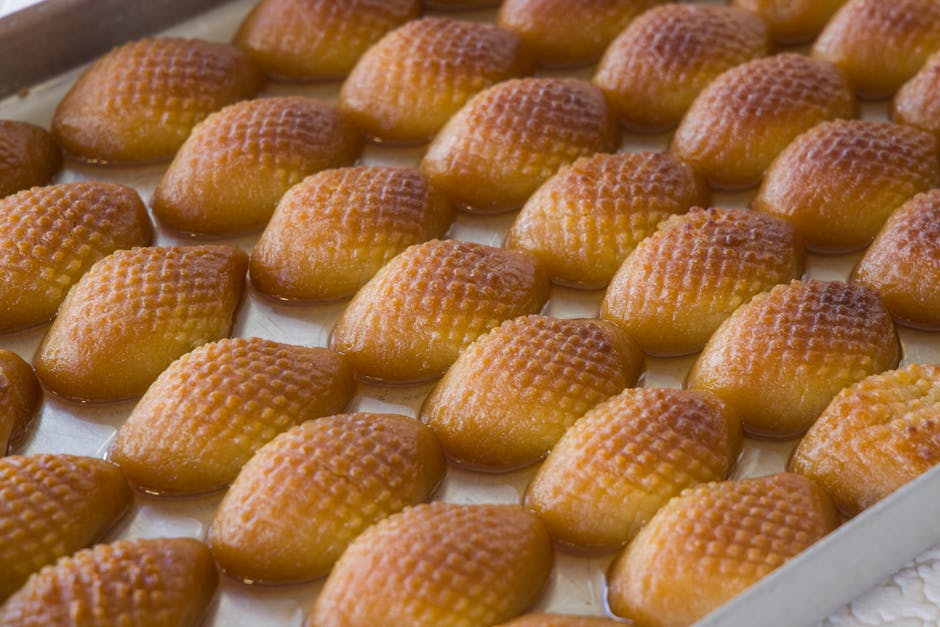
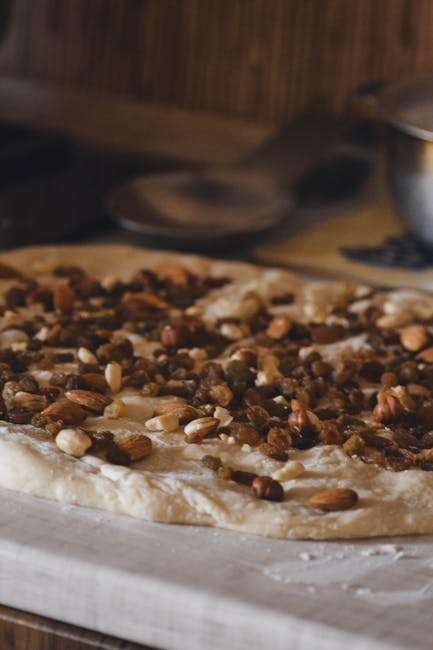
Typically Calabrian, pitta ‘mpigliata (literally « caught pastry ») is a layered cake filled with walnuts, raisins, honey, spices (cinnamon, cloves) and sometimes reduced wine. It’s a festive dessert, especially at Christmas. Texture: tender and slightly sticky inside, crisp on the outside. Flavor: rich and spiced, with a strong presence of honey and nuts. Indicative price: €12.00–€20.00 for a large family pitta (1 kg), €2.50–€4.00 per slice.
Bocconotto and bocconotti
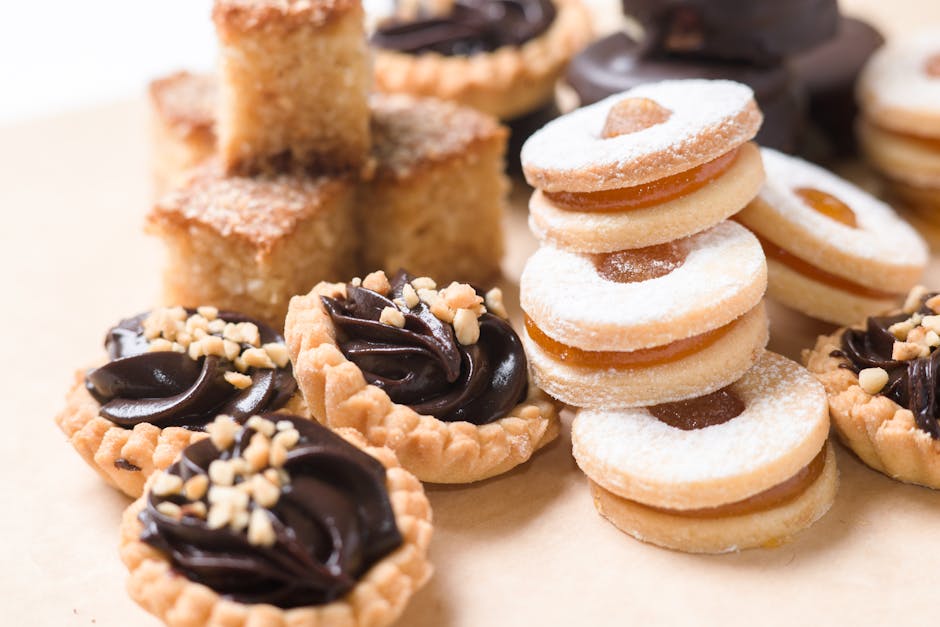
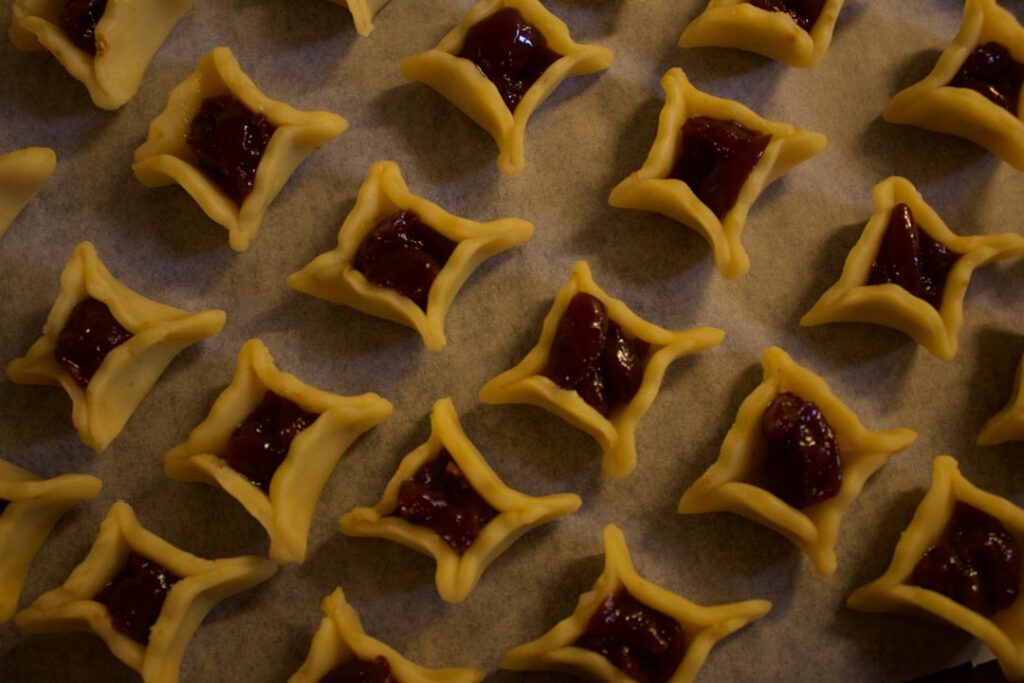
Bocconotti are small shortcrust tarts filled with jam (blueberry, fig), almond cream or chocolate. Sometimes dusted with powdered sugar, they’re found everywhere from artisan pastry shops to local markets. Texture: crumbly, melting in the mouth. Flavor: sweet and well-balanced. Indicative price: €1.00–€2.50 each.
Susumelle and mostaccioli
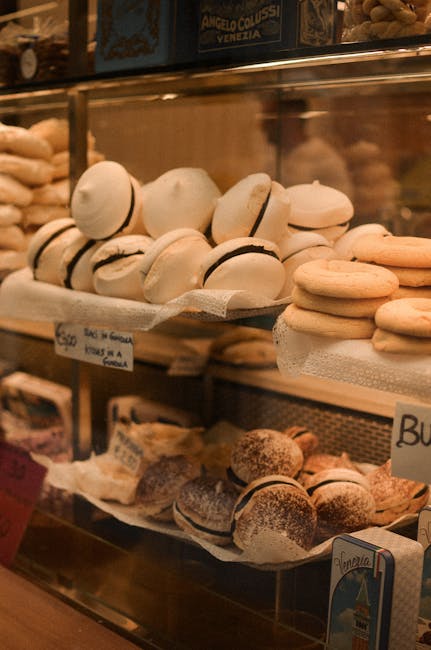
Essential at Easter and Christmas, susumelle are spiced biscuits often dipped in reduced wine or flavored with honey and spices. Mostaccioli resemble dense chocolate-and-nut biscuits, sometimes cut into diamond shapes. Texture: firm or tender depending on the recipe. Flavor: chocolate, honey, cinnamon and clove. Indicative price: €8.00–€15.00 for a 300 g box.
Cuddrurieddri (Cudduraci) and zeppole
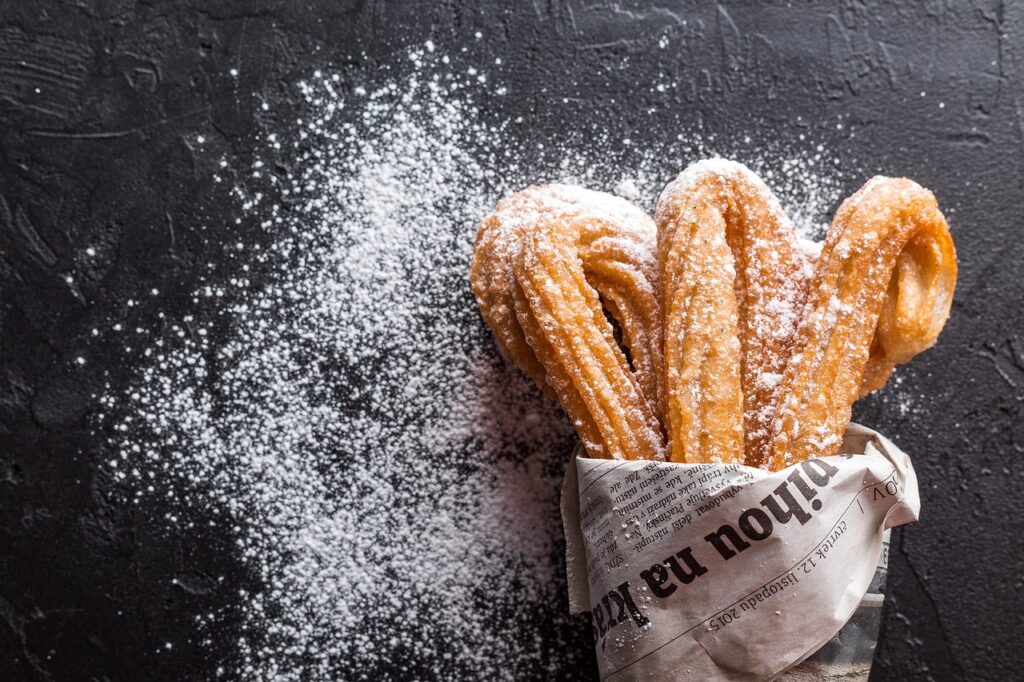
Cuddrurieddri (sweet braided breads) and zeppole (fritters) are eaten during religious festivals: Christmas, St. Lucia’s day and various patron saint celebrations. Often flavored with wine, anise or citrus zest, they can be fried or baked. Try them at a village festa with a sweet local wine. Indicative price: €1.50–€3.00 each.
Must-visit addresses: where to taste the best sweets by town
Calabria is spread across several provinces; here’s a curated selection of bakeries and pastry labs recommended by locals and savvy travelers. For each spot: full name, exact address, usual opening hours, average prices and an immersive description of the place and its products.
Reggio Calabria — Pasticceria Gelateria Rinaldi
Pasticceria Gelateria Rinaldi
Address: Via San Giovanni, 11, 89125 Reggio Calabria RC, Italy
Opening hours: Monday–Saturday 07:00–13:00 / 16:00–20:30, Sunday 08:00–13:30
Prices: espresso €1.10, cannolo €2.20, slice of pitta ‘mpigliata €3.50
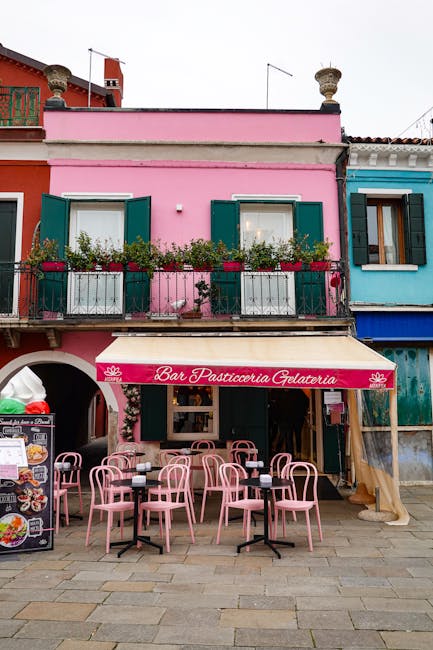
Description: Located near the lungomare Falcomatà, this family-run pastry and gelato shop offers a display of ricotta-filled cannoli, bocconotti with local jams and a house pignolata scented with orange. The place is bright with a few tables to enjoy sweets overlooking the sea. Local tip: ask for the fresh ricotta of the day — it makes the cannoli stand out.
Tropea — Pasticceria Il Gran Gelato
Pasticceria Il Gran Gelato
Address: Corso Vittorio Emanuele, 65, 89861 Tropea VV, Italy
Opening hours: daily 08:00–23:00 (high season), off-season 09:00–20:00
Prices: granita €2.50, bocconotto €1.80, citrus tart €3.00
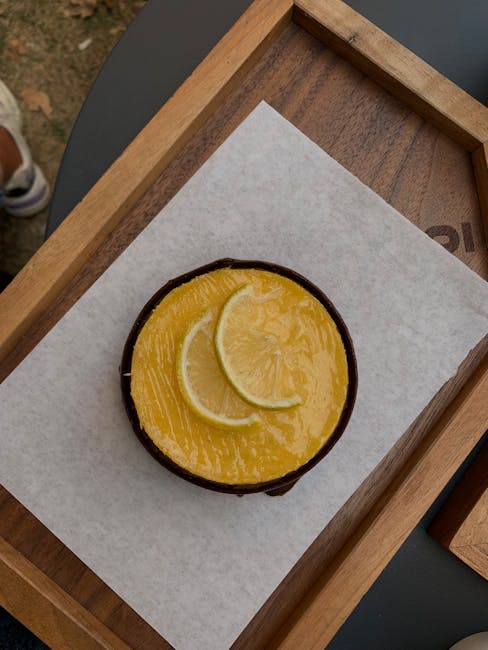
Description: Just steps from Tropea’s cathedral, this pastry shop is famous for lemon and bergamot creations. The coastal citrus fruits of Calabria shine in tarts and hand-shaped marzipan. Tourist atmosphere but genuine artisanal quality. Tip: buy small packs of marzipan sweets to enjoy as a post-dinner sweet bite.
Cosenza — Pasticceria Scarpino
Pasticceria Scarpino
Address: Via Guglielmo Marconi, 22, 87100 Cosenza CS, Italy
Opening hours: Tuesday–Sunday 07:30–13:00 / 15:30–20:00, closed Monday
Prices: susumella €1.50, mostacciolo €2.00, coffee + pastry €3.50
Description: Located in the historic center, Scarpino is recommended for its traditional biscuits and almond-based cakes. The shop is small and often busy in the morning. The pastry chefs are happy to talk recipes and tips. Local tip: arrive early for the day’s fresh pastries, made in small batches.
Catanzaro — Pasticceria Lo Zio
Pasticceria Lo Zio
Address: Viale Crotone, 45, 88100 Catanzaro CZ, Italy
Opening hours: 07:00–20:00 daily, closed 13:30–15:30 on Sunday
Prices: pignolata (portion) €3.80, bocconotti €2.00, family dessert €15.00
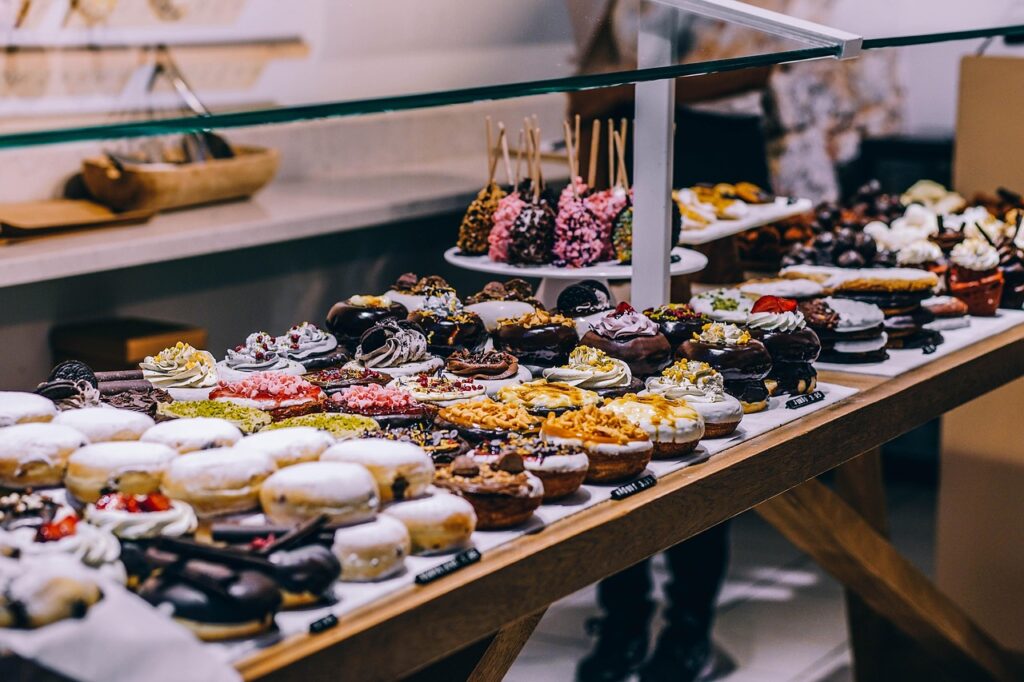
Description: Lo Zio blends tradition and modernity: classic displays and contemporary creations made with local products — figs, honey and almonds. Great for buying takeaway boxes. Tip: try the bocconotto « alla ricotta » version, typical of the area.
Scilla and Chianalea — Pasticceria La Scialuppa
Pasticceria La Scialuppa
Address: Via Nazionale, 12, 89058 Scilla RC, Italy (Chianalea neighborhood)
Opening hours: 08:00–22:00 in season, off-season 09:00–19:00
Prices: zeppole €2.00, lemon biscotti €1.20, coffee €1.00
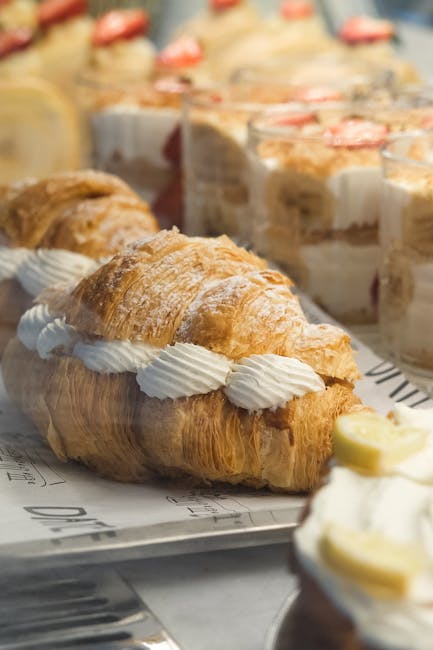
Description: Nestled in the fishermen’s village of Chianalea, La Scialuppa offers simple, sea-scented treats — dry lemon biscuits, light fritters and olive-oil-based pastries. Perfect to enjoy while wandering the alleys facing the sea. Tip: buy dry biscuits to take on a boat stroll.
Buying, storing and bringing home Calabrian sweets: practical tips
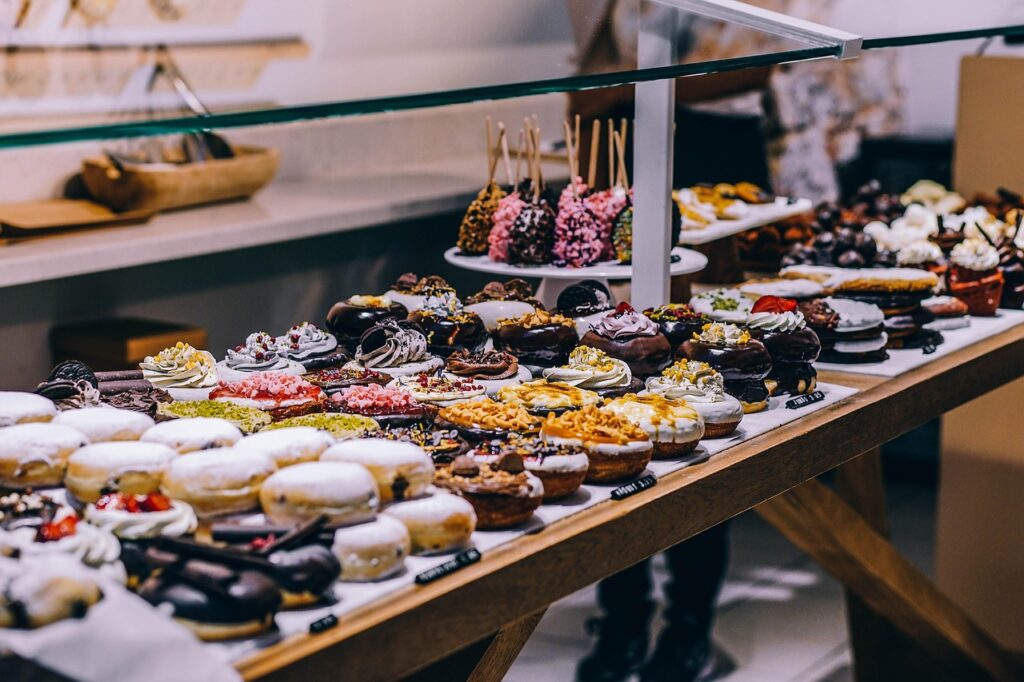
Buying sweets in Calabria means knowing shelf life, the best ways to pack them and how to transport them without compromising taste or texture. Here are detailed tips for keeping fresh products, which items to favor for travel and how to ask for packaging in Italian.
Shelf life and packaging
- Highly perishable items (fresh ricotta cannoli, cream-filled cakes): consume the same day or within 24 hours. For transport, insist on an insulated box and avoid heat — carry them in cabin luggage for short flights.
- Semi-perishable items (pignolata, bocconotti, mostaccioli): can last 3–7 days depending on humidity. Ask for airtight packaging or a biscuit tin (scatola per biscotti).
- Dry products (dry biscotti, dry marzipan): good shelf life (10–20 days) if vacuum-packed; perfect for bringing in checked luggage.
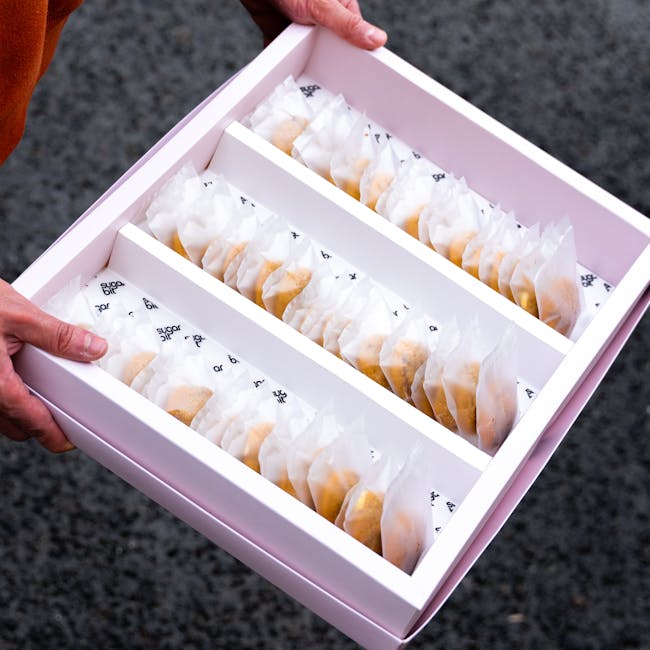
In Italian, ask: « Può metterlo in una scatola per dolci? » (Can you put it in a pastry box?) or « Confezione sottovuoto, per favore? » (Vacuum packaging, please?). Some pastry labs offer precooked versions for travel or gift boxes (confezione regalo) with humidity protection.
Air travel and customs
For air travel, favor dry, airtight sweets. Check airline policies for food items; generally, dry products in cabin luggage are fine. Within the EU there are no customs formalities for non-commercial food items, but avoid products with a lot of liquid (unsealed creams or jams) if you’re going through security checks.
Tips to spot authenticity
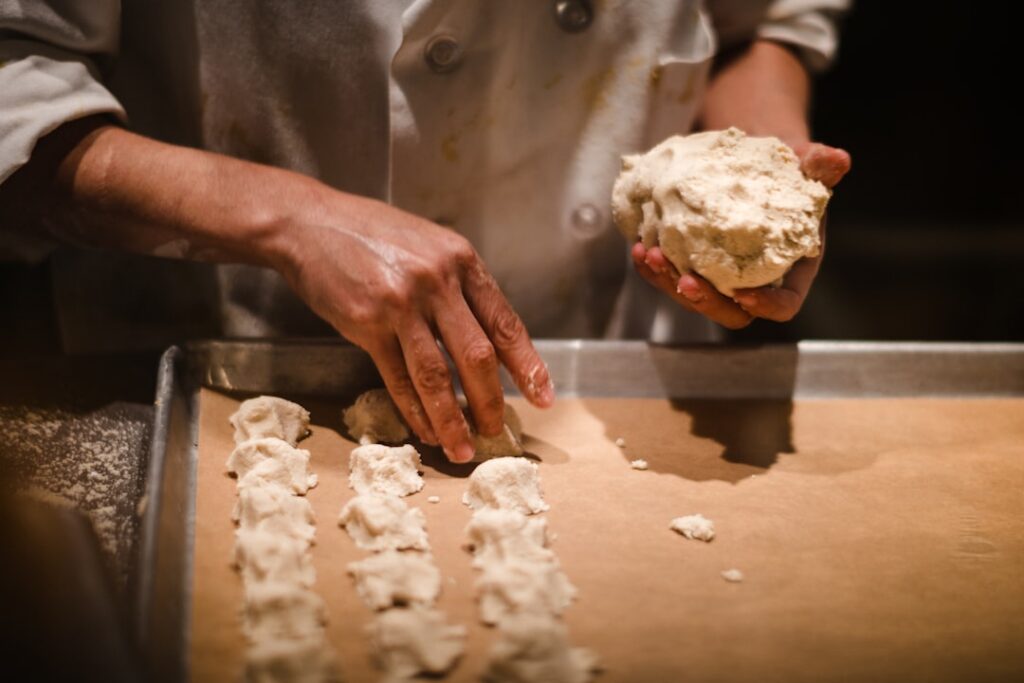
- Choose pastry shops with a visible workshop (laboratorio): you’ll see dough, almonds and jams being worked on.
- Ask for the pastries of the day: « I dolci del giorno? » — artisan pastries are made in small quantities.
- Read ingredient labels: authenticity often shows in simplicity: almonds, honey, lemon, olive oil, few additives.
- Talk to the bakers/pastry chefs: asking where the almonds or honey come from usually gets you a proud, detailed answer.
Simple home recipes and local variations
If you want to try making some dolci calabresi at home, here are two simplified, adaptable recipes followed by regional variations. The recipes favor accessible ingredients and steps you can do without professional equipment.
Simple recipe: jam-filled bocconotti
- Ingredients: 300 g flour, 150 g butter, 100 g sugar, 1 egg, a pinch of salt, 150 g jam (fig or blueberry).
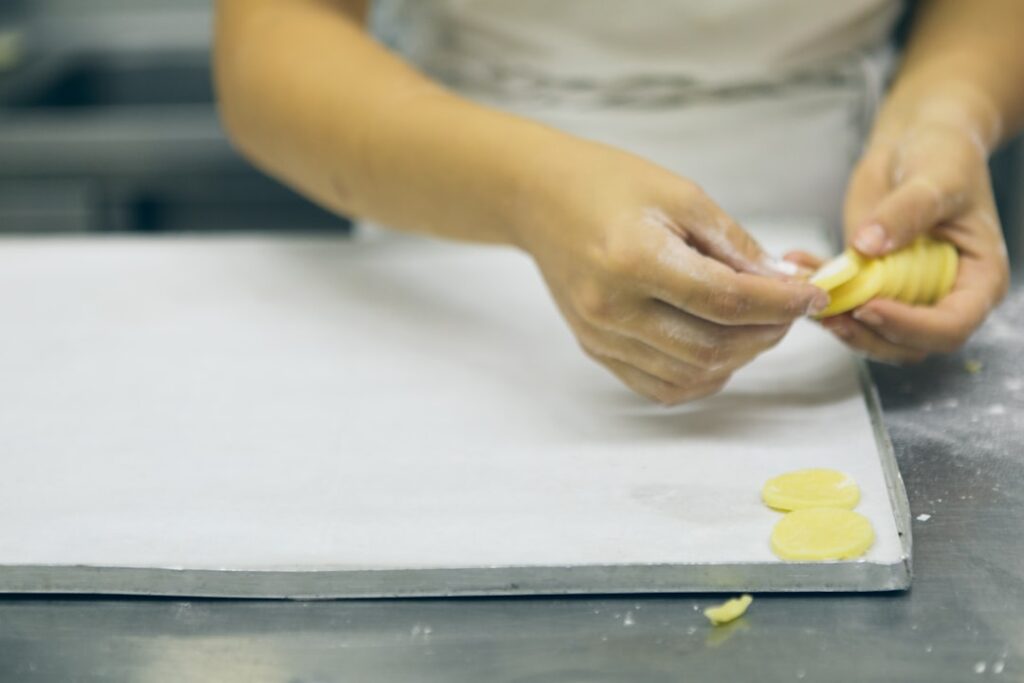
- Preparation: Cream the butter and sugar, add the egg, then the flour and salt. Chill 30 minutes. Roll out the dough, cut circles, place a spoonful of jam, cover with another circle, seal edges and bake 15–20 minutes at 180°C until golden. Dust with powdered sugar.
- Tip: swap the jam for almond cream for a richer version.
Simple recipe: honey pignolata
- Ingredients: 250 g flour, 2 eggs, 50 g sugar, 50 g melted butter, orange zest, frying oil, 200 g honey, pine nuts to decorate.
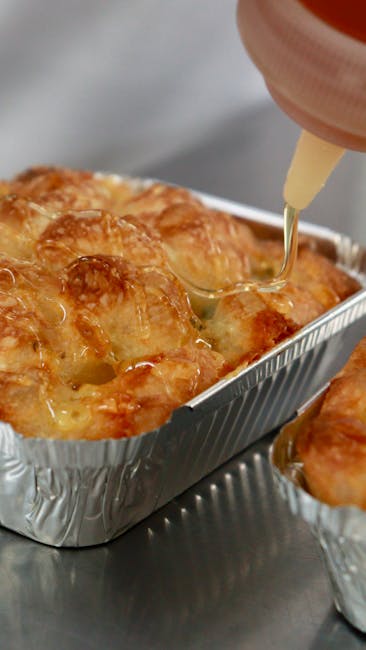
- Preparation: Make a soft dough with flour, eggs, sugar and butter. Roll into small balls, fry at 170°C until golden, drain. Heat the honey with a bit of zest, coat the balls and assemble into a dome. Decorate with pine nuts.
- Tip: for a lighter version, bake at 180°C and lightly drizzle with honey.
These recipes give a taste of Calabrian tradition. Local ingredients like Sila honey, almonds from the Locride or Tropea lemons add an extra touch. When possible, buy Italian raw materials for greater authenticity: strawberry-tree (arbousier) honey, fig jam, extra virgin olive oil.
Conclusion — Tasting Calabria: a journey through pastry
Calabria tells its story by mouth. Its dolci — pignolata, pitta ‘mpigliata, bocconotti, susumelle, cuddrurieddri, zeppole — are cultural tales: religious feasts, weddings, everyday life in the borgos and along the coasts. This guide presented the classics and concrete addresses in key towns (Reggio Calabria, Tropea, Cosenza, Catanzaro, Scilla), with exact addresses, approximate opening hours and price ranges to help plan your sweet itinerary.
Key practical tips to remember: favor artisan pastry shops with a visible workshop, eat fresh products quickly, protect purchases with vacuum packaging for travel, and don’t hesitate to talk to pastry chefs — they’re often proud to share a recipe’s story or where their almonds come from. For travelers, bringing home dry bocconotti, marzipan or boxes of mostaccioli is a great way to extend your Calabrian discovery at home.
Finally, the best way to enjoy these treats is to slow down: a morning coffee with a biscotto in a sunny square, a slice of pitta ‘mpigliata shared with family, or a zeppola bought at a village festival. These simple moments, rooted in local habits, will let you experience Calabria in an authentic and memorable way. Safe travels — and above all, buon appetito!