





Introduction — The Forgotten Gorges of Inland Calabria: A Call to Adventure
Deep in Calabria, where the sea fades and the mountains reclaim the land, lie landscapes that few international travel routes truly know: narrow gorges, river-carved canyons, stony trails fringed with chestnut and pine. These “forgotten gorges” form a network of hiking and adventure routes scattered across inland Calabria — mainly in the Parco Nazionale del Pollino and the ranges of the provinces of Cosenza and Crotone — offering an immersive experience in wild, sometimes untamable, often silent nature.
This guide is for the curious hiker, the cautious trekker, and lovers of authentic scenery: it aims to detail several accessible gorges, give precise starting points, list prices and opening hours for services (guided tours, visitor centers, parking), and offer practical local tips to plan your route. You’ll also find gear recommendations, safety advice for canyoning or water hikes, and suggestions for extending your stay in stone villages that feel frozen in another century.
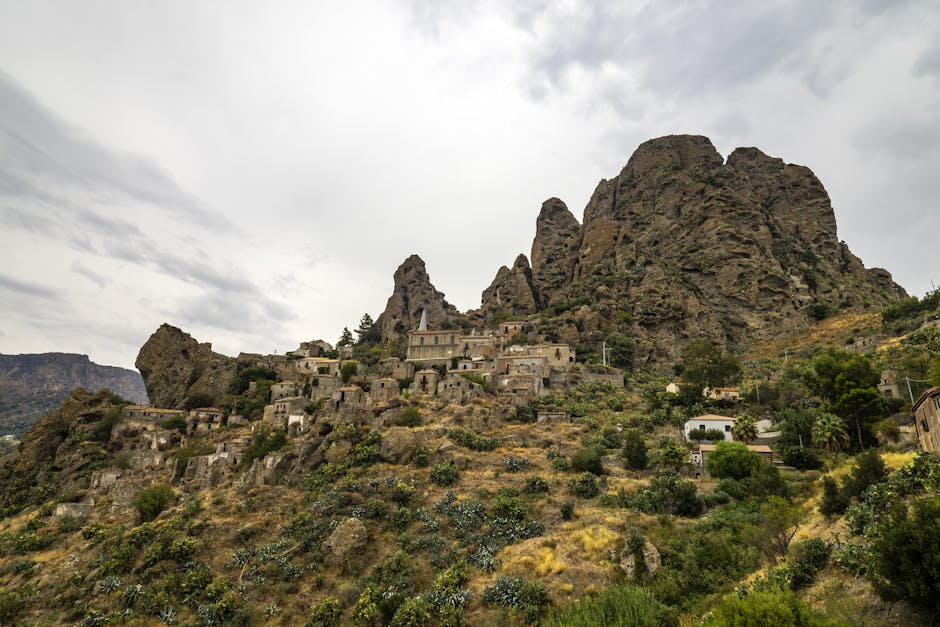
What makes inland Calabria special is its cultural density: hamlets like Civita, Frascineto, San Lorenzo Bellizzi, and Morano Calabro act as gateways to these gorges. They host refuges, local guides and, above all, a mountain cuisine — cured meats, goat cheeses, homemade bread — perfect after a long day on the rocks. Trails are often well-marked but include technical sections: exposed rock passages, stream crossings, scree. Weather can change fast; checking local information centers before you set out is essential.
This guide lays out main routes and lesser-known alternatives, contact details for visitor offices and welcome points, indicative prices for guides and activities, plus practical tips — when to go, what kit to bring, which offline mapping apps to use, and how to respect these fragile environments. Lace up sturdy hiking boots, pack a small first-aid kit, and bring your curiosity: the forgotten gorges of inland Calabria deserve a respectful, well-planned exploration.
Raganello Gorge and Pollino National Park — route, access and practical tips
The Gole del Raganello are among Calabria’s most spectacular river canyons, located in the northern sector of the Parco Nazionale del Pollino. Main access points are Frascineto (Municipio di Frascineto — Piazza Vittorio Emanuele, 3, 87010 Frascineto CS) or San Lorenzo Bellizzi (Piazza Municipio, 87010 San Lorenzo Bellizzi CS). The most frequented trail starts from the hamlet “Contrada Vaccarizzo / Loc. San Sisti”; to reach it follow the SP179 from Frascineto towards San Lorenzo Bellizzi. GPS coordinates for the main parking are approximately: 39.9961 N, 16.3898 E.
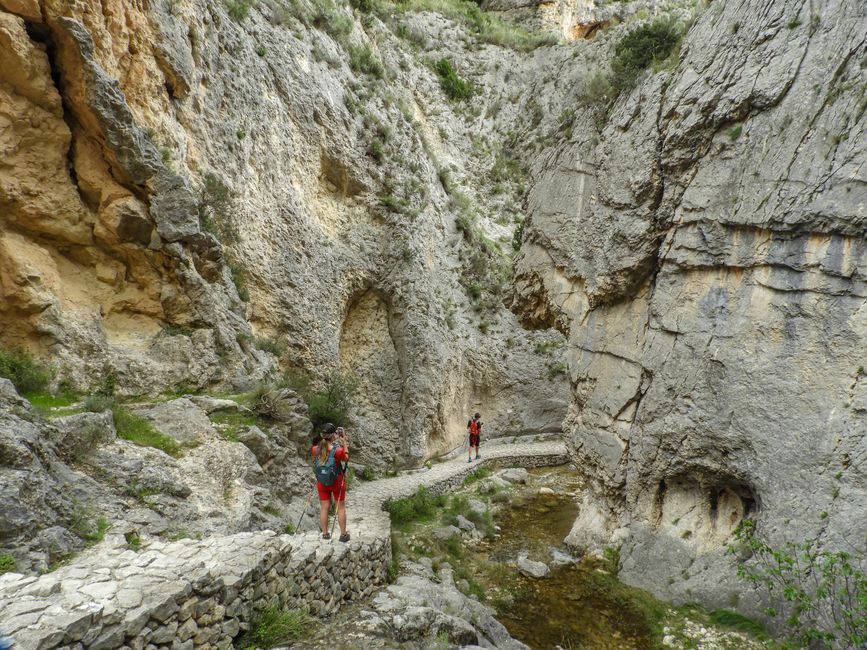
Hours and access: the canyon is reachable year-round, but the best window is April through October. The park itself does not charge an entrance fee: access is free. However, parking at the main lot may be subject to seasonal fees (roughly €3–5 per vehicle in high season). Guided excursions are strongly recommended for technical sections (via ferrata, slippery passages): typical guide rates — around €35–60 per person for a half-day (4 hours) and €60–120 for a full day, often including basic equipment (helmet, harness for canyoning when needed).
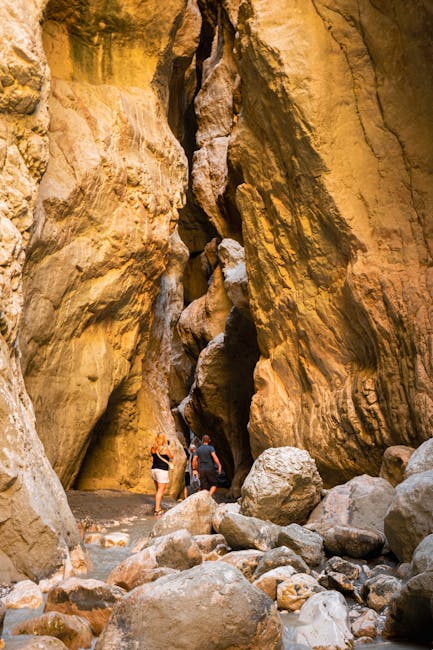
Route description: the standard path follows the gorge alternating higher trails with water-level passages. Limestone walls, sometimes tens of meters high, create dramatic light-and-shadow scenes ideal for photos. Bring trekking poles for the descent, grippy-soled boots, and a change of clothes if you plan to cross wet sections. After rain the river can swell quickly: don’t attempt crossings if the current looks strong.
Local tips: contact the Ufficio Informazioni Turistiche in Frascineto (Via Roma, 2, 87010 Frascineto CS; tel. +39 0981 981xxx — check online) before you go to get current trail conditions. Recommended lodging: B&B “La Vecchia Cucina”, Via S. Francesco, 4, 87010 Frascineto CS — rates ≈ €40–70/night depending on season. For a hearty post-hike meal try the trattoria “Da Gino”, Via Nazionale, 12, 87010 San Lorenzo Bellizzi CS — main courses ≈ €10–18.
The Lao Gorge and Water Crossing — logistics, safety and variations
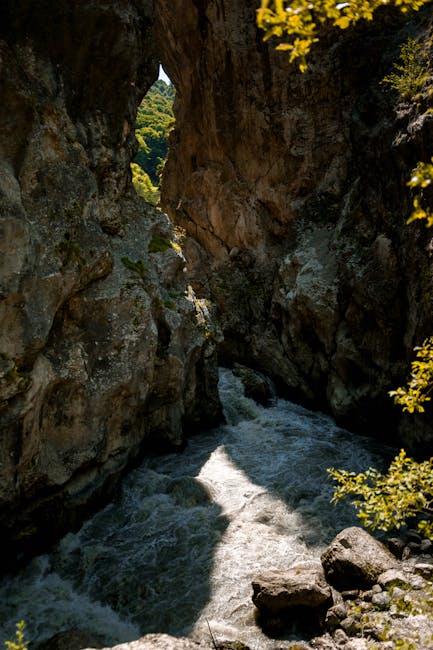
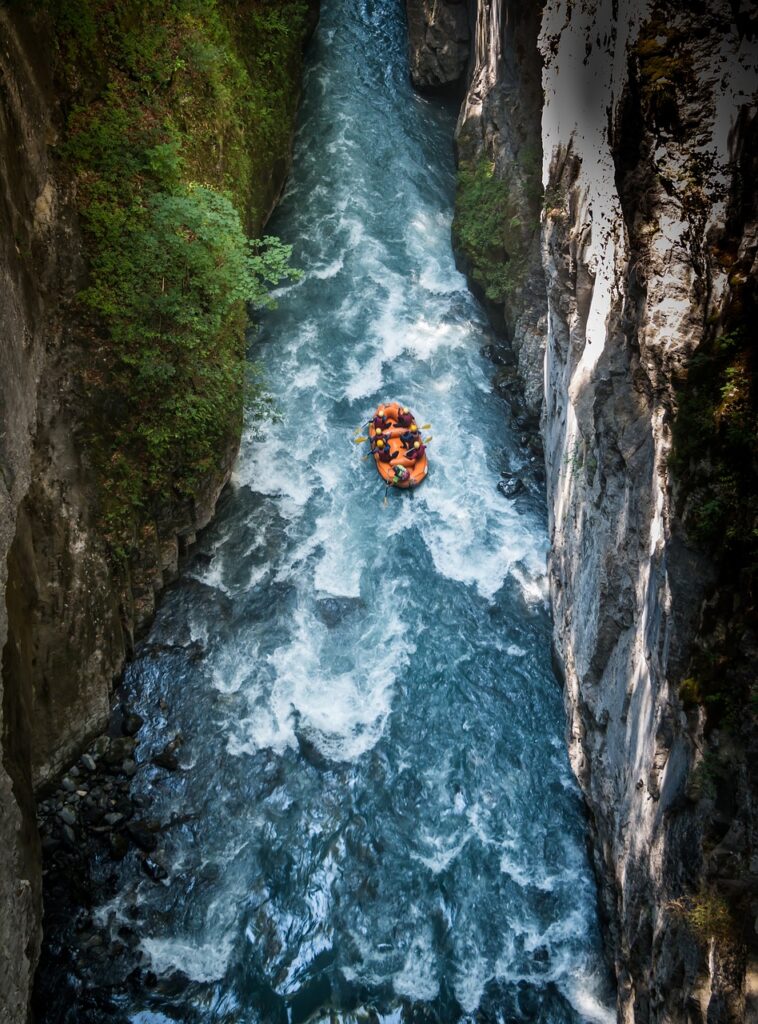
The Gole del Lao, near the border between Basilicata and Calabria, offer a different vibe: a wider gorge where the Lao river has carved pools and basins perfect for swimming — when conditions allow — and for water-hiking activities (hydrospeed, canyoning). Main access is near Tortora (Municipio di Tortora — Piazza Municipio, 1, 87020 Tortora CS) and Morano Calabro (Piazza Municipio, 1, 87016 Morano Calabro CS). Recommended parking: Parcheggio Gole del Lao, SP25, 87020 Tortora CS (approximate fee €2–4/day in summer).
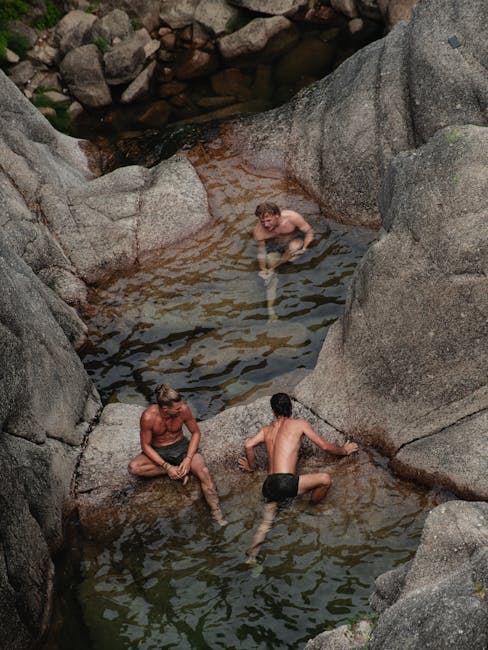
Hours and rates: free access, but for canyoning and water activities several local operators run guided sessions. Indicative prices: guided canyoning €60–90 per person (3–5h), hydrospeed €50–80 (2–3h). These usually include equipment (wetsuit, helmet, buoyancy aid). Operators generally run from May to September; typical departure times: 09:00 and 14:00. In high season book at least 48 hours in advance.
Immersive description: the Lao gorge has emerald-green pools bordered by smooth rock, small cascades and natural slides; Mediterranean vegetation hugs the stone in places, offering shady picnic spots. Riverbeds alternate sand and pebbles; clear water makes swimming safe in shallow areas. Keep away from spots where the current looks strong and follow your guide’s instructions.
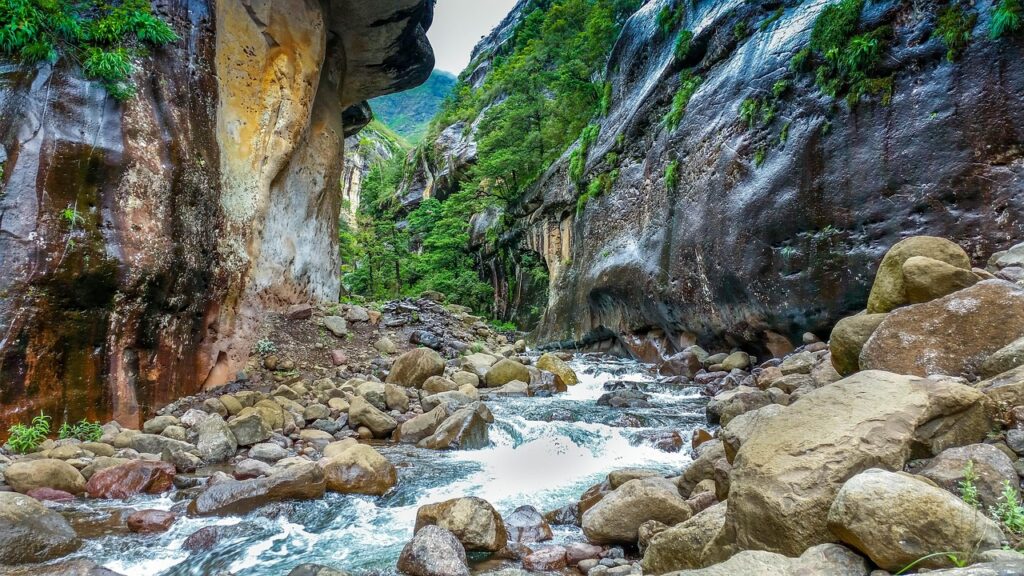
Practical tips: bring a dry bag for documents and a small waterproof pouch for your phone. Pack water (at least 2 L per person) and high-energy snacks. For lodging, Morano Calabro has B&Bs and small hotels: Hotel “Il Castello”, Via del Castello, 5, 87016 Morano Calabro CS — rooms €55–90/night. Local restaurants feature truffle-based dishes and regional products: “Osteria del Centro”, Corso Umberto I, 22, 87016 Morano Calabro CS — dishes €12–20.
Secondary gorges and forgotten trails: Orsomarso, Lorica, and quieter alternatives
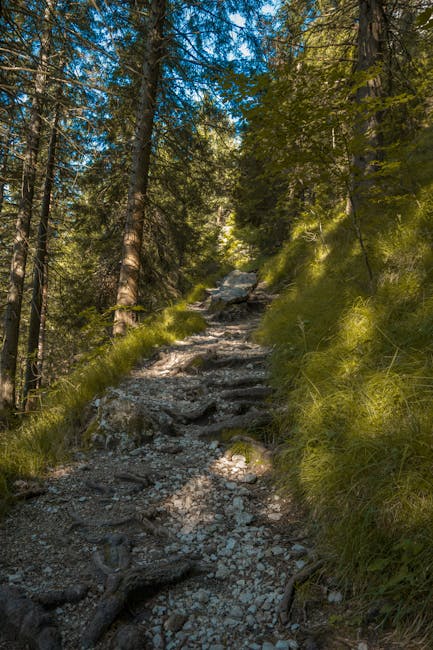
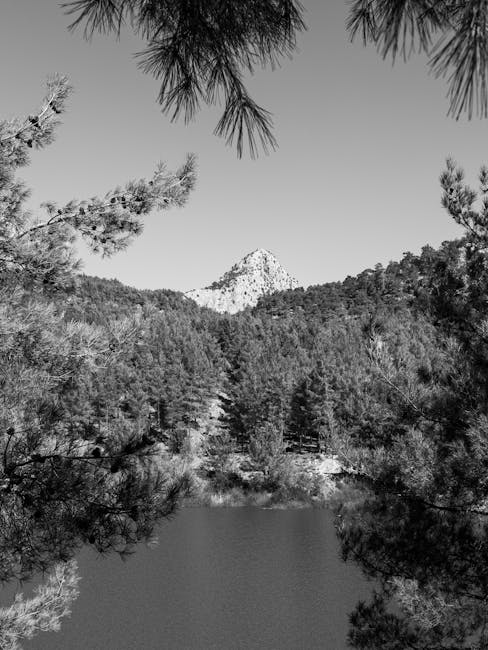
Beyond the two major canyons, inland Calabria hides lesser-known gorges that are just as captivating. The Orsomarso massif contains narrow valleys and water corridors, reachable from the small town of Orsomarso (Piazza Municipio, 87010 Orsomarso CS). Lorica Lake (Provincia di Cosenza — Località Lorica, 87070 San Giovanni in Fiore CS) and its surroundings offer forest trails that drop down to enclosed rivers — ideal for anyone seeking solitude and contemplation.
Access and logistics: these areas are often less serviced, so plan for greater self-sufficiency. Parking is usually free but signage can be minimal. It’s wise to visit the municipal tourist office for maps and info: Ufficio Turistico di San Giovanni in Fiore, Via Roma, 12, 87025 San Giovanni in Fiore CS — typical hours 09:00–13:00 and 16:00–19:00 (closed Monday morning off-season).
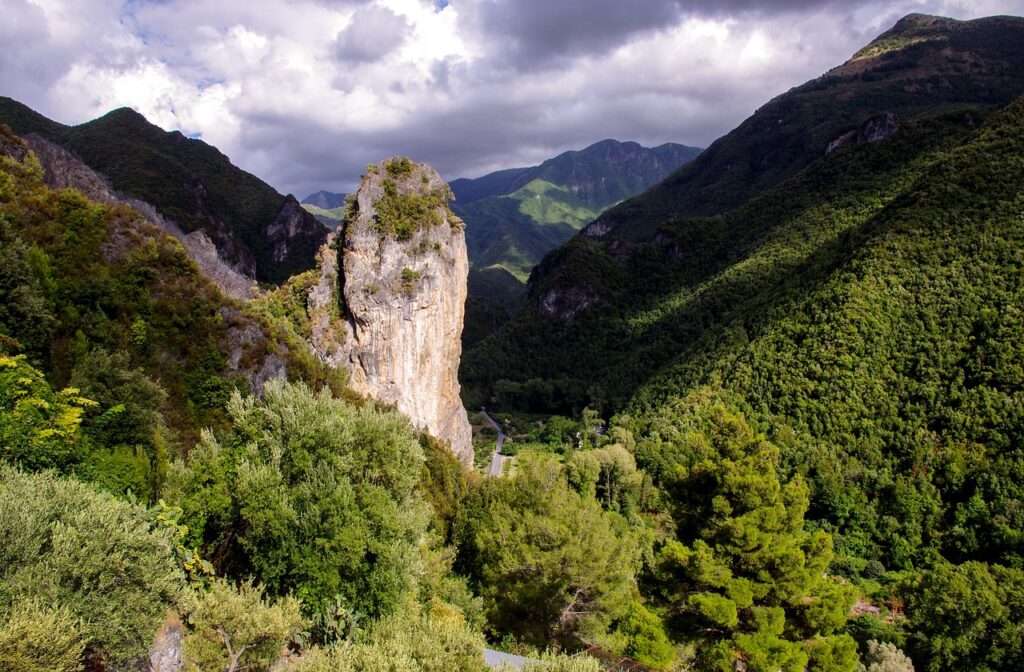
Trail description: expect stony paths, stream crossings, shaded forest sections and natural viewpoints overlooking gorges that are otherwise hard to reach. Wildlife includes raptors (eagles, hawks), wild boar, and a mix of Mediterranean and mountain vegetation. For photographers, morning and late-afternoon light reveal striking textures and contrasts.
Local advice: tell someone your route if you go alone and carry a paper map and compass. Local guides typically charge €30–50 for a half-day accompaniment. For food, favor small village trattorias where a €12–18 menu often delivers traditional dishes and generous portions. Finally, follow the rules: no fires, no littering, no plant collecting.
Recommended gear, safety and environmental respect
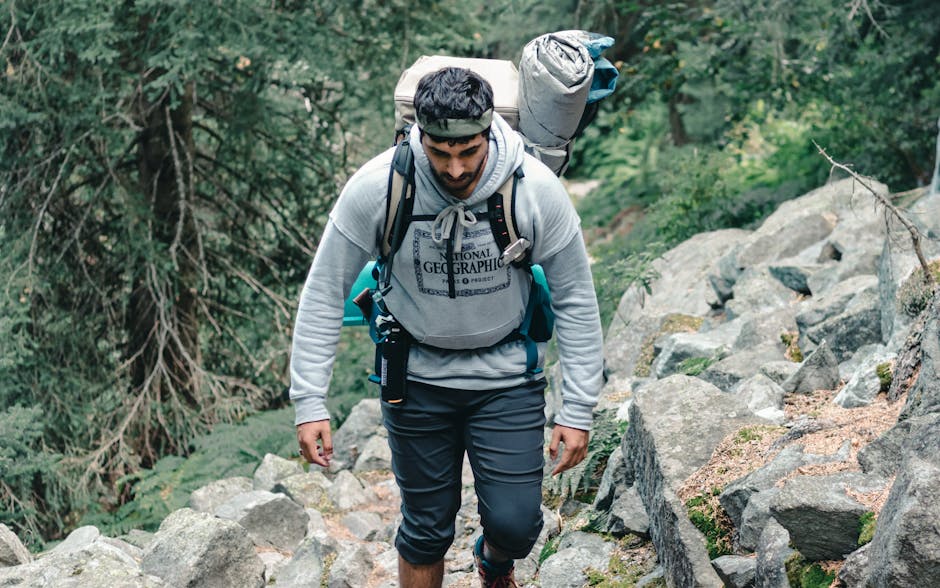
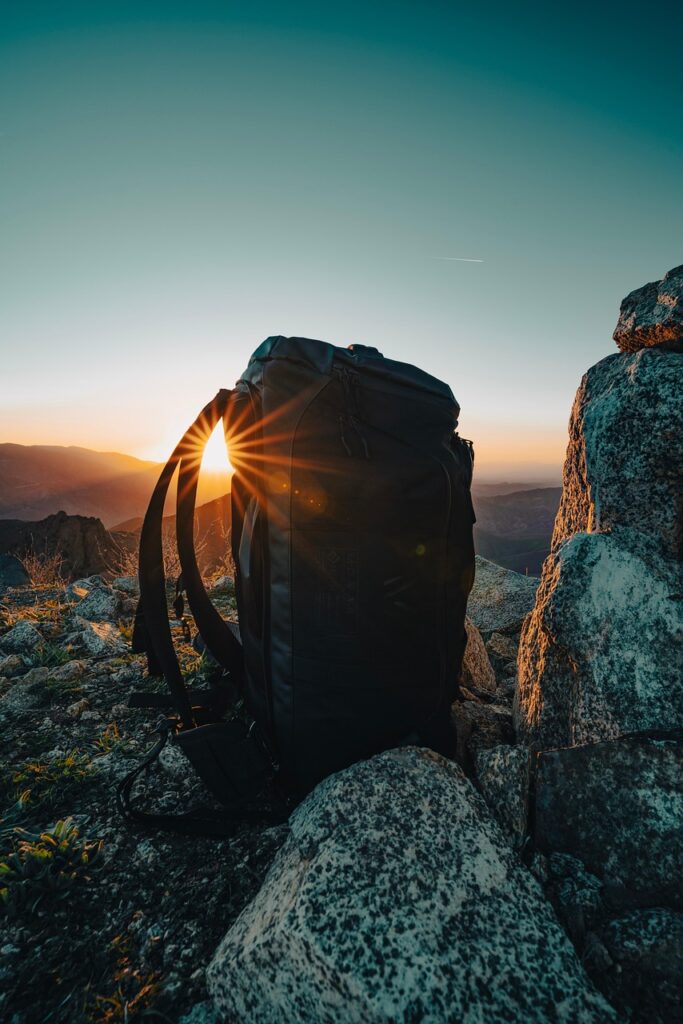
Before entering these gorges make sure you’re properly equipped. Essentials: ankle-supporting hiking boots with lugged soles, telescopic poles, waterproof and windproof jacket, personal first-aid kit, headlamp (in case you’re delayed), and plenty of water. For water routes: a neoprene suit (if supplied by the operator), helmet, approved buoyancy vest, and non-slip water shoes. Also pack a safety whistle and an emergency foil blanket.
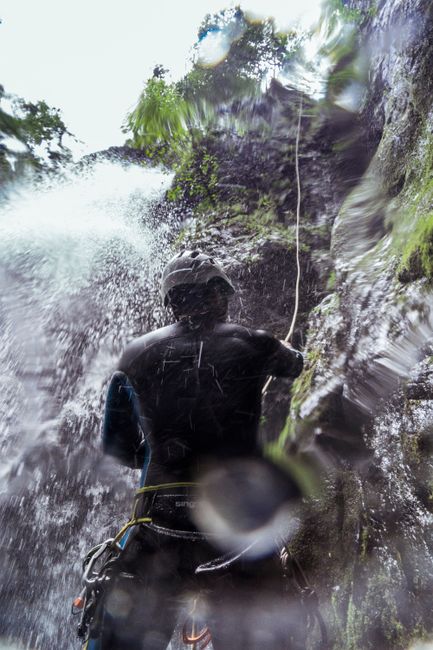
Practical safety: check the weather the day before and the morning of your departure (recommended sites: MeteoAM or ARPA Calabria). Avoid gorges after heavy rains — flash floods and sudden river rises are real hazards. If you hike without a guide, leave your itinerary with your accommodation and allow generous time margins. Emergency services (118) cover the area, but access can be slow: external help may take time to arrive. Local guides know the most dangerous spots and alternative routes.
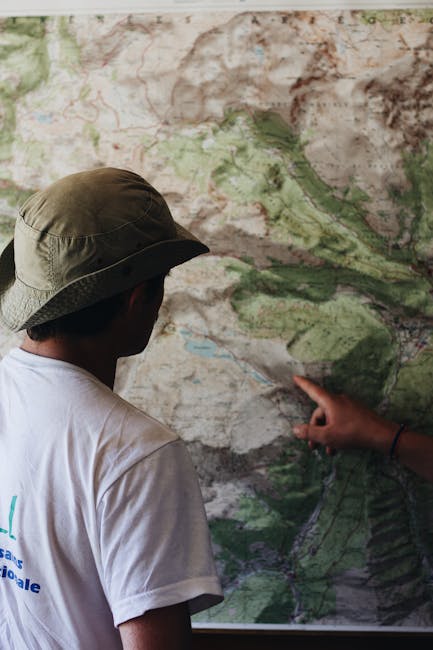
Respecting the environment: inland Calabria hosts fragile species and habitats. Stay on marked trails, don’t pick plants, and pack out all your trash. Avoid loud groups and respect the peace of shepherds and animals. Good practices ensure these “forgotten” gorges remain wild for future generations.
Conclusion — Prepare Your Adventure Consciously
Exploring the forgotten gorges of inland Calabria is an experience that mixes effort, wonder and responsibility. These karstic and river landscapes offer a wide variety of experiences: technical hikes, water crossings, swims in crystal basins, cliff and natural arch photography, and encounters with a local culture faithful to its traditions. To make the most of your trip, get information from local tourist offices (Frascineto, Morano Calabro, San Giovanni in Fiore, Tortora), book guides for technical routes, and strictly follow safety recommendations.
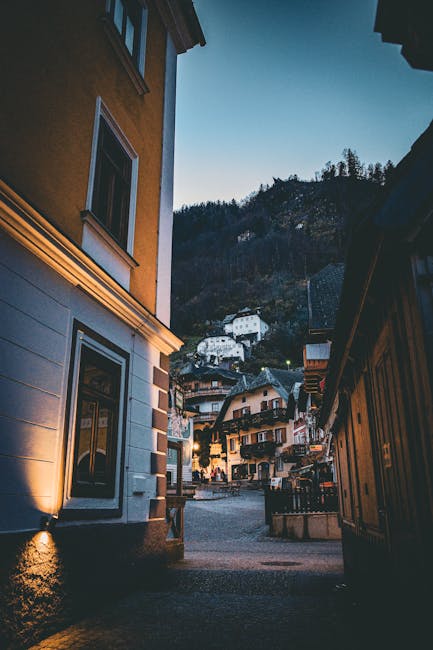
Take time to extend your stay in surrounding villages — Civita, Morano Calabro, Frascineto — where you’ll be welcomed with generous mountain cooking and proud locals. Adopt a sustainable approach: minimize your impact, support local providers (guides, lodgings, restaurants), and report any damage so the gorges remain “forgotten” by the crowds but preserved for nature lovers. Finally, keep curiosity and humility: inland Calabria reveals itself step by step, and every detour can bring a surprise — a hidden waterfall, a secret viewpoint, a family-run inn where time seems to have stood still.