





Introduction
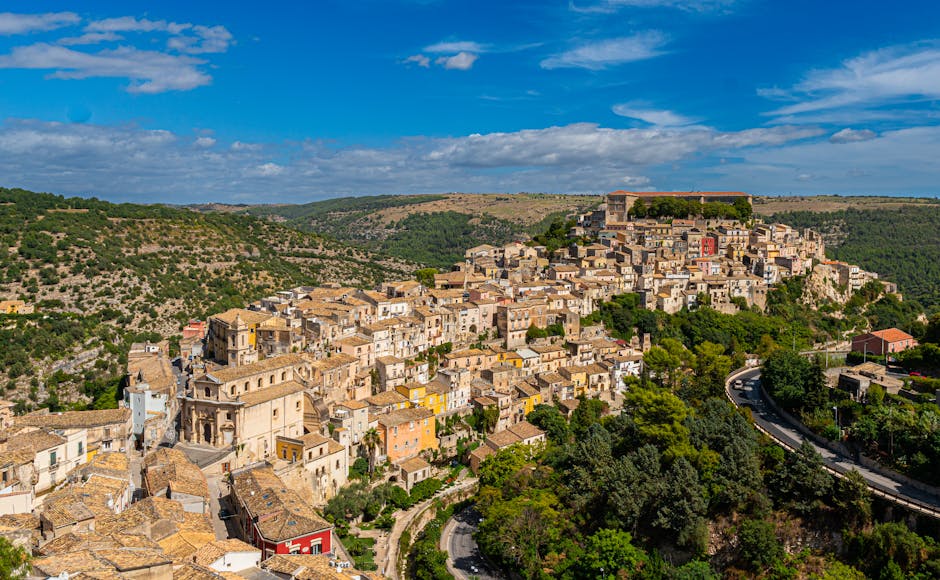
Calabria, that southern tip of Italy often called « the toe of the boot, » is dotted with villages that look like they’ve been lifted straight off a painting. Think Mediterranean blues, ochre façades and cobbled lanes where time seems to slow down. But beyond the glossy clichés, some Calabrian villages truly outshine any postcard: they carry deep stories, distinctive architecture, breath-taking viewpoints and a local life that still feels genuinely lived. This guide takes you through ten of those hamlets — coastal jewels and hilltop borghi alike — with practical details, exact addresses, opening times and prices where available, plus local tips so you can make the most of each stop.
You’ll discover that Calabria is more than a backdrop: it’s a mosaic of cultures (including Arbëreshë Albanian communities), robust culinary traditions, and remarkable historical sites — castles, cathedrals, ancient ruins and fishermen’s quarters. Getting pleasantly lost in narrow alleys, stopping for a granita or a plate of pasta alla ‘nduja, listening to the elders tell sea and mountain legends — that’s the real reward these villages offer.
Each entry below gives the exact place name, an address so you won’t miss your turn, practical opening hours and fees (when a site charges or public times are known), an immersive description to help you picture the scene, and hands-on tips — best visiting times, local dishes to try, transport options and crowd-beating tricks. I’ve also marked key photo spots when a perfect shot is likely, pointing out the angles travelers and photographers chase most often.
Whether you’re a photographer, hiker, foodie or simply seeking calm and authenticity, these ten Calabrian villages invite you to slow down, listen and taste. Lace up your comfiest shoes, check your camera settings and get ready to create your own postcard — this time private, packed with concrete tips and exact addresses so your dream becomes a real itinerary.
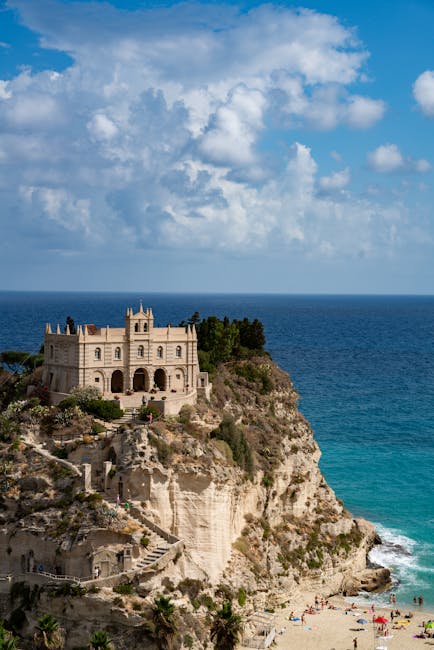
1. Tropea — Santuario di Santa Maria dell’Isola (Piazza Vittorio Veneto, 89861 Tropea VV)
Tropea is the living postcard of Calabria: white cliffs, pristine beaches and a perched historic center. The visual crown jewel is the Santuario di Santa Maria dell’Isola, sitting on a rocky outcrop above the Tyrrhenian Sea. Exact address: Piazza Vittorio Veneto, 89861 Tropea VV. Access to the promontory and the garden around the sanctuary is usually free; the church may be open from 9:00 to 19:00 depending on the season. Outdoors are generally free to visit; a suggested donation of €2–€5 is common if the chapel is accessible.
The viewpoint above La Rotonda beach and the turquoise waters is spectacular at sunset when the ancient façade glows golden. In the centro storico, stroll down Corso Vittorio Emanuele to find craft shops, gelaterie and small trattorie. Don’t miss the local specialty: Tropea red onion — try it in a salad or caramelized.
Practical tips: arrive early to beat the crowds and summer heat; paid parking at « Porta San Michele » parking (Via Gravina, 89861) costs around €1.50 per hour. In high season (June–August) aim for before 10:00 or after 18:00. Many cafés take cards, but carry a few euros for small purchases at artisan stalls.
2. Scilla — Chianalea Quarter and Castello Ruffo (Via Chianalea, 89058 Scilla RC / Via Castello, 89058 Scilla RC)
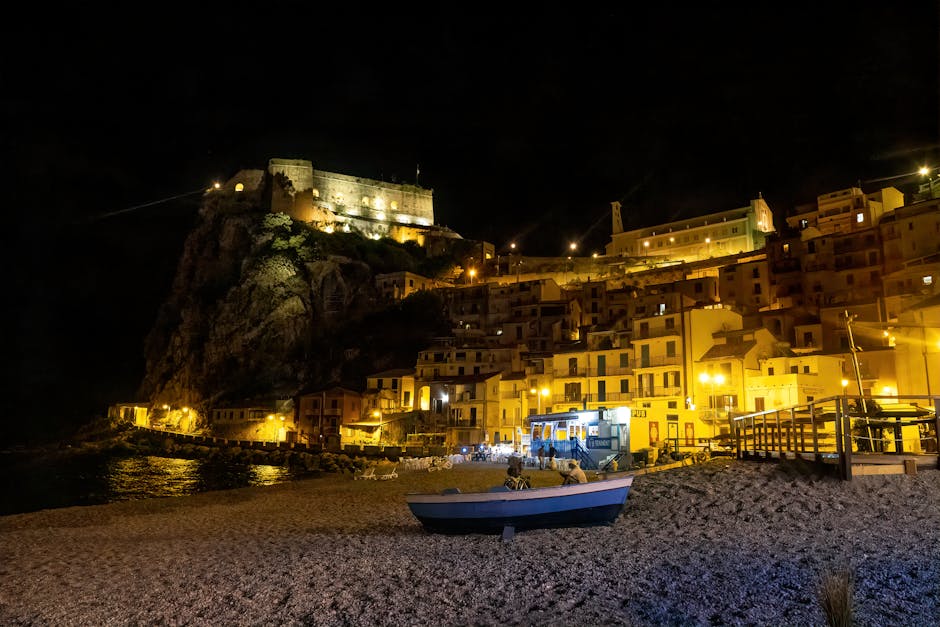
Scilla, perched at the tip of the Strait of Messina, blends legend and fishermen’s scenes in a spellbinding way. The Chianalea neighborhood (Via Chianalea, 89058 Scilla RC) is nicknamed Calabria’s « little Venice »: houses built right at the water’s edge, boats bobbing outside doorways, and restaurants serving freshly caught fish. Wander the main street and get lost in the alleys where the air is full of salt, iodine and the smell of frying.
Castello Ruffo di Scilla, up on the hill (Via Castello, 89058 Scilla RC), overlooks the strait and Sicily. Opening hours are typically 9:30–13:30 and 16:00–19:00 (seasonal variations). Entrance to the castle and terraces costs around €3–€5. The small museum inside opens sporadically — check locally for temporary exhibits.
Practical tips: for best light and quiet, visit Chianalea early in the morning. For lunch, choose one of the waterfront seafood places — try spigola alla griglia (grilled sea bass) or frittura di paranza (mixed small fried fish). If you’re coming by train, Scilla station is below the center, about a 20–30 minute walk uphill; taxis are available at the station but can be scarce in the evenings.
3. Pizzo — Castello Murat and the Tartufo (Piazza della Repubblica, 89812 Pizzo VV)
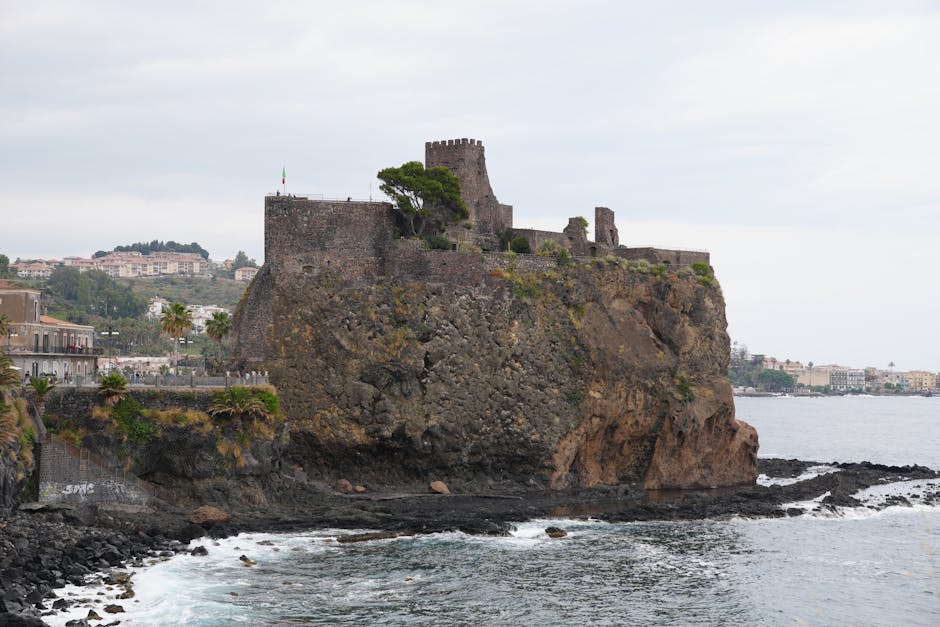
Pizzo mixes seaside charm, Napoleonic history and sweet treats. It’s here that Joachim Murat, Napoleon’s brother-in-law, was arrested and executed in 1815; the Castello Murat (Piazza della Repubblica, 89812 Pizzo VV) commands the bay. Typical opening hours: 10:00–13:00 and 16:00–19:00 (closed Mondays off-season). Admission to the castle/museum runs about €4–€6 depending on exhibitions. The castle hosts temporary exhibitions and seasonal cultural events.
But Pizzo is best known for its tartufo di Pizzo — an artisan ice cream treat filled with cocoa and hazelnut — sold in historic gelaterie around Piazza della Repubblica and Via Umberto I. Enjoy one by the sea, facing the Baia di Pizzo, for a simple unforgettable moment.
Practical tips: the center is pedestrian with stairs — wear good shoes. The gelateria « Bar Tartufo » (Via Umberto I) is a local favorite; expect to pay €3–€6 for a tartufo. Public parking « Parcheggio del Corso » (Via Nazionale) costs around €1 per hour. In high season lines for the tartufo can be 20–30 minutes long.
4. Civita — Arbëreshë Borough and the Belvedere (Piazza Santa Maria, 87010 Civita CS)
Civita, often called the « Balcony of Pollino, » is an Arbëreshë village perched inside Pollino National Park. Central address: Piazza Santa Maria, 87010 Civita CS. Its tight cluster of houses and vaulted passageways give it a timeless air. The viewpoint over the Raganello river and the valley’s rock formations produces dramatic views, especially at sunrise.
Visiting Civita also means hearing a living Albanian dialect and listening to traditional songs still performed today. Religious festivals with processions and traditional costumes are highlights — check the local liturgical calendar. The village itself is free to explore; a few museums or temporary exhibits may charge a small fee, usually €2–€4.
Practical tips: the access road (SP239) is winding — a car or local bus is recommended, but drive with care. Hiking the Raganello gorge (Gole del Raganello) is a must: bring hiking shoes, water, and start early. For a typical meal, order pecora alla braciola (roast lamb) or homemade pasta at family-run trattorie in the centro.
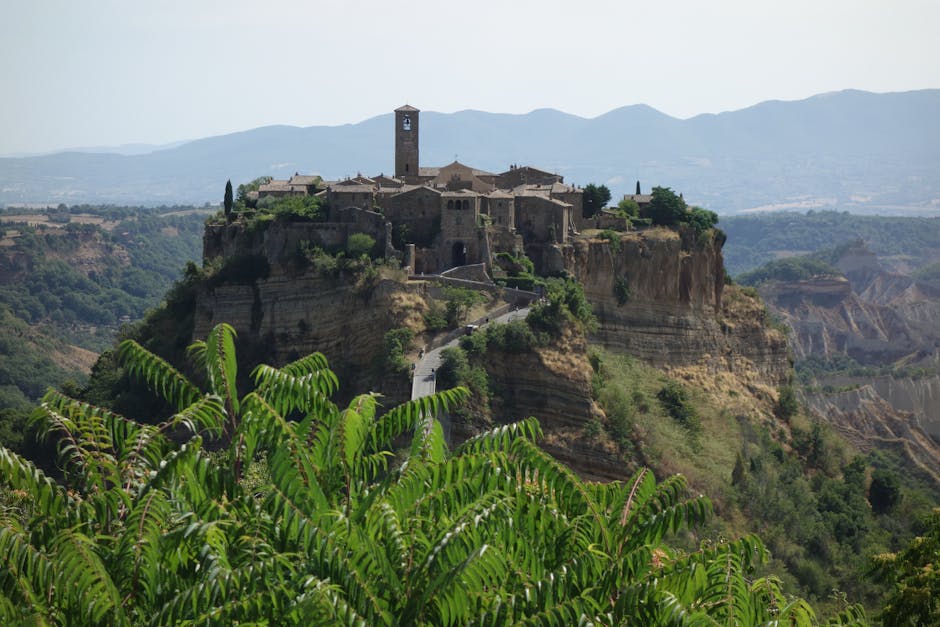
5. Gerace — Duomo di Gerace and the Medieval Center (Piazza Duomo, 89040 Gerace RC)
Gerace is a fortified town atop a hill in the Stilaro Valley, often named among Italy’s most beautiful villages. The Duomo di Gerace (Piazza Duomo, 89040 Gerace RC) is a superb example of Norman-Gothic architecture; opening hours: 9:00–12:00 and 15:00–18:00 in season (varying). Entry may cost €3–€5 when it includes access to diocesan museums and crypts.
The ramparts offer panoramic views across the Ionian plain to the sea. Wander the granite lanes, discover small craft shops and altitude cafés. The quiet can be striking, punctuated by bells and conversations in the local dialect.
Practical tips: Gerace is best visited in the late afternoon for soft light and pleasant temperatures. If driving, park at Piazzale Margherita and walk up. Try local specialties like pasta e ceci (pasta with chickpeas) or desserts sweetened with local wildflower honey. Steps and cobbles can be slippery — wear sturdy shoes.
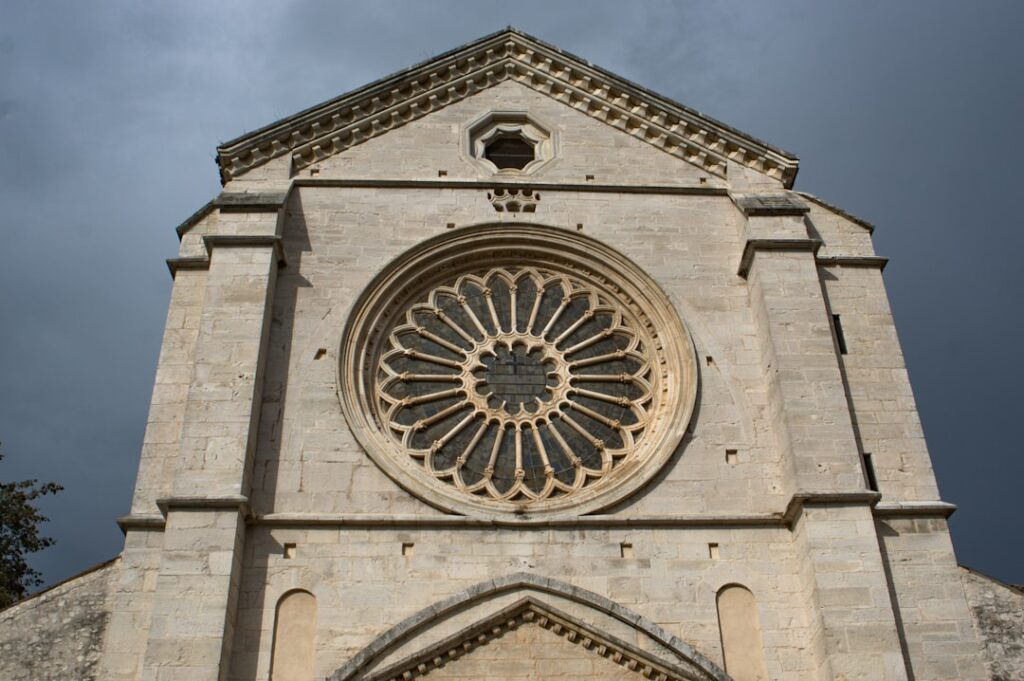
6. Pentedattilo — The Ghost Village and the Cliff (Via Castello, 89060 Pentedattilo RC)
Pentedattilo, named for the five-fingered silhouette of its cliff, is a semi-abandoned village that has become a hub for art and events. Main access: Via Castello, 89060 Pentedattilo RC. Visiting the borgo is free; some cultural installations or guided tours during festivals may ask for a €3–€10 contribution.
The atmosphere here is unique: ruined houses hosting contemporary art exhibitions, and a sweeping view over the plain and sea. Photographers love the textures and dramatic light. In summertime, the village sometimes comes alive with theater evenings and music festivals.
Practical tips: Pentedattilo is fragile and undergoing partial restoration — respect restricted areas. Road access is via Melito di Porto Salvo and parking is limited — consider combining the visit with a hike from Melito. Bring water and sun protection; there are few businesses open continuously.
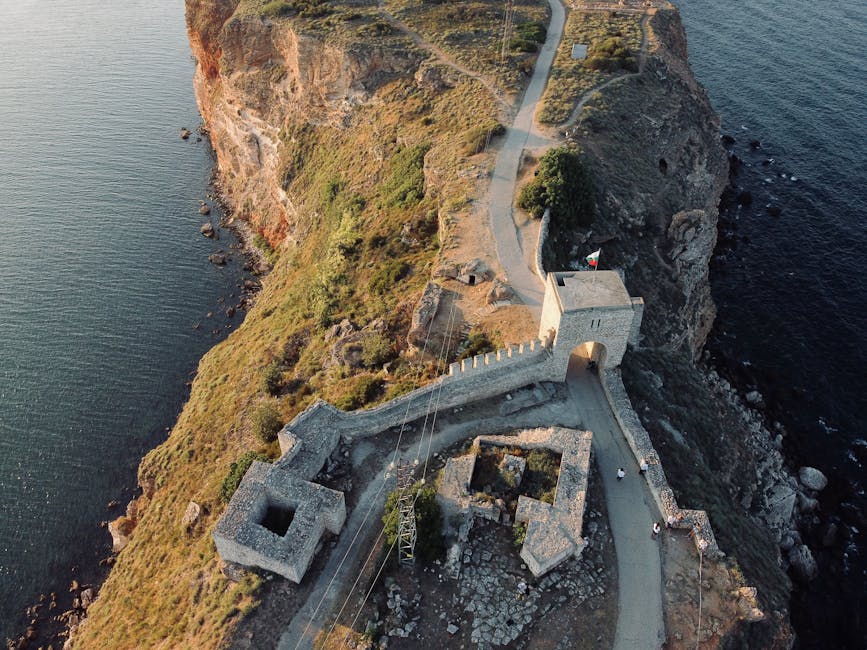
7. Stilo — The Cattolica di Stilo (Via Cattolica, 89049 Stilo RC)
Stilo is famed for the Cattolica di Stilo, a small Byzantine church from the 10th–11th centuries, set on a hillside. Address: Via Cattolica, 89049 Stilo RC. Hours are often 9:00–13:00 and 15:00–18:00 (check locally), with a small contribution for upkeep, typically €2–€4. The interior is modest but deeply historic, preserving Byzantine elements and a rare meditative atmosphere.
The nearby village of Stilo keeps steep alleys and views toward the Ionian Sea. The site is perfect for anyone interested in ancient religious architecture and the Byzantine traces still visible in Calabria.
Practical tips: pair a visit to the Cattolica with a hike up to Castello di Stilo for a fuller perspective. Shops are limited outside lunch hours — pack snacks. In summer, protect yourself from the heat; shaded spots are scarce.
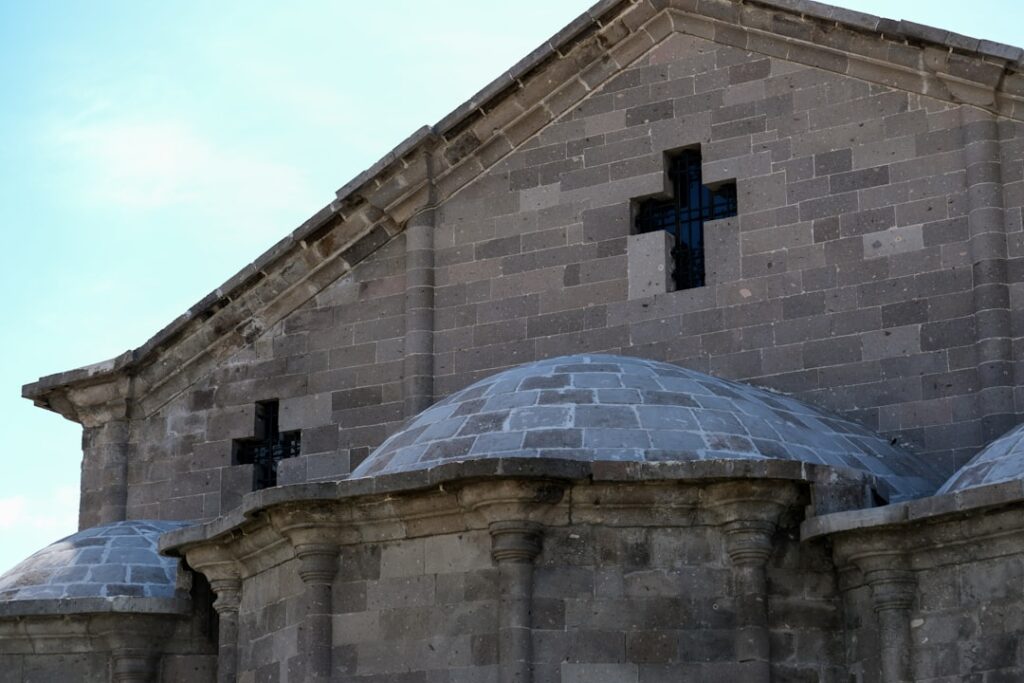
8. Bova — Bova Superiore and the Greco-Calabrian Panorama (Via Roma 1, 89033 Bova RC)
Bova is a center of Griko-Calabrese culture, where ancient Greek influences remain audible in language and music. Administrative address: Via Roma 1, 89033 Bova RC (Bova Superiore). The village offers sweeping views over the valley and sea, and traditional stone architecture. The main church (Cattedrale di Bova) has variable opening times; access is usually free with donations welcomed for upkeep.
Local life is shaped by traditional music and religious festivals where you can hear ancient Greek chants. Nearby trails suit gentle hikes, and local cuisine is hearty mountain fare — sheep’s cheese, traditional breads and grilled meats.
Practical tips: for guided cultural visits contact the local tourist office (Ufficio Turistico di Bova, Piazza Municipio); many activities are seasonal. Bus service is limited; if driving, follow signs for « Bova Superiore » and leave your car in outer parking. Respect mass times if you plan to visit the church during services.
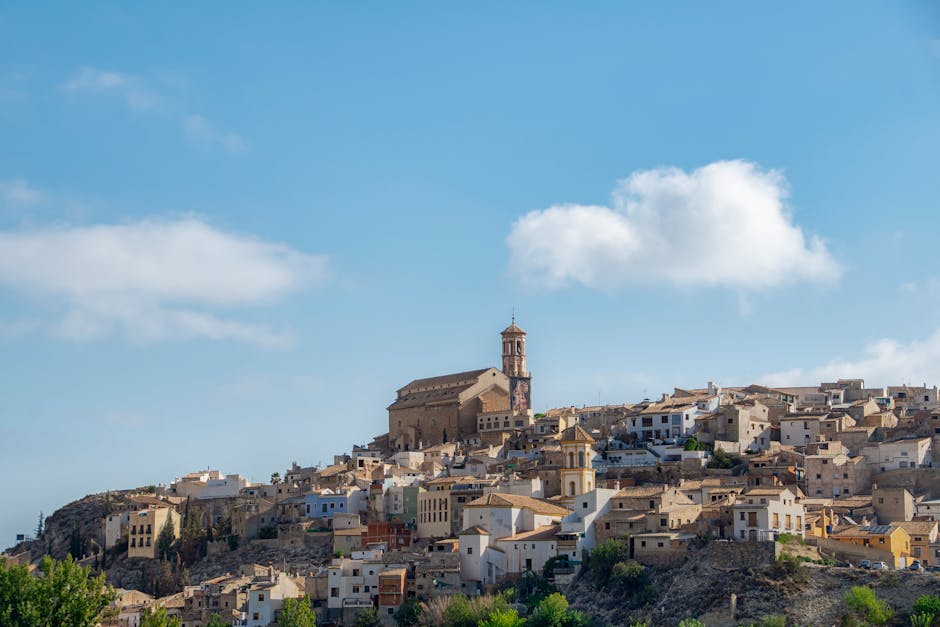
9. Morano Calabro — Historic Center and Viewpoints (Piazza XX Settembre, 87016 Morano Calabro CS)
Morano Calabro, with its perfectly preserved medieval center, is a must-see in the Calabrian hinterland. Central address: Piazza XX Settembre, 87016 Morano Calabro CS. Stair-lined alleys, stone houses and defensive towers create a photogenic maze. The main church (Chiesa di San Bernardino) can be visited during regular worship hours; entry to monuments is often free or very affordable (€1–€3 for some local museums).
The viewpoint over the Mercure valley is striking, especially in autumn when the colors change. Borgo restaurants and cafés serve local specialties like fusilli alla moranese (handmade pasta) and walnut-based desserts.
Practical tips: Morano is a great base for exploring Pollino National Park. Book your dinner early in summer if you want to eat in the centro storico. Parking is often paid or limited; use edge-of-town car parks and walk up to soak in the evening atmosphere.
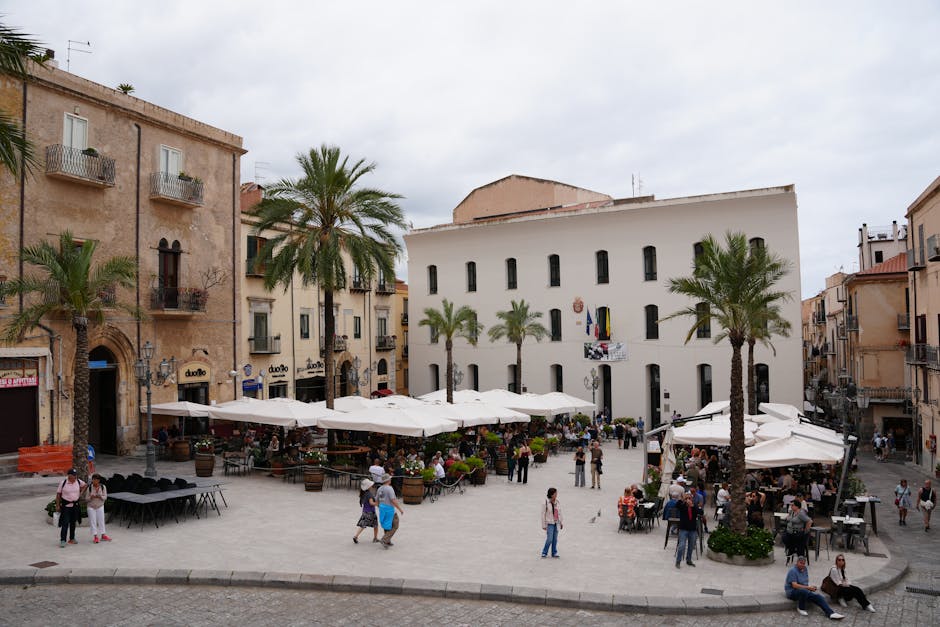
10. Badolato — Badolato Superiore and the Beach (Piazza Municipio, 89843 Badolato CZ)
Badolato, especially Badolato Superiore, pairs medieval charm with easy access to lovely Ionian beaches. Address: Piazza Municipio, 89843 Badolato CZ. The borgo offers narrow lanes, arches and coastal views. The Chiesa Madre (Mother Church of Badolato) is open around worship hours; exploring the center is free.
The nearby coast has sandy beaches; some are public while others are private lidos (approximate fees: €10–€20 per sunbed/day in high season). Summer cultural festivals enliven the village with music, open-air cinema and local-food tastings.
Practical tips: combine a morning in the village (photos and coffee) with an afternoon on the beach. For a meal, look for restaurants that focus on seafood and local vegetables. Secondary roads up to Badolato Superiore are narrow — drive carefully. If you prefer the train, the nearest station is Soverato (about 15–20 minutes by car); carpool options and local buses exist but are infrequent.
Conclusion
These ten Calabrian villages — Tropea, Scilla, Pizzo, Civita, Gerace, Pentedattilo, Stilo, Bova, Morano Calabro and Badolato — aren’t just frozen images on postcards: they’re living places made of stories, traditions and varied landscapes that reveal Calabria’s diversity. Each has its own personality: Tropea enchants with coastal panoramas and sweet gastronomy, Scilla captivates with its intimate bond to the sea and Strait legends, Pizzo pairs tartufo sweetness with Napoleonic history, while Civita and Morano offer mountains and canyons for hiking and contemplation. Gerace and Stilo convey deep historical and religious roots, Pentedattilo brings a mysterious aesthetic, Bova bears witness to an ancient Greek cultural continuity, and Badolato balances borgo life with beach access.
Practically speaking, most sites listed are free or charge only modest fees (generally a few euros for access to museums or castles). Opening hours shift with the seasons: off-season many monuments close earlier or shut on certain days. Always double-check locally via the municipal tourist office or the village’s official Facebook page, especially for places like Castello Murat in Pizzo or Castello Ruffo in Scilla. A car gives unbeatable flexibility in Calabria, but the rail network and local buses serve major routes — just plan and verify timetables, particularly for inland villages.
Finally, to get the most from these places that will « steal the show » from any postcard, follow a few simple rules: rise early for the best light and to avoid summer crowds, respect residents’ peace (especially in small borghi), taste local specialties (Tropea onion, Pizzo tartufo, fish and lamb dishes), and support artisans and family trattorie with on-site purchases. Calabria rewards the patient traveler: turn over the postcard and you’ll often find a richer, more nuanced and infinitely warmer reality. Safe travels and buone foto!