





Introduction: Discovering Calabrian Wines
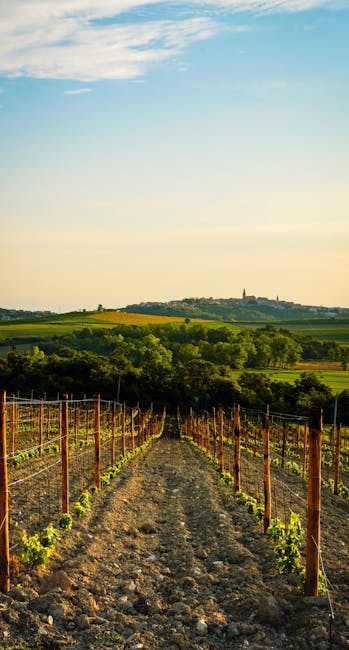
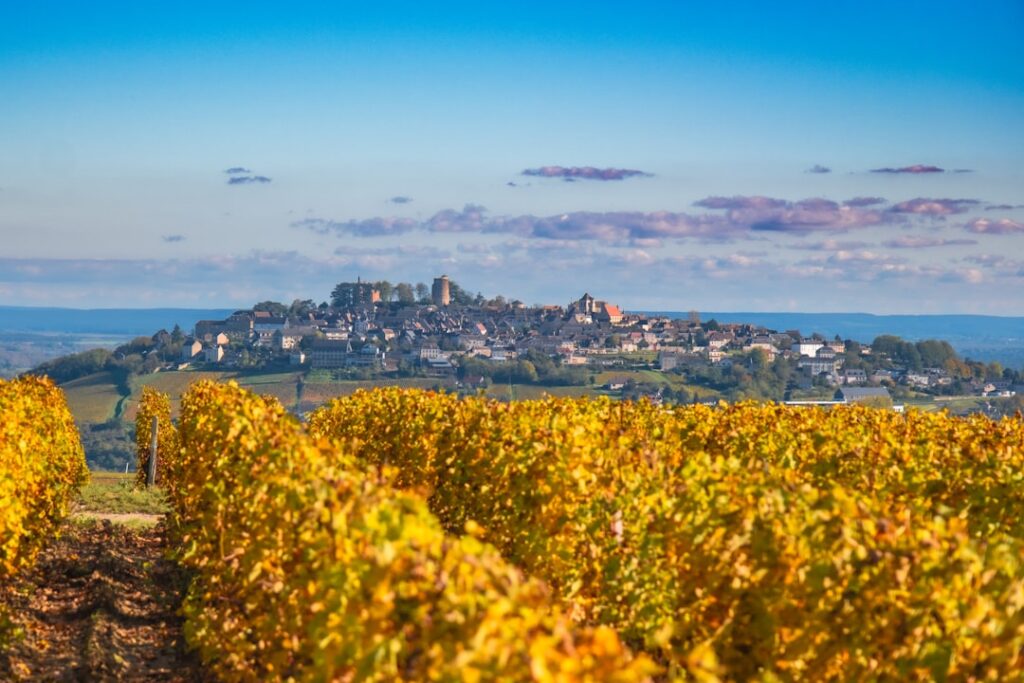
Calabria, that toe-of-the-boot region of Italy, is often imagined as a land of traditions, wild coastlines and villages clinging to the hills. Less touted than Tuscany or Piedmont, it hides a deep, utterly genuine wine heritage. Calabrian wines—born of a warm climate, varied soils and a viticultural history that stretches back centuries—deliver a rich aromatic spectrum: meaty, spicy reds, refreshing rosés and mineral whites that echo the Ionian Sea and the inland plateaus. In this article we set out to explore Calabrian wines and the unmissable places to taste them, understand them and bring a few bottles home.
This guide is for curious amateurs and seasoned oenophiles alike: we’ll unpack historic grape varieties like Gaglioppo and Greco Bianco, take you to renowned estates and family-run cellars open to visitors, suggest a wine-focused itinerary to make the most of your trip, and share practical tips for buying and transporting bottles. Every place listed includes address details, opening hours, tasting costs and useful visitor info so you can plan your stops without surprises.
Calabria is also a land of contrasts: mountains and coast alternate, and the Mediterranean climate tempered by elevation creates microclimates that support a wide range of profiles. Winemakers here often work on small plots, blending ancestral know-how with modern techniques. The result is often limited-production cuvées brimming with character and authenticity. As you read this guide you’ll understand why some estates have become must-stops for travelers wanting to bring back more than a postcard: distinctive wines that proudly show their origin.
Beyond the wine, Calabria serves up rustic, flavor-packed cuisine: goat cheeses, spicy cured meats like ‘nduja, grilled fish and hearty tomato-based pasta dishes that pair beautifully with local bottles. We’ll suggest food-and-wine pairings and offer practical advice to fully enjoy tastings on site, respect the seasons and keep your discoveries safe during transport. Get your notebook ready—this sensory journey through Calabrian vineyards promises surprises, encounters and walks between sea and mountain.
Key Grape Varieties and Signature Wines of Calabria
Calabrian viticulture relies on indigenous grapes alongside a few international varieties adopted more recently. Getting to know these grapes is the first key to appreciating the region’s diversity.
Gaglioppo: Gaglioppo is the red grape most emblematic of Calabria, mainly grown around the Cirò area (Province of Crotone). It produces structured reds with noticeable tannins, often spicy and fruity (cherry, plum, peppery notes). Depending on altitude and exposure, Gaglioppo can yield light, fresh wines or robust cuvées meant for aging. A bottle of Cirò Classico Rosso based on Gaglioppo typically ranges from €8 to €25 depending on the producer and oak treatment.
Greco Bianco and Greco di Bianco: Greco Bianco is an ancient white variety found across southern Italy; in Calabria it often expresses itself in dry wines with citrus and white-flower aromas. Greco di Bianco, on the other hand, is famed for the sweet traditional wine bearing the same name, made from partially dried grapes with notes of honey and apricot. Sweet Greco di Bianco bottlings can start around €12 and climb to €40 for rare editions.
Magliocco: An old grape from the Calabrian ranges, Magliocco produces wines with silky tannins and aromas of black fruit and spice. It is frequently blended with Gaglioppo to add roundness and complexity. Single-varietal examples are generally priced between €10 and €30.
Castiglione, Pecorello and Malvasia: Other local varieties fill out the palette—Castiglione and Pecorello for regional whites, Malvasia for aromatic wines sometimes vinified from late-harvest grapes. These grapes contribute to dessert wines and quiet table wines along both the Ionian and Tyrrhenian coasts.
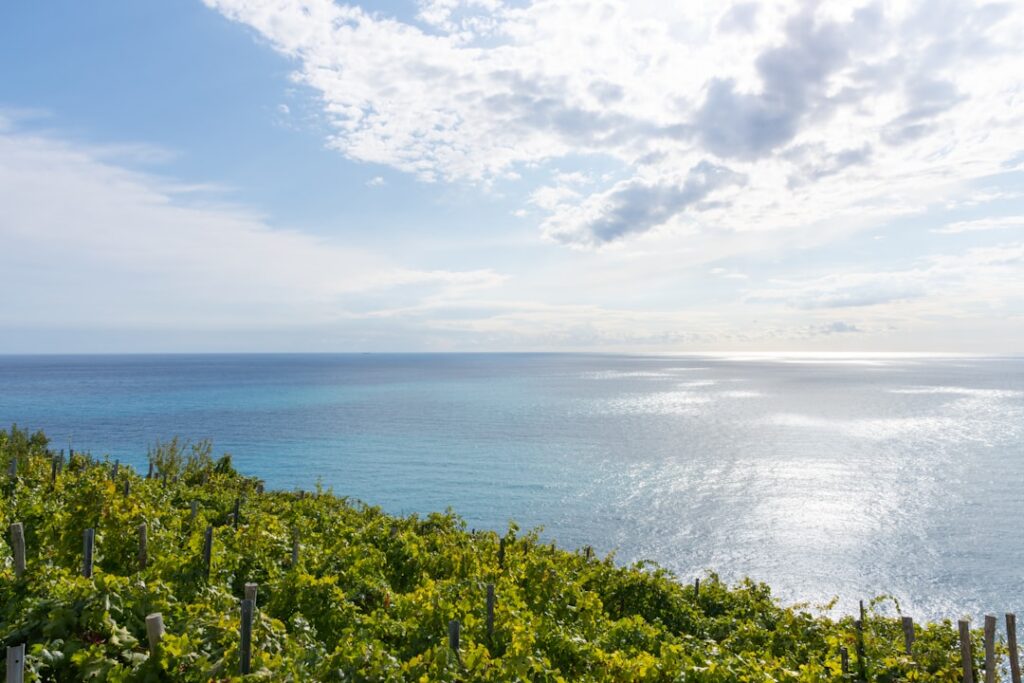
Finally, terroir matters: clay-limestone soils, variable elevations (sea level up to 600–800 m), exposures facing south or the sea—all shape wine profiles. DOC areas worth knowing include Cirò DOC, Melissa DOC and Verbicaro DOC. On-site tasting prices with explanations typically range between €10 and €30 per person, with discounts if you buy bottles at the cellar.
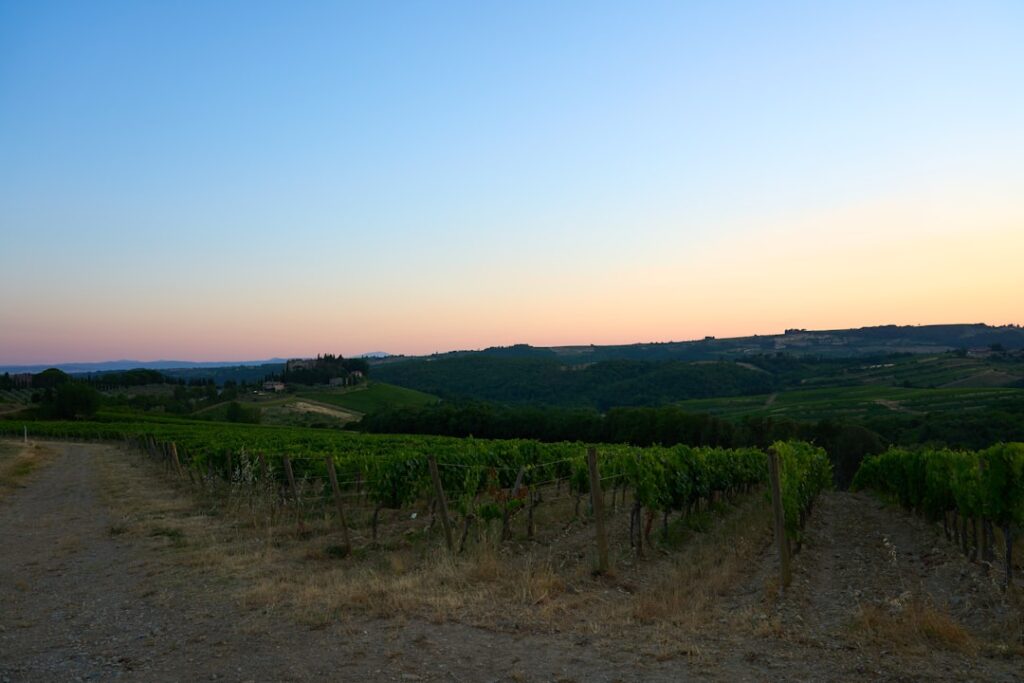
Wineries and Cellars to Visit: Must-See Stops
The best way to understand Calabrian wines is to visit the estates. Here’s a selection of unmissable wineries and cellars, with addresses, opening hours and practical info to organize your visits and tastings.
Azienda Agricola Emilio Liberati – Librandi
Address: Azienda Agricola Librandi, Via Nazionale 16, 88811 Cirò Marina (KR)
Opening hours: Monday to Saturday 09:00–18:00, Sunday by appointment
Price: Standard tasting €18 per person (3 wines), premium tasting €30 (5 wines + antipasti), guided tour with lunch €45.
Description: Librandi is a modern benchmark of Calabrian winemaking, with facilities dedicated to research and vinification. The estate offers lovely views of vineyards rimmed by the Ionian Sea. The visit includes a walk among the rows, an introduction to Gaglioppo and a guided tasting in an elegant tasting room. Expect about 1h30 for the standard visit.
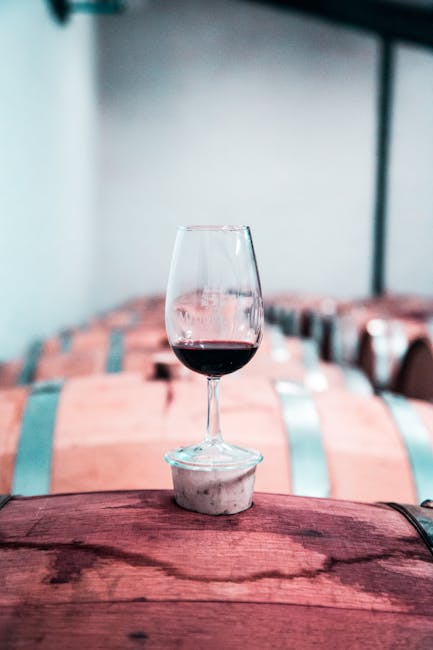
Cantine Ippolito 1845
Address: Ippolito 1845, Contrada Pianette, 88837 Rocca di Neto (KR)
Opening hours: Tuesday to Saturday 09:30–17:30, closed Sunday and Monday
Price: Tour and tasting €15 (4 wines), food-and-wine pairing workshop €35.
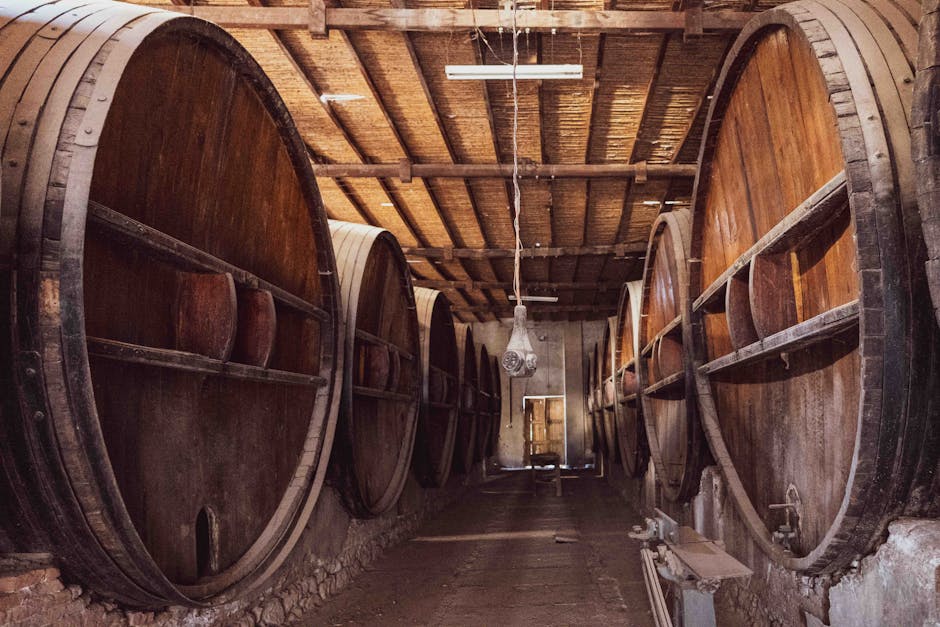
Description: Founded in the 19th century, Ippolito 1845 is one of Calabria’s oldest houses. The estate blends heritage with modern technique. Tours include the historic cellar, concrete and stainless-steel vats, followed by a tasting of robust reds and a traditional dessert wine. The on-site shop offers gift boxes from around €25 and limited editions up to €60 per bottle.
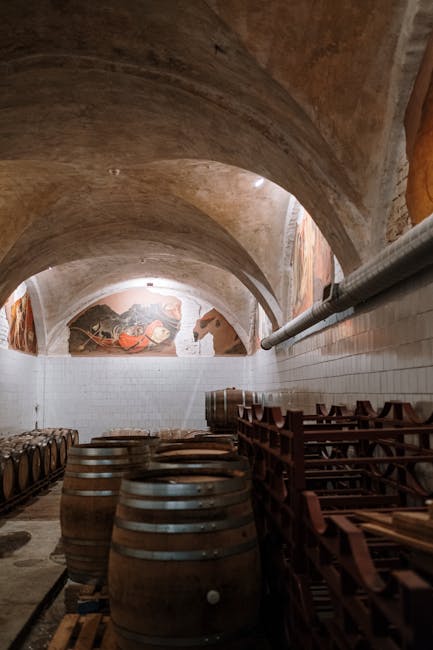
Tenute Ferrocinto
Address: Tenute Ferrocinto, Località San Pietro, 87036 Rende (CS)
Opening hours: Monday to Saturday 09:00–18:00, appointments available outside these hours
Price: Tasting €20 (4 wines), private visit €50 (with chef and 3 courses)
Description: Located in the province of Cosenza, Tenute Ferrocinto works varied parcels across hills and plains. The estate is noted for its Magliocco and modern blends. The contemporary cellar runs guided tours and themed tasting workshops (indigenous varieties, oak aging, local pairings). The property also hosts wine tourism events in summer.
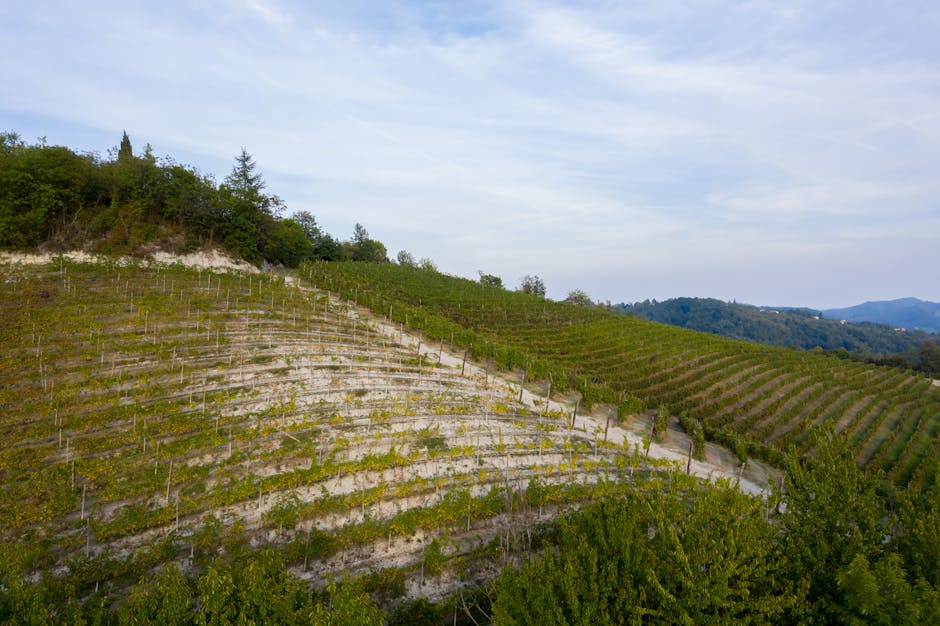
Feudo dei Sanseverino – Agriturismo and Wines
Address: Feudo dei Sanseverino, Strada Provinciale 15, 87070 Serra Pedace (CS)
Opening hours: Visits by appointment; agritourism reception 08:00–20:00
Price: Tasting & lunch €40 per person (3 wines + lunch), simple tasting €12.
Description: This estate combines rural accommodation with mountain wine production—perfect for pairing hikes with tastings. High-elevation vineyards yield mineral whites and fresher reds with lower alcohol than coastal wines. The agriturismo offers rooms and meals made from local produce—a full sensory immersion after touring the cellars.
Practical note: it’s advisable to book 24 to 72 hours in advance for most estates, especially in high season (May–September). Some cellars require a minimum number for guided tastings (e.g. two people), and private workshops may need longer lead time. Most major wineries accept cards, but always carry some cash for smaller family-run cellars.
Recommended Wine Route: 3 to 5 Days, Tailored to Your Taste
To explore Calabria’s diversity without rushing, here’s a suggested four-day itinerary combining tastings, cultural visits and culinary breaks. It’s designed for a car trip, starting from Lamezia Terme (airport) or Cosenza train station.
Day 1 — Arrival and discovering Cosenza
Morning: arrive at Lamezia Terme and drive to Cosenza (approx. 1h15). Check in and stroll through the old town. Visit the Museo dei Brettii e degli Enotri (Piazza 11 Settembre 87036 Cosenza, opening hours 09:00–13:00 and 15:30–19:00, entrance ~€6) to put Calabria’s ancient wine history into context.
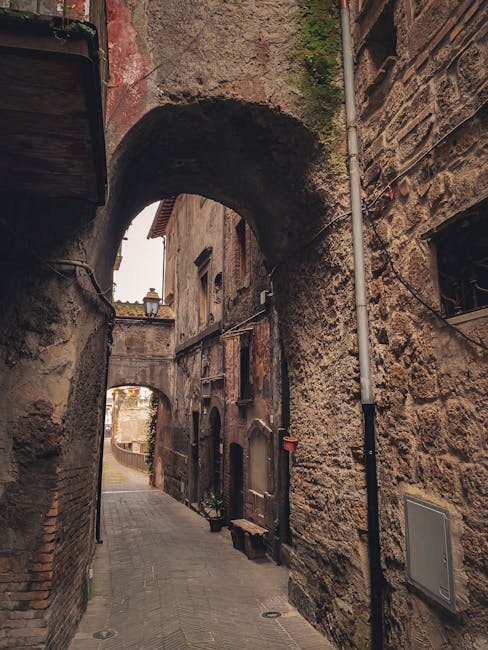
Afternoon: your first tasting in town at the Enoteca del Vino, Corso Mazzini 12, 87100 Cosenza. Opening hours 11:00–23:00. Tasting selections start at €8.
Day 2 — The Cirò coast and Gaglioppo wines
Morning: drive to Cirò (approx. 1h45 from Cosenza). Visit Librandi (Via Nazionale 16, 88811 Cirò Marina) at 10:00 for a cellar tour and tasting (€18). Enjoy a walk through seaside vineyards for classic Ionian coastal views.
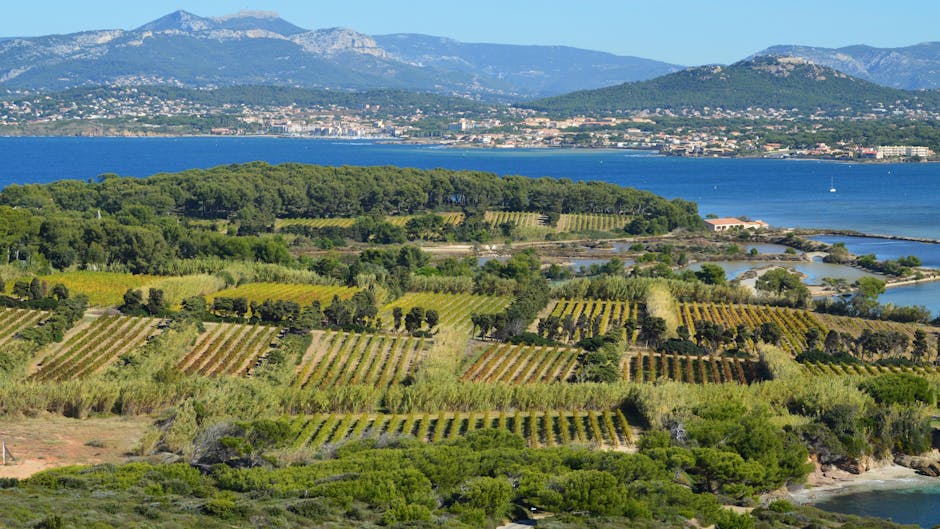
Lunch at a local spot: Trattoria da Maria, Via Lungomare 3, Cirò Marina (open 12:00–14:30, 18:00–22:00). Typical dish: spaghetti alle vongole €10–15.
Afternoon: visit Cantine Ippolito 1845 in Rocca di Neto for a historical perspective and a taste of a Greco di Bianco dessert wine (€15). End the afternoon on the beach or exploring Cirò’s historic center.
Day 3 — Hills and mountains: Ferrocinto and Serra Pedace
Morning: head to Rende (Ferrocinto); cellar visit at 10:30, tasting €20. The focus here is on modern blends and altitude work.
Lunch: enjoy local products at the estate or a picnic with cheese and cured meats (€5–12 for a shared board).
Afternoon: drive to Serra Pedace (approx. 1h). Check in at the Feudo dei Sanseverino agriturismo and wander the high-altitude vineyards. Dinner at the agriturismo with a set menu €25–35 per person including estate wines.
Day 4 — Local market and shopping
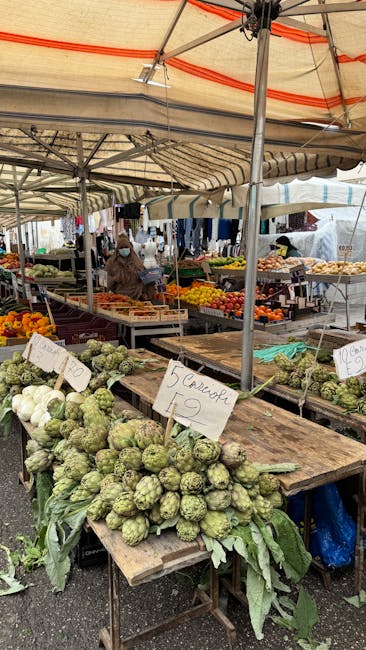
Morning: visit a local market to buy regional products (goat cheese, olive oil, jams). Cosenza’s market often takes place Saturday mornings near Piazza Bilotti.
Afternoon: final purchases at a cellar or enoteca. Plan a secure spot in your car for bottles, or ask for special bubble-wrap packaging at the cellar (usually €2–5 per bottle).
Logistics tip: between May and September days can be hot, so schedule tastings for late morning or late afternoon to enjoy milder temperatures. Don’t drive after heavy tastings—many estates offer shipment options via national couriers (from around €25 depending on weight) or can recommend partner taxis for transfers.
Practical Tips, Food Pairings and Souvenirs to Bring Home
Visiting Calabria for its wines also means knowing what to taste, what to bring back and how to make the most of every encounter. Here are pragmatic tips and a few simple, effective food-and-wine pairing suggestions.
Practical tips for visits
- Booking: Reserve your visits at least 48 hours in advance in high season. Family-run estates often open only by appointment.
- Transport: Renting a car is the most practical option. Secondary roads can be narrow—choose a compact vehicle. Store bottles lying down and protected in bubble sleeves to avoid shocks and temperature swings.
- Budget: Plan €10–50 per tasting depending on the offering (private workshops, meals on site). Bottles range from €8 for table wines to €50+ for rare cuvées.
- Payment: Some small producers accept cash only; the bigger the winery, the more likely they take cards.
- Season: Spring and early autumn offer pleasant temperatures and fewer tourists. August can be very hot and some small cellars close for summer holidays.
Recommended food-and-wine pairings
- Cirò Rosso (Gaglioppo) with meat stew: Gaglioppo’s tannins and spice pair perfectly with pork or lamb stew (average price of a main €12–18 in a trattoria).
- Magliocco with grilled eggplant and pecorino: Magliocco’s black-fruit and herb notes match rustic dishes with vegetables and aged cheeses.
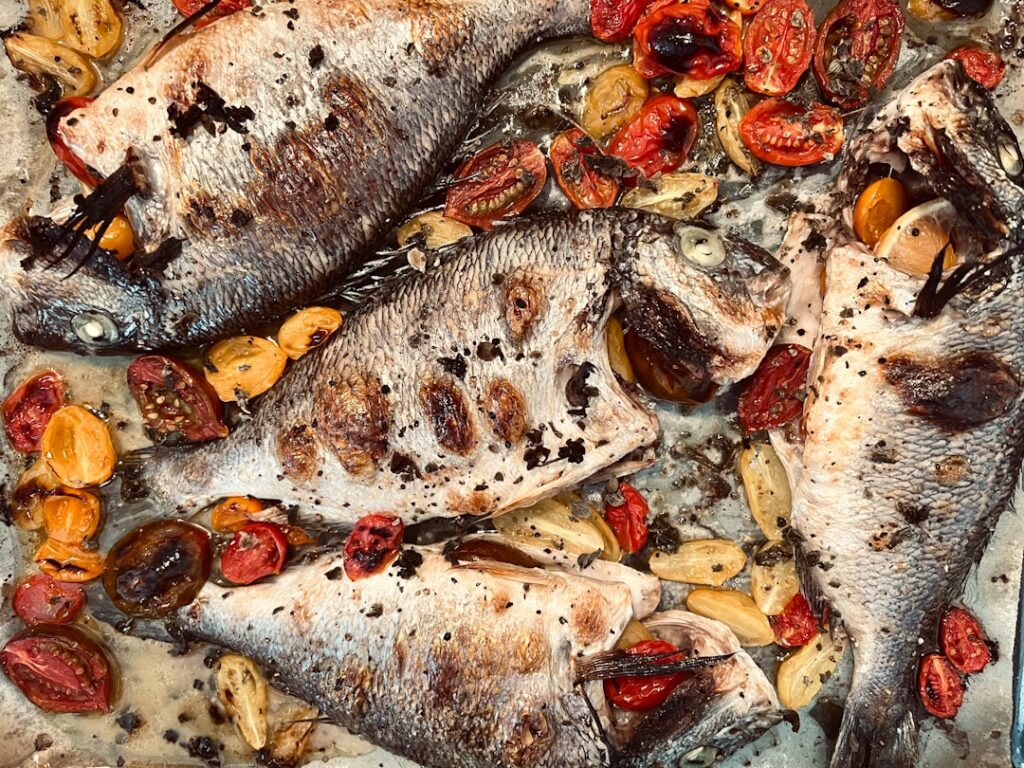
- Dry Greco Bianco with grilled fish: A mineral white complements hake, sea bream or grilled sardines (dish €10–16).
- Sweet Greco di Bianco for dessert: Blue cheeses, almond pastries or ricotta tart—this sweet wine adds a Mediterranean sugary touch.
Souvenirs to bring home
Apart from bottles (protected with special packaging), consider bringing:
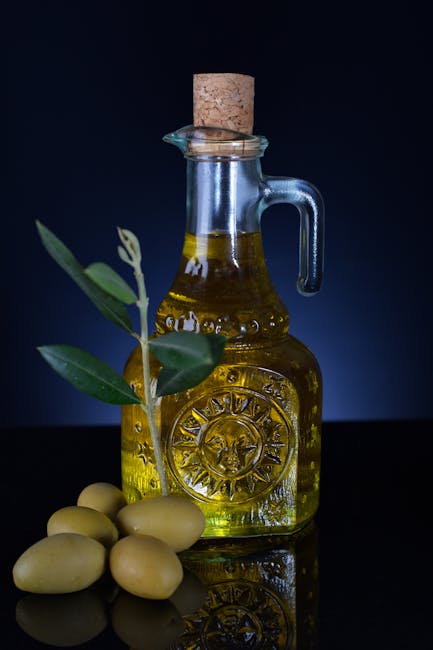
- Local extra virgin olive oil (0.5 L bottle: €6–15)
- ‘Nduja (spicy spreadable salami) in sealed jars: €4–10
- Mountain cheese (pecorino) vacuum-packed: €8–25 depending on aging
- Preserved lemons and jars of sun-dried tomatoes: €3–8
International transport: If you’re flying, check with your airline—some countries restrict imports of fresh foods and cheeses. Wines are best packed in checked luggage; to reduce risk, use the cartons provided by the cellar (sturdy boxes with foam) or invest in thermal/bubble sleeves if it’s warm out.
Tasting tips on site:
- Taste whites before reds; let Gaglioppo breathe a little if it needs aeration.
- Ask to see the vineyard when possible: exposure, vine age and pruning style hugely influence the wine.
- Take notes and, if you buy, write down the lot and vintage (annata): Calabrian wines can age in surprising ways.

Conclusion: Why Calabria Deserves Your Wine Route
Calabria is an emerging wine tourism destination full of contrasts and authenticity. Its wines, long overshadowed by more famous regions, are finally earning deserved recognition thanks to passionate winemakers who champion indigenous grapes like Gaglioppo, Magliocco and Greco di Bianco. Traveling here means slowing down, listening to family cellar stories, tasting small-batch cuvées and feeling the deep connection between land, sea and local farming practices.
Beyond tastings, Calabria offers a rich sensory backdrop: the special light on the Cirò hills at sunset, the scent of rosemary and basil in the hills, and the generous tables of agriturismi where homemade bread is shared with a rustic red. The addresses named in this guide—Librandi at Cirò Marina, Ippolito 1845, Ferrocinto and Feudo dei Sanseverino—are complementary gateways to understanding the variety of Calabrian styles, from the Ionian coast to the interior heights.
Take time to listen to a winemaker, look at their vines, smell clay soil and then a sea breeze: you’ll gain a deeper reading of the wines. Prices remain reasonable compared to other Italian regions, and hospitality is often warm and family-oriented. Whether you love powerful reds, crisp whites or sweet wines, Calabria offers memorable discoveries that will enrich your cellar and travel memories. With careful planning (reservations, transport, packaging), you can bring home bottles that tell a story—the story of a rugged, generous land shaped by generations of winemakers.
Above all, let yourself be surprised: Calabria isn’t just a box to tick, it’s an encounter—sometimes rough, always sincere—with a terroir best savored slowly. Take notes, share bottles with loved ones and come back, because Calabria has a way of settling into both memory and the cellar. Buon viaggio e salute!