





Introduction — Why Calabrian cheese and terroir wine pairings are worth the trip
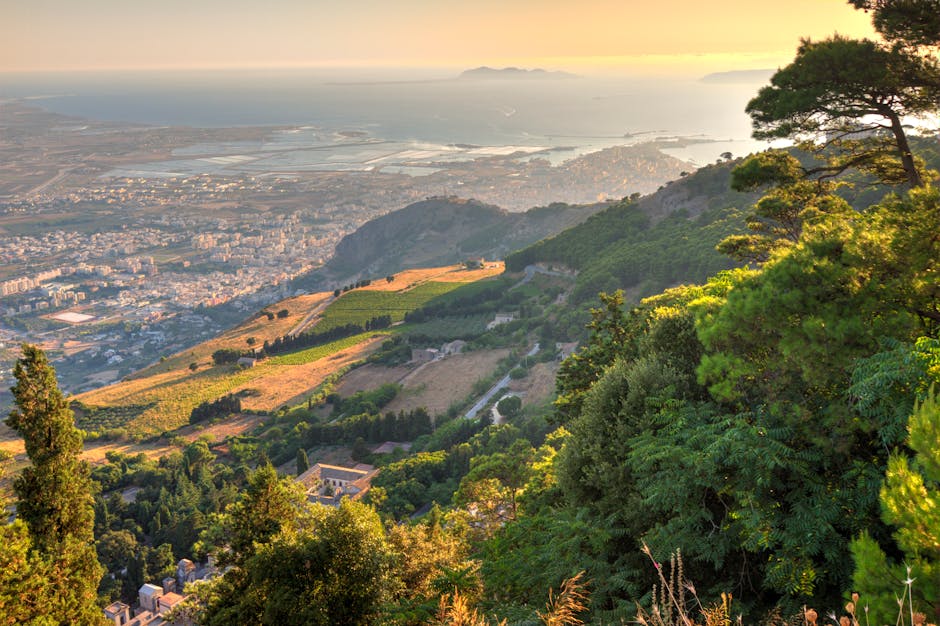
Calabria, that southern Italian crescent wedged between the Ionian and Tyrrhenian Seas, is a landscape of mountains, rolling hills and dramatic coastline where subsistence farming has shaped intensely authentic products. Among those treasures are bold cheeses and wines rooted in indigenous grapes — Gaglioppo, Greco and other local expressions, both dark and sweet. Pairing Calabrian cheeses with local wines isn’t just about flavor — it’s a way to read the land: the smoky trace of a broom fire, the salt in the sea breeze, the alpine pasture grass and the occasional heat of chili-spiced dishes.
This guide is made for curious travelers: it lists specific places, tasting routes, full addresses, opening hours and price ranges in euros, plus local tips to get the most from your cheese-and-wine matches. You’ll learn how to pair an aged Caciocavallo Silano with a Cirò rosso, why Pecorino Crotonese craves the freshness of a Donnici, or how the sweetness of Greco di Bianco balances smoked cheeses from the Ionian shore. Every tip is grounded in terroir knowledge — the altitude of summer pastures that affects texture, aging times that concentrate aromas, and grape identities that answer a cheese’s fat, acid and salt components.
Throughout this piece I’ll point you to agriturismi, wineries, enoteche and markets where you can taste these products on site. You’ll find practical details: opening hours (very useful, as many places close in the afternoon), indicative prices (tastings, cheese boards, cellar tours), and recommendations for buying or transporting cheese safely. Finally, expect serving tips — tasting temperatures, order of bites, and little tricks that reveal the full range of flavors.
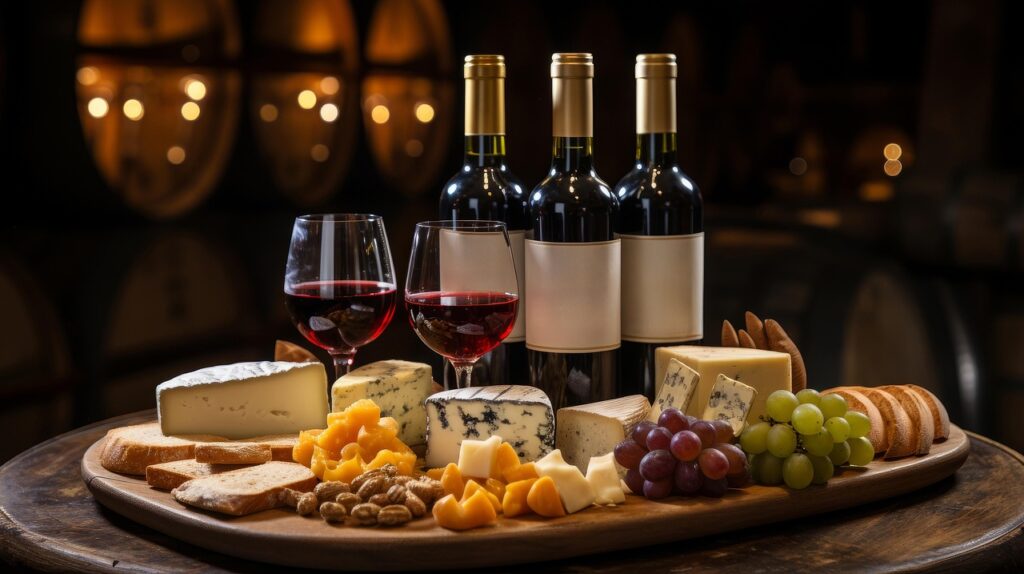
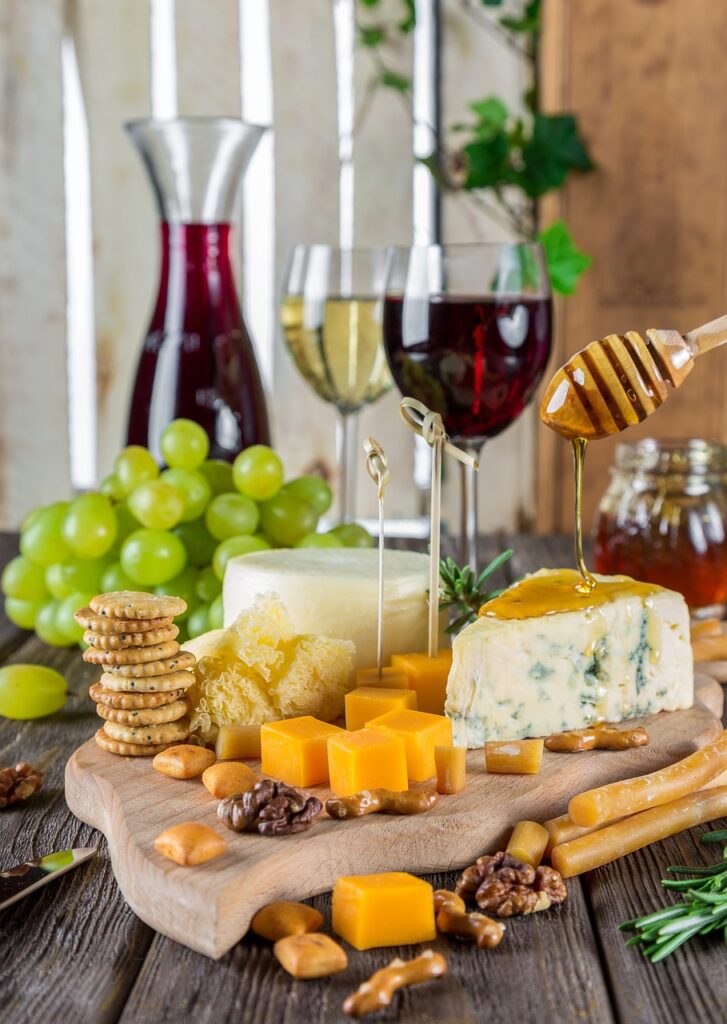
1. Signature Calabrian cheeses: tasting profiles and where they come from
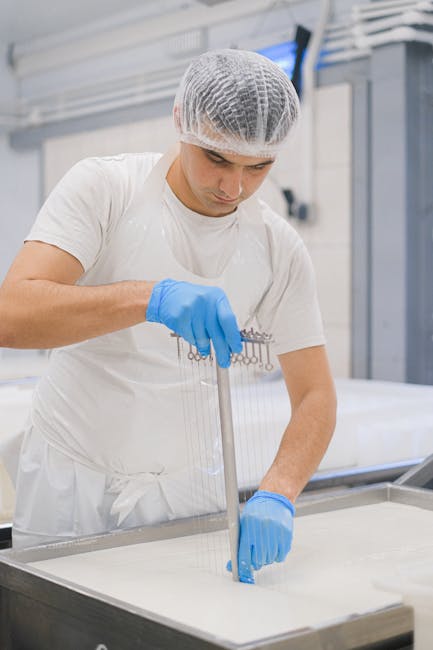
Calabria produces several cheeses defined by rustic character and strong aging potential. The standouts are Caciocavallo Silano PDO, Pecorino Crotonese, tuma (a young sheep or mixed-milk cheese depending on the producer) and ricotta affumicata (smoked ricotta), widely prized by local chefs for its smoky lift.
Caciocavallo Silano PDO is usually cow’s milk, shaped into hanging teardrops for aging. Profile: firm to semi-firm paste, cooked-milk aromas, butter and hazelnut notes and, with longer aging, a spicy edge. Recommended producer: Caseificio Valente, Via Provinciale 12, 89861 Tropea (VV). Visiting hours: Mon–Sat 09:00–12:30 and 16:00–19:00. Tasting: boards from €8.00 per person; whole cheese roughly €18.00–28.00/kg depending on age. Immersive description: the cellar smells faintly of smoke and straw, cheeses hang in rows and dry air concentrates the aromas.
Pecorino Crotonese (typical of the Crotone province) tends to be saltier and sharper when aged. Recommended producer: Azienda Agricola Mastro, Contrada San Mauro, 88900 Crotone (KR). Hours: visits by appointment, tastings 10:00–13:00. Prices: tasting board €10.00–15.00; whole cheeses €14.00–30.00/kg. The paste changes with the seasons: spring grass gives floral hints, while summer grazing intensifies fat and tang.
Smoked ricotta is often served in slices on bruschetta or grated over pasta; its creamy texture and smoky aroma pair well with aromatic whites. Local producer: Caseificio La Fattoria, Via P. Nenni 45, 87100 Cosenza (CS). Hours: Tue–Sun 08:30–13:00 and 16:30–19:30. Price: smoked ricotta €7.50–12.00/kg depending on production and milk source.
Local tips: buy cheese early in the morning at markets to ensure freshness and availability. Always ask the milk origin (cow, sheep, goat) and aging time: 30–60 days for a young tuma, 3–12 months for a Caciocavallo with more character. Store chilled and remove 30–45 minutes before serving to let aromas open up.
2. Calabrian wines: grapes, terroirs and wineries to visit
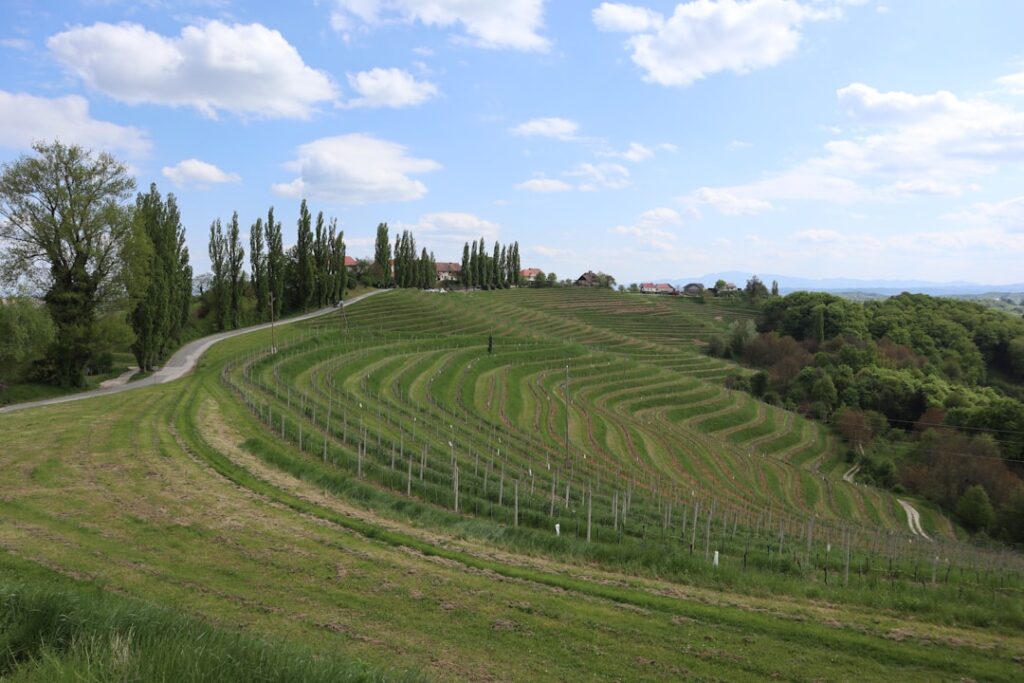
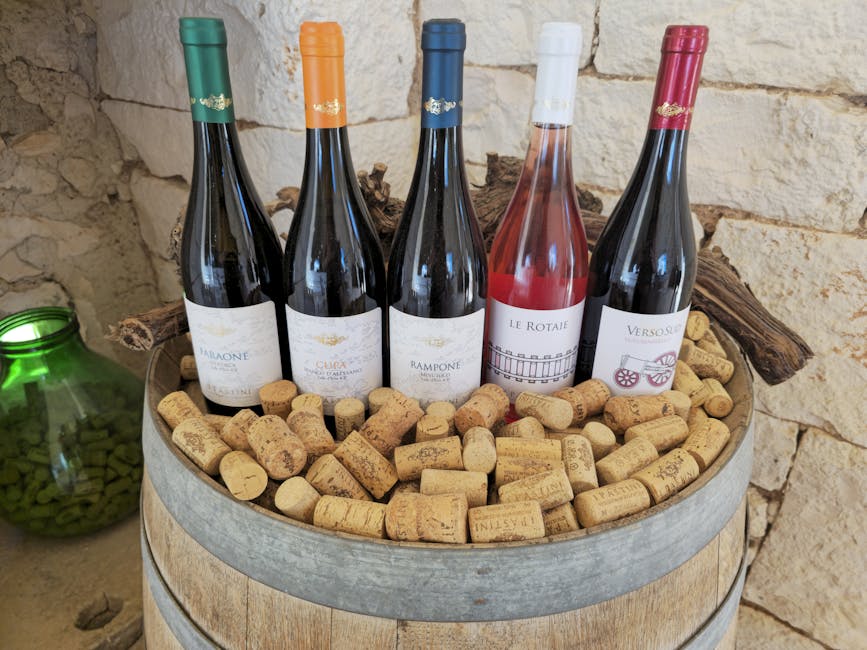
Calabria includes historic denominations like Cirò DOC, Donnici, Lamezia and Greco di Bianco (a unique sweet wine mostly produced in the province of Reggio Calabria). These wines often come from limestone or clay soils at modest altitudes, and range from tannic, fruity reds to fresh, mineral whites and powerful sweet styles.
Cirò DOC (Crotone province) is the best-known name: mostly from Gaglioppo, it produces supple yet tannic reds with black cherry, Mediterranean herb and spice notes. Recommended winery: Cantine Statti, Via S. Francesco d’Assisi 1, 88811 Cirò Marina (KR). Cellar/tasting hours: Mon–Sat 09:00–18:00 (closed Sun). Standard tasting: €7.00–15.00; guided visit and terroir lunch €30.00–45.00 per person. Wines: Cirò Classico rosso €8.50–15.00; Riserva €18.00–35.00.
Greco di Bianco DOC is a liqueur-style wine produced in Bianco, known for its dense sweetness balanced by lively, mouthwatering acidity. Recommended estate: Tenuta Greco di Bianco, Via Rione Vescovado 4, 89032 Bianco (RC). Hours: by appointment, tastings 10:00–13:00 and 16:00–19:00. Bottle prices: €20.00–55.00 depending on age and limited editions. This wine pairs incredible well with smoked cheeses and ricotta-based desserts.
In the Cosenza area, Ferrocinto Winery (Tenute Ferrocinto) makes structured reds and regional whites. Address: Tenute Ferrocinto, Località San Vincenzo, 87036 Rende (CS). Cellar hours: Mon–Sat 09:00–17:00 (may close 13:00–15:00 seasonally). Tastings: €10.00–25.00; vineyard tours included by reservation. Flagship wines: Donnici DOC rosso €12.00–22.00.
Local tips: aim for morning visits to beat the summer heat and call 48 hours ahead to book structured tastings. Prices vary widely with popularity and vintage; a full tasting (5 wines + cheese boards) typically runs €15.00–45.00 per person.
3. Tasting routes and practical pairings (where to eat, buy and pack)
A typical 2–3 day circuit mixes markets, dairies, wineries and a good restaurant. Base yourself in Tropea (VV) for the Tyrrhenian coast, take a side trip to Cosenza/Rende for Donnici and Ferrocinto, then head to Cirò Marina for Cirò DOC. Here’s a practical, detailed itinerary.
Day 1 — Tropea: start at Mercato Ittico e Agroalimentare di Tropea, Piazza Vittorio Veneto, 89861 Tropea (VV). Hours: morning market 07:00–13:00, closed most afternoons. Buy cheeses from Caseificio Valente (address above) or taste at La Bottega del Gusto, Via Umberto I 10, 89861 Tropea (VV). La Bottega del Gusto offers boards from €12.00, wines by the glass €4.00–6.00. Enjoy the beach late afternoon. Tip: bring a small cooler to keep purchases fresh until you reach your hotel.
Day 2 — Cirò Marina / Crotone: book a tasting at Cantine Statti (address above). After the visit, lunch at Osteria del Gusto, Via Roma 22, 88811 Cirò Marina (KR). Typical dishes: local cheese antipasto €8.00–12.00, pasta with ragù €9.00–14.00, bottle of Cirò €12.00–20.00. Afternoon: visit Azienda Agricola Mastro in Crotone (address above) to learn about Pecorino Crotonese and buy aged cheeses for €15.00–25.00/kg.
Day 3 — Rende/Cosenza: Tenute Ferrocinto (address above) offers vineyard walks and cheese-and-wine pairings; full tasting €20.00–40.00. Evening: dine at Enoteca Vineria Il Cortile, Via S. Francesco 7, 87100 Cosenza (CS). Shared cheese boards €14.00–22.00, local wines by the glass €5.00–8.00.
Packing tips: to fly with cheese, wrap it in plastic film then place it in an insulated box and check local rules on perishable goods. Longer-aged, drier cheeses travel better. Wines must be secured and cushioned; some wineries offer professional bottle wrapping for €3.00–7.00 per bottle.
4. Recommended pairings: exact matches and presentation tips to impress
Great pairings are about balance: fat ↔ acidity, salty ↔ sweet, smoky ↔ fresh aromatics. Here are tried-and-true matches with precise serving guidance.
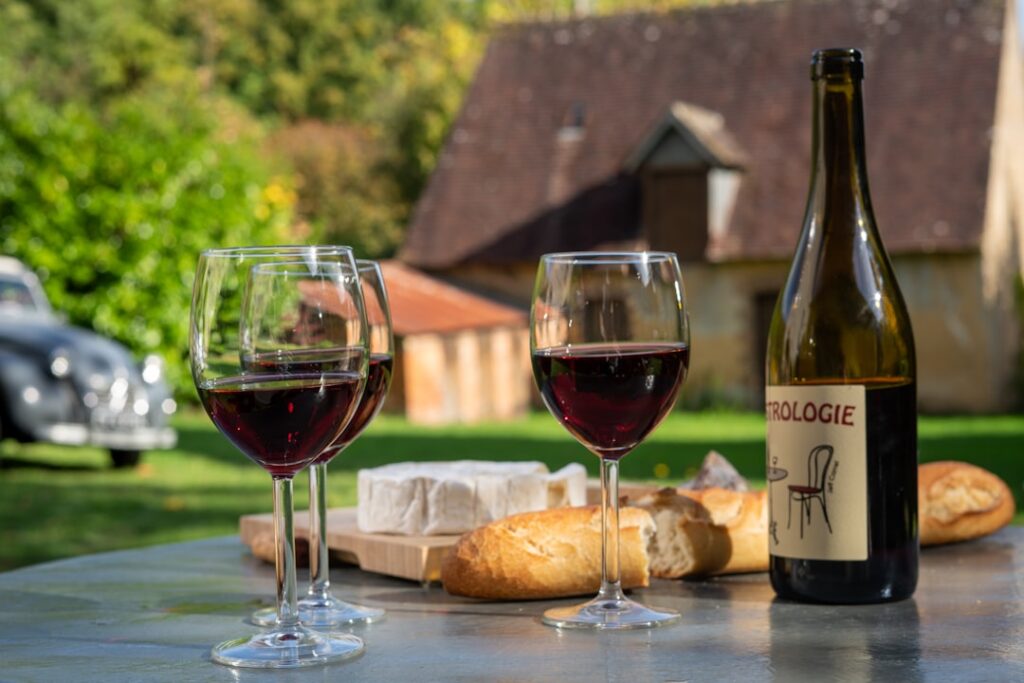
- Aged Caciocavallo Silano (3–6 months) with Cirò Classico Rosso (Gaglioppo). Serve: cheese at 16–18 °C, wine at 16–18 °C. Why: Cirò’s moderate tannic structure counters the cheese’s fat and brings out fruity and herbal notes. Typical tasting: slice of caciocavallo + a spoonful of fig jam (€1.50 per spoon), glass of Cirò €6.00.
- Pecorino Crotonese (aged 4–8 months) with Donnici DOC rosso or a Rende red. Serve: cheese at 14–16 °C, wine at 16 °C. Why: Donnici’s acidity and fruit lighten the pecorino’s salty, lingering finish. Recommended board: three different cheeses (€12.00–18.00) and one mid-range bottle (€12.00–18.00).
- Smoked ricotta with Greco di Bianco (sweet). Serve: ricotta at 10–12 °C, wine chilled to 8–10 °C. Why: Greco’s sweetness balances the smoke and makes a lovely end-of-meal contrast. Dessert idea: grated smoked ricotta over citrus jelly (portion €6.00–9.00).
- Young tuma with a local white (Vermentino-like). Serve: cheese 10–14 °C, wine 8–10 °C. Why: the lactic freshness of tuma needs a bright, mineral white to refresh the palate.
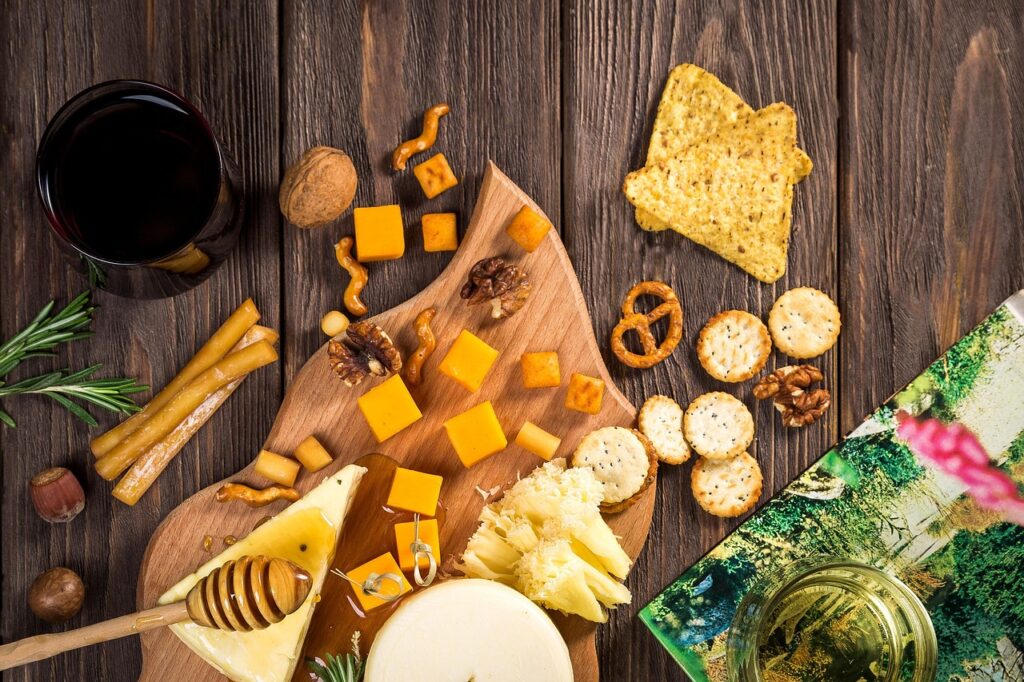
Presentation: serve cheeses from mildest to most assertive, offer local bread (pane di casa €1.50–3.00) and condiments like mountain honey (€4.00–8.00 for a small jar), bitter orange marmalade, or local olives (tapenade €3.00–6.00). For a professional tasting, cleanse the palate between bites with a plain cracker and cold still water.
Conclusion — Take Calabria home in your pantry and cellar
Calabria is a region of sensory contrasts where rustic cheeses and native wines naturally answer each other. This guide has given you a practical map to find these products on site: precise addresses (Caseificio Valente in Tropea, Cantine Statti in Cirò Marina, Tenute Ferrocinto in Rende, Azienda Agricola Mastro in Crotone), typical hours and price ranges so you can plan tastings without surprises. You now know which pairings to favor: the power and backbone of a Cirò against a Caciocavallo, the sweetness of a Greco di Bianco with smoked cheeses, or the liveliness of a local white to cut through pecorino saltiness.
Before you go, a few final recommendations: book tastings 48 hours in advance, buy cheeses early in the morning at markets for maximum freshness, and bring a cooler or insulated packaging if you plan to take products home. For lovers of cellars and craft, look for visits that include vineyard walks and terroir explanations — understanding soil, climate and husbandry enriches the tasting far beyond the immediate flavors.
Lastly, treat the experience as cultural exchange: ask producers about their farm’s story, try their suggestions with an open mind, and let yourself be surprised by unexpected combinations. Calabria, off the beaten tourist track, offers rugged generosity: robust wines, honest cheeses and hospitality that turns a tasting into a lasting memory. Happy oeno-cheese travels, and don’t forget to jot down your favorite pairings so you can recreate them at home — Calabrian terroir deserves to be shared.