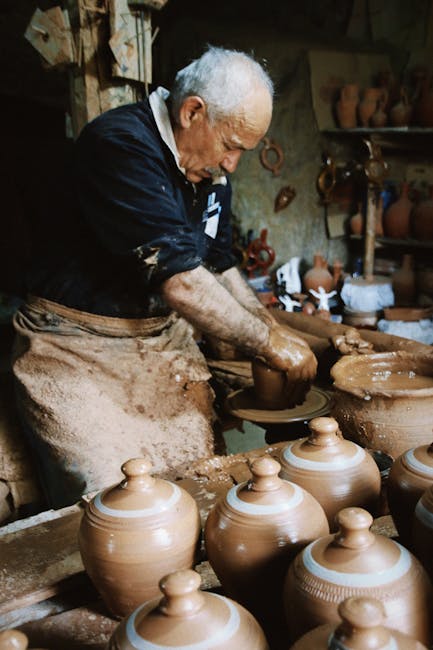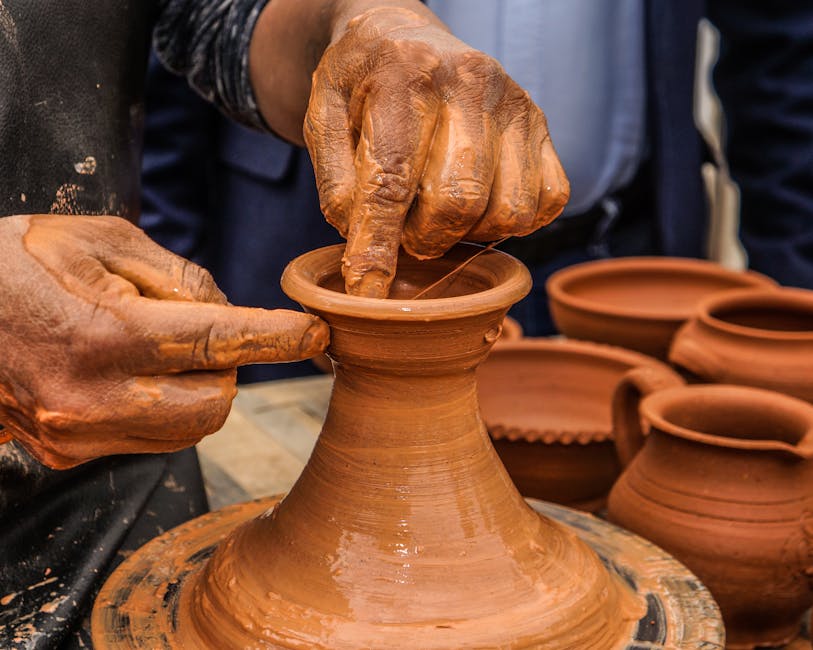





Introduction: Calabrian rural pottery — practical wares and countryside artworks
Calabria, the toe of Italy’s boot, is a region where rural life has shaped not only the landscape but also everyday objects. For centuries, peasant pottery has played a central role here: oil jars, wine jugs, cooking dishes and glazed tiles are born from local clay and shaped by hand by artisans whose techniques have been passed down through generations. These utilitarian pieces, designed to withstand the rough demands of farm life, sometimes become true rural artworks, decorated with traditional motifs, ochre and turquoise glazes, and forms tailored to specific needs — preserving oil, fermenting foods, slow-cooking, or storing seeds.
This general guide aims to immerse you in the world of Calabrian peasant pottery. It’s written for curious travelers, beginner collectors, and folk-art lovers alike. Inside you’ll find suggested routes, workshops and museums, exact addresses, indicative prices, typical opening hours, sensory descriptions of objects and local tips for buying, visiting or joining a hands-on workshop. Keep in mind that times and prices can vary with the season and local festivals; it’s best to double-check with each venue before you go.
The richness of Calabrian pottery lies in its geographic variety. Inland, the clay of Monte Pollino yields sturdy, ochre-toned pieces; along the Ionian coast, Byzantine and Mediterranean influences show in the decoration; in small towns such as Squillace, Seminara or Gerace, family workshops keep ancestral techniques alive. Beyond technical aspects, peasant pottery reflects an economy and a way of life: crop rotation, domestic rituals and an intimate relationship with the land. Buying a jug or a dish in Calabria means taking home a fragment of that history.
In this guide you’ll discover specific places to admire and buy these objects: local museums, open studios, farmers’ markets and specialty shops. I describe each place with its full address, usual opening hours, entrance fees or typical object prices (in euros), and practical advice — how to haggle, how to spot a traditional piece, and how to care for it back home. You’ll also find recommendations for pottery workshops where you can shape your own piece and tips for traveling light while safely packing your purchases.
Finally, the guide includes sensory signposts: the smell of damp earth, the wheel’s friction, the sheen of a glaze drying in the sun. These details aim to make a living tradition tangible — both useful and aesthetic. Whether you’re hunting for a rustic amphora for your cellar, a dish to bake the Calabrian ‘pitta’, or simply keen to watch expert hands at the wheel, Calabria offers a palette of rich, authentic experiences. Follow this guide to plan visits, find the best workshops, and bring home pieces that tell a story — the story of Calabrian rural pottery.
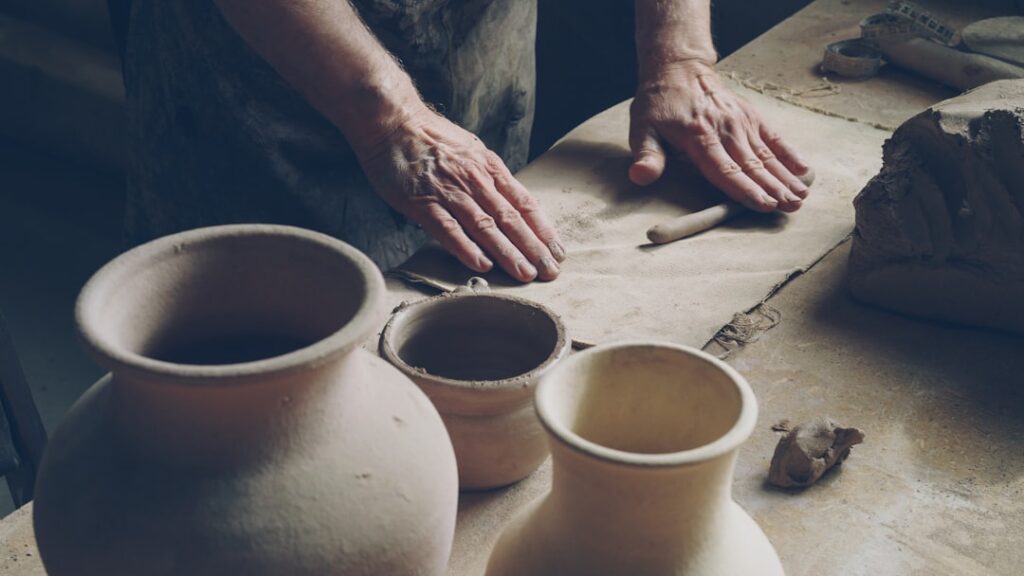
1. Squillace and its ceramic tradition: museums, workshops and shopping
Squillace, a small town in the province of Catanzaro, is often regarded as the historical capital of Calabrian ceramics. The name « ceramiche di Squillace » is synonymous with tradition: earthenware in warm hues, geometric and floral motifs, and shapes made for everyday use. If you want to understand the specificity of Calabrian peasant pottery, Squillace is practically a must-stop.
Museo della Ceramica di Squillace — exhibitions and history
Name: Museo della Ceramica di Squillace
Address: Via Umberto I, 15, 88069 Squillace (CZ), Italia
Typical opening hours: Tuesday–Sunday 09:00–13:00 / 15:30–19:00 (closed Monday). Check during the tourist season.
Admission: General €5, reduced €3 (students and seniors), free for under 6s.
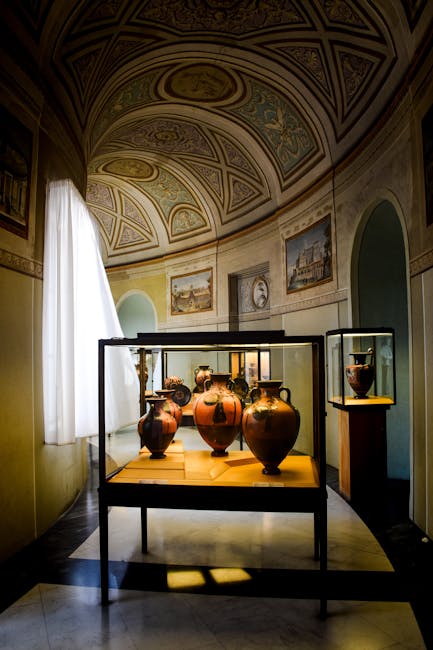
The museum features a collection dedicated to local production, from utilitarian models to decorative pieces. The displays highlight rural forms: ollas for oil, orci for water, and pignatte for cooking. The route is educational: cabinets with archaeological fragments, panels explaining local clays, and filmed demonstrations of traditional potters. The museum shop offers reproductions made by local artisans — perfect for an authentic souvenir.
Laboratorio Artigianale « Officina della Terra » — studio and demos
Name: Officina della Terra – Laboratorio Artigianale di Carmela Russo
Address: Via Vittorio Emanuele II, 22, 88069 Squillace (CZ), Italia
Hours: Monday–Saturday 09:00–13:00 / 16:00–19:30. Sunday by appointment.
Visits & workshops: Free morning demos; 2-hour beginner workshop €45 per person (materials and firing included), 4-hour workshop €85.
For sale: small bowls €8–€25, large jars €60–€180 depending on size and decoration.
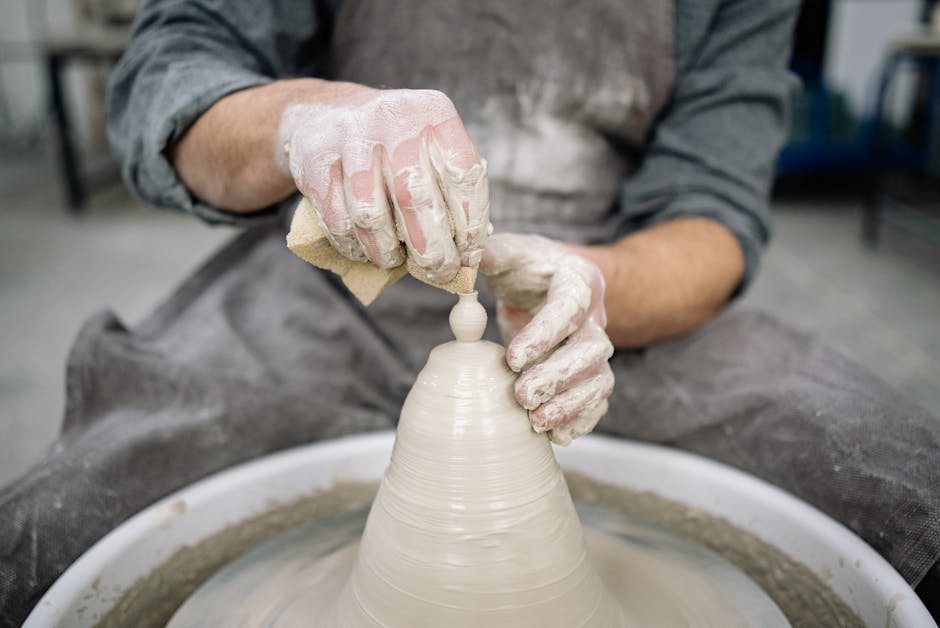
Officina della Terra is a family-run studio where you can watch the wheel in action and take part. Carmela and her team often welcome visitors for practical sessions: shaping a bowl, applying a traditional glaze, and signing your piece. The studio sits on a central street and is easy to reach. Finishes carry a peasant imprint: simple gestures, hand-carved decoration and glazes based on iron and copper oxides that yield deep ochres and vivid greens.
- Local tip: book the workshop in advance, especially in summer. Wear clothes you don’t mind getting clay on — it stains.
- Buying tip: for an authentic piece, ask for the traditional « infornata » firing, recognizable by irregular spots and color variations.
Market stalls and shops: where to find peasant pieces
Squillace’s weekly market (Piazza del Popolo — Piazza Umberto I, often on Thursday morning) is a great place to find utilitarian items: jugs, oil pots and casseroles. Prices at the market are generally lower than in shops. Expect €10–€40 for small objects, €50–€120 for medium pieces, and €150+ for very large or antique jars.
For more secure purchases, the shop « Ceramiche Lo Russo » (Via Roma, 6, 88069 Squillace CZ) offers a curated selection of signed pieces and guarantees origin. Indicative prices: decorated bowls €15–€30, pignatte for slow cooking €40–€90, decorative amphorae €100–€250. Opening hours: 09:30–13:00 / 16:00–20:00 (closed Wednesday).
Don’t leave without enjoying the human contact that often accompanies ceramics here: an espresso and a chat will often lead you to a better piece than any shop window. Artisans love to share the stories behind every motif: a flower for fertility, a spiral for protection, or a small hole in the base of a jar to make draining easier. These details tell of rural economies and local know-how.
2. Seminara, Gerace and artisan hubs: rural traditions and monumental pieces
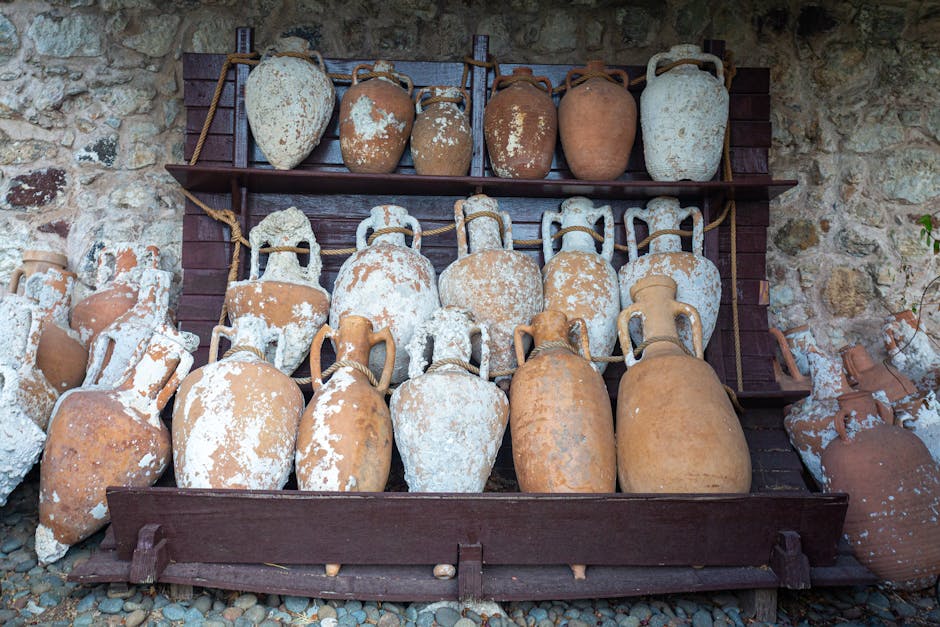
To the west of Calabria, in the province of Reggio Calabria, villages like Seminara and Gerace keep a pottery tradition closely tied to peasant life. Potters there create robust pieces, often in generous formats, intended for storage and family cooking. These objects reflect a mountain-influenced climate and subsistence agriculture: massive shapes, thick walls, and protective glazes for winter use.
Workshop « Ceramiche di Seminara » — family know-how
Name: Ceramiche di Seminara – Famiglia Mancuso
Address: Via Municipio, 12, 89028 Seminara (RC), Italia
Hours: 08:30–12:30 / 15:30–19:00 (daily, sometimes closed afternoons in low season).
Visit: Free entry to the shop; guided workshop tour €4 per person (30 min); introductory class €50 (2h).
Indicative prices: oil pots €35–€120, pignatte €30–€80, decorated containers €20–€60.
The Mancuso workshop is known for its utilitarian forms. Upon entering you feel the rustic atmosphere: packed-earth floors, the scent of drying clay, and stacks of pots lined up for firing. The artisans explain clay mixing, the importance of slow drying on racks, and how some pieces are still fired in traditional kilns. The collection also includes reissues of old shapes, adapted for modern kitchens without losing authenticity.
Gerace — rural museum and conservation workshops
Name: Museo delle Tradizioni Contadine di Gerace
Address: Via del Castello, 3, 89040 Gerace (RC), Italia
Hours: Wednesday–Sunday 10:00–13:00 / 15:30–18:30. Closed Monday and Tuesday.
Admission: €4, guided tours €6 (by reservation).
The Museum of Peasant Traditions in Gerace displays a wide array of rural objects, with pottery playing a prominent role. You’ll see how pieces were integrated into domestic cycles: mills, hoods and earthenware utensils. It’s an ideal place to contextualize what you see in workshops — their uses, functional flaws, and the gestures that go with them. Curators sometimes run workshops for children to pass on basic techniques.
Practical tips for buying and shipping
Pieces from Seminara and Gerace are often bulky and heavy. Here are some practical recommendations:
- Packing: ask the workshop for professional packing (bubble wrap, wooden crates) — additional cost €10–€50 depending on size.
- Shipping: for large items, prefer shipment via carrier rather than airline luggage. Workshops frequently work with local shippers and can get competitive rates (e.g. national shipping €40–€150 depending on volume).
- Local tip: buying several small items from the same artisan can reduce overall shipping costs because packing is optimized.
Finally, bargaining is common but respectful here. Start with a modest discount request (5–10%) and show genuine interest in the technique. Artisans appreciate curiosity, and a friendly rapport can lead to a demonstration or a deeper discount, especially in low season.
3. The Ionian coast and red clay: styles, pigments and local motifs
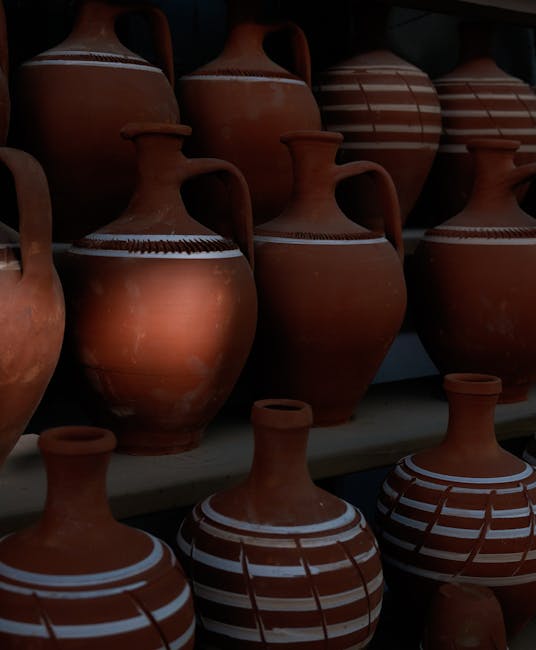
The Ionian coast of Calabria offers a distinct aesthetic in peasant pottery. Iron-rich clay produces warm tones, often enhanced historically with lead-based glazes or today with lead-free alternatives. Motifs tend to be stylized: sprigs, waves and small protective crosses. These decorations, inherited from Hellenic and Byzantine influences, are integrated into utilitarian forms — oven dishes, large table platters for pasta al forno, and vessels for cheese-making or preserves.
« Terre Ioniche » workshop and shop in Locri
Name: Terre Ioniche – Ceramica Artistica di Paolo Bianchi
Address: Via Nazionale, 43, 89044 Locri (RC), Italia
Hours: 09:00–13:00 / 16:00–20:00, closed Sunday morning.
Visit: free morning demonstrations, 2-hour introductory workshop €40, 3-day course €220.
Prices: pirofile (oven dishes) €25–€70, decorated orci €80–€200.
Paolo Bianchi modernizes traditional peasant forms. His Locri shop combines everyday kitchenware with hand-painted pieces intended for decoration. The studio is bright, with large windows letting pieces dry in the sun and casting shadows across glazes. Paolo often explains pigment chemistry: iron oxide for reds, cobalt oxide for blues, and copper oxide for greens. When balanced, these materials create the visual signature of the Ionian coast.
Culinary experiences and specific objects
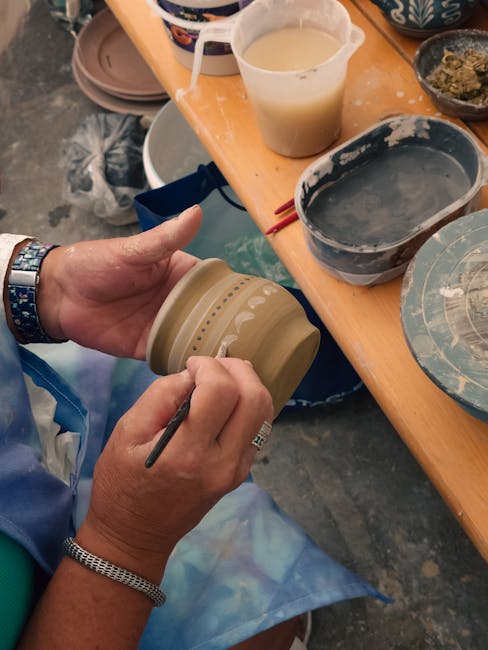
Peasant pottery is woven into Calabrian cuisine: cooking dishes for parmigiana, pirofile for oven-baked dishes, and jars for preserving hot peppers. Here are a few recommended pieces:
- Rectangular pirofila (rectangular oven dish): €25–€55. Ideal for slow-cooked, rustic parmigiana.
- Olla a conserva (preserving pot for peppers and vegetables): €35–€90. Internal glaze and a clay stopper.
- Cheese bowls (molds for fresh cheeses): €18–€45. Allow the shaping of fresh cheeses according to local tradition.
If you’re a foodie, combine a studio visit with a cooking lesson: some potters collaborate with local chefs to demonstrate how pottery affects flavor (slower cooking, better moisture retention). It’s an immersive way to understand the link between form, material and taste.
4. Workshops, schools and seasonal markets: learn and buy directly
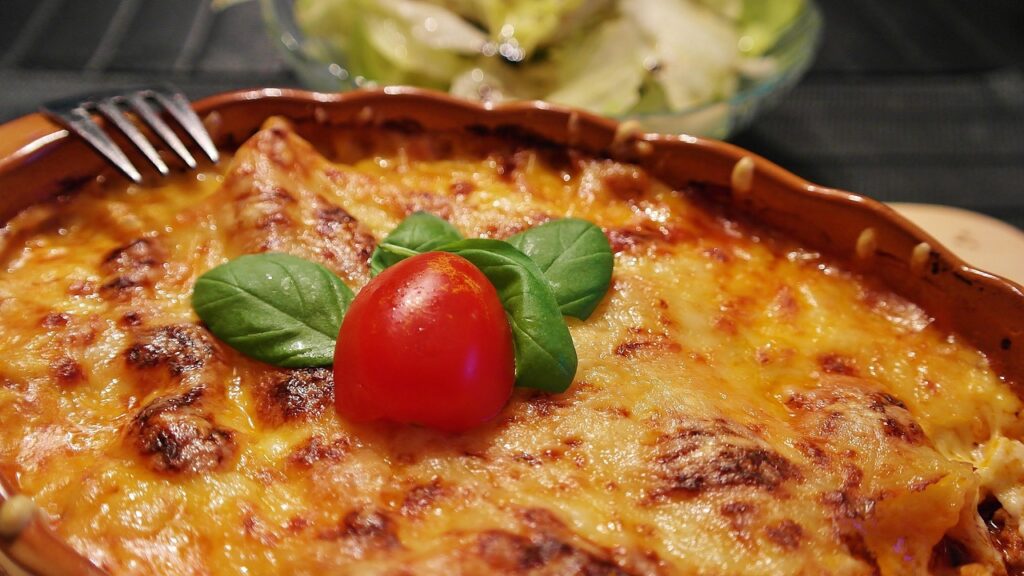
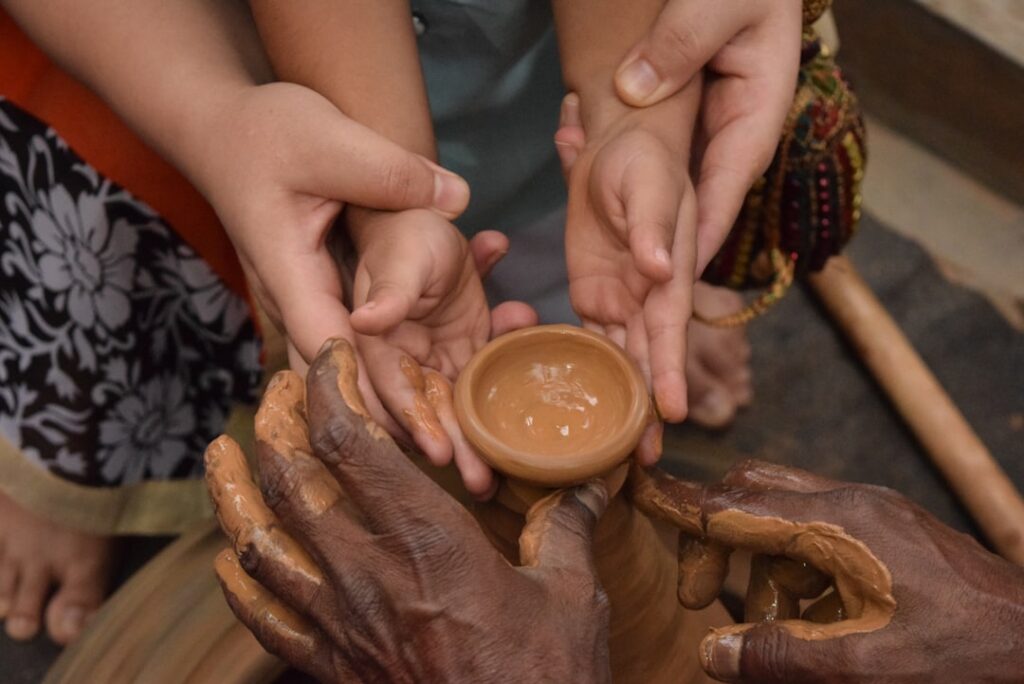
For travelers wanting to try peasant pottery, Calabria offers a range of options: one-hour workshops, multi-day courses and local art schools. These programs are often run by family studios, museums or cultural associations. Joining a workshop not only teaches technique, but lets you take home a piece you made — a souvenir full of meaning.
Recommended schools and courses
Scuola di Ceramica « Il Filo di Argilla »
Address: Via XX Settembre, 10, 89100 Reggio Calabria (RC), Italia
Hours: Weekly classes: Monday–Friday 16:00–19:00; intensive weekend courses by reservation.
Fees: Intro course (3 sessions) €120; weekend workshop €90 incl. firing and materials; 5-day course €380.
The Scuola di Ceramica in Reggio Calabria offers a curriculum for beginners and intermediate students with emphasis on regional traditional techniques. Classes include wheel work, slab building and decorative finishes. Participants also learn clay preparation and kiln safety.
Markets and craft fairs — when and where
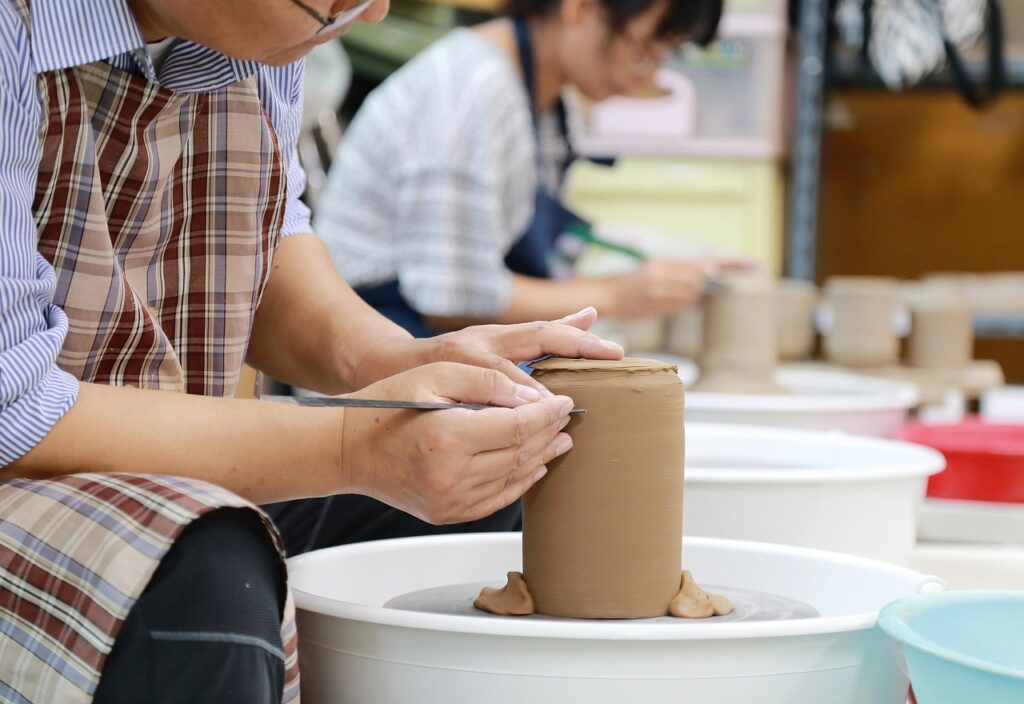
Several seasonal fairs and markets showcase artisanal pottery:
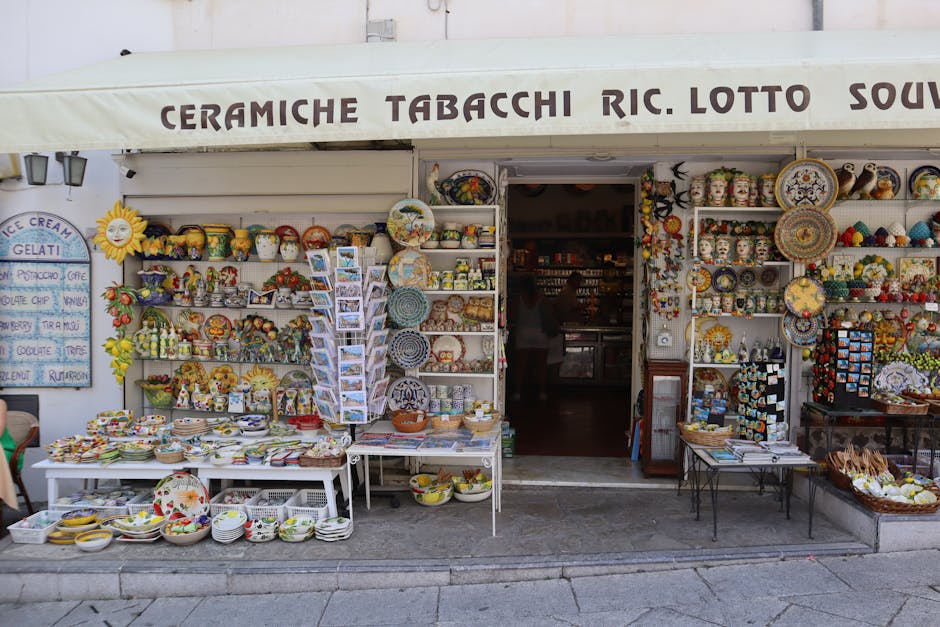
- Fiera di Sant’Anna — Squillace (late July): artisan booths, live demonstrations, direct sales. Event address: Piazza del Popolo, Squillace. Free entry.
- Mercato Artigiano di Gerace (early August): night market in the historic center, children’s workshops and demonstrations. Location: Via del Castello, Gerace.
- Sagre e Mercatini di Reggio Calabria (various dates in summer): urban markets with regional artisans. Main venue: Lungomare Falcomatà, Reggio Calabria.
These events are perfect opportunities to meet producers, get competitive prices and see a wide range of styles side by side. Artisans are often more open to conversation, technical exchange and sometimes discounts for multiple purchases.
Tips for learning and bringing your pieces home
- Booking: workshops fill quickly; book 4–6 weeks ahead in high season.
- Drying and firing: your made piece may require several weeks (drying + firing): check if the studio can ship it to you (shipping fees usually €20–€100 depending on destination).
- Quality assurance: always ask whether the glaze is food-safe — reputable studios will confirm their glazes are lead-free and compliant with EU standards.
5. How to recognize, care for and showcase your peasant pottery
Buying peasant pottery means acquiring an object with a life. To enjoy it for years, it’s useful to know how to spot an authentic piece, care for it properly and display it to best effect. Here are practical tips based on local techniques and uses to help you get the most from purchases made in Calabria.
How to recognize authentic peasant pottery
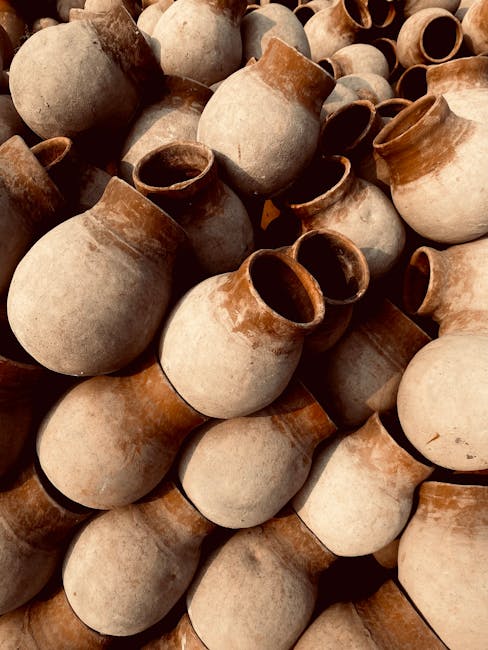
- Wheel marks: most peasant pieces bear traces of tools or fingers: irregular lines, small imperfections. A finish that’s too perfect may indicate an industrial reproduction.
- Glaze: traditional glazes are often uneven, with slight drips and matt areas. Modern glazes are more uniform.
- Stamps and signatures: some workshops sign pieces on the base or use a stamp. Ask the story of the piece — a proud artisan will happily recount family lineage.
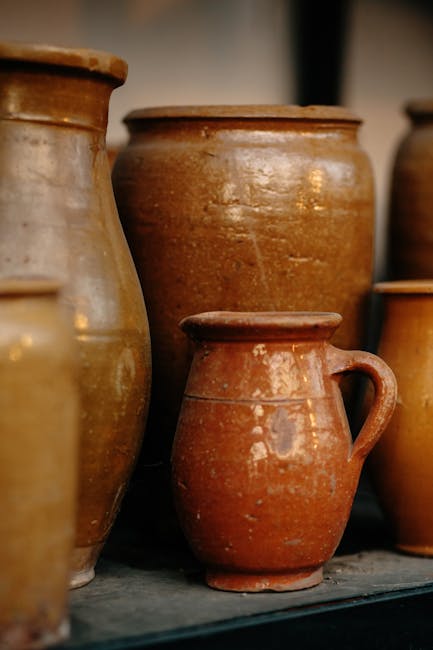
- Weight and thickness: peasant pieces are often thicker and heavier than modern decorative models.
Care and domestic use
For maintenance:
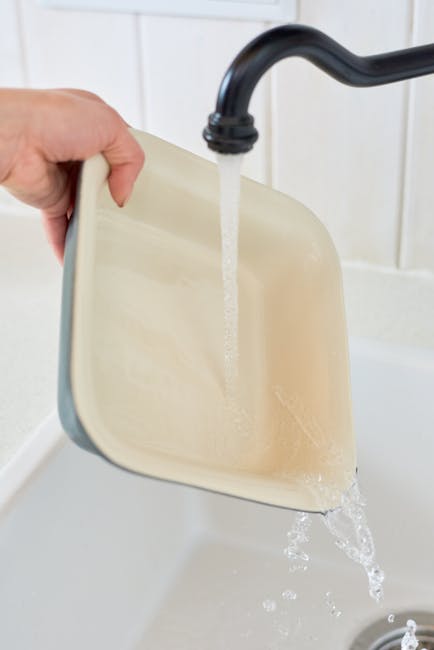
- Before first use (especially for cooking), wash the piece in hot water and let it soak for a few hours to saturate the pores; then, if recommended by the artisan, perform a gentle domestic firing.
- Avoid thermal shocks: don’t move a piece straight from the freezer into a hot oven. Heat it gradually to prevent cracks.
- For food-use items, avoid storing acidic liquids in unglazed containers where possible, as they may attack the clay.
- Cleaning: warm water and mild soap; avoid abrasive cleaners on painted glazes.
Showcasing your pieces — decorative use and restoration
A peasant pottery piece can be highlighted in many ways:
- Practical use: as cooking or storage ware to keep its lived-in patina.
- Home decor: place a large amphora in an entryway or patio, or use bowls as plant pots.
- Restoration: for cracked items, consult a specialist conservator (heritage workshops in Reggio Calabria or Catanzaro) before attempting repairs. Non-professional restorations can damage value and food safety.
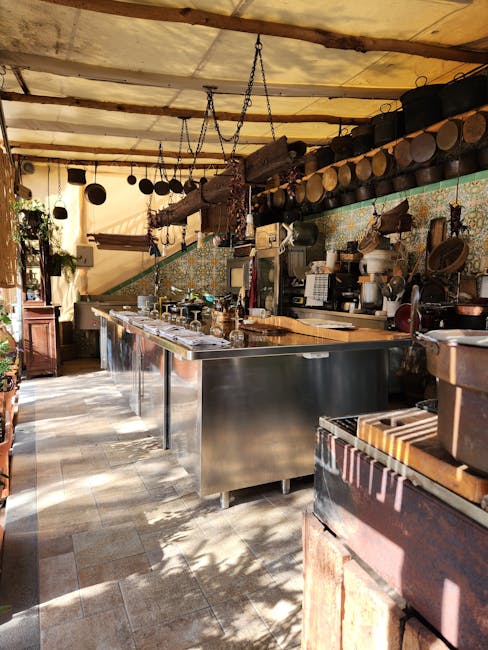
Ultimately, acquiring peasant pottery in Calabria is as much a cultural act as a purchase. Take time to listen to artisans, ask about the clay’s origin, the firing method and the meaning of motifs. A carefully chosen piece will accompany you for years, telling the story of a journey and a living tradition.
Conclusion: Taking home a fragment of Calabria — ethics, souvenirs and sustainability
Calabrian peasant pottery is far more than objects: it embodies an ancient relationship to the land, family know-how and an aesthetic born of necessity. In this guide we’ve visited emblematic places — Squillace, Seminara, Gerace, Locri and Reggio Calabria — to meet workshops, museums and markets where you can see, learn and buy. Each place offers a different perspective: Squillace for its history and earthenware, Seminara and Gerace for the sturdiness of rural forms, the Ionian coast for chromatic glazes, and Reggio for teaching and dissemination of practices.
When thinking of a purchase, consider ethics: favor local artisans, ask about the clay’s origin and prioritize responsible practices. A piece’s price often reflects the time, skill and firing involved; accepting that price helps sustain a craft threatened by industrial production. For transport, plan ahead: professional packing and shipping through local partners avoid problems and protect your purchases.
Make your visit a sustainable experience: take part in a workshop, give a course as a gift, or commit to learning a technique (even a basic one). These interactions strengthen ties between visitor and artisan and help transmit skills. If you bring pieces home, follow the care advice above to preserve their beauty and function.
Finally, remember that the real value is not only material: it’s the shared conversation over a jug, the impromptu lesson by a kiln, the taste of a dish baked in a hand-shaped pirofila. These moments form the memory of the encounter and are the best souvenirs of a trip to Calabria. Before you leave, take time to thank the artisan, buy consciously and commit to telling the story of these pieces to others. In doing so you help keep alive a tradition that remains, today, both practical and profoundly artistic.