





INTRODUCTION
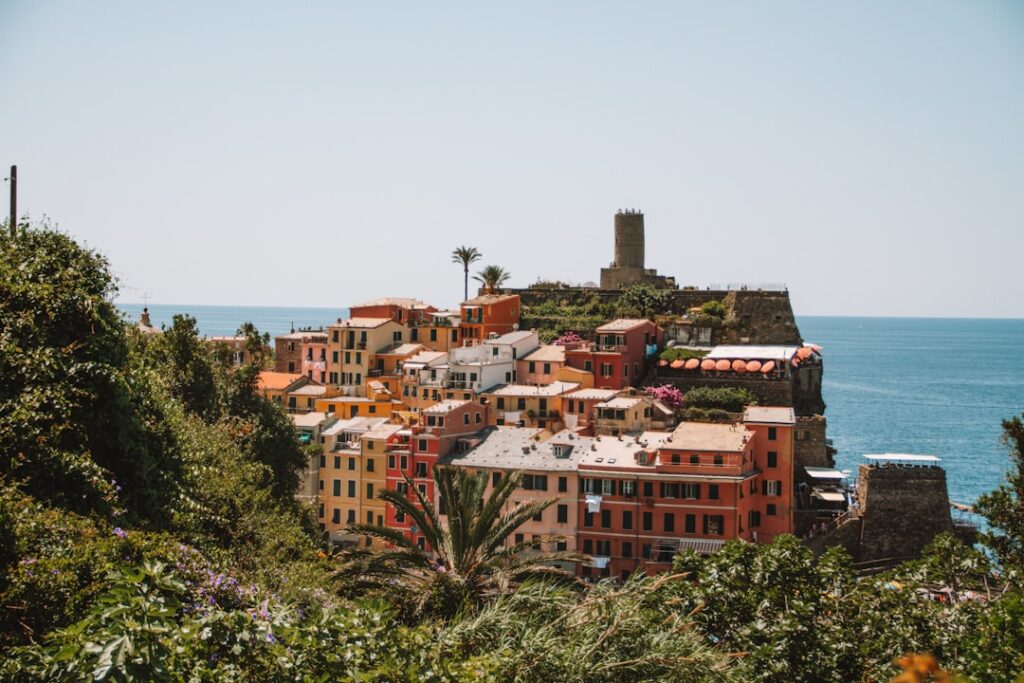
The Ionian coast of Calabria—with its turquoise waters, ochre cliffs and whitewashed villages—is more than just a beach destination: it’s a living cradle of folk arts that have endured for centuries. Among these crafts, coral jewelry and filigree work hold a special place. In workshops tucked between Tropea, Pizzo Calabro, Scilla and Reggio Calabria, artisans keep delicate techniques alive—cutting and polishing Mediterranean coral, and soldering ultra-fine silver and gold wires to create metal lace that hugs the skin like promises from the sea.
Visiting these places means hearing the soft clink of tools, smelling warmed metal, and watching the rosy sheen of raw coral turn into a pendant, a pair of earrings, or a tiara. But it also means understanding an intangible heritage: gestures passed down from mother to daughter, motifs inspired by shells, madrepores and waves, symbols once worn to protect sailors or mark weddings. Filigree pieces—often in 925 silver or 18K (750) gold—show incredible finesse; twisted wires, folded and soldered with no visible trace, create airy arabesques around a stone or a cabochon of red, pink or orange coral.
In this article I’ll take you to the most emblematic workshops and shops along Calabria’s Ionian shore. I’ll list exact addresses, opening hours, price ranges, and practical tips for recognizing real coral, avoiding fakes, haggling a fair price and safely shipping bulky pieces. Whether you’re a collector, an inquisitive traveler or hunting for a one-of-a-kind souvenir, this guide will help you navigate between tradition and modernity, between local craft and tourist offerings.
I’ll also share advice on caring for your coral and filigree jewelry, explain local symbolism, and outline how to make your shopping experience memorable: when to visit a workshop to catch the best light on the Ionian Sea, which artisans to choose for custom work, and how to balance cultural discovery with coral protection rules. Ready to dive into the sparkling world of handcrafted Ionian jewelry? Follow the guide.
Must-Visit Workshops & Shops: Tropea, Pizzo Calabro and Scilla
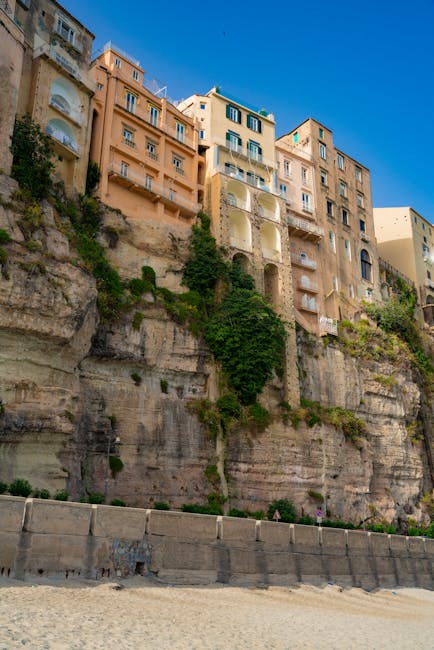
Perched on a cliff overlooking the Ionian Sea, Tropea is an essential stop for anyone searching for cut coral and filigree jewelry. Three spots stand out.
- Laboratorio Orafo Corallo di Tropea – Via Umberto I, 12, 89861 Tropea (VV). Opening hours: Tuesday–Sunday 10:00–13:30 and 16:00–19:30 (closed Mondays). Typical prices: simple coral pendants from €60, coral rings set in silver from €120, bespoke pieces from €250 (free estimate). Description: a public workshop where you can watch coral cutting, polishing and the first filigree soldering steps. Artisan Francesco is happy to explain the coral’s origin and show raw samples. Practical tip: arrive in the morning to see the ideal light through cabochons, and book a demonstration by calling +39 0963 000000 (example number, please call ahead).
Heading down to the shore, Pizzo Calabro offers a more intimate, historic atmosphere, especially around the Castello Murat and the old town.
- Bottega del Corallo – Via Garibaldi, 5, 89812 Pizzo (VV). Opening hours: daily 09:30–13:00 and 15:30–20:00. Prices: simple coral bracelets €45–90, braided necklaces €80–350, filigree pendants with coral €150–600 depending on coral quality and workmanship. Description: a family-run shop with carefully arranged displays and engraving service available. Tip: pair your visit with a tasting of tartufo di Pizzo (local ice cream) at Gelateria F.lli Romeo, 50 m away, for a delicious break.
Further south, Scilla—at the foot of the Chianalea promontory—hosts workshops more rooted in maritime tradition.
- Antica Oreficeria di Chianalea – Via Chianalea, 34, 89058 Scilla (RC). Opening hours: Wednesday–Monday 10:00–13:00 and 16:00–19:30 (closed Tuesdays). Prices: filigree earrings €85–220, complete sets €400–1,200. Description: pieces often feature marine motifs (starfish, anchors, shells) set with local coral or enamel. Master goldsmith Giulia also runs introductory workshops (1.5 hours, €40 per person) to teach the basics of filigree.
These three hubs form a golden triangle for lovers of handmade jewelry. Practical tip: buy from a recognized workshop and ask for a detailed invoice listing materials (silver 925, gold 750, Mediterranean coral). For purchases over €300, request a certificate of authenticity or a quick in-store appraisal, often available for €20–50.
How to Recognize and Choose Genuine Mediterranean Coral
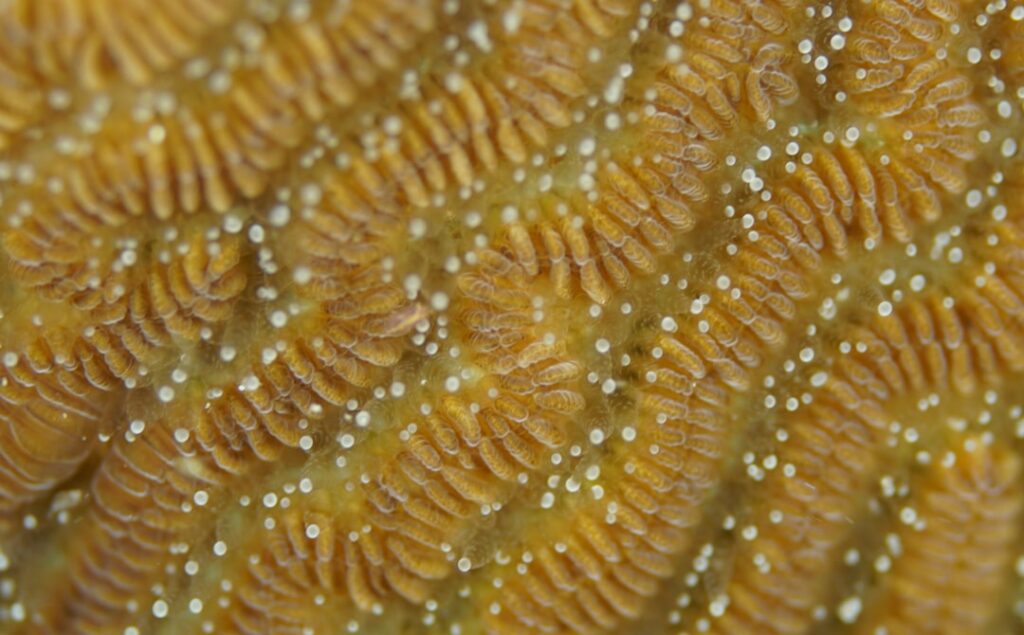
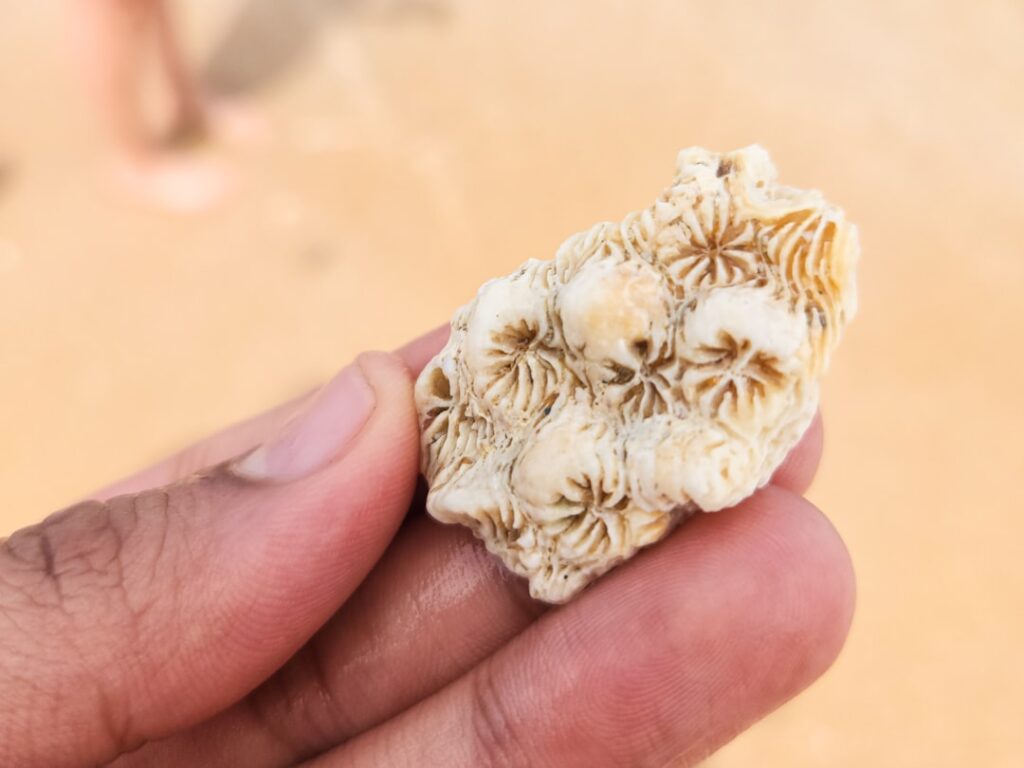
The coral traditionally used in Calabria mainly comes from historic Mediterranean species like Corallium rubrum. Colors range from deep red to pale pink and orange hues. However, tourist markets feature many imitations (dyed coral, resin or plastic) and coral imported from Asia sometimes sold as « Mediterranean. » Here’s how to tell real from fake.
Visual and tactile checks: genuine coral has a granular internal structure visible under strong light or if a thin slice is examined (obviously not recommended in-store). Under a loupe you’ll spot fine radial striations. To the touch, solid coral is heavier and feels cooler than resin. A quality setting in silver or gold will be hallmarked (e.g. 925 for silver, 750 for gold): check for a stamp on the mount.
Resistance test: natural coral does not melt and is resistant to solvents. Ask the seller to discreetly expose an edge to an alcohol-soaked cloth: if color rubs off or it becomes sticky, that’s suspicious. A simple method is to run your fingernail over the back in a discreet spot if possible: true coral won’t flake easily or leave a colored residue. These tests should remain subtle—favor trust and certificates when possible.
Price as an indicator: quality Mediterranean coral is rare and therefore expensive. Expect to pay: fine coral bead necklaces €150–600, quality pendants €120–800 depending on size and color. If someone offers a large deep-red cabochon for €30–50, be very wary. Local labels and shops affiliated with the Chamber of Commerce are good benchmarks.
Buying tips: always ask for a detailed invoice specifying the type of coral and the setting material. If you plan to export, keep the invoice for customs and insurance. For antique pieces, request an appraisal with documentation and photos, especially if the price exceeds €1,000. Lastly, consider coral conservation: favor shops that work with responsible suppliers and offer alternatives like recycled beads or certified coral.
Techniques & Customization: From Traditional Filigree to Contemporary Creations
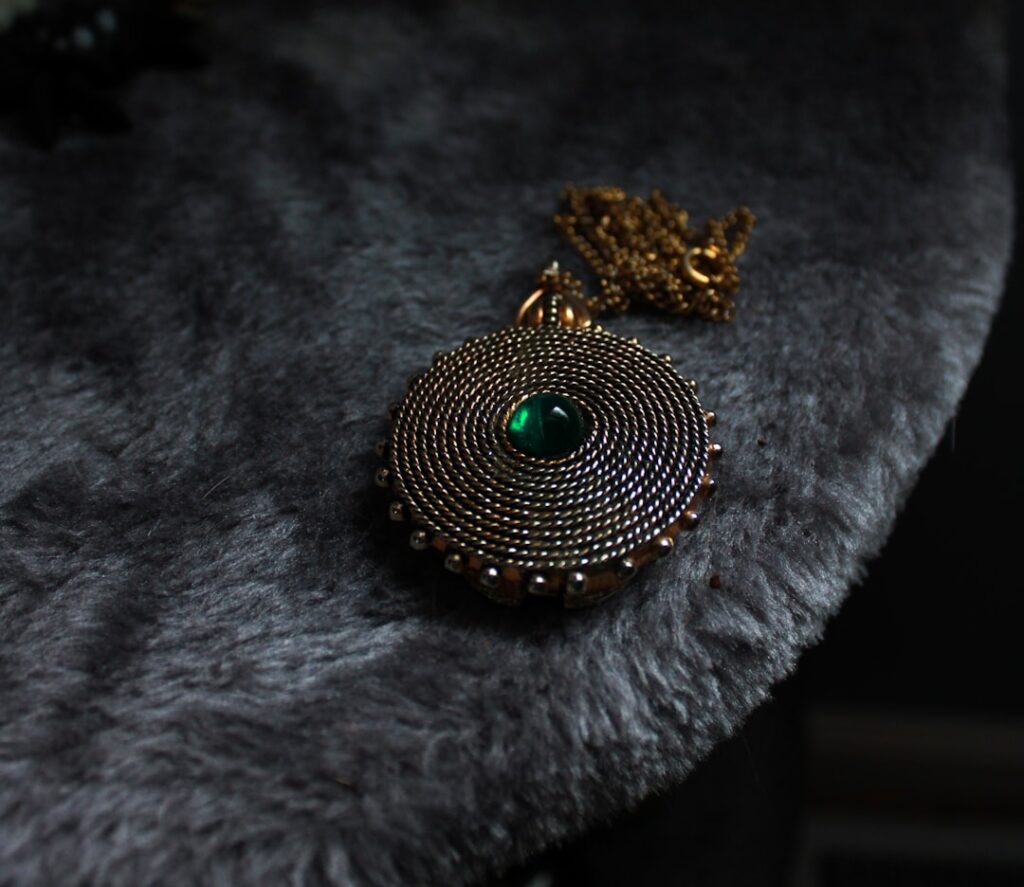
Filigree is the art of assembling extremely fine metal wires—silver or gold—to create lace-like patterns. In Calabria, this craft dates back to the Middle Ages and was enriched by Byzantine and Arab influences. Artisans use concentric wires, twists and small granules soldered together to form pendants, necklaces, tiaras and cufflinks.
Visiting a workshop reveals the meticulous process: wire is drawn down to hair-thin thickness, rolled with a file to achieve a perfect twist, then folded and soldered in small sections. Wire gauge (e.g. 0.3 mm to 1.0 mm) determines the work’s fineness. Traditional pieces often use 925 silver, but more and more artisans offer 18K (750) gold versions for special orders.
Customization is a major part of the offering. Many workshops do bespoke work: name engraving, incorporating an heirloom element (reusing a diamond or pearl) or designing a piece for an event (wedding, anniversary). Indicative prices: simple modification (replacing a setting) €30–80, basic custom creation €200–500, complex gold projects €800 and up (detailed quote required). Lead times: expect 7–30 days depending on complexity and season.
Some workshops provide a « create with the master » service: you pick materials, discuss design with the goldsmith and observe key production stages. It’s a unique memento and a great way to learn about the material’s constraints. Example: Orafo Arte & Tradizione – Via Roma, 21, 89128 Reggio Calabria (RC) offers private sessions (2 hours, €80 per person) and consultations by appointment. Opening hours: Monday–Saturday 09:00–13:00 and 15:30–19:30 (closed Sunday).
Practical advice: for a custom piece bring visual references (photos, sketches) and state your maximum budget. Always request a preliminary sketch and a written timeline. Check hallmarks and ask for a final inspection in natural light. If you plan to ship, choose insured delivery (insurance covering the declared value) and keep dated photos before shipping to expedite any claims.
Practical Tips for Traveling, Buying and Caring for Your Jewelry
Visiting the Ionian coast to buy coral and filigree jewelry takes a little planning. Here’s a set of practical, logistical and care tips to make your experience smooth and sustainable.
Getting around: Calabria is best explored by car. Rent a vehicle at Lamezia Terme Airport (Aeroporto Internazionale di Lamezia Terme, Via Aeroporto, 88046 Lamezia Terme CZ); rentals start at about €25–40/day off season. Towns like Tropea, Pizzo and Scilla are reachable by train (Ferrovie dello Stato) but more remote workshops may require a taxi or a walk. Tip: plan trips for late afternoon to enjoy golden light, and wear comfortable shoes for cobbled alleys.
Budget and payment: most jewelers accept cards, but some small craft shops prefer cash. Bring €100–300 in cash if you plan on several modest purchases. For larger pieces, use a card with international authorization and always ask for an invoice. VAT: keep invoices for VAT refunds if you leave the EU (check conditions and thresholds based on your country).
Transport & customs: when exporting coral, follow international and local regulations. Protected coral may require CITES certificates; most small coral pieces sold in shops are legal but request documentation. For international shipping, use a reputable carrier (DHL, UPS, or Poste Italiane recommended for registered shipments) and insure the item for its full value (insurance costs usually 1–3% of declared value).
Care: coral is organic and sensitive to chemicals. Avoid perfume, alcohol and prolonged exposure to seawater. Gentle cleaning: slightly damp microfiber cloth; dry immediately. For silver filigree, use a silver polish or anti-tarnish cloth. Store pieces separately in fabric pouches or a lined box to prevent scratches and shocks.
Ethical behavior: favor workshops that display material provenance and responsible practices (recycling silver offcuts, local partnerships for non-protected coral procurement). Supporting local artisans also means respecting their prices and skills—haggling is acceptable in some shops, but avoid aggressive bargaining, especially during high season.
CONCLUSION
Calabria’s Ionian coast is a place where the sea shapes forms and where artisanal heritage speaks through jewelry that tells stories—of sailors, weddings, protection and aesthetics. Between Tropea’s workshops, Pizzo’s alleys and Scilla’s shop windows, visitors will find a varied offering: traditional Mediterranean coral pieces and contemporary filigree creations in silver and gold. These jewels are more than objects: they’re the result of a fragile, demanding craft deeply tied to the surrounding land and sea.
Buying a piece in Calabria also comes with responsibility: learn about the coral’s origin, request certificates, favor transparent artisans and think about how to care for your item. Prices often reflect this quality—a finely worked filigree set or an exceptional coral cabochon will cost in line with its rarity and the labor involved. Customization offers a unique way to bring back a fragment of Calabria, whether as a travel memento or an emotionally charged gift.
Finally, planning your trip around specific addresses, opening hours and logistical tips will help you have a seamless experience: you’ll gaze at the sea, step into workshops smelling of warmed metal, listen to master goldsmiths’ explanations, and perhaps leave with a piece that will accompany your future milestones. Whether you’re a seasoned collector or an enchanted visitor, let the Ionian coast reveal its coral and filigree treasures—handmade jewelry that still bears the intimate signature of a region where craftsmanship remains, thankfully, alive.