





Introduction
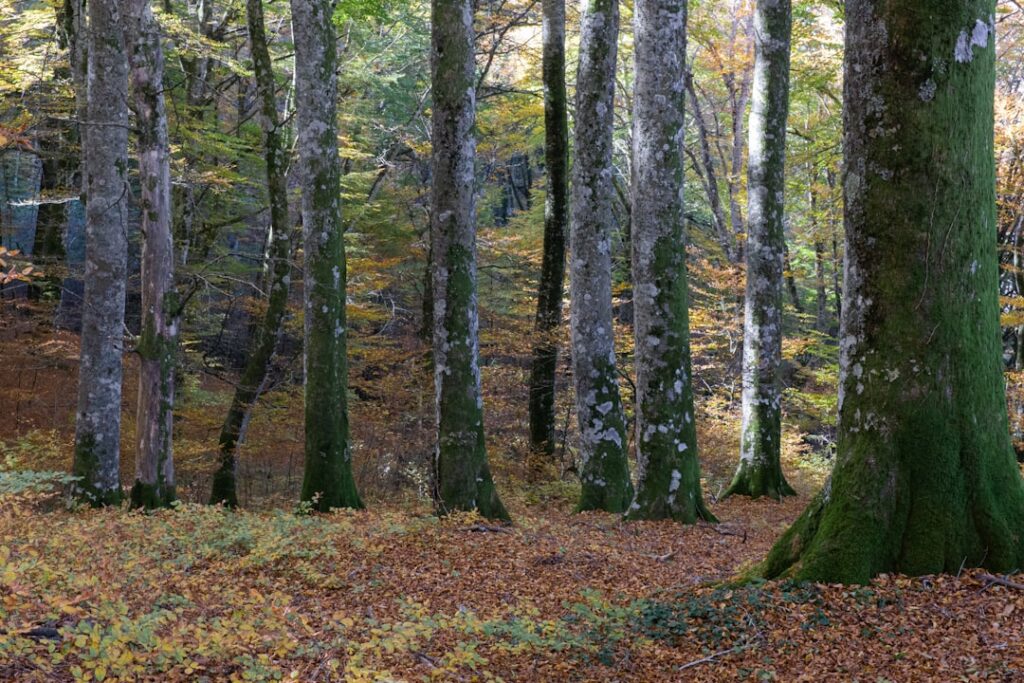
The Pollino massif, a natural border between Calabria and Basilicata, is one of Southern Italy’s most authentic and untamed destinations. Walking the cliffs of the Pollino is a full-sensory journey between rock and sky: razor-sharp ridges, deep gorges, ancient beech and pine forests, and vistas that, on clear days, stretch all the way to the Ionian Sea. The Parco Nazionale del Pollino, which protects about 1,925 km² of this landscape, is a playground for hiking, raptor-watching, and discovering a living rural heritage — stone villages, family-run trattorias and stony lanes where time seems to slow down.
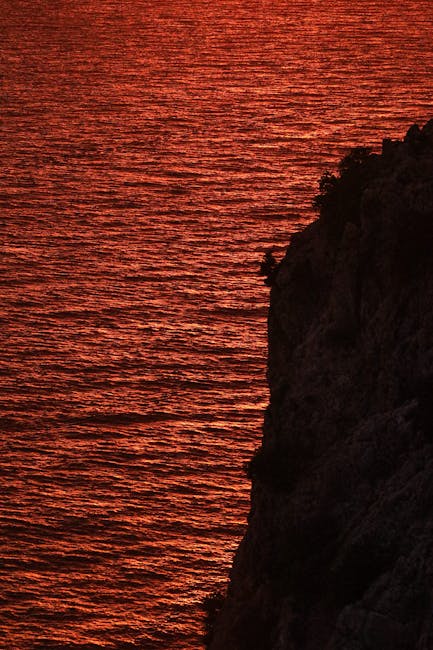
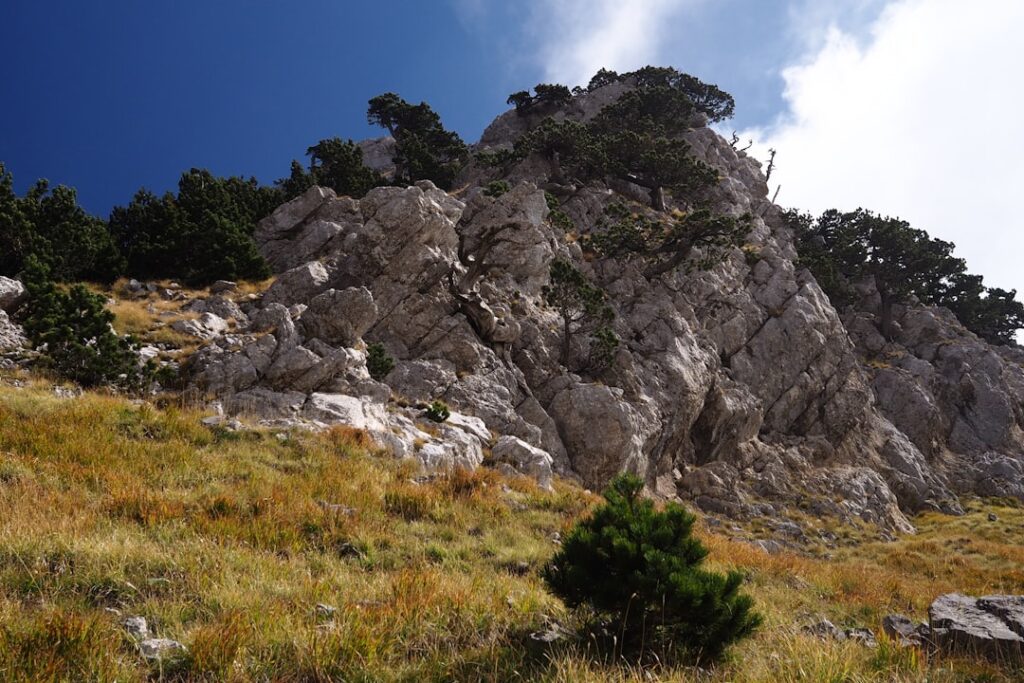
On the trails along the cliffs you first feel the verticality of the terrain: steep rock faces like those of the Costa dei Saraceni or the limestone outcrops of the Serre, where erosion has carved natural viewpoints. Higher up, the Serra Dolcedorme (2,267 m) offers 360-degree views over the Pollino plateaus, while the narrow valleys, such as the Valle del Lao or Valle del Raganello, invite you down into cool gorges and the drama of rushing water. The contrasts are striking: a misty morning on the ridges, an afternoon of low light revealing geological layers, a sunset setting the hilltop villages ablaze. The experience is as physical as it is contemplative.
Practically speaking, cliff hiking in the Pollino requires preparation and respect for park rules: appropriate gear, basic navigation skills, staying on marked trails and respecting refuge hours. Beyond the effort, the charm of the Pollino lies in encounters with local culture — craftsmen, shepherds and restaurateurs keeping age-old recipes and know-how alive. On foot along the Pollino cliffs, hikers discover not only vast panoramas but also a genuine rural Italy far from mass tourism circuits.
Serra Dolcedorme Trail: the Ascent, Viewpoints and Practical Tips
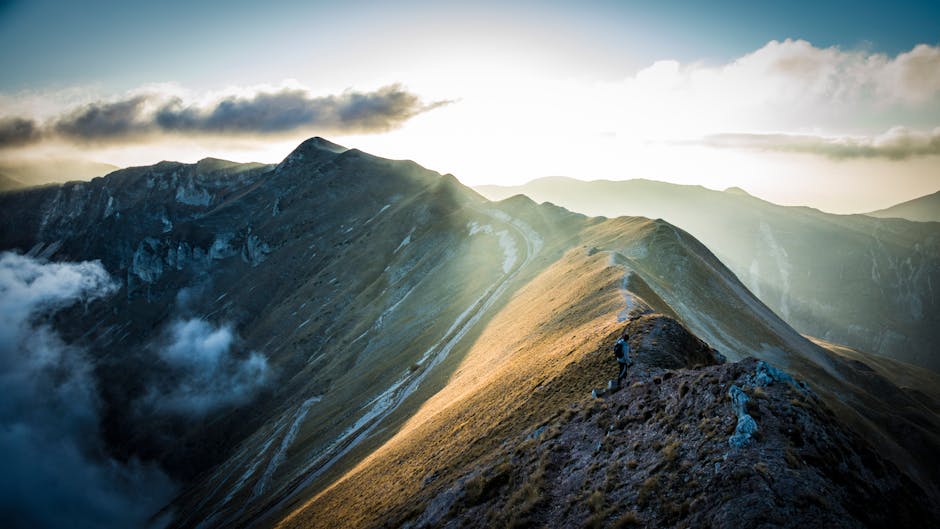
Serra Dolcedorme, the highest point of the Pollino massif (2,267 m), is a must for anyone chasing the widest panoramas. The classic start is near the village of San Severino Lucano (PZ), but from the Calabrian side you’ll often access it via Castrovillari (CS) or Morano Calabro (CS). The refuge and visitor center « Centro Visite del Parco – Castello Normanno » in Castrovillari, located at Piazza Municipio, 1, 87012 Castrovillari (CS), is a handy spot to pick up maps and information; it’s open Tuesday to Sunday from 09:00 to 18:00, free entry. Local guides offer guided ascents: typical rates are €40–70 per person for a day, depending on group size.
The climb to Serra Dolcedorme alternates scree (moraines), alpine meadows and exposed rock sections where solid hiking boots, poles and sometimes gloves for steep stretches are recommended. Allow a minimum of 6–8 hours round-trip from the main parking (starting altitude ~1,500 m) if you’re in good shape. Bring water (2–3 liters), high-energy food and a topographic map (IGM or CAI trail map). The views from the ridge reveal the Pollino mountain chain, the Moscato plateau and, on clear days, the sea on the horizon.
Safety and practical advice: check the weather before you go (afternoon thunderstorms are common in summer) and tell the refuge or the Centro Visite your intended route. In winter the area can be snowy and may require crampons and an ice axe: high-altitude refuges have specific rules and sometimes close seasonally. To sleep after the ascent, Rifugio Pollino (Via del Rifugio, 24, 87010 Piano Provenzana — check local availability) offers dorm beds from about €25–40 per person, sometimes with meals available for an extra €10–15.
Raganello Gorges and Viewpoints on the Costa dei Saraceni
The Valle del Raganello is famed for its deep gorges, crystal-clear streams and a sequence of viewpoints offering dizzying panoramas. The main access is from Civita (CS), a small Arbëreshë village perched above the valley: useful address for the tourist office — Ufficio Turistico Civita, Piazza San Marco, 1, 87010 Civita (CS), open daily in season from 09:00 to 19:00. The Raganello Gorge trail is waymarked and crosses several footbridges and observation points; entry to the natural site is free, though parking near the entrances (for example, Parking Valle del Raganello, Strada Provinciale 161, 87010 Civita) may charge €3–5 per day.
The Costa dei Saraceni, a rockier and steeper ridge on the Calabrian side, features limestone cliffs sculpted by wind and rain. Lookouts like the « Belvedere di Civita » (Piazza del Belvedere, 87010 Civita) offer spectacular perspectives over the gorges and the village below. Hikes along the cornices demand caution: narrow sections, no guardrails and potential encounters with mountain animals. In hot months, head out early to avoid the heat and carry sun protection and a hat.
Things to try afterwards: dive into the local cuisine — Osteria del Raganello, Via Roma, 12, 87010 Civita (CS), serves traditional dishes: pappardelle with goat ragù (around €10), roast lamb (€12–15). Typical opening hours: 12:00–14:30 and 19:30–22:30, closed on Mondays off-season. For lodging, the guesthouse « B&B La Terrazza sul Raganello » (Via Belvedere, 3, 87010 Civita) offers rooms from about €45 per night. Book in high season.
Morano Calabro and the Hilltop Villages: Heritage, Addresses and Views
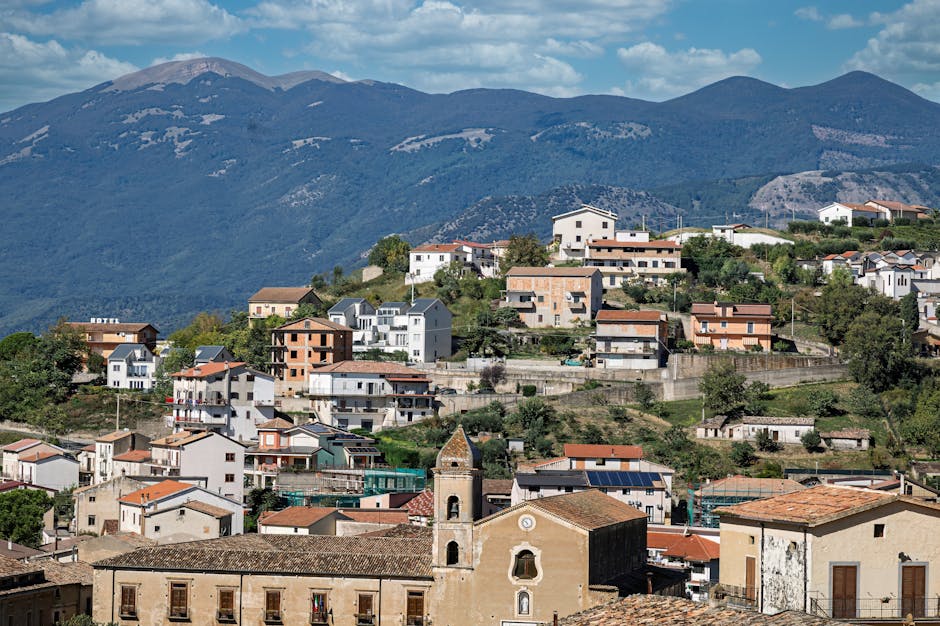
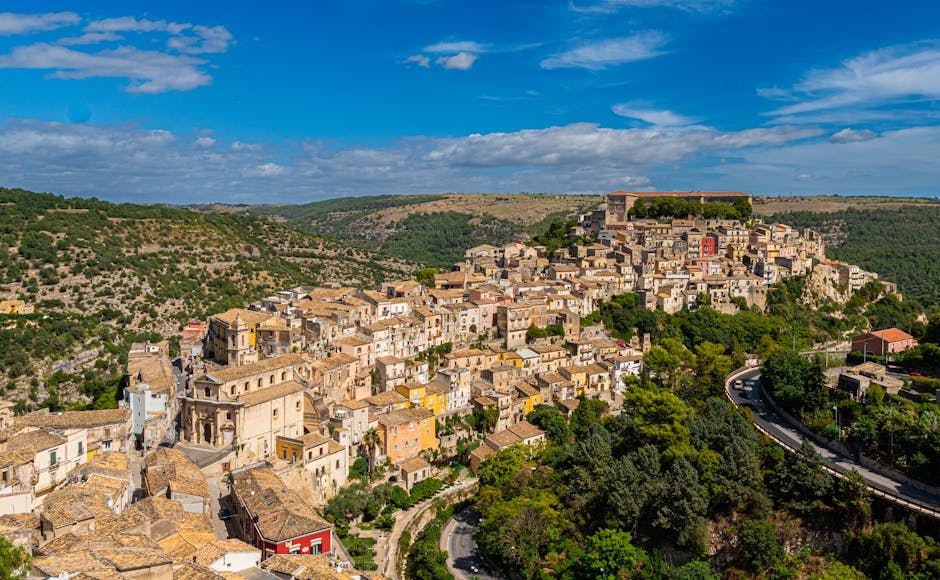
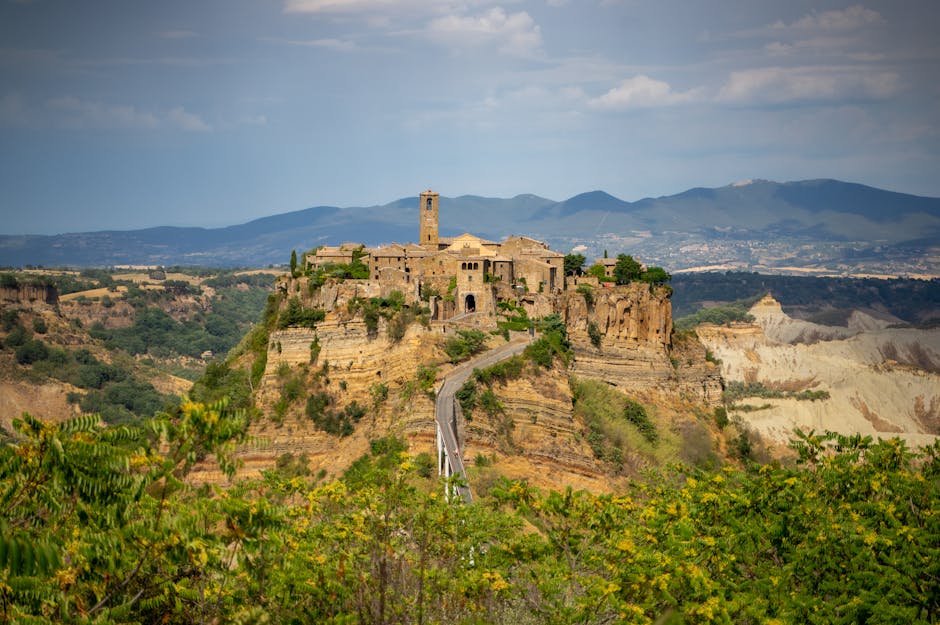
Morano Calabro, nicknamed « the pearl of the Pollino, » is a medieval village that acts as a balcony over the surrounding cliffs. Start your visit at Palazzo Strozzi (Piazza Garibaldi, 1, 87016 Morano Calabro CS), which sometimes hosts temporary exhibitions; opening times vary by season, generally 10:00–13:00 and 16:00–19:00, entrance fee €3–6. Wander the medieval lanes up to the viewpoints at Torre Normanna, where the view across the massif’s geological layers is striking.
Trails departing from Morano drop down to rocky platforms with dramatic outlooks: the « Balconata di Morano » (access from Via della Costa) is especially photogenic at sunrise. The panoramas include a succession of ridges, the village of Castrovillari and, on clear days, the Ionian Sea in the distance. For a post-hike meal, Trattoria Da Nino (Via Roma, 45, 87016 Morano Calabro) serves local specialties: fileja with meat sauce (€8–10), bruschette and local wines (glasses from about €3). Hours: 12:00–14:30, 19:00–22:00, closed Wednesdays off-season.
Practical tips for visitors: park at the public Piazza Municipio lot (free or around €2 a day depending on season), then explore on foot to preserve the village’s pedestrian charm. Local craft shops sell woven textiles and mountain cheeses; don’t miss tasting the nearby ricotta salata. Local guides offer historical and geological tours (rates €25–50 depending on duration). For photographers, the golden hour—morning or evening—is best: the village stone warms to rich tones against the deep shadows of the cliffs.
Conclusion
Walking the Pollino cliffs in Calabria means entering a territory where nature sets the pace and every viewpoint tells a geological and human story. From summits like Serra Dolcedorme to the Raganello gorges and hilltop villages such as Morano Calabro and Civita, visitors discover grand landscapes, varied routes and warm, sincere hospitality. The trails demand preparation and respect: know the opening hours of visitor centers and refuges, pack the right gear (hiking boots, water, sun protection), and check trail conditions to fully enjoy the experience.
Some handy addresses to remember: Centro Visite del Parco – Castello Normanno, Piazza Municipio, 1, 87012 Castrovillari (CS), for information and guides; Ufficio Turistico Civita, Piazza San Marco, 1, 87010 Civita (CS), for access to the Raganello gorges; Palazzo Strozzi, Piazza Garibaldi, 1, 87016 Morano Calabro (CS), to discover local heritage. Costs remain reasonable: most trails are free, parking generally costs €3–5, refuges offer dorm beds around €25–40, and meals at local trattorie range from €8 to €15 for a main course. Check seasonal opening times, especially in winter or off-peak periods.
Finally, give yourself time: the Pollino is best savored slowly, between contemplative pauses at viewpoints, lunches in family-run inns and conversations with locals. The images will stay with you — jagged cliffs against a dramatic sky, beech forests bathed in mist, clear streams running through deep gorges — but the lasting memory will likely be the feeling of having touched a well-preserved corner of Italy. Whether you’re an experienced hiker or simply love wide open spaces, the Pollino cliffs deliver unforgettable panoramas and a memorable adventure in the heart of Calabria.