





Introduction — Why choose a coastal trek in Calabria?
Calabria, that stretch of land jutting like a finger into the Mediterranean off the southern tip of Italy, remains one of the peninsula’s best-kept secrets. Between fine sandy beaches, wind-swept cliffs, wild coves and fragrant maquis, a coastal trek in Calabria is a full sensory journey: the sea slapping against the rocks, the scent of aromatic herbs (rosemary, myrtle, wild lavender), cicadas singing in summer, and breathtaking panoramas around every bend. These walks appeal to hikers seeking varied trails, photographers chasing the Mediterranean light, and culture-minded travelers who like to mix their stages with historic sites and tasty local stops.
Beyond the coastline, Calabria blends Greek, Byzantine, Aragonese and Neapolitan influences visible in its monuments, small rock-hewn churches and hilltop villages. Coastal paths often follow ancient routes worn by shepherds and fishermen: it’s a crossing that’s both natural and human. A coastal trek in Calabria is not just a succession of beaches but an immersion in micro-landscapes — sea arches, medieval watchtowers, terraced citrus groves, sea caves you can reach by kayak — and in a way of life where the pace is slowed by sun and sea.
Practically speaking, Calabrian coastal itineraries work well as daily stages of 10–20 km, with accommodation possible in historic centers (typical houses) or agriturismi inland. The climate is mild in winter and hot in summer; the best times to hike are spring (April–June) and autumn (September–October), when temperatures are pleasant and crowds are thinner. This guide offers routes, must-see sites, exact addresses (monuments, museums, parking and tourist offices), indicative prices, usual opening hours, and local tips to fully enjoy a coastal trek between beaches and maquis in Calabria.
Before you set off, know that some sections include rocky stretches and elevation changes, access to drinking water can be limited on certain trails, and waymarking varies: carrying a detailed map, a portable GPS (or offline app), and basic kit is recommended (light but grippy hiking shoes, sun hat, sunscreen, a water reservoir of 2 liters or more depending on distances). Finally, Calabria remains a place where local generosity often shows through simple, warm hospitality: don’t hesitate to ask locals for advice or shortcuts.
1) Signature route: the Costa degli Dei (Pizzo–Tropea–Capo Vaticano)
The Costa degli Dei (the « Coast of the Gods ») is one of Calabria’s most famous coastal sections for a trek that’s both scenic and accessible. The classic route follows the Tyrrhenian coast between Pizzo Calabro and Capo Vaticano, passing through Tropea, alternating cliffs overlooking the sea, golden beaches and fishing villages. This stretch can be done in 2 to 4 days depending on your pace and stops. The linear distance between Pizzo and Capo Vaticano is roughly 25–30 km, but with detours and viewpoints you can easily plan for around 40 km of walking.
Notable points of interest:
- Santuario di San Francesco da Paola in Pizzo Calabro — Address: Piazza della Repubblica, 89812 Pizzo (VV). Opening hours: usually 08:30–12:30 and 16:00–19:30 (varies by season). Free entry. The church and the piazza overlook the harbor and make a perfect viewpoint to start your trek.
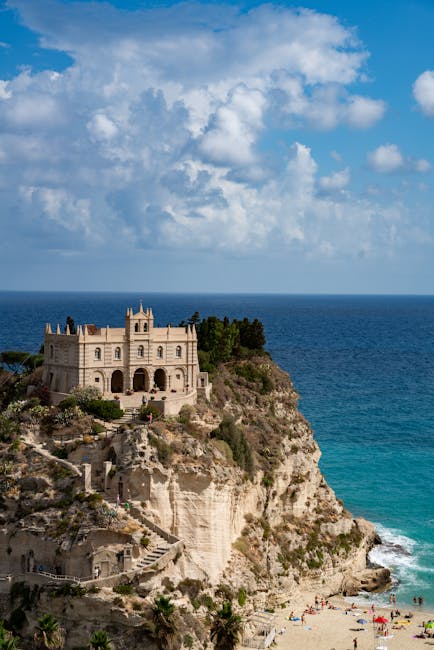
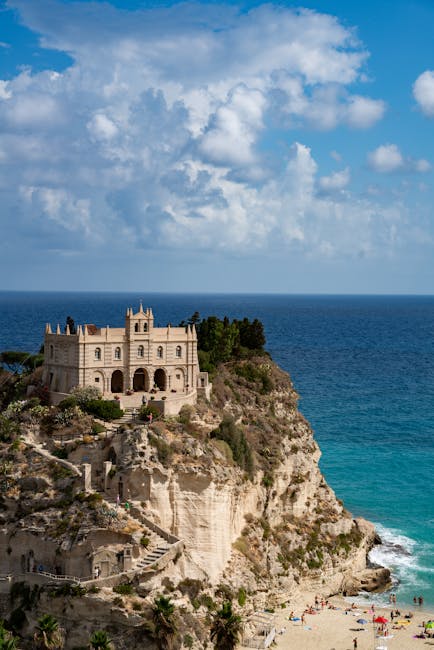
- Santuario di Santa Maria dell’Isola in Tropea — Address: Piazza Ercole, 89861 Tropea (VV). Opening hours: 09:00–12:30, 15:30–19:00 in high season (sometimes closed for services). Access fee to the esplanade: variable (around €2–3 to access the platform depending on events). The little rock island above Tropea beach is one of Calabria’s most photographed panoramas.
- Belvedere di Capo Vaticano (viewpoint) — Address: Strada Statale 522, 89866 Ricadi (VV). Free parking at the main viewpoints, good paths down to the coves below (Grotticelle). Open access, no set hours. Views of the Aeolian Islands are spectacular at sunrise.
Practical route: start in Pizzo (train station or port parking), follow the coast toward Briatico using local tracks and secondary roads, then reach Tropea for an overnight (a very touristy but unmissable medieval village). On day two, descend toward Capo Vaticano passing coves like Grotticelle and Praia di Fuoco. Trails are well marked near tourist areas but can get trickier in wilder spots; bring a map or an offline app (e.g. Komoot or Maps.me).
Practical tips:
- Accommodation: book ahead in high season. Examples: « B&B Il Barone » — Via Umberto I, 17, 89861 Tropea (price range approx. €60–120/night depending on season).
- Supplies: bakeries and grocery shops in Tropea and Pizzo; more isolated sections require you to plan for water and snacks.
- Safety: some coves are reached by steep descents; watch children and heavy packs.
2) Wild route: Capo Spartivento and the southern coast toward Scilla
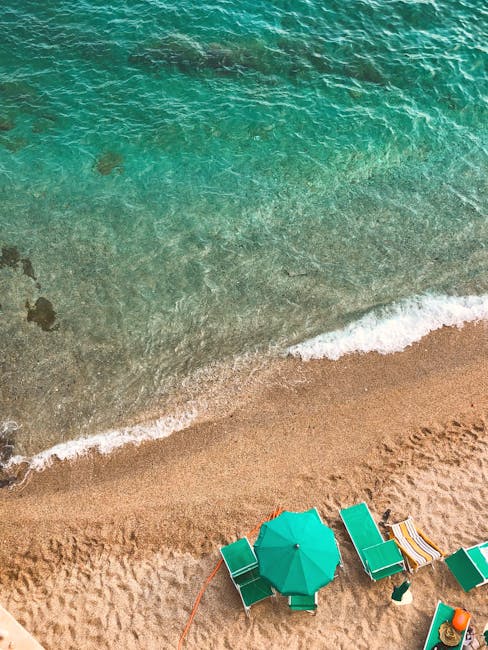
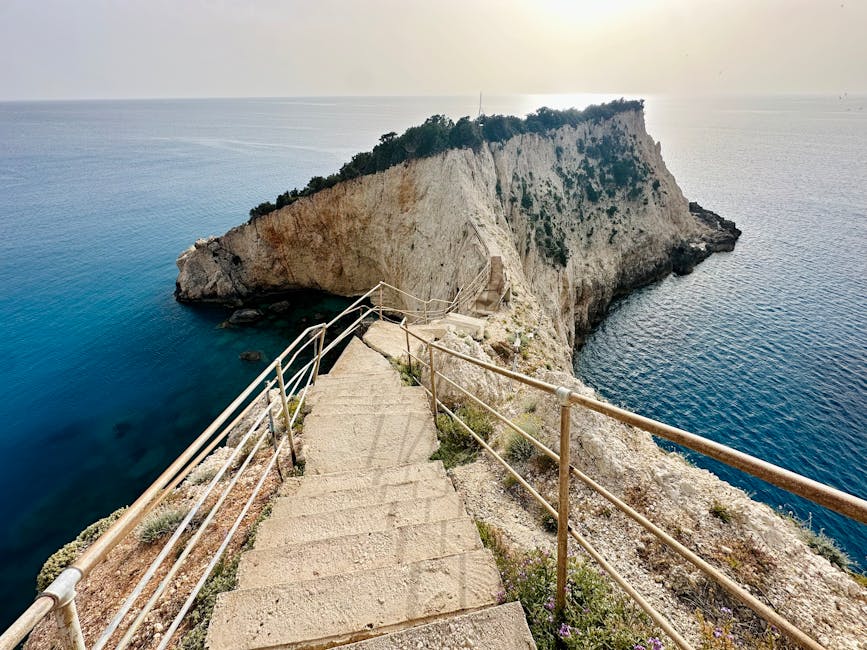
For those after more untamed scenery, the southern coast of Calabria — from the Capo Spartivento headland to Scilla via the Aspromonte coastline — delivers longer walks and a sense of near isolation. This section, less frequented by tourists but hugely beautiful, mixes sheer cliffs, remote beaches reached by footpaths and small medieval watchtowers. Distances are larger and some stretches require a minimum level of coastal hiking experience.
Points and places not to miss:
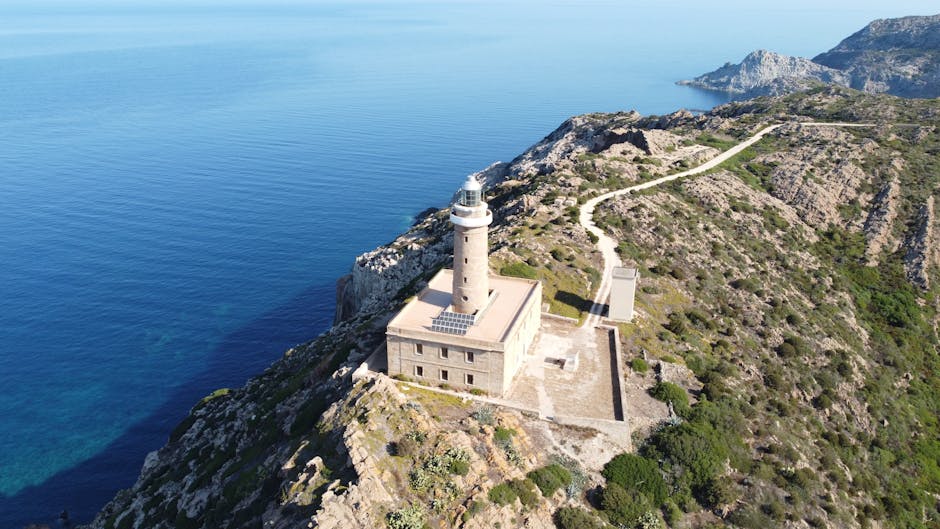
- Capo Spartivento — Location: the southwestern point of Calabria (municipality of Brancaleone and surroundings). Access: via SP109 with parking areas, no opening hours. Cliffs offer Ionian Sea vistas and memorable sunsets.
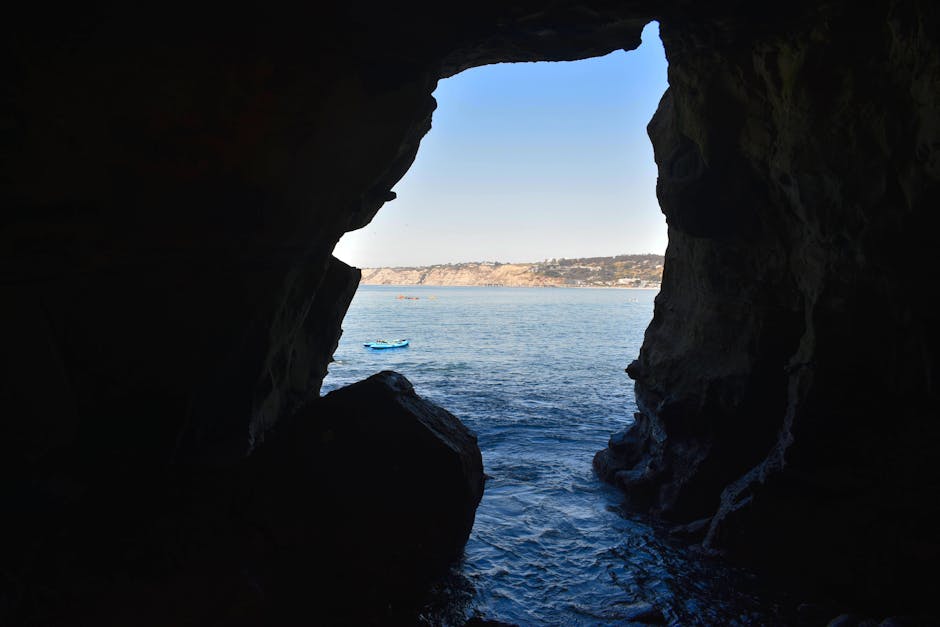
- Grotte di Aula (example of a sea cave reachable by kayak from certain coves) — Launch point: Marina di Brancaleone, Via Lungomare Cristoforo Colombo, 89030 Brancaleone (RC). Kayak rental: about €20–40 half-day. Shop hours: 09:00–18:00 in season. Exploring little caves from the sea is a spectacular way to add variety to the hike.
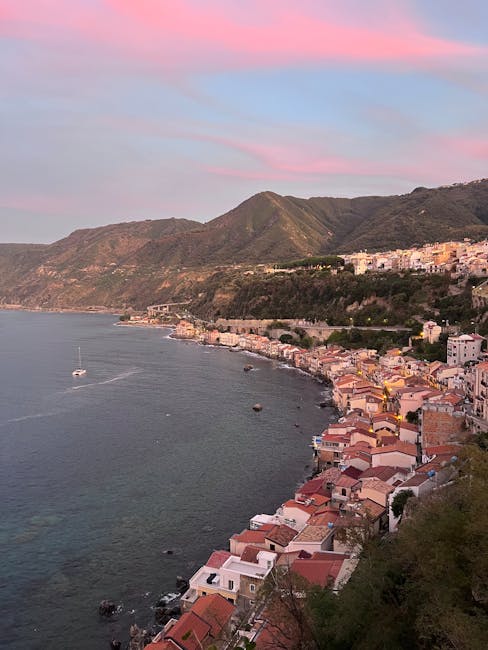
- Scilla — Chianalea district — Address: Via Chianalea, 89058 Scilla (RC). The fishermen’s quarter of Chianalea, often likened to Venice for its houses at the water’s edge, is a soothing stop after a day on the trail. Museum and free strolls.
Suggested itinerary: start south at Capo Spartivento, follow the coast toward Brancaleone and Monasterace (if you want to detour to archaeological sites), then continue toward Scilla. Daily stages can be long (20–30 km/day) depending on the coves you choose. Prefer months outside high season to reduce the risk of dehydration and difficulties finding lodging.
Practical tips:
- Transport: some stretches are far from train stations. A car or private transfer to link start and end points is often necessary. Regional bus timetables may be limited (check Busitalia and local operators).
- Equipment: lugged-soled shoes, windproof jacket, first-aid kit, headlamp for cave exploration (if you plan to enter cavities). Do not enter sea caves when the sea is rough.
- Environmental respect: leave no trace, avoid picking protected wild plants and respect private accesses along the shore.
3) Culture and essential stops: museums, churches and watchtowers
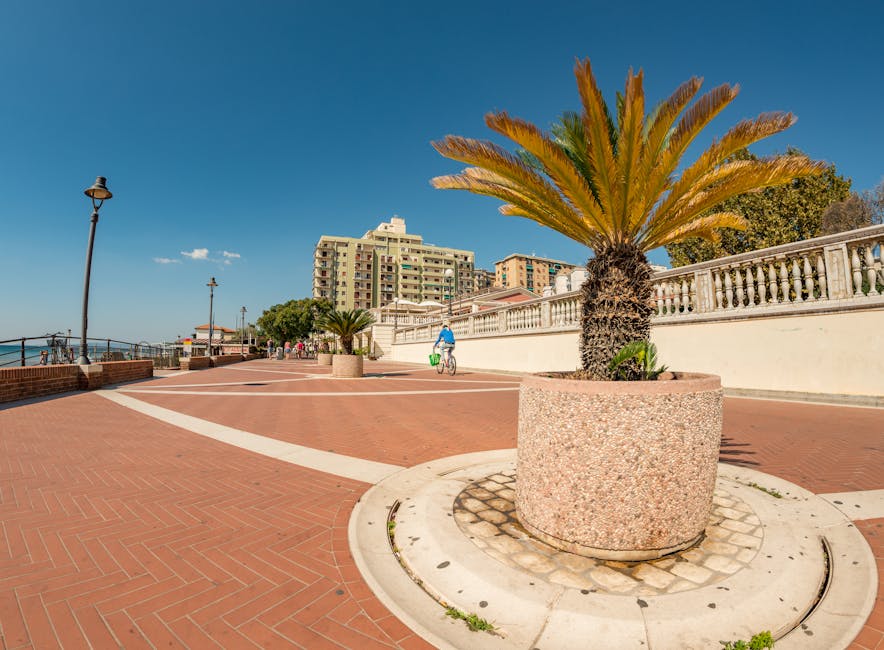
A coastal trek in Calabria naturally includes cultural stops: small local museums, ancient churches and medieval watchtowers that dot the coastline. These are perfect opportunities to get out of the sun, soak up history and understand the region’s cultural layers, from ancient Greek (Magna Grecia) influences to medieval maritime traditions.
Some exact addresses and practical info:
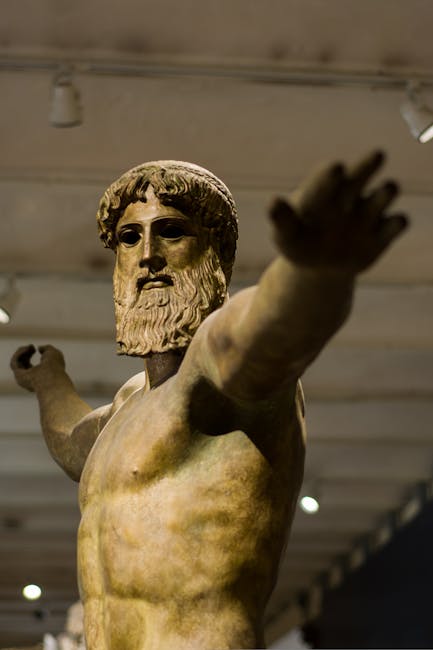
- Museo Nazionale della Magna Grecia (Archaeological Museum of Reggio Calabria) — Address: Piazza De Nava, 31, 89100 Reggio Calabria. Opening hours: generally 09:00–19:30, closed Mondays (hours may vary in high season). Price: standard ticket around €8–10 (reduced €4–6 for students/young people; free on certain days). Collections: the famous Riace Bronzes (Greek-Roman statues recovered from the sea), ceramics and funerary objects. A highly recommended immersive visit to understand Calabria’s ancient past.
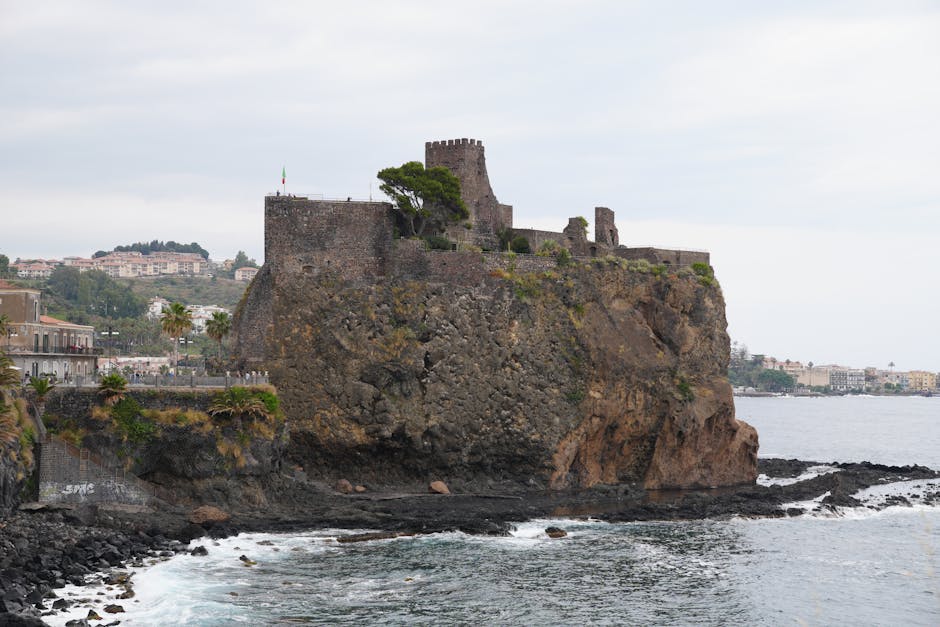
- Castello Murat in Pizzo Calabro — Address: Piazza della Repubblica, 89812 Pizzo (VV). Opening hours: often 09:30–13:00 and 15:00–19:00 (check seasonally). Price: entry varies, often €3–5. This 13th-century castle overlooks the harbor; Joseph Bonaparte and Joachim Murat were imprisoned here.
- Torre di Fiuzzi / Torre di Guardia Costiera (examples of coastal towers) — Locations: multiple along the Calabrian coast (e.g. Torre Ruffa, Torre Talao). Accessible from nearby parking areas. These 16th-century watchtowers were used to monitor pirate raids and make excellent landmarks and viewpoints.
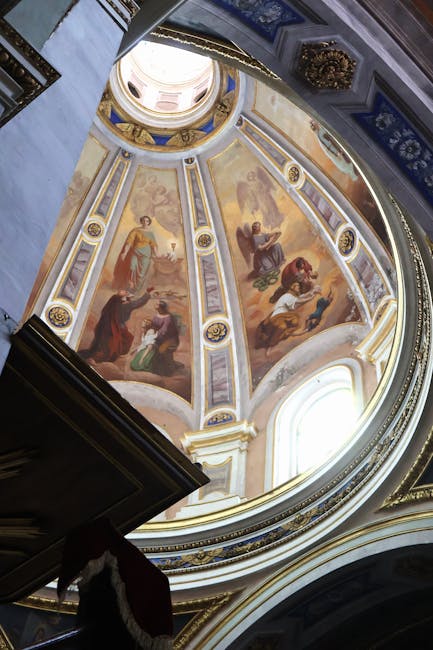
- Basilica Cattedrale di Maria Santissima Assunta (Tropea Cathedral) — Address: Via Parco, 89861 Tropea (VV). Opening hours: visits often 08:00–12:00 and 16:00–19:00 (religious hours vary). Free entry (donations suggested). The church, with its frescoes and mouldings, is a peaceful cultural stop in the heart of the village.
Tips for visiting:
- Always check closing days and updated hours on official sites or at the local tourist office (e.g. Ufficio Turismo Tropea, Via Libertà 3, 89861 Tropea — hours vary, often 09:00–13:00 and 15:30–18:30).
- Carry a few euros in cash for entry fees at small museums or donations at churches that don’t have electronic ticketing.
- Combine a cultural visit in the morning with an afternoon swim to make the most of your trek’s rhythm.
4) Food, accommodation and local logistics
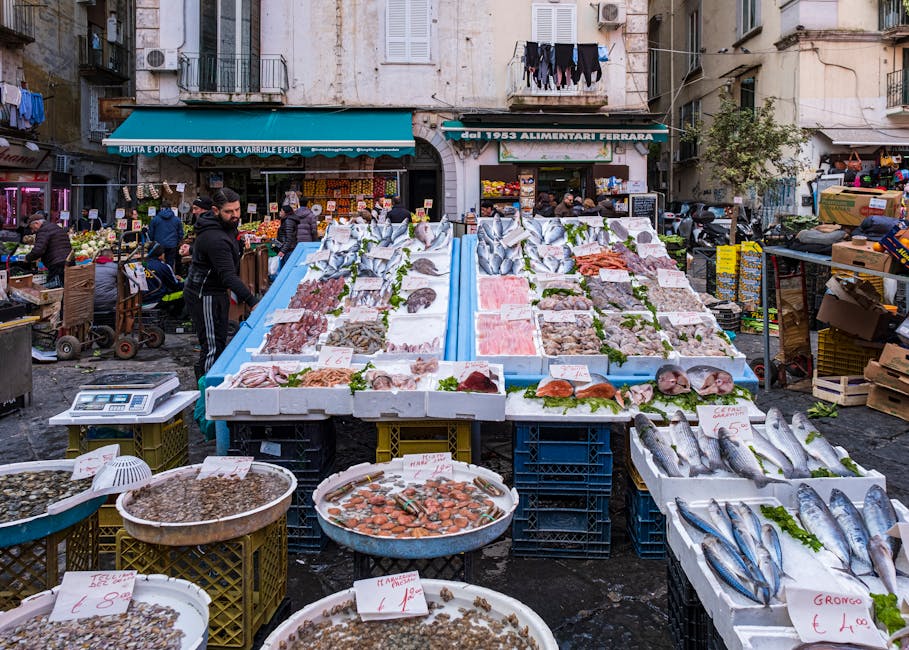
Beyond its landscapes, Calabria charms with its rustic, aromatic cuisine: spicy thanks to peperoncino (red chili), rich in seafood, olive groves and citrus. On a coastal trek, food is both fuel and reward — expect simple, authentic dishes, fine local grocery shops and agriturismi where you can taste homemade products.
Foods and places to try:
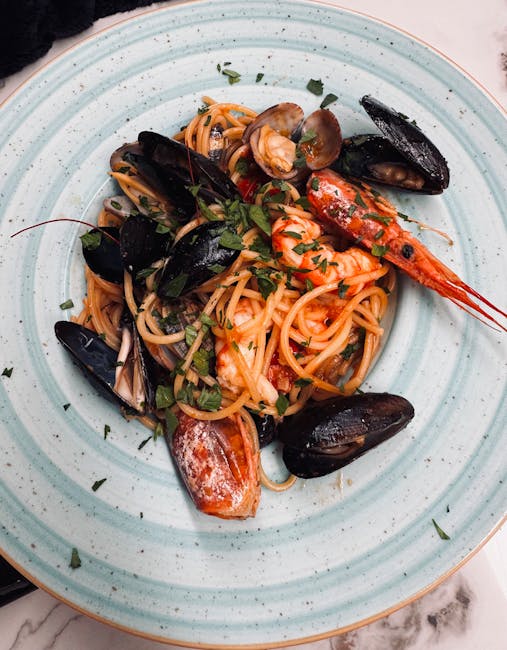
- Pescato del giorno (catch of the day) — Tropea restaurants: « Ristorante La Terrazza dell’Etna » (Via Indipendenza, 26, 89861 Tropea). Approximate price: main course €12–25. Hours: 12:00–15:00, 19:00–23:00. Try the local grilled anchovies or spaghetti alle vongole (clams).
- ‘Nduja from Spilinga (the iconic spicy spreadable sausage) — Buy from local producers or delicatessens like « Salumeria Da Gino », Via Roma, 12, 89864 Spilinga (VV). Price: €3–6 per portion (depending on weight). Tip: spread on a slice of pane casereccio for breakfast or add to pasta sauces.
- Recommended agriturismo: « Agriturismo La Casina di Emy » (example) — Indicative address: Contrada Piana, 89863 Briatico (VV). Prices: rooms €60–120/night depending on season, half-board possible €25–35/person for local meals. These places often offer packed lunches for hikers. Check availability and book ahead in high season.
Logistics tips:
- Transport: main train stations — Reggio Calabria Centrale (Piazza Cesare De Lieto), Lamezia Terme Centrale (Piazza F.lli Toselli, 88046 Lamezia Terme CZ); car rental recommended for flexibility. Rental prices: €30–60/day depending on season and car class.
- Luggage: if doing a linear trek without a vehicle, look into luggage transfer services between accommodations (local companies or trekking agencies charge about €15–30/stage depending on distance).
- Health & safety: pharmacies on duty in main towns. Bring sun protection, compresses, antiseptic, quality plasters and insect repellent. Emergency number in Italy: 112 (police/ambulance).
- Money: many small shops prefer cash; bring a bank card and some euro notes for purchases in tiny villages.
Conclusion — A journey that’s physical and sensual
A coastal trek in Calabria is a multifaceted journey: every step brings you closer to the blue of the sea and to a deep regional culture forged by centuries of Mediterranean history. Between the Costa degli Dei, the wild coves of Capo Spartivento, fishermen’s quarters like Chianalea and museums rich with Magna Grecia relics, the region offers a mosaic of experiences: landscapes, history and flavors. The route suits both independent hikers and families on staged itineraries, as well as photographers chasing light. Adapt your plan to your chosen difficulty level, the season and logistics (accommodation, transfers, resupply).
To prepare your trek, start by choosing the coastal segment you want to explore — Pizzo to Capo Vaticano for famous panoramas and easy access to services; Capo Spartivento to Scilla for solitude and wilder moods. Book nights in high season, check museum and tourist office opening hours, and pack appropriate gear: sturdy shoes, water, a map or offline GPS app, and a basic first-aid kit. Don’t forget curiosity: the best encounters often happen in small harbor cafés or at the village grocer, who might offer you a taste of a local specialty.
Finally, respecting Calabria’s coastline, its biodiversity and its communities is essential to preserve this Mediterranean gem. Pack out your trash, stick to trails, avoid picking protected plants and favor local producers: small actions help the area retain its wild beauty. Whether you go for a short, intense weekend or a longer crossing, a coastal trek in Calabria promises unforgettable images, lasting flavors and moments of simple joy — the very essence of Mediterranean travel.