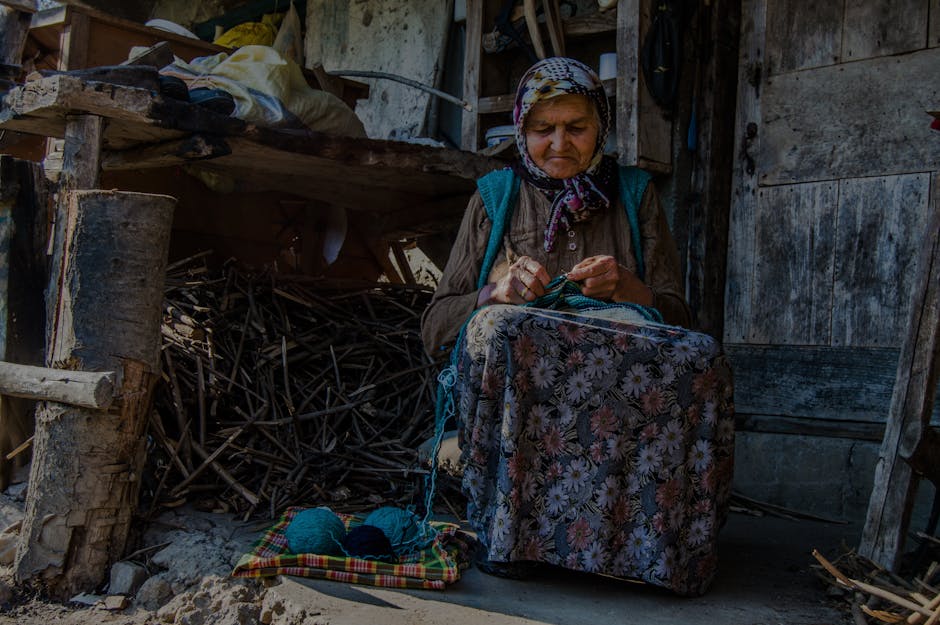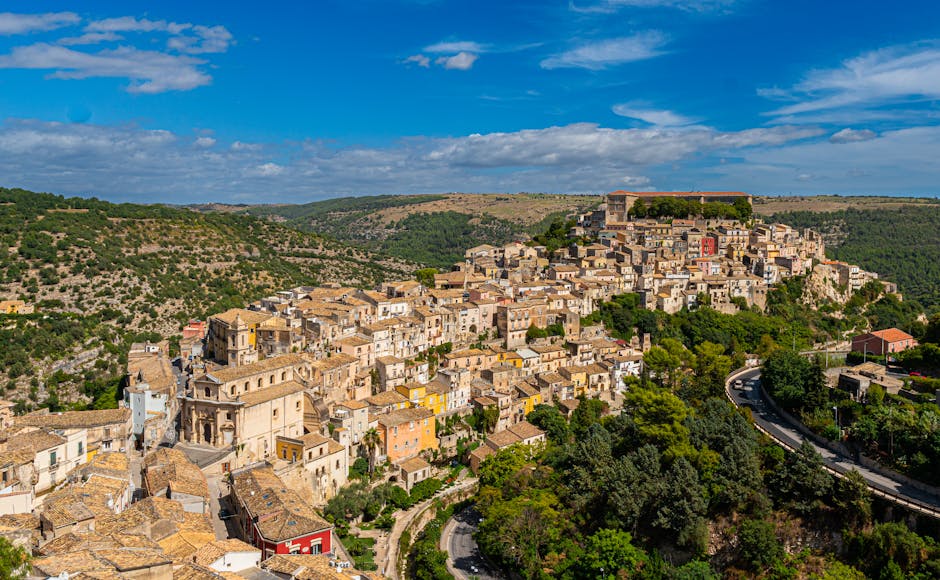






Introduction — Authentic Calabria: villages where time seems to stand still
Calabria, at the tip of Italy’s boot, remains one of Europe’s most intimate and well-preserved regions for travelers seeking an experience far from the tourist rush. Here, stone houses cling to cliffs, cobbled lanes echo with the footsteps of elders, and culinary and linguistic traditions — from the Calabrian dialect to Greco-Italian (griko) in some villages — are still passed down through generations. In these places, time seems to pause: morning markets, evening church bells and tavernas where people share a plate of ‘nduja or homemade pasta create an almost timeless atmosphere.
This guide takes you to the most evocative villages of Calabria: from the dramatic coastline of Tropea and Scilla to the wild heights of the Aspromonte, and to near-abandoned hamlets that bear Byzantine or Aragonese traces. For each village you’ll find practical, precise information: exact addresses for churches, castles or main squares, typical opening hours, entrance fees in euros, immersive descriptions and local tips to make the most of your visit — how to avoid crowds, what dish to order and where to watch the most spectacular sunset.
Traveling in Calabria is not just about ticking off views: it’s about tasting authenticity. It’s listening to an old carpenter at work under a portico, accepting a slice of fig tart offered by a nonna, or deliberately getting lost in a maze of alleys with no set destination. The villages featured here retain a strong sense of community and architecture that tells centuries of conquest and resistance — Norman, Byzantine, Aragonese, Spanish — yet they breathe the simplicity of a life oriented toward the sea, the mountains and the land.
Written in an informative, professional tone, this guide is aimed at curious travelers, hikers, photographers and food lovers alike. It contains concrete recommendations — from the Duomo di Gerace opening hours to the ticket price for Castello di Santa Severina — so your itinerary stays realistic and enjoyable. Preparing well for a trip to Calabria also means respecting its people: travel slowly, buy local, and approach traditions with respectful curiosity. Set off for these villages where time seems to have stopped; you’ll return changed by the slow pace, raw beauty and warm hospitality that only Calabria can offer.
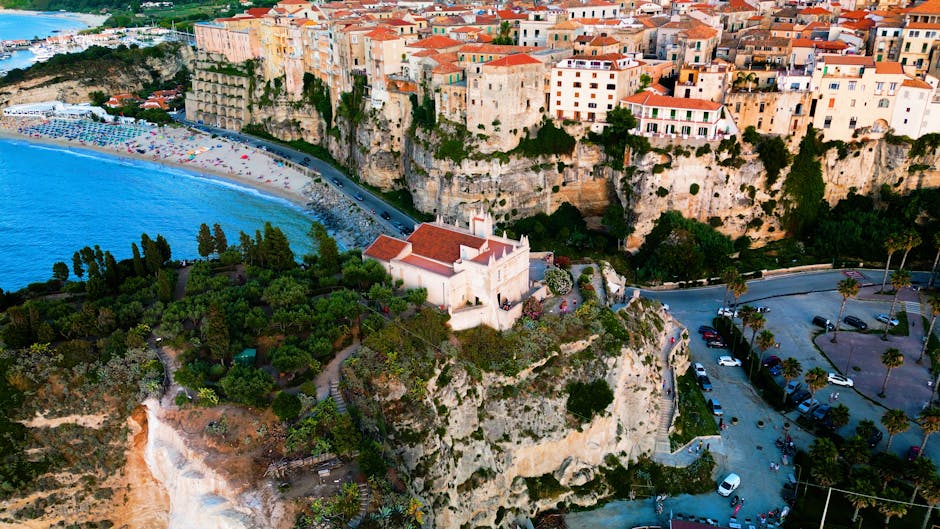
Tropea and Scilla — Cliffs, beaches and historic quarters frozen in time
Tropea is often the first image that comes to mind when thinking of Calabria: a village perched on a tufaceous cliff overlooking the Tyrrhenian Sea, dominated by the Santuario di Santa Maria dell’Isola. Address: Santuario di Santa Maria dell’Isola, Viale Porto, 89861 Tropea VV, Italy. The site is accessible year-round; approximate opening hours: 08:00–19:30 (extended in July–August for evening services). Entrance to the small islet/sanctuary: voluntary or symbolic contribution, generally €1–3 for site maintenance. The sunset panorama is unforgettable: the silhouette of the sanctuary cut against the horizon. Allow about a fifteen-minute walk from Piazza Ercole, Tropea’s historic heart.
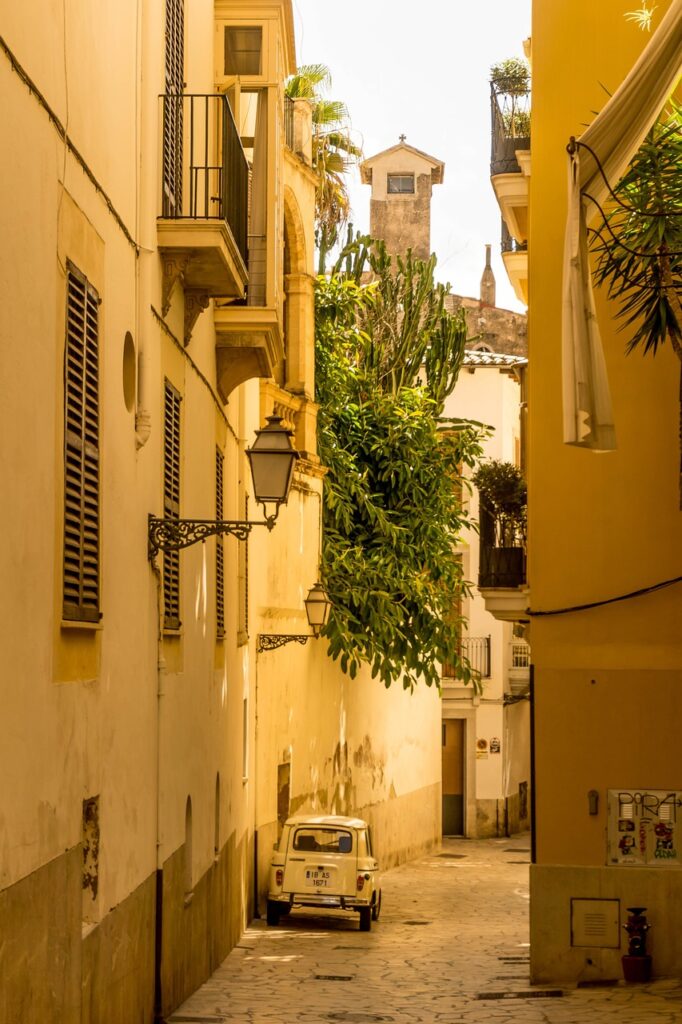
Practical tips for Tropea: arrive early (before 09:30) to avoid crowds at viewpoints and scout out a traditional trattoria to try local specialties — spaghetti alla ‘nduja or the famous Tropea red onion (red onion di Tropea). A recommended spot: Ristorante La Lamia, Via Libertà 16, 89861 Tropea VV — dishes from €12, lunch service 12:00–15:00 and dinner 19:00–23:00 (closed Tuesdays off-season).
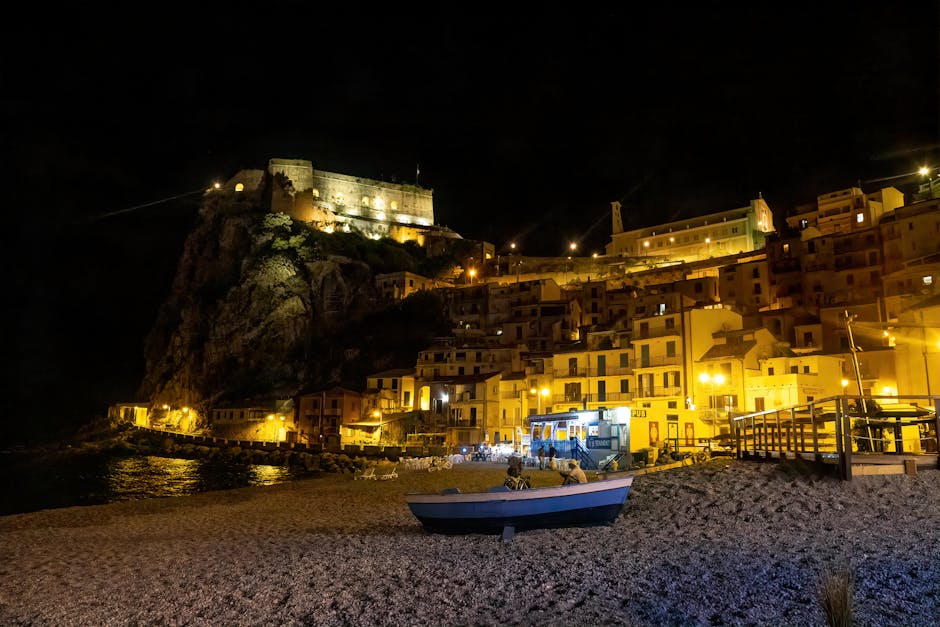
To the south, Scilla offers a more intimate, less staged vision than Tropea. The Chianalea neighborhood is one of Italy’s most photogenic spots: houses clinging to the sea, small boats and lanes where you can almost touch the water from a windowsill. Address: Chianalea di Scilla, Via Nazionale, 89058 Scilla RC, Italy. A stroll along Via Nazionale and the Marina transports you to a marine Calabria largely unchanged. Nearby, Castello Ruffo (Castello Ruffo di Scilla) stands with a panoramic terrace: Castello Ruffo di Scilla, Via Castello, 89058 Scilla RC, Italy — indicative opening hours: 09:00–18:00 (extended in high season); admission: €3–5.
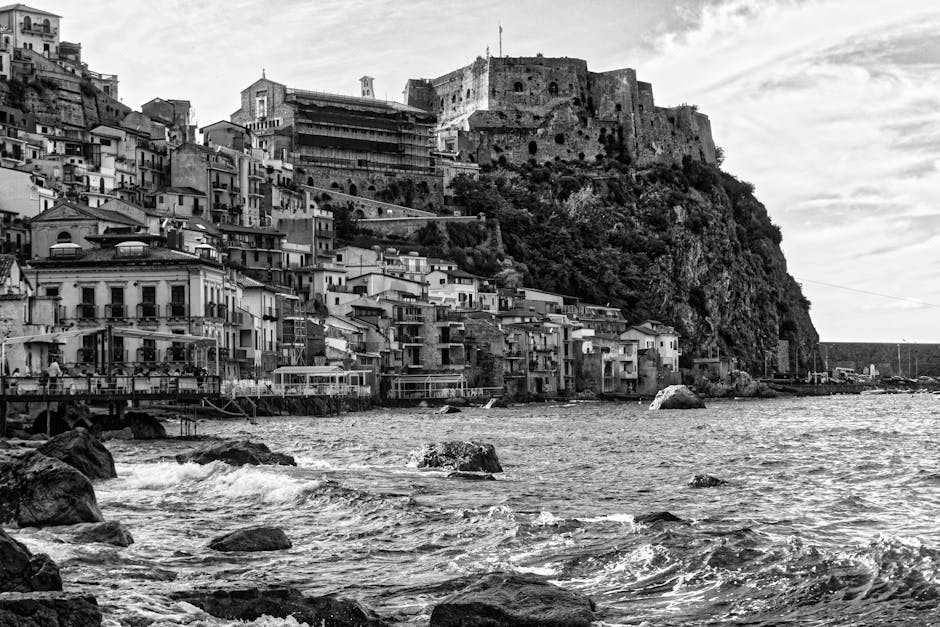
Local tips: enjoy grilled fish at a « pescheria con cucina » (fish market turned restaurant) — fresh fish selections are often posted based on the day’s catch. For a spectacular sunset, climb the steps behind Scilla beach and settle near the Castello Ruffo viewpoint. Transport: Tropea and Scilla are reachable by train (Ferrovie dello Stato) and by car; expect parking patience in summer, so aim for early arrivals or evenings after 18:00.
Pentedattilo, Gerace and Morano Calabro — Highland villages with medieval flair
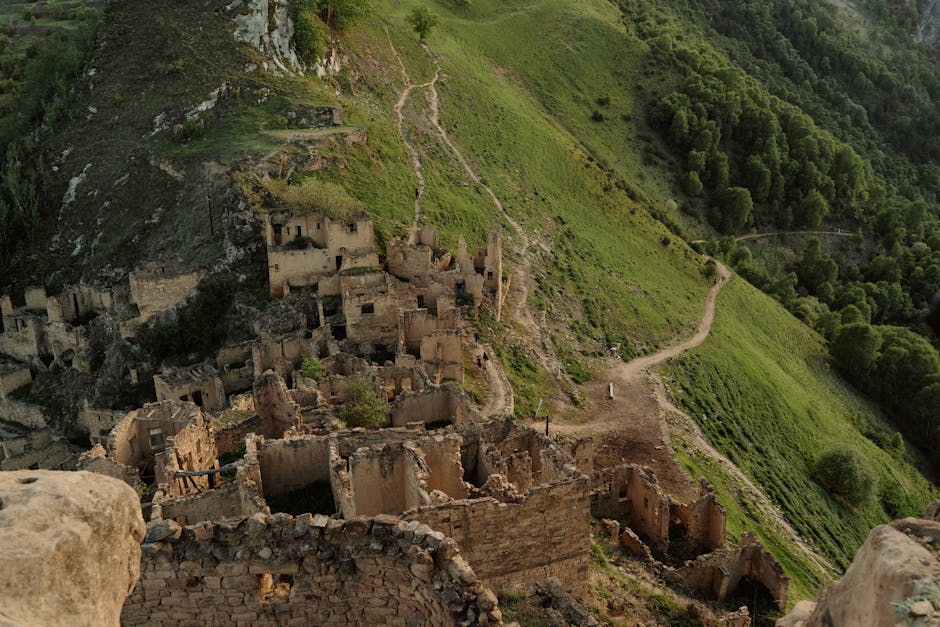
Pentedattilo might be the most striking example of a village « frozen » in stone. Perched on a hand-shaped cliff (from which it gets its name — « five fingers »), it experienced near-total abandonment after the 1783 earthquake, then revived as a ghost village and an artists’ hub. Address: Pentedattilo, Via Roma, 89060 Melito di Porto Salvo RC, Italy. Access involves a mountain road followed by a short walk. There’s no permanent official museum, but temporary art installations and local guided visits (bookable via the pro-loco) cost around €5–10. Best times to visit: spring and autumn, when the light enhances the rock formations.
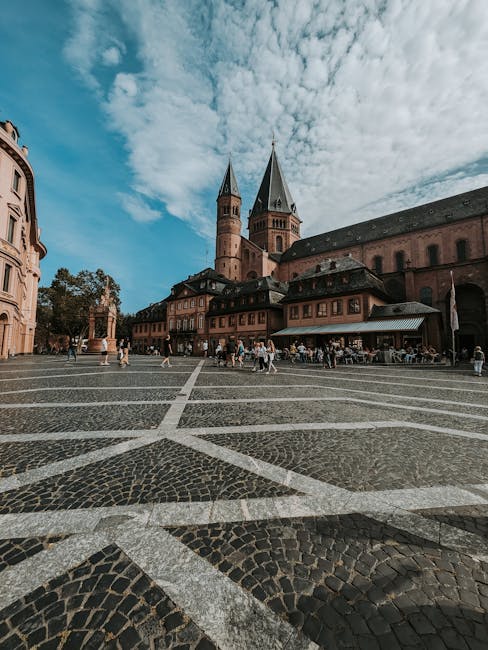
Gerace, often nicknamed Calabria’s « Matera, » offers a maze of medieval lanes and an imposing Duomo. Address: Duomo di Gerace, Piazza Duomo, 89040 Gerace RC, Italy. Visiting hours: 09:00–12:30 and 15:30–18:30 (times vary by season). Admission to the Duomo and the small diocesan museum: about €3–6. Wandering up to the Norman-Swabian castle provides splendid views over the valley and the Ionian Sea. Arched houses, wrought-iron balconies and quiet squares make Gerace a well-preserved model of medieval urban planning.
Morano Calabro is another inland gem, perched on rocky ridges with tightly packed houses that seem to wrap around the rock. Address: Piazza Municipio, 87016 Morano Calabro CS, Italy. The historic center is an open-air museum: the Porta dell’Ospedale, towers of the old walls and medieval urban layout create an almost cinematic setting. Practical info: the tourist office (Pro Loco Morano) is often located on Via Roma — hours vary by season; guided tours in high season cost €10–15 per person. Local markets (dairy, cured meats, bread) take place some mornings — a great chance to speak with producers and sample local pecorino and soppressata.
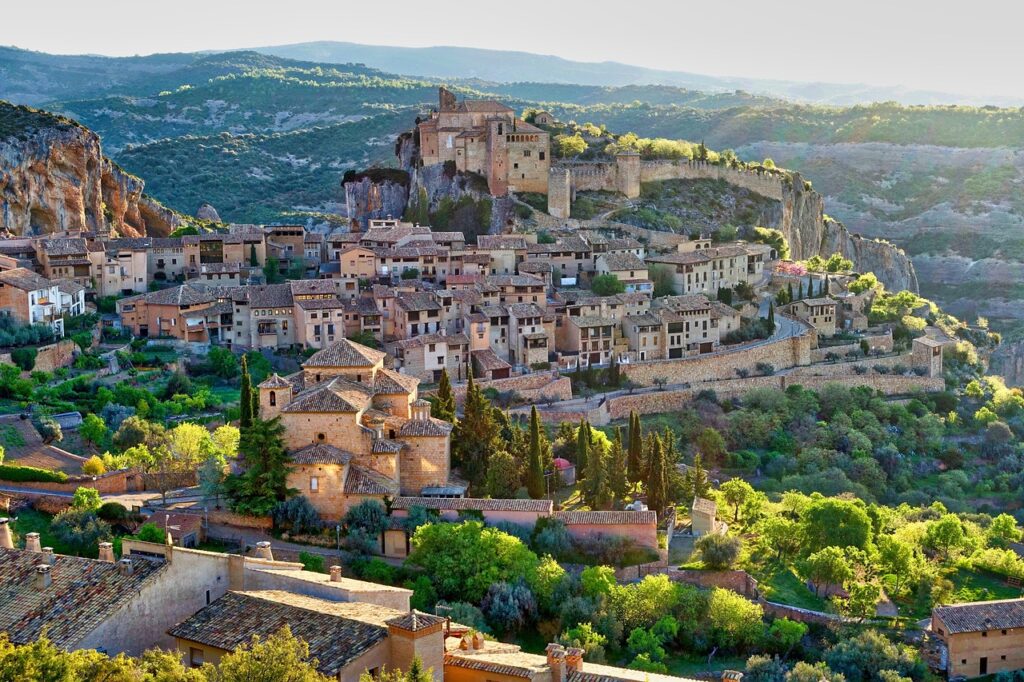
Local tips for these highland villages: wear sturdy shoes for uneven lanes, plan to use a car if you want to visit multiple villages in a day, and book guided tours in advance for summer. Village markets offer reasonably priced products — buy a small bottle of artisanal olive oil and local honey as authentic souvenirs. Finally, respect quiet hours in the evening: nightlife is low-key and focused on friendly gatherings in small squares.
Bova, Civita and Stilo — Greek heritage, Byzantine churches and living traditions
On Calabria’s extreme Ionian flank are villages where the Greco-Italian culture has left a deep mark. Bova (Bova Superiore) is one of the most representative: the old town retains a medieval layout and strong traditions linked to griko language and songs. Address: Bova Centro Storico, 89033 Bova RC, Italy. The Museo della Civiltà Contadina e Pastorale (small local museum) offers insights into pastoral life: hours often 10:00–13:00 and 16:00–19:00; admission €2–4 depending on the exhibition. Wander the lanes and you might hear elderly women singing in griko, especially during religious festivals.
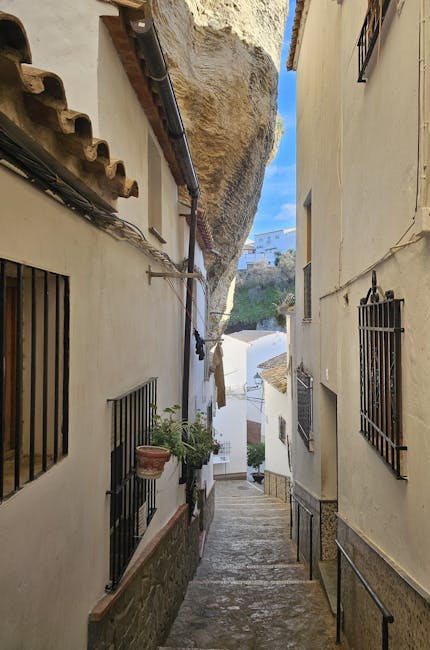
Civita is famed for its dramatic gorges (Gole del Raganello) and its Albanian heritage (comunità arbëreshe), which has preserved customs and language. Address: Civita, 87010 Civita CS, Italy. For hiking in the Gole del Raganello: trails often start from the Civita parking area, access is free but a guide is recommended for technical routes; local guide rates: €25–40 per person for a half-day. The local organization (Pro Loco Civita) offers organized excursions and cultural days where you can taste pane casareccio (homemade bread) and fresh cheese.
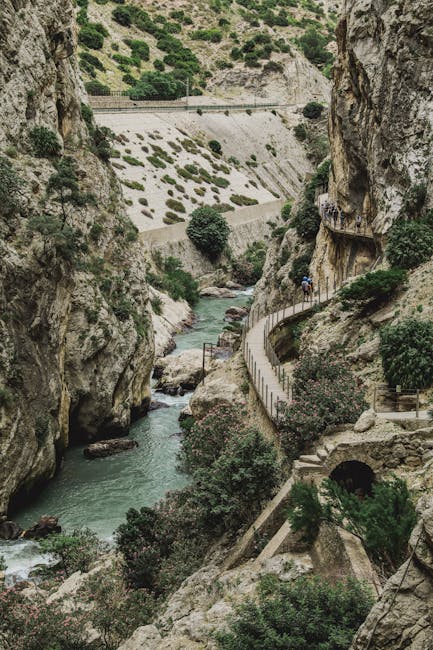
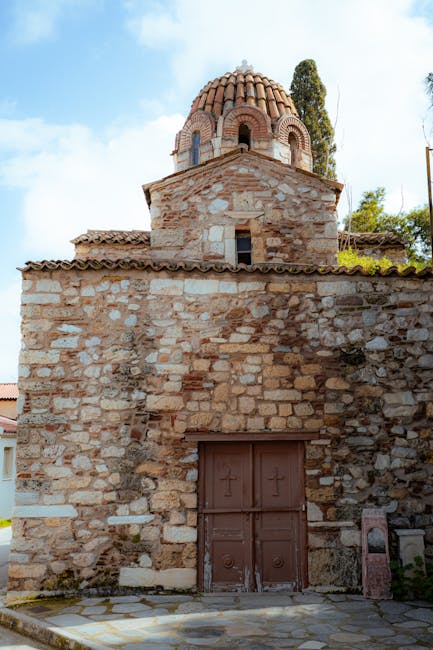
Stilo, best known for its small Byzantine church, the Cattolica di Stilo, is a must for anyone interested in medieval art. Address: Cattolica di Stilo, Strada Provinciale 109, 89049 Stilo RC, Italy. Hours: generally 09:00–17:00 (closed certain days off-season). Admission: €2–5 depending on guided visits. The Cattolica, built in the 11th–12th centuries, showcases Byzantine presence with well-preserved frescoes and architecture.
Local tips for this area: favor day trips from a central base (for example Reggio Calabria or Locri) to enjoy the villages at a local pace. Try Arbëreshë and griko specialties: homemade pasta, flavored honey, sheep cheeses. For transport, a car is almost essential; bus links exist but are infrequent and often centered around market times. Also, respect the variable opening hours of municipal museums and call the local Pro Loco to confirm guided visits — these organizations often operate seasonally and depend on available volunteers.
Practical final tips — Where to stay, what to eat, how to get around and honoring the soul of these places
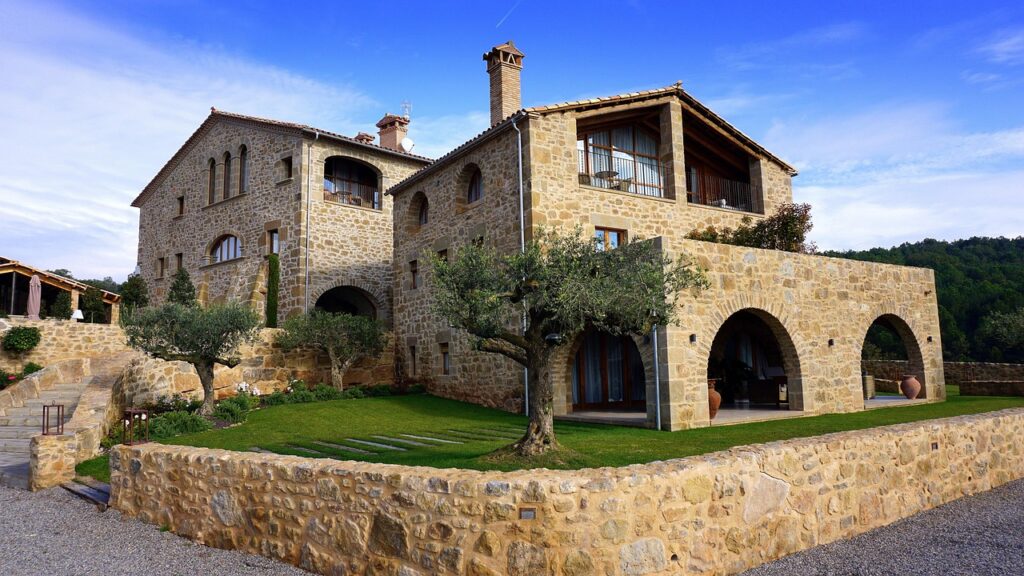
Where to stay: Calabria offers a wide variety of accommodations, from small family-run B&Bs to agritourism farms (masserie) and historic hotels. Here are some emblematic, practical options:
- B&B La Terrazza, Tropea — Via Lido 2, 89861 Tropea VV. Double rooms from €65 in low season, €120 in high season. Reception 08:00–21:00, breakfast included.
- Albergo La Lamia, Scilla — Via Nazionale 45, 89058 Scilla RC. Double rooms from €70, breakfast €6 per person. Book ahead for July–August.
- Guesthouse Casa nel Borgo, Gerace — Via del Mare 8, 89040 Gerace RC. Double rooms from €55. Hosts are often family-run, arrival times flexible.
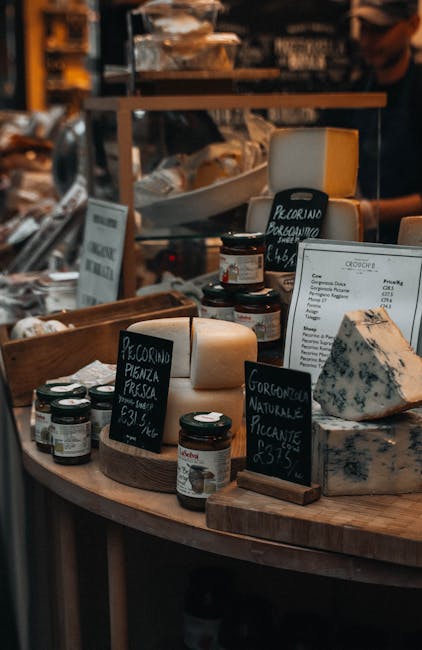
What to eat: favor family-run trattorie and local markets. Some indicative costs: antipasti from €5–7, pasta dishes €8–12, grilled fish €12–20. Look for mercato rionale (village market) to buy fresh products — pecorino cheese, extra virgin olive oil (500 ml bottle €6–12), and the famous Tropea red onion (price varies by season).
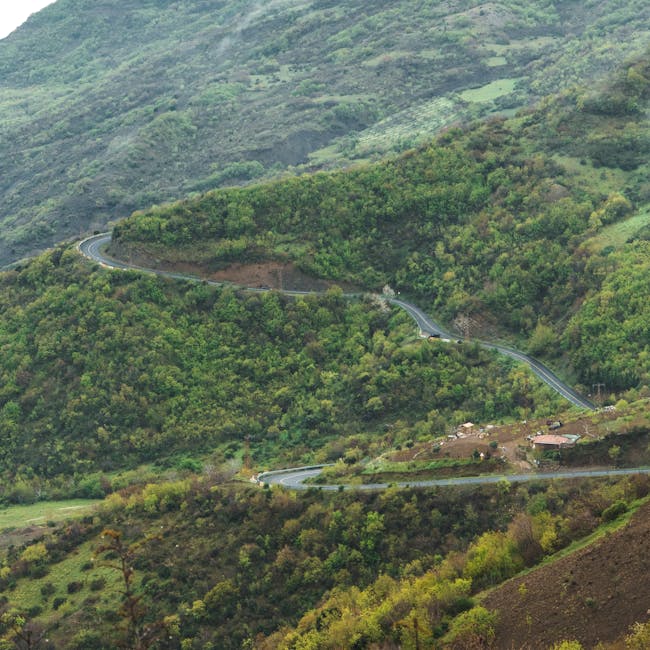
Getting around: a car remains the most flexible way to explore the villages. Car rental: €25–55 per day depending on season and category. Mountain roads can be narrow; drive carefully and avoid large suitcases if you plan to park in historic centers. Trains serve the coasts (Reggio–Catanzaro–Lamezia line); for the interior, regional buses (ATAM, Ferrovie della Calabria) exist but have limited frequency.
Respect and safety: Calabria is generally safe, but some public services (tourist info offices, municipal museums) close in low season, so it’s wise to call or email to confirm. Respect prayer times and local customs: dress modestly when entering churches, ask permission before photographing elderly people and favor local shops to support village economies.
Finally, to extend the authentic experience, give yourself time: don’t cram too many villages into one day. Choosing a single village as your base — Tropea or Gerace, for example — and doing half-day excursions will let you absorb the Calabrian pace, meet locals and understand why time seems to linger here.
Conclusion — A Calabria to touch, hear and taste
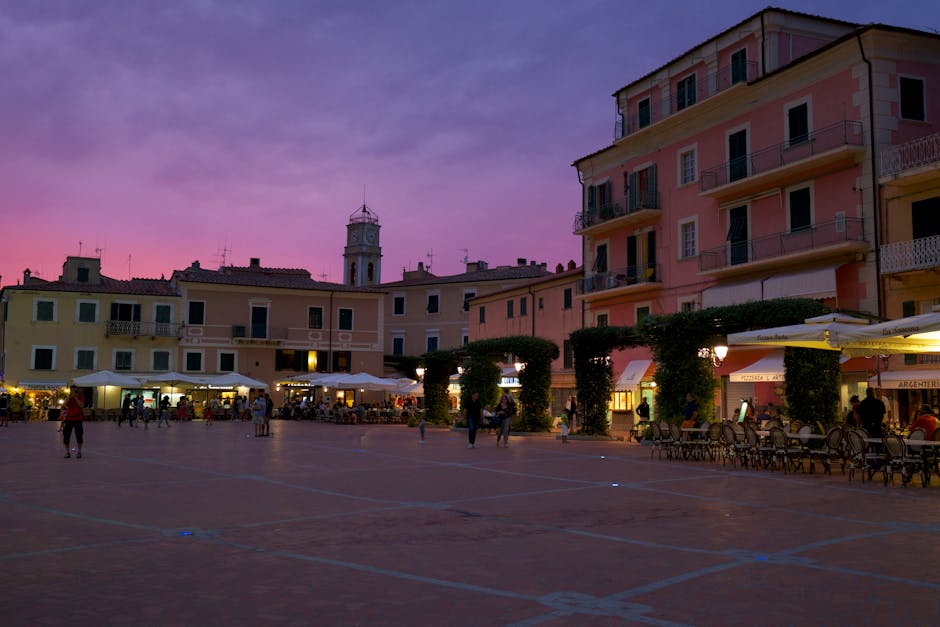
Authentic Calabria reveals itself through slowness and attention to detail: a lane, a carved door, a griko song at dusk, a slice of fig tart shared on a sunny square. The villages covered in this guide — Tropea, Scilla, Pentedattilo, Gerace, Morano Calabro, Bova, Civita and Stilo — form an itinerary that blends sea and mountains, Byzantine art and pastoral tradition, natural wonders and built heritage. Each place has its address, hours and history; but more importantly, they offer human encounters: artisans, farmers, fishermen and hoteliers who, with great hospitality, share their daily lives.
Plan with attention to hours and seasons, favor family-run lodgings and neighborhood restaurants, and travel with patience to succeed in your immersion. Pack comfortable shoes for cobbled streets, a camera to capture the shifting light, and a curiosity for local traditions. Remember that the value of a trip to Calabria isn’t measured only in views but in conversations, flavors and contemplative silences. Let yourself be carried by the gentle rhythm of villages where time seems to have stopped — you’ll leave marked by a lesser-known, more secret Italy, rich in lasting memories.